An In-Depth Analysis Of The Precise Nutritional Treatment Plan For Chronic ConstipationⅢ
Nov 02, 2023
Symptoms of constipation are typical: infrequent bowel movements, usually less than three times per week, and difficulty with bowel movements (Basilisco 2013). People with constipation may also experience bloating and discomfort, have hard or lumpy stools that require straining to pass or feel like a blockage or other problem is preventing the bowel from completely emptying (UMMC 2013a; Jamshed 2011; Mayo Clinic 2013a).

Click to home remedies for constipation
Delirium, anorexia, and general functional decline may be associated with chronic constipation in frail older adults (Jamshed 2011). Hemorrhoids are swollen, inflamed veins in the anal or rectal area that may occur due to constipation. Hemorrhoids can cause itching, bleeding, and a feeling of swelling around the anus (NIDDK 2013; Mayo Clinic 2013b).
Other complications of chronic constipation include:
Anal fissures are small tears in the fragile lining of the anus (Mayo Clinic 2012).
Rectocele is a bulging of the rectum into the vaginal wall (Mayo Clinic 2014b).
Rectal prolapse is the collapse and stretching of the rectum through the anal canal (UMMC 2015b; MUSC 2015).

Fecal impaction occurs when a large amount of dry, hard stool becomes lodged in the rectum, usually in people who are chronically constipated (UMMC 2015a).
Fecal incontinence is the involuntary bowel movement associated with chronic constipation. It may occur due to general anorectal muscle weakness due to chronic constipation, laxative use, severe hemorrhoids, rectal prolapse, or fecal impaction (UMMC 2014).
An acquired megacolon is an extremely enlarged colon that may be caused by long-term severe constipation and may require surgery. Acquired megacolon occurs due to weakening and collapse of the colon wall due to chronic stretching (Vieira 1996; Sparberg 1990; Pereira 1987).
Intestinal perforation due to constipation is a very rare medical emergency that may cause intestinal contents to enter the abdomen (Leung, Riutta 2011; NLM 2014a).
diagnosis
The diagnosis of constipation is usually based on bowel habits, duration and severity of symptoms, and medical history. A digital rectal examination may also be required (Rao 2014).
A specific set of criteria called Rome III is widely used to diagnose functional gastrointestinal disorders, including constipation and constipation-predominant irritable bowel syndrome (IBS-C) (Drossman 2006). According to Rome III, constipation symptoms that persist for at least six months and meet two or more of the following criteria for at least three months constitute chronic constipation (Leung, Riutta 2011; Jamshed 2011):
At least 25% of straining during bowel movements
Having lumpy or hard stools at least 25% of the time
At least 25% have a feeling of incomplete evacuation during defecation
Feeling blocked in the anus or rectum during bowel movements at least 25% of the time
Use hands or fingers to facilitate at least 25% of bowel movements

Having fewer than three bowel movements per week. Diagnostic testing is recommended if an underlying condition (such as hypothyroidism) may be a contributing factor. For people with one or more "alarm features" in the history or physical examination, further testing may be needed, including a complete blood count and endoscopy (Rao 2014; Jamshed 2011):
Rectal bleeding
Positive for occult blood (tiny traces of blood in stool)
iron deficiency anemia
Unexpected weight loss of 10 pounds or more
Obstructive symptoms
Recent symptoms (especially in older adults)
rectal prolapse
Changes in stool diameter
family history of colon cancer
Over 50 years old
Natural Herbal Medicine For Relieving Constipation-Cistanche
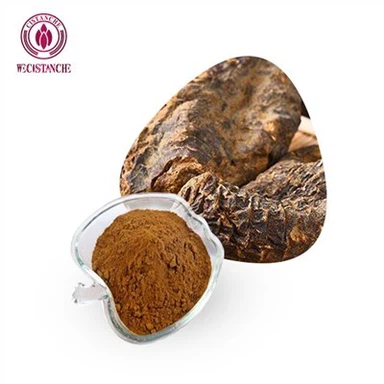
Cistanche is a genus of parasitic plants that belongs to the family Orobanchaceae. These plants are known for their medicinal properties and have been used in Traditional Chinese Medicine (TCM) for centuries. Cistanche species are predominantly found in arid and desert regions of China, Mongolia, and other parts of Central Asia. Cistanche plants are characterized by their fleshy, yellowish stems and are highly valued for their potential health benefits. In TCM, Cistanche is believed to have tonic properties and is commonly used to nourish the kidney, enhance vitality, and support sexual function. It is also used to address issues related to aging, fatigue, and overall well-being. While Cistanche has a long history of use in traditional medicine, scientific research on its efficacy and safety is ongoing and limited. However, it is known to contain various bioactive compounds such as phenylethanoid glycosides, iridoids, lignans, and polysaccharides, which may contribute to its medicinal effects.

Wecistanche's cistanche powder, cistanche tablets, cistanche capsules, and other products are developed using desert cistanche as raw materials, all of which have a good effect on relieving constipation. The specific mechanism is as follows: Cistanche is believed to have potential benefits for relieving constipation based on its traditional use and certain compounds it contains. While scientific research specifically on Cistanche's effect on constipation is limited, it is thought to have multiple mechanisms that may contribute to its potential to relieve constipation. Laxative Effect: Cistanche has long been used in Traditional Chinese Medicine as a remedy for constipation. It is believed to have a mild laxative effect, which can help promote bowel movements and induce constipation. This effect may be attributed to various compounds found in Cistanche, such as phenylethanoid glycosides and polysaccharides. Moistening the Intestines: Based on traditional use, Cistanche is considered to have moisturizing properties, specifically targeting the Intestines. Promoting hydration and lubrication of the Intestines may help soften tools and facilitate easier passage, thereby relieving constipation. Anti-inflammatory Effect: Constipation can sometimes be associated with inflammation in the digestive tract. Cistanche contains certain compounds, including phenylethanoid glycosides and lignans, that are believed to have anti-inflammatory properties. By reducing inflammation in the intestines, it may help improve bowel movement regularity and relieve constipation.