Brain Hypoxia, Neurocognitive Impairment, And Quality Of Life in People Post‑COVID‑19 Part 2
Aug 10, 2023
Scattering coefficients at 690 and 824 nm were significantly lower in normoxic post-COVID-19 participants compared with healthy controls; however, post hoc analysis did not show a difference between hypoxic post-COVID-19 participants compared with healthy controls. There was a trend for the hypoxic post-COVID-19 participants to be older than healthy controls and normoxic post-COVID-19 participants.
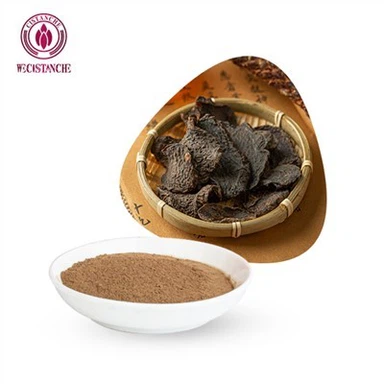
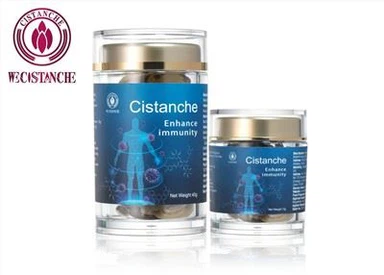
Cistanche can act as an anti-fatigue and stamina enhancer, and experimental studies have shown that the decoction of Cistanche tubulosa could effectively protect the liver hepatocytes and endothelial cells damaged in weight-bearing swimming mice, upregulate the expression of NOS3, and promote hepatic glycogen synthesis, thus exerting anti-fatigue efficacy. Phenylethanoid glycoside-rich Cistanche tubulosa extract could significantly reduce the serum creatine kinase, lactate dehydrogenase, and lactate levels, and increase the hemoglobin (HB) and glucose levels in ICR mice, and this could play an anti-fatigue role by decreasing the muscle damage and delaying the lactic acid enrichment for energy storage in mice. Compound Cistanche Tubulosa Tablets significantly prolonged the weight-bearing swimming time, increased the hepatic glycogen reserve, and decreased the serum urea level after exercise in mice, showing its anti-fatigue effect. The decoction of Cistanchis can improve endurance and accelerate the elimination of fatigue in exercising mice, and can also reduce the elevation of serum creatine kinase after load exercise and keep the ultrastructure of skeletal muscle of mice normal after exercise, which indicates that it has the effects of enhancing physical strength and anti-fatigue. Cistanchis also significantly prolonged the survival time of nitrite-poisoned mice and enhanced the tolerance against hypoxia and fatigue.

Click on Over Fatigue's Cistanche
【For more info:george.deng@wecistanche.com / WhatApp:8613632399501】
There was no significant difference in SaO2 between the hypoxic and normoxic post-COVID-19 groups (p=0.392) p=Table 2). HR, tympanic temperature, total hemoglobin (THb), and deoxyhemoglobin (HHb) were not different between groups.
There were significant differences between groups for neurocognitive measures SDMT-oral (p<0.001), COWATAnimals (p=0.047), and PASAT (p=0.006). SDMT-oral and PASAT z-scores were significantly lower in both normoxic and hypoxic post-COVID-19 participants compared with healthy controls (Table 2). The COWAT-Animals z-score was significantly lower in normoxic post-COVID-19 participants compared with healthy controls, and there was no detectable difference between hypoxic post-COVID-19 participants and healthy controls. There was a trend for the COWAT-FAS z-score to be different between groups.
Health-related quality of life measured only in post-COVID-19 participants was significantly lower across multiple domains in the hypoxic vs. normoxic group (Table 3) and these differences were clinically meaningful. Physical functioning, role limitations due to physical health problems, social functioning, and general health were substantially lower in the hypoxic group. Fatigue measured using the FACIT-F was particularly severe in the hypoxic group (Table 3, where a score of<34 is considered clinically significant, and these individuals scored 12±9). There was no difference in depression scores between groups. The reported numbers of persistent COVID-19 symptoms did not differ between hypoxic and normoxic post-COVID-19 participants (5±5 vs. 7±5).
We report the correlations between St O2, as a measure of cortical microvascular oxygenation, with age, total hemoglobin (Fig. 3), and cognitive and physical functioning (Fig. 4). There was a negative relationship between age and St O2 (Fig. 3A) and a positive relationship between St O2 and total hemoglobin, a parameter which is related to cerebral blood volume (Fig. 3B). A correlation of months post-COVID-19 infection vs St O2 was not significant (p<0.066) (Fig. 3C). The slope was −0.32 which is small and may not indicate a biologically significant change. There was a trend for a positive relationship between St O2 and PASAT (Fig. 4A). We found a correlation between St O2 and physical functioning (Fig. 4B), role limitation-physical (Fig. 4C), energy/fatigue (Fig. 4D), Functional Assessment of Chronic Illness Therapy-Fatigue Scale (FACIT-F measures fatigue) (Fig. 4E), and social functioning (Fig. 4F) such that reduced St O2 related significantly to reduced scores. There was a negative relationship with BDI-II (a measure of depression) scores (Fig. 4G). There was no relationship between systemic arterial oxygen saturation (SaO2) and microvascular cortical oxygenation (St O2).

Discussion
Hypoxia
Using fingers, we found that 24% of individuals, who had SARS-CoV-2 infection but were not hospitalized, had cortical microvascular hypoxia, measured at an average time frame of 7 months (range 3–15) after acute infection. Furthermore, hypoxia correlates with age, total hemoglobin, and greater symptomology like fatigue. This is despite normal systemic oxygenation in these individuals.
A recent study in non-human primates infected with SARS-CoV-2 with mild disease presentation showed neuroinflammation and brain hypoxia [41], which is consistent with our findings. We previously proposed a “hypoxia–inflammation cycle” in multiple sclerosis [14]. This cycle may be occurring post-COVID-19, given that both conditions involve inflammation. We believe that this hypoxia will result in reduced function and quality of life. Augustin et al. [42] showed that about 27.8% of SARS-CoV-2-infected individuals with mild or no disease presentation have long-term health consequences, and given the similarities between these percentages, it may be that these health consequences are related to hypoxia.
The negative relationship between St O2 and age suggests that older individuals who have had the COVID-19 disease had more severe hypoxia. This is unsurprising given that it is well documented that there is an age-related risk of developing serious complications with the COVID-19 disease [43]. Our study, therefore, provides further evidence supporting this.
Inflammation and hypoxia
In post-COVID-19 conditions, inflammation initially arises due to our innate immune response. Many proinflammatory cytokines are produced to eliminate viruses in the body, promoting inflammation [13]. Hypoxia-inducible factor 1 alpha (HIF-1α), the master regulator in the hypoxia response, is implicated in viral infection and innate immunity [13, 44]. HIF-1α and inflammatory cytokines are induced in SARS-CoV- 2-infected human cell lines [45]. It was proposed that upon SARS-CoV-2 infection, SARS-CoV-2 ORF3a protein induces mitochondrial reactive oxygen species to activate HIF-1α, which in turn enhances the viral infection and aggravates inflammatory responses [45]. This supports our “hypoxia–inflammation cycle” hypothesis. Furthermore, histopathological examination of brain specimens obtained from 18 patients who died 0–32 days after the onset of symptoms of COVID-19 showed hypoxia-related injury in the cerebrum and cerebellum, with loss of neurons in the cerebral cortex, hippocampus, and cerebellar Purkinje cell layer [46]. Other studies found that there was microvascular damage in the brain of individuals that died as a result of COVID-19 [47] and that there was a pronounced reduction in gray matter thickness in SARSCoV-2-infected participants [48]. It is, therefore, possible that in some individuals post-COVID-19, there is SARSCoV-2‐related microvascular damage, which may cause tissue hypoxia.

Further, a viral protease encoded by SARS-CoV-2 may cause microvascular damage and lead to neurological symptoms in COVID-19 infection [49]. This viral protease cleaves the NF-κB essential modulator (NEMO) protein, promoting neuroinflammation, brain endothelial cell death, BBB damage, and reduced CNS perfusion [49]. Evidence for microvascular damage within the frontal cortex of humans infected with SARS-CoV-2 was reported [49], the same brain region that we measured with fingers in the present study. Further, patchy hypoxia was demonstrated alongside microvascular damage, endothelial cell death, and BBB damage in the brains of NEMO-absent mice [49]. Using MRI, it has also been reported that in individuals with severe COVID-19 disease, there are changes in the white matter microvasculature, a decrease in cortical thickness as well a reduction in cerebral blood flow, which were correlated with inflammatory biomarkers C-reactive protein, procalcitonin, and interleukin-6 [50]. It is therefore plausible that the hypoxia we report here is because of microvascular dysfunction related to these mechanisms.
We show a positive relationship between St O2 and total hemoglobin, a parameter that is related to cerebral blood volume [51]. This suggests that hypoxic post-COVID-19 participants have a corresponding reduced cerebral blood volume. Mechanistically, this result could indicate that in hypoxic post-COVID-19 participants, vasoconstriction or loss of capillaries occurs, rather than vasodilation. Several studies have shown that there is microvascular damage associated with COVID-19 disease [47, 48, 52], which supports our findings.
Light scattering and mitochondria integrity
We found differences in light scattering, where post-COVID-19 participants had a lowered scattering coefficient compared with healthy controls. The cellular nuclei and mitochondria are the most important cellular components involved in light scattering in the near-infrared region [53, 54]. Furthermore, reduced light scattering has also been suggested to relate to decreased mitochondrial density and volume [17] and loss or reduced density of brain matter [54]. We propose that scattering is a unique biomarker, which may relate to mitochondrial dysfunction and reduced density of brain matter. We did not see a detectable difference in absorption at 690 nm; however, there was a lower absorption coefficient at 824 nm. The main tissue absorbers in the near-infrared region are the oxygenated hemoglobin and deoxygenated hemoglobin in the blood. Therefore, the light absorption measured by fdNIRS mainly reflects the blood concentration and tissue oxygenation [54]. This indicates a trend of reduced blood volume in the brain of post-COVID-19 participants.
Cognitive function, fatigue, and health‑related quality of life
As frontal cortex function relates to processing speed, it is useful to note that hypoxia (St O2) may impact processing speed (Fig. 4). Immune activation and inflammation in the central nervous system may be the primary driver of neuropsychological dysfunction in post-COVID-19 [8]. Given that the correlation between St O2 and PASAT was weak, it is important in future studies to increase the number of study participants to see if this result can be reproduced. It is noteworthy that normoxic post-COVID-19 participants also had significantly lower scores compared with healthy controls in the visual processing speed, auditory processing speed, and working memory, which suggests that defects in these cognitive domains may be mediated by mechanisms other than hypoxia. Hypoxic participants had reduced scores for health-related quality of life, higher scores for depression, and higher levels of fatigue.

In line with previous findings, the post-COVID-19 participants reported chronic fatigue that was clinically relevant, and particularly severe in the hypoxic group [28]. Lower St O2 was correlated with higher fatigue, so the two may be mechanistically linked. Indeed, cortical hypoxia is related to fatigue and reduced exercise tolerance [55]. It may be that hypoxia, coupled with our funding of differences in light scattering which could indicate mitochondrial dysfunction, translates to fatigue. Mitochondrial dysfunction, together with hypoxia, could result in fatigue, reduced physical and social function, increased depression, and neuropsychological dysfunction, and could produce other symptoms experienced by individuals with post-COVID-19 conditions.
Strengths and limitations
There are several advantages of using fingers to measure microvascular blood oxygenation as a measure of hypoxia, compared with other methods like positron emission tomography (PET) and magnetic resonance imaging (MRI). The fdNIRS system is portable, data can be collected within 3 min, and it uses low energy light to obtain HbO, and HHb concentrations, making it less invasive and allowing for frequent and repeated measurements to be made. Conversely, PET uses expensive radioactive isotopes, whereas MRI is also expensive and time-consuming. fdNIRS directly measures hemoglobin concentrations, compared with MRI, which indirectly estimates the HbO saturation of large vessels by measuring the difference in susceptibility between the outside and inside of the vessel [15]. The fingers system is simple to operate; therefore, measurements can be made in clinics or out in the community.
The major limitation associated with fdNIRS studies is the partial volume effect [15]. A significant portion of the NIRS signal goes through the scalp and skull before reaching the brain. Therefore, the finger's signal is contaminated by the scalp and skull. If systemic oxygen levels were low, this would bias our results. The SaO2 values are not different in the COVID-19 group, and the arterial saturations are in a normal range. We also undertook a correlation analysis between SaO2 and St O2 and found no correlation. These data indicate that systemic blood oxygenation is not driving our conclusions. Also due to partial volume effects, brain atrophy may influence our results, since atrophy would increase the distance from the optical fibers to the brain. We cannot rule out that brain atrophy may impact our results given that it has been shown that in individuals post-COVID-19, there is atrophy and increased tissue damage in cortical areas directly connected to the primary olfactory cortex, as well as to changes in global measures of brain and cerebrospinal fluid volume [48]. However, atrophy would result in increased St O2 if, as we noted, the extracerebral tissue was normoxic. Thus, partial volume effects may be minimizing our conclusions, but would not cause the hypoxia readings.
Conclusion
NIRS-based measures provide a unique technology that may be useful in many conditions with brain hypoxia. We have shown that 24% of people post-COVID-19 may have very low oxygen levels in the brain and that this hypoxia relates to reduced neurological function and quality of life. We have now shown that we can measure hypoxia non-invasively in individuals post-COVID-19 using fingers. With this new technology, combined with neuropsychological assessment, we may be able to identify individuals at risk of hypoxia-related symptomology and so target individuals that are likely to respond to treatments that may improve oxygenation such as vasodilators, anti-clotting agents, and hyperbaric oxygen therapy [56].
Acknowledgments We are grateful to all our study participants, who generously donated their time to make this research possible.

Author contributions Conceptualization: DDA. Methodology: DDA, JFD, RT. Formal analysis and investigation: DDA, AS, AH. Writing—original draft preparation: DDA. Writing—review: AS, AH, RT, JFD. Supervision: JFD.
Funding The authors did not receive support from any organization for the submitted work. This study was funded by Dr. J. F. Dunn’s University of Calgary internal research funds.
Data and materials availability Data will be made available upon reasonable request to qualified investigators, adhering to ethical guidelines.
Declarations
Conflicts of interest The authors declare that they have no conflict of interest.
Ethical standard statement This study complied with the Declaration of Helsinki. Ethics approval was obtained from the Conjoint Health and Research Board at the University of Calgary.
References
1. Østergaard L (2021) SARS CoV-2 related microvascular damage and symptoms during and after COVID-19: consequences of capillary transit-time changes, tissue hypoxia, and inflammation. Physiol Rep 9(3):e14726
2. Dennis A et al (2021) Multiorgan impairment in low-risk individuals with post-COVID-19 syndrome: a prospective, community-based study. BMJ Open 11(3):e048391
3. Taquet M et al (2021) 6-month neurological and psychiatric outcomes in 236 379 survivors of COVID-19: a retrospective cohort study using electronic health records. Lancet Psychiatry 8(5):416–427
4. Huang C et al (2021) 6-month consequences of COVID-19 in patients discharged from hospital: a cohort study. Lancet 397(10270):220–232
5. Tenforde MW, Kim SS, Lindsell CJ, Rose EB, Shapiro NI, Files CD, Gibbs KW, Erickson HL, Steingrub JS, Smithline HA, Gong MN, Aboodi MS, Exline MC, Henning DJ, Wilson JG, Khan A, Qadir N, Brown SM, Peltan ID, Rice TW, Hager DN, Ginde AA, Stubblefeld WB, Patel MM, Self WH, Feldstein LR, Hart KW, McClellan R, Dorough L, Dzuris N, Griggs EP, Kassem AM, Marcet PL, Ogokeh CE, Sciarratta CN, Siddula A, Smith ER, Wu MJ (2020) Symptom duration and risk factors for delayed return to usual health among outpatients with COVID-19 in a Multistate Health Care Systems Network — United States, March–June 2020. MMWR Morb Mortal Wkly Rep 69:993–998
6. Carfì A et al (2020) Persistent Symptoms in Patients After Acute COVID-19. JAMA 324(6):603–605
7. WHO (2021) A clinical case definition of post-COVID-19 condition by a Delphi consensus, 6 October 2021. pp 1–27
8. Spudich S, Nath A (2022) Nervous system consequences of COVID-19. Science 375(6578):267–269
9. Collier F et al (2018) Systemic inflammation as a predictor of brain aging: contributions of physical activity, metabolic risk, and genetic risk. Neuroimage 172:118–129
10. Heneka MT et al (2015) Neuroinflammation in Alzheimer’s disease. Lancet Neurol 14(4):388–405
11. Almeria M et al (2020) Cognitive profile following COVID-19 infection: clinical predictors leading to neuropsychological impairment. Brain Behav Immun Health 9:100163
12. Ellul MA et al (2020) Neurological associations of COVID-19. Lancet Neurol 19(9):767–783
13. Jahani M, Dokaneheifard S, Mansouri K (2020) Hypoxia: a key feature of COVID-19 launching activation of HIF-1 and cytokine storm. J Infamm (Lond) 17:33
14. Yang R, Dunn JF (2019) Multiple sclerosis disease progression: contributions from a hypoxia-inflammation cycle. Mult Scler 25(13):1715–1718

15. Yang R, Dunn JF (2015) Reduced cortical microvascular oxygenation in multiple sclerosis: a blinded, case-controlled study using a novel quantitative near-infrared spectroscopy method. Sci Rep 5(1):16477
16. Duszynski CC et al (2020) Near-infrared spectroscopy reveals brain hypoxia and cerebrovascular dysregulation in primary biliary cholangitis. Hepatology 71(4):1408–1420
17. Highton D et al (2016) Near-infrared light scattering changes following acute brain injury. Adv Exp Med Biol 876:139–144
18. De Blasi RA et al (1995) Cerebral and muscle oxygen saturation measurement by frequency-domain near-infra-red spectrometer. Med Biol Eng Comput 33(2):228–230
19. Gatto R et al (2006) Frequency domain near-infrared spectroscopy technique in the assessment of brain oxygenation: a validation study in live subjects and cadavers. J Neurosci Methods 157(2):274–277
20. Fantini S et al (1999) Non-invasive optical monitoring of the newborn piglet brain using continuous-wave and frequency-domain spectroscopy. Phys Med Biol 44(6):1543–1563
21. Hammer SM et al (2019) Effect of assuming constant tissue scattering on measured tissue oxygenation values during tissue ischemia and vascular reperfusion. J Appl Physiol (1985) 127(1):22–30
22. Mitrushina MN (2005) Handbook of normative data for neuropsychological assessment. Vol, 2nd ed. Oxford University Press, Oxford
23. Smith A (1982) Symbol digit modalities test (SDMT). Manual (Revised). Western Psychological Services, Los Angeles
24. Rosti E et al (2006) The PASAT performance among patients with multiple sclerosis: analyses of responding patterns using different scoring methods. Mult Scler 12(5):586–593
25. Ware JE Jr (2000) SF-36 health survey update. Spine (Phila Pa 1976) 25(24):3130–3139
26. Yellen SB et al (1997) Measuring fatigue and other anemia-related symptoms with the Functional Assessment of Cancer Therapy (FACT) measurement system. J Pain Symptom Manage 13(2):63–74
27. Sacco R et al (2016) Psychometric properties and validity of Beck Depression Inventory-II in multiple sclerosis. Eur J Neurol 23(4):744–750
28. Twomey R, DeMars J, Franklin K, Culos-Reed SN, Weatherald J, Wrightson JG (2022) Chronic fatigue and postexertional Malaise in people living with long COVID: an observational study. Phys Ther 102(4)
29. Webster K, Cella D, Yost K (2003) The Functional Assessment of Chronic Illness Therapy (FACIT) measurement system: properties, applications, and interpretation. Health Qual Life Outcomes 1:79
30. Van Belle S et al (2005) Comparison of proposed diagnostic criteria with FACT-F and VAS for cancer-related fatigue: proposal for use as a screening tool. Support Care Cancer 13(4):246–254
31. Cella D et al (1998) Progress toward guidelines for the management of fatigue. Oncology (Williston Park) 12(11A):369–377
32. Minton O, Stone P (2009) A systematic review of the scales used for the measurement of cancer-related fatigue (CRF). Ann Oncol 20(1):17–25
33. Butt Z et al (2013) Measurement of fatigue in cancer, stroke, and HIV using the Functional Assessment of Chronic Illness Therapy-fatigue (FACIT-F) scale. J Psychosom Res 74(1):64–68
34. Kosinski M et al (2013) Qualitative validation of the FACITfatigue scale in systemic lupus erythematosus. Lupus 22(5):422–430
35. Cella D et al (2005) Validation of the Functional Assessment of Chronic Illness Therapy Fatigue Scale relative to other instrumentation in patients with rheumatoid arthritis. J Rheumatol 32(5):811–819
36. Chandran V et al (2007) Functional assessment of chronic illness therapy-fatigue scale is valid in patients with psoriatic arthritis. Ann Rheum Dis 66(7):936–939
37. Al-chair K et al (2012) Examining fatigue in COPD: development, validity, and reliability of a modified version of FACIT-F scale. Health Qual Life Outcomes 10:100
38. Hagell P et al (2006) Measuring fatigue in Parkinson’s disease: a psychometric study of two brief generic fatigue questionnaires. J Pain Symptom Manage 32(5):420–432
39. Tennant KF et al (2012) A preliminary study of symptomatic fatigue in rural older adults. Aging Clin Exp Res 24(4):324–330
40. Acaster S et al (2015) Qualitative and quantitative validation of the FACIT-fatigue scale in iron deficiency anemia. Health Qual Life Outcomes 13:60
41. Rutkai I et al (2022) Neuropathology and virus in brain of SARS-CoV-2 infected non-human primates. Nat Commun 13(1):1745
42. Augustin M et al (2021) Post-COVID syndrome in non-hospitalized patients with COVID-19: a longitudinal prospective cohort study. Lancet Reg Health Eur 6:100122
43. Romero Starke K et al (2021) The isolated effect of age on the risk of COVID-19 severe outcomes: a systematic review with meta-analysis. BMJ Glob Health 6(12):e006434
44. Proal AD, VanElzakker MB (2021) Long COVID or Post-acute Sequelae of COVID-19 (PASC): an overview of biological factors that may contribute to persistent symptoms. Front Microbiol. https://doi.org/10.3389/fmicb.2021.698169
45. Tian M et al (2021) HIF-1α promotes SARS-CoV-2 infection and aggravates inflammatory responses to COVID-19. Signal Transduct Target Ther 6(1):308
46. Solomon IH et al (2020) Neuropathological features of Covid-19. N Engl J Med 383(10):989–992
47. Lee M-H et al (2020) Microvascular Injury in the Brains of Patients with Covid-19. N Engl J Med 384(5):481–483
48. Douaud G, Lee S, Alfaro-Almagro F, Arthofer C, Wang C, McCarthy P, Lange F, Andersson JLR, Grifanti L, Duf E, Jbabdi S, Taschler B, Keating P, Winkler AM, Collins R, Matthews PM, Allen N, Miller KL, Nichols TE, Smith SM (2022) SARS-CoV-2 is associated with changes in brain structure in UK Biobank. Nature 604(7907):697–707
49. Wenzel J et al (2021) The SARS-CoV-2 main protease Mpro causes microvascular brain pathology by cleaving NEMO in brain endothelial cells. Nat Neurosci 24(11):1522–1533
50. Qin Y et al (2021) Long-term microstructure and cerebral blood flow changes in patients recovered from COVID-19 without neurological manifestations. J Clin Invest. https://doi.org/10.1172/ JCI147329
51. Yang R et al (2015) Studying cerebral hemodynamics and metabolism using simultaneous near-infrared spectroscopy and transcranial Doppler ultrasound: a hyperventilation and caffeine study. Physiol Rep 3(4):e12378
52. Lee MH et al (2022) Neurovascular injury with complement activation and inflammation in COVID-19. Brain 145(7):2555–2568
53. Mason MG, Nicholls P, Cooper CE (2014) Re-evaluation of the near-infrared spectra of mitochondrial cytochrome c oxidase: implications for noninvasive in vivo monitoring of tissues. Biochim Biophys Acta 1837(11):1882–1891
54. Tian F et al (2017) Regional cerebral abnormalities measured by frequency-domain near-infrared spectroscopy in pediatric patients during extracorporeal membrane oxygenation. Asaio j 63(5):e52–e59
55. Goodall S, Twomey R, Amann M (2014) Acute and chronic hypoxia: implications for cerebral function and exercise tolerance. Fatigue 2(2):73–92
56. Marcinkowska AB et al (2022) Impact of hyperbaric oxygen therapy on cognitive functions: a systematic review. Neuropsychol Rev 32(1):99–126
【For more info:george.deng@wecistanche.com / WhatApp:8613632399501】