High-Purity Cistanche Extract Rich In Acteoside: Mechanisms Of Action For Alleviating Sarcopenia
Jun 17, 2026
Keywords: Cistanche extract for sarcopenia, high-acteoside herbal extract, natural herbal remedy for age-related muscle loss, acteoside (Verbascoside) for muscle health, anti-sarcopenia botanical ingredient, Echinacoside & Acteoside Cistanche extract Target Audience: Dietary supplement formulators, herbal ingredient buyers, healthcare practitioners, senior wellness brands, researchers focusing on age-related muscle disorders
Introduction
Sarcopenia, also known as age-related muscle loss or muscle wasting syndrome, is a progressive geriatric condition characterized by the gradual decline of skeletal muscle mass, muscle strength and physical function. First formally defined by Rosenberg in 1997, it has evolved into a major global public health challenge amid population aging. Epidemiological data reveals that the prevalence of sarcopenia exceeds 30% among seniors aged over 80 worldwide, and it is strongly linked to elevated fall risks, physical disability and all-cause mortality. The World Health Organization officially classified sarcopenia into the International Classification of Diseases in 2016, highlighting its clinical significance for elderly healthcare.

Pathologically, sarcopenia is accompanied by shrinking muscle fiber cross-sectional area, impaired satellite cell regeneration, abnormal intramuscular fat deposition and chronic low-grade inflammatory microenvironments. Its underlying mechanisms involve insulin resistance, disrupted mitochondrial autophagy and cascaded activation of pro-inflammatory factors. While physical exercise is recommended as the first-line intervention, most frail elderly individuals struggle to maintain consistent compliance. Nutritional supplementation with protein also yields inconsistent results due to individual metabolic differences. Synthetic anabolic steroids such as testosterone have been explored for treatment, yet their potential cardiovascular risks and endocrine disruption limit wide clinical application.
Traditional herbal medicine stands out for its multi-component, multi-target and multi-pathway synergistic effects, offering a novel approach to managing sarcopenia. In traditional Chinese medicine theories, sarcopenia falls into the category of "atrophy syndrome" and "consumptive disease", primarily caused by kidney essence deficiency and malnourished tendons and vessels. The core therapeutic principles are tonifying kidney essence and strengthening tendons and bones.
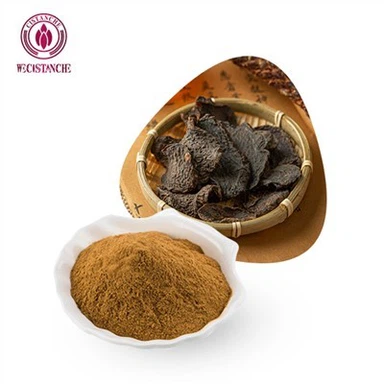
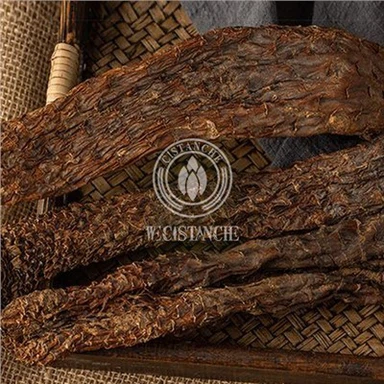
Cistanche tubulosa and Cistanche deserticola, renowned as "Ginseng of the Desert" and documented in the Shennong's Classic of Materia Medica, are classic herbal herbs for tonifying kidney-yang and replenishing essence and blood. They have been widely used to relieve kidney deficiency, muscle weakness and limb debilitation for thousands of years. Modern pharmacological studies confirm that Cistanche extract exerts anti-aging effects by regulating energy metabolism, inhibiting oxidative stress and improving neuromuscular function.
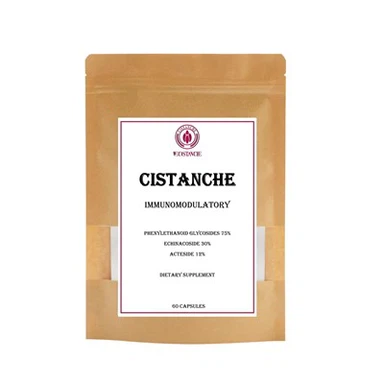
50% Echinacoside + 10% Acteoside Cistanche extract capsules

Supportive Service Of Wecistanche-For more details about cooperation
Email:wallence.suen@wecistanche.com
Acteoside (ACT, also named Verbascoside), one of the signature phenylethanoid glycosides in high-quality Cistanche extract, is verified to possess potent anti-inflammatory, antioxidant and mitochondrial protective properties. Prior studies have proven that acteoside can restore the balance between muscle protein synthesis and degradation to mitigate muscle atrophy. To further validate the efficacy and molecular mechanisms of high-acteoside Cistanche extract against sarcopenia, we conducted a systematic animal study using dexamethasone-induced sarcopenia mouse models. This article elaborates on the research findings and functional mechanisms, providing solid pharmacological evidence for the application of high-purity Cistanche extract rich in acteoside as a natural anti-sarcopenia herbal ingredient.

1. Materials & Experimental Methodology
1.1 Test Materials & Instruments
Core Active Ingredient: Acteoside (purity ≥98%, supplied by Jiangsu Yongjian). We focus on high-content Cistanche extract standardized with 50% Echinacoside + 10% Acteoside - a premium botanical ingredient with stable active compound content, strictly produced and tested in accordance with industrial extraction specifications (refer to https://www.xjcistanche.com/news/how-much-50-echinacoside-10-acteoside-ci-85239002.html for raw material cost, extraction ratio and quality control standards of high-spec Cistanche extract).
Reagents: Dexamethasone (5 mg/mL, Hainan Beite Pharmaceutical), Perindopril tert-butylamine tablets (commercial name: Accupril, 4 mg, Servier Tianjin), PAS staining kit (Beyotime), TNF-α ELISA kit and anti-MMP-9 antibody (Servicebio).
Testing Instruments: Blood glucose meter (Yuyue Medical), microplate reader (BioTeK, USA), BX53 microscopic imaging system (Olympus, Japan).
1.2 Animal Grouping & Modeling Protocol
A total of 50 six-week-old SPF-grade male C57BL/6 mice (body weight: 22±2 g) were enrolled in the experiment. All mice were raised under standardized conditions: ambient temperature (26±1) °C, humidity (50±10)%, 12-hour light/dark cycle, with free access to food and drinking water. The experiment was approved by the Animal Ethics Committee of Xinjiang Medical University (Ethics Approval No.: XH-2023-02-01).
The mice were randomly divided into 5 groups (10 mice per group) and treated via daily intragastric administration for 4 consecutive weeks:
Negative Control Group: Administered with normal saline;
Sarcopenia Model Group: Intraperitoneal injection of 5 mg/kg dexamethasone to induce muscle wasting;
Positive Control Group: 5 mg/kg dexamethasone + 0.37 mg/kg Perindopril tert-butylamine;
Low-Dose Acteoside Intervention Group: 5 mg/kg dexamethasone + 50 mg/kg Acteoside;
High-Dose Acteoside Intervention Group: 5 mg/kg dexamethasone + 100 mg/kg Acteoside.

1.3 Detection Indicators & Testing Methods
1.3.1 Glucose Tolerance Assessment
After 12 hours of fasting (water ad libitum) upon the final administration, tail vein blood was collected to detect fasting blood glucose (0 min). Subsequently, glucose was intraperitoneally injected at a dose of 2 g/kg, and blood glucose levels were measured at 30 min, 60 min, 90 min and 120 min post-injection. The area under the curve (AUC) of blood glucose was calculated to evaluate glucose tolerance and insulin sensitivity of skeletal muscle.

1.3.2 Serum TNF-α Detection (ELISA Method)
Two hours after glucose tolerance testing, mice were anesthetized with 2% pentobarbital sodium (3 μL/g). Eyeball blood was collected and centrifuged to separate serum. The concentration of tumor necrosis factor-α (TNF-α), a key pro-inflammatory factor, was quantified using the ELISA kit following the manufacturer's protocols.
1.3.3 Skeletal Muscle Glycogen Analysis (PAS Staining)
Gastrocnemius tissues from the left hind limb were harvested immediately after anesthesia and blood collection, fixed with 4% paraformaldehyde and prepared into 6 μm frozen sections. Periodic Acid-Schiff (PAS) staining was performed: sections were oxidized with 0.5% periodic acid, incubated with Schiff reagent in the dark, differentiated with acidic ethanol and counterstained with hematoxylin. Glycogen deposition in muscle fibers was observed under an optical microscope (glycogen presents as purple-red granules).
1.3.4 MMP-9 Protein Expression Detection (Immunohistochemistry)
Gastrocnemius tissues from the right hind limb were fixed, paraffin-embedded and cut into 4 μm sections. After deparaffinization, hydration and microwave antigen retrieval, endogenous peroxidase was blocked with 3% H₂O₂-methanol solution, and non-specific binding was sealed with 5% goat serum. Sections were incubated with goat anti-mouse MMP-9 primary antibody (dilution ratio 1:100, overnight at 4 °C) and HRP-conjugated secondary antibody. DAB color development and hematoxylin counterstaining were conducted to observe MMP-9 positive signals (yellow-brown granules) in muscle tissues.
1.4 Statistical Analysis
All experimental data were expressed as mean ± standard deviation (x±s). For normally distributed data, independent t-test was adopted for two-group comparison, and one-way ANOVA for multi-group comparison. Rank sum test was applied for data that failed normal distribution. The significance level was set at α=0.05.
2. Core Experimental Results
2.1 Acteoside Improves Insulin Resistance in Sarcopenia Mice in a Dose-Dependent Manner
Skeletal muscle is the primary tissue for glucose uptake and storage, responsible for approximately 80% of systemic glucose metabolism. Impaired glucose tolerance is a typical complication of sarcopenia and closely associated with insulin resistance.
Compared with the negative control group, the dexamethasone-induced model group showed significantly damaged glucose tolerance (P<0.01), with a remarkably increased AUC of blood glucose, indicating severe insulin resistance in skeletal muscle. After intervention with acteoside extracted from Cistanche, the glucose tolerance of mice was effectively restored: the high-dose acteoside group (100 mg/kg) achieved a more significant improvement than the low-dose group (50 mg/kg). This result proves that high-acteoside Cistanche extract can alleviate dexamethasone-induced insulin resistance and exert targeted protective effects on skeletal muscle.

2.2 Acteoside Inhibits Overexpression of Pro-Inflammatory Factor TNF-α
Chronic low-grade inflammation is a core driver of sarcopenia progression. The ELISA test results showed that the serum TNF-α level in the model group was markedly higher than that in the negative control group (P<0.01). Compared with the model group, both low-dose and high-dose acteoside interventions significantly reduced serum TNF-α concentration (P<0.01). There was no statistically significant difference between the acteoside intervention groups and the positive control group.
It is confirmed that acteoside from Cistanche can effectively suppress excessive inflammatory responses in sarcopenia models, cutting off the inflammatory cascade that accelerates muscle atrophy.
2.3 Acteoside Restores Glycogen Metabolism Homeostasis in Skeletal Muscle (PAS Staining)
PAS staining results demonstrated dramatic glycogen metabolism disorders in the model group: glycogen granules between muscle fibers were sharply reduced, with sparse purple-red staining and weakened color intensity.
After acteoside intervention, glycogen deposition density in muscle fibers increased obviously. The 100 mg/kg high-dose acteoside group showed glycogen distribution and staining intensity nearly equivalent to the negative control group, with intact continuous distribution of glycogen along myofibrils. This indicates that acteoside can regulate the activity of key enzymes in glycogen metabolism, reverse energy metabolism imbalance in atrophic muscle fibers, and replenish energy for skeletal muscle.
2.4 Acteoside Downregulates Abnormal MMP-9 Expression to Protect Muscle Fiber Structure
Matrix metalloproteinase-9 (MMP-9) is a critical enzyme mediating extracellular matrix remodeling. Immunohistochemical results revealed that MMP-9 protein was overexpressed and widely distributed in the gaps of muscle fibers in the model group, leading to excessive degradation of the extracellular matrix and destruction of muscle tissue structure.
Acteoside treatment reduced MMP-9 expression in a dose-dependent way. The positive signal intensity of MMP-9 in the high-dose acteoside group was significantly weakened, and its distribution pattern returned to normal levels. Compared with the positive control drug, high-dose acteoside exhibited higher specificity in regulating MMP-9 subcellular localization while maintaining the integrity of muscle fibers. This verifies that acteoside inhibits excessive extracellular matrix degradation mediated by MMP-9, stabilizes muscle fiber structure and delays muscle atrophy.

3. In-Depth Mechanism Analysis: How High-Acteoside Cistanche Extract Relieves Sarcopenia
This study is the first to systematically reveal the multi-target regulatory mechanisms of acteoside (the core active compound of premium Cistanche extract) against sarcopenia from four dimensions: glucose metabolism, inflammatory factors, muscle glycogen and extracellular matrix protein. Combined with existing pharmacological literature and industrial application experience of Cistanche extract, we summarize the complete action pathways as follows:
3.1 Regulate Glucose & Glycogen Metabolism to Reverse Insulin Resistance
Dexamethasone disrupts skeletal muscle energy metabolism by inhibiting GLUT4 translocation and glycogen synthase activity, resulting in insufficient energy supply for muscle cells and accelerated atrophy. The pro-inflammatory factor TNF-α can further impair glucose uptake of skeletal muscle by downregulating the PI3K/Akt signaling pathway and exacerbate insulin resistance.
Acteoside in high-purity Cistanche extract dual-regulates metabolic balance:
Suppress the secretion of TNF-α, block the inflammatory pathway that induces insulin resistance, and restore the insulin sensitivity of skeletal muscle;
Improve glycogen synthesis and deposition in muscle fibers, rebuild energy metabolism homeostasis of atrophic skeletal muscle, and enhance muscle cell vitality.
3.2 Inhibit TNF-α-Mediated Chronic Inflammation
TNF-α is a central mediator of inflammatory responses. It activates the NF-κB signaling pathway to accelerate muscle protein catabolism and aggravate muscle fiber shrinkage, forming a vicious cycle of "inflammation → muscle loss → worse inflammation" in sarcopenia.
As a natural anti-inflammatory phenylethanoid glycoside, acteoside effectively reduces serum TNF-α levels, suppresses the chronic low-grade inflammatory microenvironment in muscle tissues, cuts off the pathological pathway of inflammation-induced muscle degradation, and creates a healthy microenvironment for muscle repair.
3.3 Suppress MMP-9 Overexpression to Protect Extracellular Matrix & Muscle Structure
MMP-9 overexpression is closely correlated with the severity of sarcopenia. Excess MMP-9 degrades the basement membrane around muscle fibers, destroys the structural stability of skeletal muscle, and worsens muscle function decline. Meanwhile, MMP-9 activity is regulated by key signaling pathways such as PI3K-AKT-FOXO1, which are essential for muscle cell metabolism and survival.
High-content acteoside downregulates the abnormal expression of MMP-9, inhibits excessive degradation of the extracellular matrix, maintains the complete structure of muscle fibers, and indirectly optimizes the metabolic microenvironment of muscle cells. This mechanism perfectly explains why high-acteoside Cistanche extract can effectively reverse progressive muscle wasting.
3.4 Synergistic Advantages of High-Spec Cistanche Extract (50% Echinacoside + 10% Acteoside)
On the market, Cistanche extract standardized to 50% Echinacoside and 10% Acteoside is the mainstream high-purity specification for senior wellness and muscle health formulations. According to industrial extraction and cost analysis (https://www.xjcistanche.com/news/how-much-50-echinacoside-10-acteoside-ci-85239002.html), this high-content extract requires a raw material-to-extract ratio of 30:1 to 40:1, adopting professional processes including ethanol-water extraction, macroporous resin enrichment and gradient elution to ensure stable content of active compounds.
Echinacoside and Acteoside work synergistically: both possess anti-inflammatory, antioxidant and mitochondrial protective effects. While acteoside targets inflammation, extracellular matrix and glucose metabolism to relieve sarcopenia, echinacoside enhances the antioxidant capacity of muscle cells, reduces oxidative damage to muscle fibers caused by aging, and further strengthens the overall efficacy of Cistanche extract for muscle health. This synergistic effect makes high-spec Cistanche extract an ideal natural herbal raw material for developing anti-sarcopenia dietary supplements.
4. Discussion & Industrial Application Prospects
4.1 Advantages of Cistanche & Acteoside as Natural Anti-Sarcopenia Ingredients
Compared with synthetic chemical drugs, high-acteoside Cistanche extract has prominent strengths for sarcopenia intervention:
Multi-target synergism: Regulate inflammation, glucose metabolism and extracellular matrix simultaneously, matching the complex multi-pathway pathological characteristics of sarcopenia;
High safety: Derived from natural herbal Cistanche, with low side effects and good tolerance for long-term use by the elderly;
Cultural & theoretical support: Align with the traditional Chinese medicine theory of "tonifying kidney and strengthening tendons", realizing the modern interpretation of traditional herbal efficacy.
The dexamethasone-induced acute muscle atrophy model adopted in this study is the most widely recognized modeling method for sarcopenia research. The experimental results fully prove the definite efficacy of acteoside, and provide a reliable research basis for subsequent verification in natural aging sarcopenia models.

4.2 Quality Reminders for Purchasing High-Content Cistanche Extract
As the market demand for anti-sarcopenia herbal ingredients rises, many suppliers offer low-priced products claiming "50% Echinacoside + 10% Acteoside Cistanche extract". Combined with industrial cost accounting: the raw material cost alone of qualified high-spec extract exceeds USD 280/kg, so products priced below USD 200/kg are likely to have diluted active content or adopt inaccurate testing methods (e.g., using UV total glycosides to replace HPLC detection for monomer content).
For supplement formulators and buyers, please strictly verify the following quality indicators when sourcing:
Testing method: Echinacoside and Acteoside must be detected via HPLC (330 nm), complying with pharmacopoeia standards; reject products only labeled with UV detection data;
Batch COA & chromatogram: Request batch-specific HPLC reports and chromatograms to confirm the actual content of active compounds;
Extraction process: Prioritize products adopting ethanol-water extraction + macroporous resin enrichment technology to ensure stable and pure active ingredients.
4.3 Future Research & Application Directions
Current research has clarified the macroscopic efficacy and primary mechanisms of acteoside against sarcopenia. Further in-depth exploration is still needed: exploring whether acteoside regulates the transcription of TNF-α and MMP-9 by inhibiting NF-κB nuclear translocation, and studying its regulatory effects on oxidative stress and autophagy pathways. In the future, long-term efficacy and safety tests will be carried out on natural aging sarcopenia models to accelerate the clinical transformation of high-acteoside Cistanche extract.
In the field of industrial application, high-purity Cistanche extract rich in Echinacoside and Acteoside can be widely used in:
Oral supplements for the elderly (capsules, tablets, powder blends) targeting age-related muscle loss and physical weakness;
Functional nutritional formulas for rehabilitation crowds with muscle atrophy;
Compound herbal wellness products for improving physical strength and anti-aging.
5. Conclusion
Sarcopenia is a common age-related muscle disorder that threatens the health and quality of life of the elderly. High-quality Cistanche extract standardized with 50% Echinacoside and 10% Acteoside, as a natural herbal ingredient, alleviates sarcopenia through three core pathways:
Inhibit the over-secretion of pro-inflammatory factor TNF-α and block chronic inflammatory damage to skeletal muscle;
Downregulate abnormal MMP-9 expression, prevent excessive degradation of muscle extracellular matrix, and protect the structural integrity of muscle fibers;

Improve skeletal muscle glycogen metabolism and insulin resistance, restore energy supply of muscle cells, and reverse muscle atrophy.
The multi-target, high-safety characteristics of acteoside and echinacoside make high-spec Cistanche extract a promising natural raw material for developing anti-sarcopenia herbal remedies and dietary supplements. For practitioners and buyers in the herbal extract and nutritional supplement industries, selecting qualified high-content Cistanche extract with complete HPLC testing reports is the key to ensuring product efficacy and market credibility.
Full References
[1] ROSENBERG I H. Sarcopenia: origins and clinical relevance[J]. J Nutr, 1997, 127(5 Suppl): 990S-991S. [2] YANG L J, WU G H, YANG Y L, et al. Nutrition, physical exercise, and the prevalence of sarcopenia in elderly residents in nursing homes in China[J]. Med Sci Monit, 2019, 25: 4390-4399. [3] Yang L, Du J, Liu R Y, et al. Research status and prospect of etiology of sarcopenia[J]. Chinese Journal of Osteoporosis, 2020, 26(11): 1689-1693. [4] ASLAM M A, MA E B, HUH J Y. Pathophysiology of sarcopenia: Genetic factors and their interplay with environmental factors[J]. Metabolism, 2023, 149: 155711. [5] Wang M J, Hu D J. Research progress on drug therapy for elderly maintenance hemodialysis patients with sarcopenia[J]. Chinese and Foreign Medical Research, 2021, 19(19): 185-188. [6] Lai J X, Liu K R. Research progress of dietary intervention experimental models[J]. Chinese Journal of Convalescent Medicine, 2025, 34(1): 92-95. [7] GAGLIANO-JUCÁ T, BASARIA S. Testosterone replacement therapy and cardiovascular risk[J]. Nat Rev Cardiol, 2019, 16(9): 555-574. [8] Li J H, Cao J. Chronic heart failure and sarcopenia[J]. Chinese Journal of Practical Internal Medicine, 2022, 42(8): 623-625. [9] Pan Y, Kong Y Q, Wang X Y, et al. Analysis of the treatment ideas of sarcopenia based on "smooth circulation of original qi in five zang-organs"[J]. Journal of Personalized Medicine, 2024, 3(4): 1448-1456. [10] SPERANZA L, FRANCESCHELLI S, PESCE M, et al. Antiinflammatory effects in THP-1 cells treated with verbascoside[J]. Phytother Res, 2010, 24(9): 1398-1404. [11] Wang L, Zhang S B, Lv X, et al. Neuroprotective effect of total Cistanche glycosides on cerebral ischemia-reperfusion injury in rats via PI3K-Akt signaling pathway[J]. Chinese Journal of Stroke, 2024, 19(11): 1321-1332. [12] Huang W J, Xie X L, Sheng Y M. Research progress on pharmacological effects and preparation development of acteoside[J]. Chinese Traditional and Herbal Drugs, 2024, 55(23): 8256-8268. [13] Lu F X, Li J, Zhou X J, et al. Establishment of mouse sarcopenia model induced by dexamethasone[J]. Chinese Journal of Gerontology, 2016, 36(22): 5542-5544. [14] Zhang J L, Kong L J, Li X, et al. Brief analysis of the mechanism of TNF-α in the occurrence and development of sarcopenia[J]. Chinese Journal of Osteoporosis, 2024, 30(9): 1367-1371. [15] KAMIYA M, MIZOGUCHI F, YASUDA S. Amelioration of inflammatory myopathies by glucagon-like peptide-1 receptor agonist via suppressing muscle fibre necroptosis[J]. J Cachexia Sarcopenia Muscle, 2022, 13(4): 2118-2131. [16] CHEN Y W, YE J W, CAO L Z, et al. Myostatin regulates glucose metabolism via the AMP-activated protein kinase pathway in skeletal muscle cells[J]. Int J Biochem Cell Biol, 2010, 42(12): 2072-2081. [17] KIM Y, PARK S, LEE J, et al. Essential amino acid-enriched diet alleviates dexamethasone-induced loss of muscle mass and function through stimulation of myofibrillar protein synthesis and improves glucose metabolism in mice[J]. Metabolites, 2022, 12(1): 84. [18] FURTADO G E, NARICI M V, DWOLATZKY T. Editorial: Molecular and physiological aspects of sarcopenia in the older person: mechanisms, diagnostics and therapy[J]. Front Med, 2024, 10: 1330893. [19] XU C C, FENG C, HUANG P Q, et al. TNFα and IFNγ rapidly activate PI3K-AKT signaling to drive glycolysis that confers mesenchymal stem cells enhanced anti-inflammatory property[J]. Stem Cell Res Ther, 2022, 13(1): 491. [20] Wang S W, Yao X S, Qi X N, et al. Clinical significance and diagnostic value of mitochondrial-related proteins IGF-1, MMP-9 and PKM in patients with osteoporosis[J]. Journal of Chongqing Medical University, 2025, 50(12): 1723-1728. [21] Ouyang T L, Wu Z J, Zhong J C. Research progress of MMP-2 and MMP-9 in skeletal muscle tissue[J]. Chinese Bulletin of Life Sciences, 2021, 33(10): 1286-1295. [22] Kong Y H, Liu X B, Chang B. Study on the mechanism of Astragalus polysaccharide alleviating muscle atrophy in diabetic sarcopenia rats[J]. Tianjin Journal of Traditional Chinese Medicine, 2024, 41(1): 106-110. [23] WESSNER B, LIEBENSTEINER M, NACHBAUER W, et al. Age-specific response of skeletal muscle extracellular matrix to acute resistance exercise: a pilot study[J]. Eur J Sport Sci, 2019, 354-364. [24] Industrial analysis of high-content Cistanche extract: https://www.xjcistanche.com/news/how-much-50-echinacoside-10-acteoside-ci-85239002.html