Research Progress Of Total Glycosides Of Cistanche In The Treatment Of Osteoporosis
Sep 18, 2025
Li Qiang11, Sun Yihong2,32,3, Huo Jiaojiao11, Li Hao11, Lyu Xue11, Jia Jianxin2,3∗2,3∗
(1. Graduate School of Baotou Medical College, Inner Mongolia University of Science and Technology, Baotou 014040, Inner Mongolia, China; 2. Department of Human Anatomy, Baotou Medical College, 3. Key Laboratory of Human Anatomy at Universities of Inner Mongolia Autonomous Region, Baotou 014040, Inner Mongolia, China)
Abstract: Glycosides of cistanche (GCs), as a natural active substance extracted from Cistanche, show good application prospects in the treatment of osteoporosis (OP). This article reviews the research on the mechanisms by which GCs improve OP. In terms of antioxidant effects, GCs possess antioxidant functions, can scavenge free radicals in the body, and reduce oxidative stress damage to bones. GCs can inhibit the release of inflammatory mediators, reduce the level of inflammatory response, thereby alleviating the inflammatory response in OP. GCs can promote osteoblast proliferation and differentiation, inhibit osteoclast activity, increase bone density, and reduce fracture risk. Furthermore, GCs can directly or indirectly affect osteoblast and osteoclast activity and regulate bone metabolism in vivo by regulating sex hormone levels, balancing calcium and phosphorus metabolism, etc. GCs can regulate bone metabolism in vivo by modulating signaling pathways such as osteoprotegerin (OPG)/receptor activator of nuclear factor-κB ligand (RANKL)/receptor activator of nuclear factor-κB (RANK), Wnt/β-catenin, thereby inhibiting bone resorption and promoting bone formation. GCs have shown good therapeutic effects in the clinical application for OP, with good safety and tolerability. GCs have significant therapeutic effects and broad application prospects in improving OP. In-depth research on the pharmacological mechanism of GCs is of great significance for finding safe and effective innovative drugs for the treatment of OP.
Keywords: Osteoporosis; Glycosides of Cistanche; Bone metabolism
Chinese Library Classification Number: R589.5
Document Code: A
Fund Project: National Natural Science Foundation of China (82360264); Inner Mongolia Autonomous Region Higher Education Institution Innovation Team Development Plan (NMGIRT2328) Author Introduction: Li Qiang (1994-), male (Han), from Chifeng, Inner Mongolia, master's student, research direction: prevention and treatment of central nervous system degenerative diseases.
Corresponding Author: Jia Jianxin (1981-), male (Han), from Hohhot, Inner Mongolia, professor, master's supervisor, Ph.D., research direction: prevention and treatment of central nervous system degenerative diseases. E-mail: jiajianxindx@163.com.
LI Qiang11, SUN Yi-hong2,32,3, HUO Jiao-jiao11, LI Hao11, LYU Xue11, JIA Jian-xin2,3∗2,3∗
( 1. Inner Mongolia University of Science and Technology, Graduate School of Baotou Medical College, Baotou 014040, China; 2. Department of Human Anatomy, Baotou Medical College, 3. Key Laboratory of Human Anatomy at Universities of Inner Mongolia Autonomous Region, Baotou 014040, China)
Abstract: Glycosides of cistanche (GCs), as a natural active substance extracted from cistanche, show promising applications in the treatment of osteoporosis (OP). In this paper, we reviewed the studies on the mechanisms related to the improvement of OP by GCs. In terms of antioxidant effects, GCs have antioxidant functions, which can scavenge free radicals in the body and reduce the damage of oxidative stress on bones. GCs can inhibit the release of inflammatory mediators and reduce the level of inflammatory response, thus reducing the inflammatory response in OPGCs can promote the proliferation and differentiation of osteoblasts, inhibit osteoclast activity, increase bone density and reduce the risk of fracture. In addition, GCs can directly or indirectly affect osteoblast and osteoclast activity and regulate bone metabolism in vivo by regulating sex hormone levels, regulating the balance of calcium and phosphorus metabolism, etc. GCs can regulate bone metabolism in vivo by regulating the level of osteoprotegerin (OPG)/receptor activator of nuclear factor-κB ligand (GCs). OPG/receptor activator of nuclear factor-κB ligand (RANKL)/receptor activator of nuclear factor-κB (RANK), Wnt/β-catenin and other signaling pathways, which inhibit bone resorption and promote bone formation. GCs have been shown to have a GCs have shown good therapeutic effects in the treatment of OP, and have good safety and tolerability. GCs have significant therapeutic effects and broad application prospects in improving OP, and in-depth research on the pharmacological mechanism of GCs is of great significance, with a view to finding innovative drugs that are safe and effective in the treatment of OP.
Key words: Osteoporosis ; Glycosides of cistanche; Bone metabolism
High Content Cistanche Extract For Treating Bone Disease
OP is a common bone disease [1,2], and its most serious complication is osteoporotic fracture. It is characterized by progressive bone loss, destruction of bone microstructure, and increased bone fragility [3,4]. OP not only affects the patient's quality of daily life but may also be life-threatening in the most severe cases. OP is divided into primary and secondary types. Primary OP is mostly related to factors such as age, gender, and genetics, while secondary OP is mostly caused by other diseases or medications. The incidence of OP gradually increases with age, being more prevalent especially in the elderly population. The seventh national census showed that people aged 60 and above account for 18.7% of the total population, approximately 264 million [5]. With the intensification of population aging, the prevention and treatment of OP have become urgent issues in the field of public health. In addition, including genetic factors, lifestyle (such as lack of exercise, smoking, excessive alcohol consumption, etc.), nutritional status (such as insufficient intake of calcium and vitamin D), and certain diseases and medications (such as diabetes, hyperthyroidism, use of glucocorticoids, etc.) may all increase the risk of osteoporosis [6,7]. Currently, the treatment methods for OP mainly include drug therapy, lifestyle intervention, and surgical treatment [8]. Drug therapy primarily involves supplementing calcium agents, vitamin D, and hormone drugs, aiming to increase bone density and reduce fracture risk [9]. Lifestyle intervention improves patients' quality of life by changing dietary habits, increasing exercise, quitting smoking, and limiting alcohol. For patients with high fracture risk, surgical treatment (such as vertebroplasty, etc.) is also an important treatment method. Although traditional drug therapies have certain effects in the treatment of osteoporosis, long-term use is prone to side effects. Therefore, developing natural active substances from plants to prevent and treat OP has become a research hotspot in recent years.
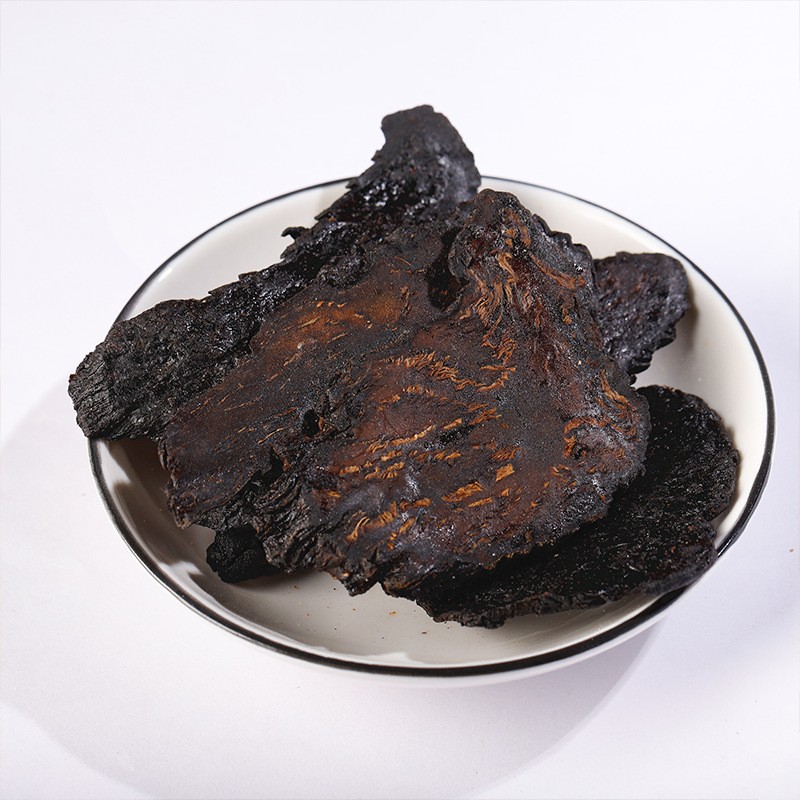
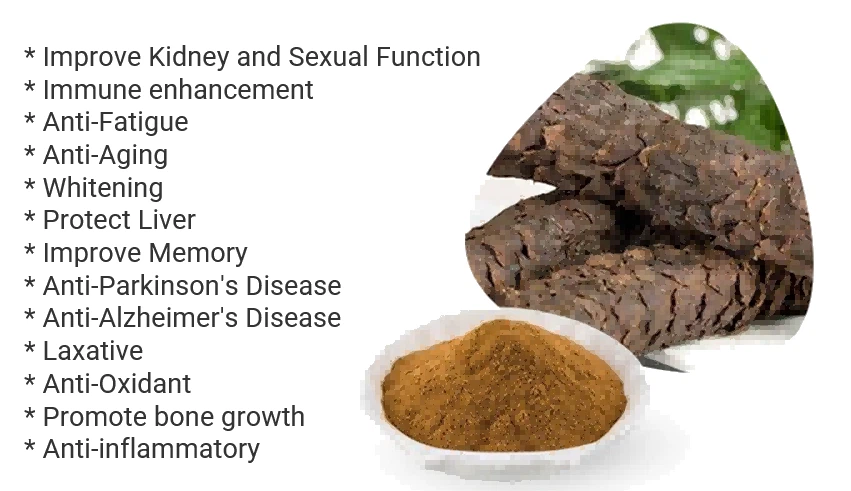
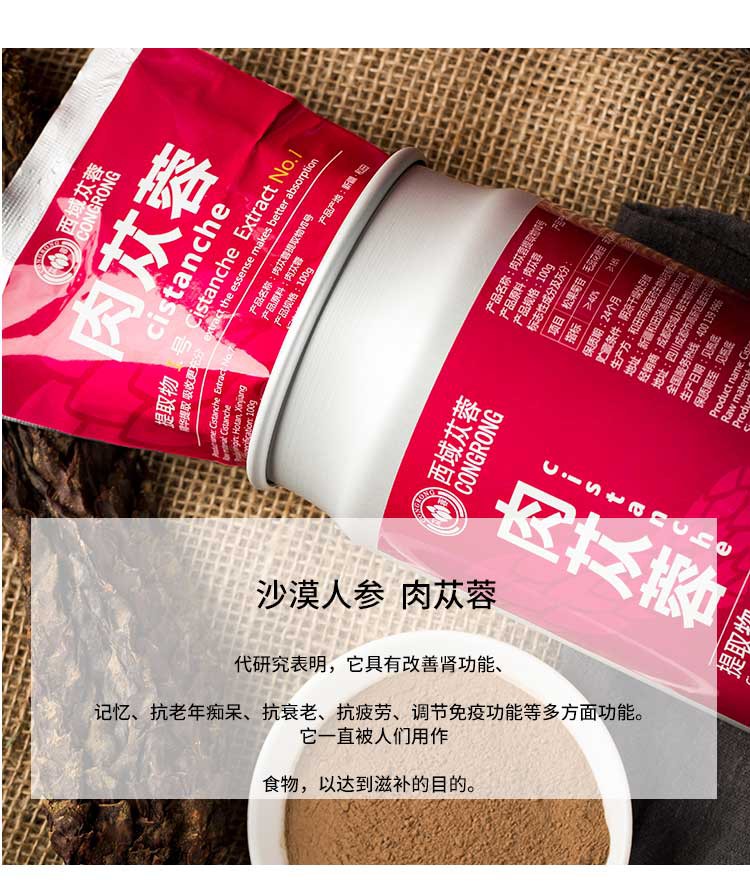
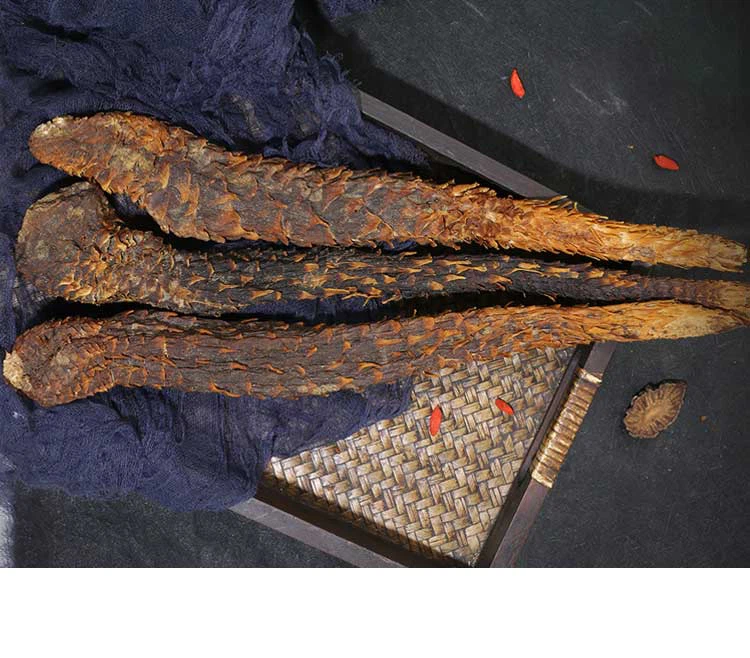
Cistanche is a precious Chinese medicinal material, a plant belonging to the genus Cistanche in the Orobanchaceae family. It is mainly distributed in desert areas of Northwest China and is known as "desert ginseng" [10]. Cistanche has extremely high medicinal value, and its roots and stems are rich in various bioactive substances [11]. In traditional Chinese medicine, Cistanche is regarded as an excellent product for tonifying the kidney and strengthening Yang. It has good therapeutic effects on symptoms such as kidney Yang deficiency and deficiency of essence and blood [12]. Cistanche also has the effects of strengthening tendons and bones and improving immunity. It can promote bone growth, increase bone density, and has good improving effects on symptoms such as osteoporosis and fractures [13,14]. GCs are the main active components of Cistanche, mainly including phenylethanoid glycosides, lignans and their glycosides, sugars, and volatile components [15]. This article reviews the mechanisms by which GCs improve osteoporosis, hoping to provide new ideas and methods for the prevention and treatment of OP.
1 Main Mechanisms of GCs in Improving OP
1.1 Antioxidant Effect
Relevant studies have shown that Cistanche deserticola polysaccharides have strong antioxidant functions in D-galactose-induced subacute aging model mice [16,17]. Furthermore, administering Cistanche deserticola polysaccharides by gavage to aging model mice increased the expression levels of glutathione peroxidase (GSH-Px) and superoxide dismutase (SOD) in the lung tissue of the aging model mice to varying degrees, decreased the expression level of malondialdehyde (MDA), reduced collagen content, and increased elastic protein content, indicating that Cistanche deserticola polysaccharides have antioxidant and anti-pulmonary fibrosis effects [18-21].
1.2 Anti-inflammatory Effect
GCs can inhibit the release of inflammatory mediators (such as prostaglandins, leukotrienes) through various pathways [22,23]. These inflammatory mediators play an important role in the pathogenesis of osteoporosis. Excessive release of inflammatory mediators can lead to aggravated inflammatory responses, thereby worsening the condition of osteoporosis. Studies have shown that GCs can significantly reduce inflammatory markers in the blood of osteoporosis patients, such as nitric oxide (NO) and interleukin-6 (IL-6) [24,25]. High levels of these inflammatory markers usually reflect a systemic inflammatory response state, and the reducing effect of GCs helps alleviate the inflammatory response in patients and improve their overall condition. By inhibiting the release of inflammatory mediators and reducing the level of inflammatory response, GCs have a positive impact on the inflammatory response in osteoporosis. Therefore, GCs have potential medicinal value in the treatment of osteoporosis.
1.3 Bone Metabolism Regulation Effect
The dynamic balance between osteoblasts (OB) and osteoclasts (OC) is crucial for maintaining continuous renewal of bone tissue and preservation of bone mass. Reduced osteogenic ability and accelerated bone resorption are the basic pathological basis of OP. Therefore, promoting osteoblast proliferation and differentiation, improving osteoblast function, and regulating bone remodeling are of great significance for the treatment of OP [26]. In the medical field, GCs are widely used in the treatment and prevention of various diseases such as osteoporosis, arthritis, and cardiovascular diseases. GCs can promote bone formation, inhibit bone resorption, increase bone density, and reduce fracture risk, making them particularly effective for the treatment of osteoporosis. Zhang Yuequan et al. [27] administered different doses of Cistanche to rapidly aging osteoporosis model mice and found that the bone mineral density (BMD) of the right femur and bone morphogenetic protein-2 (BMP-2) were highly expressed in both the high-dose and low-dose groups. The serum bone gla-protein (BGP) level in the high-dose group was lower than that in the low-dose group, indicating that Cistanche has a positive effect on the proliferation of OB. Studies have shown [28] that in rats with bilateral ovariectomy, the serum content of interleukin-1β (IL-1β) decreased while the content of transforming growth factor-β1 (TGF-β1) increased in the model group. The bone density in the mid-femur of rats in the administration group was significantly improved; there was more bone mass in the callus, the trabeculae were regular and thick, the callus remodeling was good, and there were no obvious fracture lines, indicating that Cistanche extract has the effect of inhibiting bone loss and promoting the healing of osteoporotic fractures. Luo Demei et al. [29] found that Cistanche extract could reduce the expression of IL-1β and tumor necrosis factor-α (TNF-α) in M-Koops osteoporosis model mice.
expression, this finding suggests that Cistanche extract has anti-osteoporotic effects.
1.4 Other Potential Effects
Modern pharmacological studies have confirmed that most kidney-tonifying drugs have a certain degree of excitatory effect on the Hypothalamic-Pituitary-Gonadal (HPG) axis. The HPG axis plays a key role in regulating bone metabolism by modulating the secretion of sex hormones, thus becoming an important therapeutic target for the treatment and control of OP. The hypothalamus, as the intersection of the endocrine and nervous systems, finely regulates pituitary function through the synthesis and secretion of various hormone-releasing factors and inhibitory factors. The aforementioned factors, such as Gonadotropin-releasing hormone (GnRH), can regulate the HPG axis, thereby modulating the secretion of sex hormones (such as estrogen, testosterone, etc.). Estrogen and androgen are closely related to bone metabolism. Studies have shown that androgen can increase bone matrix, promote calcium and phosphorus deposition and protein synthesis. It can act directly on osteoblasts or be converted into estrogen to act indirectly [30]. Androgen deficiency is one of the reasons affecting bone remodeling [31,32]. Estrogen promotes the maturation and differentiation of osteoblasts. Estrogen deficiency affects the secretion of OPG by osteoblasts [33] and is a major factor affecting osteoblast maturation and differentiation. It can inhibit the activation, differentiation, and fusion of osteoblasts and promote osteoblast apoptosis [34,35]. The pathological mechanism of bone loss after estrogen deficiency is also believed to be related to the activation of bone resorption immune factors and the promotion of osteoblast generation of bone resorption factors. Under estrogen deficiency, blood calcium reduction can occur due to vitamin D antagonism or directly caused intestinal calcium absorption disorder. Cistanche can directly or indirectly affect osteoblast and osteoclast activity, regulate bone metabolism in vivo, and thus play a role in preventing and treating osteoporosis by increasing sex hormone levels and regulating the balance of calcium and phosphorus metabolism [36,37]. Additionally, long-term vitamin D deficiency can cause secondary hyperparathyroidism, thereby promoting bone loss and further leading to the formation of osteoporosis [38,39].
2 Main Signaling Pathways in OP
The OPG/RANKL/RANK signaling pathway plays a crucial role in bone metabolism and is a key mechanism regulating the interaction between osteoblasts and osteoclasts, affecting bone remodeling [40-43]. Among them, RANKL is expressed by OB and activated T lymphocytes, while RANK is expressed on OC and their precursor cells. OPG is a glycoprotein secreted by OB that can bind to RANKL, blocking the interaction between RANKL and RANK. RANKL, as the ligand for RANK, can activate signal transduction pathways within OC after binding. This binding process is regulated by various factors, including cytokines and hormones secreted by OB. After RANK is activated, it triggers the recruitment of various binding proteins to initiate signal cascades within the cytoplasm, mainly including the activation of pathways such as nuclear factor κB
(nuclear factor κB, NF-κB), c-Jun N-terminal kinase (JNK), etc., thereby promoting the differentiation, maturation, and activation of OC. The high-affinity OPG protein binds to RANKL, blocking the interaction between RANKL and RANK [44]. This process can inhibit the generation and activation of OC, reduce bone resorption, and thus balance bone metabolism. The OPG/RANKL/RANK signaling pathway is one of the main pathways affecting bone metabolism and also serves as a signaling channel for the interaction between OB and OC.
The Wnt/β-catenin signaling pathway plays an important role in various physiological processes and is considered closely related to OP. Wnt in the pathway is a secreted glycoprotein, and its signal transduction is mainly divided into the classical β-catenin-dependent pathway and several non-classical pathways, such as the Ca²⁺ pathway and the planar cell polarity (PCP) pathway [45]. Studies have shown that the Wnt/β-catenin signaling pathway promotes osteoblast differentiation and accelerates fracture healing by directly upregulating the expression of Runt-related transcription factor 2 (Runx2) [46]. In the prevention and treatment of OP, this pathway plays an important role in promoting bone formation by promoting osteoblast differentiation. Relevant experimental studies have shown that activating the Wnt/β-catenin pathway can increase bone mass, and the mechanism is achieved by stimulating osteoblastic bone formation and inhibiting bone resorption [47]. Furthermore, the bone anabolic effect of parathyroid hormone (PTH) is partially mediated by activating the Wnt/β-catenin pathway [48]. It has been confirmed that the Wnt/β-catenin signaling pathway plays a key role in the osteogenic differentiation of bone marrow mesenchymal stem cells [49]. Additionally, various factors can directly or indirectly affect the osteogenic differentiation of bone marrow mesenchymal stem cells by mediating the Wnt/β-catenin signaling pathway. This influence may manifest as positive promotion or negative inhibition, or interactions between factors forming regulatory loops [50].