Is Your Kidney Health At Risk? How Cistanche Tubulosa Provides Natural Renoprotection
Jul 03, 2026
Your kidneys are silent workhorses. Each day, they filter roughly 150 liters of blood, removing waste products, balancing electrolytes, and regulating blood pressure-all without a whisper of complaint. Because they have such a large functional reserve, damage can accumulate for years before symptoms appear. By the time serum creatinine rises or urine protein shows up on a lab test, a significant portion of kidney function may already be lost. This slow, creeping threat is particularly relevant for the millions of adults living with hypertension, type 2 diabetes, or chronic use of over-the-counter pain relievers-all conditions that exert a constant oxidative and inflammatory burden on the delicate filtration units of the kidneys. While conventional management focuses on controlling blood pressure and blood sugar, an ancient desert tonic, Cistanche tubulosa, is being investigated for its ability to directly protect kidney tissue from the cellular damage that drives nephropathy.

The Quiet Drivers of Kidney Decline
The functional unit of the kidney is the nephron, and at the core of each nephron lies a microscopic tuft of blood vessels called the glomerulus. This is where blood filtration happens. Podocytes are specialized cells that wrap around these capillaries, forming slit diaphragms that allow water and small solutes to pass while retaining proteins. When podocytes are injured or lost, the filtration barrier becomes leaky, and albumin begins spilling into the urine-a condition called proteinuria. Proteinuria is not just a marker of kidney damage; it is itself toxic to the renal tubules and accelerates the decline toward end-stage renal disease.
Oxidative stress is a unifying mechanism behind podocyte injury. High blood sugar, elevated pressure within the glomeruli, and nephrotoxic drugs all generate an excess of reactive oxygen species (ROS) within kidney tissue. These free radicals damage podocyte membranes, disrupt mitochondrial function, and trigger apoptosis. At the same time, pro-inflammatory cytokines and the pro-fibrotic master switch TGF-β1 become chronically activated, promoting the accumulation of scar tissue (renal fibrosis) that replaces functional nephrons. An ideal renoprotective agent would therefore combine three properties: it would neutralize oxidative stress at the glomerular level, it would suppress the inflammatory signals that drive fibrosis, and it would directly support the survival and function of podocytes.
How Cistanche Tubulosa Protects the Kidneys
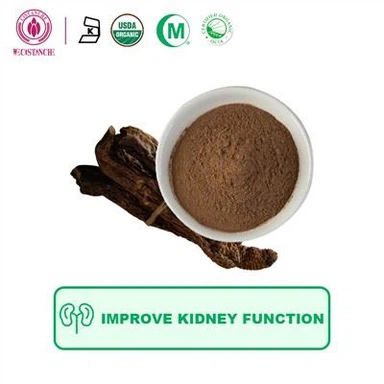
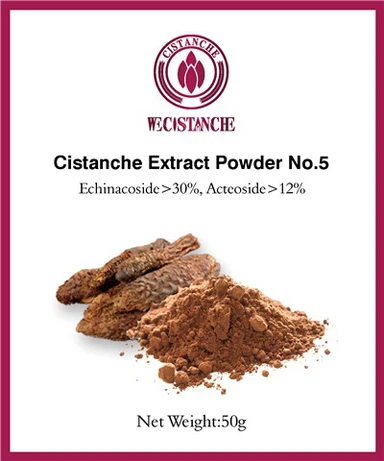
Cistanche tubulosa extract, rich in echinacoside and acteoside, has shown precisely these renoprotective properties in a growing body of preclinical research. A study published in Phytomedicine investigated the effects of echinacoside in a rat model of diabetic nephropathy-the leading cause of end-stage renal disease worldwide. Diabetic rats were treated with echinacoside for eight weeks. The results were striking: echinacoside significantly reduced proteinuria, lowered serum creatinine and blood urea nitrogen (BUN), and preserved glomerular structure compared to untreated diabetic controls. Histological examination revealed markedly less mesangial expansion and podocyte foot process effacement-the ultrastructural hallmarks of diabetic kidney damage.
Mechanistically, echinacoside activated the Nrf2/HO-1 antioxidant signaling pathway, the body's master defense against oxidative stress. By upregulating this pathway, it increased the kidney's endogenous antioxidant capacity-boosting enzymes like heme oxygenase-1 and superoxide dismutase-while simultaneously suppressing the NF-κB inflammatory cascade. This dual action reduced the oxidative and inflammatory assault on podocytes, allowing these fragile cells to maintain their intricate architecture. Furthermore, echinacoside downregulated TGF-β1 expression, directly interfering with the fibrotic signals that convert healthy kidney tissue into non-functional scar.
Acteoside, the other major phenylethanoid glycoside in Cistanche tubulosa, has shown complementary renoprotective effects in models of drug-induced kidney injury. In a study on gentamicin nephrotoxicity-a well-established model mimicking the kind of kidney damage seen with certain antibiotics and other pharmaceuticals-acteoside attenuated the rise in serum creatinine and prevented tubular necrosis. It functioned as both a free radical scavenger and a mitochondrial stabilizer, preserving ATP production in stressed renal tubular cells. A comprehensive open-access review published in Frontiers in Pharmacology in 2022 systematically summarized these renoprotective activities, highlighting the ability of Cistanche tubulosa compounds to counter oxidative stress, inflammation, and fibrosis in kidney tissue.

Traditional Wisdom and Modern Parallels
In traditional Chinese medicine, Cistanche has been classified for over two millennia as a primary tonic for "nourishing the kidneys." The term "kidney" in this classical framework encompasses not only the anatomical organ but a broader functional system governing fluid metabolism, bone health, and foundational vitality. The herb was specifically prescribed for symptoms we would now associate with renal insufficiency: edema, low back pain, and a deep fatigue that worsened with age or illness. Modern pharmacology has now revealed the molecular underpinnings of this ancient observation: the active glycosides in Cistanche protect the glomerular filtration barrier, preserve tubular function, and combat the fibrotic remodeling that erodes kidney performance over time.
Integrating Cistanche into a Kidney-Supportive Lifestyle
Protecting the kidneys is a long-term commitment that begins long before lab values become abnormal. For individuals with risk factors-hypertension, diabetes, a family history of kidney disease, or chronic use of nephrotoxic medications-a daily dose of 300–600 mg of a standardized Cistanche tubulosa extract can provide consistent antioxidant and anti-inflammatory support. It works best as part of a comprehensive approach: maintaining healthy blood pressure, controlling blood sugar, staying well-hydrated, and moderating dietary sodium and protein intake.
The extract does not replace prescription medications like ACE inhibitors or SGLT2 inhibitors, which have proven renoprotective effects in clinical trials. Rather, it serves as an additional, complementary layer-addressing the oxidative and fibrotic pathways that these drugs do not fully target. When selecting a product, a certificate of analysis verifying echinacoside and acteoside content is essential. Our RenalGuard Cistanche Extract is manufactured from authentic Cistanche tubulosa and standardized to deliver research-grade potency, ensuring that each serving contributes to the daily defense of your kidneys.
Safety and Realistic Expectations
Cistanche tubulosa has an extensive history as a food-grade tonic and is well tolerated. The Natural Medicines Database notes its favorable safety profile at standard supplemental doses. However, if you have established chronic kidney disease, acute kidney injury, or are on dialysis, it is imperative to consult your nephrologist before adding any supplement, as the metabolism and dosing may need adjustment. This botanical is best used as a preventive and supportive tool, not as a rescue therapy for advanced disease. For the millions who carry risk factors and want to keep their silent workhorses healthy for a lifetime, Cistanche offers a gentle, science-informed strategy.
Supportive Service Of Wecistanche-For more details about cooperation
Business contact: goujinsong@wecistanche.com