Worried About Memory Slips? How Cistanche Tubulosa Supports Cognitive Longevity
Jun 25, 2026
You walk into a room and forget why. A name sits on the tip of your tongue but refuses to surface. For many people over 55, these moments trigger a quiet fear: is this normal aging, or the first sign of something worse? Age-related cognitive decline is a spectrum, and while genes play a role, research increasingly shows that targeted nutritional strategies can influence the trajectory. Among the most compelling natural candidates is Cistanche tubulosa, a desert herb with a remarkable affinity for the aging brain.
The Biological Roots of Memory Decline
Memory formation depends on acetylcholine, a neurotransmitter that relays signals between neurons. As the brain ages, levels of acetylcholinesterase (AChE)-the enzyme that breaks down acetylcholine-tend to rise, creating a deficit in cholinergic signaling. This is the same mechanism targeted by prescription drugs for Alzheimer's disease, which inhibit AChE to preserve acetylcholine levels. However, another culprit operates simultaneously: the accumulation of amyloid-beta plaques and tau tangles, which are toxic to neurons and disrupt synaptic communication.
Aging also dampens neuroplasticity-the brain's ability to form new synaptic connections. This is modulated by brain-derived neurotrophic factor (BDNF), a protein that promotes the survival of existing neurons and encourages the growth of new ones. Maintaining robust BDNF signaling and keeping AChE in check are two critical pillars for preserving memory with age.

How Cistanche Tubulosa Addresses Multiple Pathways
Cistanche tubulosa extract contains high concentrations of echinacoside, a phenylethanoid glycoside that has been studied extensively for its neuroprotective properties. In multiple animal models of cognitive impairment, echinacoside has been shown to significantly improve learning and memory performance. One key mechanism is its ability to inhibit AChE activity in the hippocampus-the brain region central to memory consolidation. By slowing the breakdown of acetylcholine, it helps maintain the cholinergic tone necessary for focus and recall.
More impressively, echinacoside appears to combat amyloid pathology. Research published in Phytomedicine demonstrated that echinacoside could reduce the aggregation of amyloid-beta proteins and protect neurons from amyloid-induced toxicity. The compound also suppresses oxidative stress and mitochondrial dysfunction in neuronal cells, both of which are heightened in the aging brain. (PubMed on echinacoside neuroprotection) Importantly, echinacoside can cross the blood-brain barrier, a critical requirement for any compound intended to act directly on brain tissue.
Additionally, studies suggest that Cistanche extracts can upregulate BDNF levels and promote synaptic plasticity. This was observed in a rodent model of cerebral ischemia, where treatment with Cistanche phenylethanoid glycosides increased BDNF expression and improved functional recovery. While human clinical trials on Cistanche for dementia prevention are still pending, the mechanistic portfolio is unusually broad and aligns with multiple therapeutic targets sought by neurologists.
From Traditional Tonic to Modern Nootropic
Cistanche tubulosa has been classified as a "superior herb" in traditional Chinese medicine for over a thousand years, specifically recommended for the elderly to "strengthen the bones and sinews, sharpen the mind, and prolong life." Modern phytochemical analysis has now identified the specific compounds-echinacoside and acteoside-that appear to underpin this ancient reputation. The Life Extension Foundation, a well-known proponent of healthy aging, has featured Cistanche for its potential to support both cognitive function and cellular longevity. (Life Extension article on Cistanche and brain health)

How to Incorporate Cistanche for Brain Health
Protecting the brain is a long game. A typical dose for cognitive support is 300–600 mg per day of a standardized Cistanche tubulosa extract rich in echinacoside. It can be taken in the morning with breakfast. Because the effects are cumulative, consistent daily use over months is recommended to build and maintain neuroprotection. It pairs well with other brain-healthy habits: a Mediterranean-style diet, regular physical exercise, and cognitive stimulation through learning or social engagement.
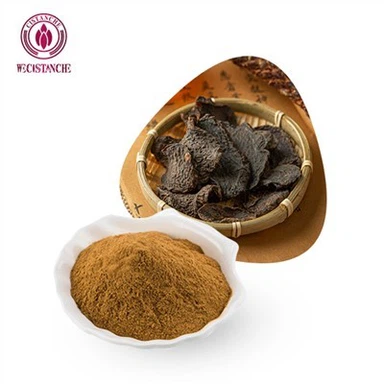
When choosing a supplement, insist on an extract that provides a certified analysis of its echinacoside content. Many generic powders lack the potency needed to replicate the effects seen in research. Our CogniLongevity Cistanche Extract is sourced from verified Cistanche tubulosa and standardized for a high level of echinacoside, ensuring that each capsule delivers a consistent, science-backed dose to your neurons.
Safety Considerations
Cistanche tubulosa is well tolerated and has been consumed safely as a tonic for centuries. The Natural Medicines Database notes its favorable safety profile at recommended doses. However, because it may influence cholinergic pathways, individuals taking prescription cholinesterase inhibitors (such as donepezil) for Alzheimer's disease should consult their neurologist before combining supplements. For anyone navigating the anxieties of normal cognitive aging, this desert root offers a gentle, evidence-informed layer of support to help keep memories intact and minds sharp.
Supportive Service Of Wecistanche-For more details about cooperation
Business contact: goujinsong@wecistanche.com