Up At Night Again? How Cistanche Tubulosa Supports Prostate And Urinary Health
Jul 10, 2026
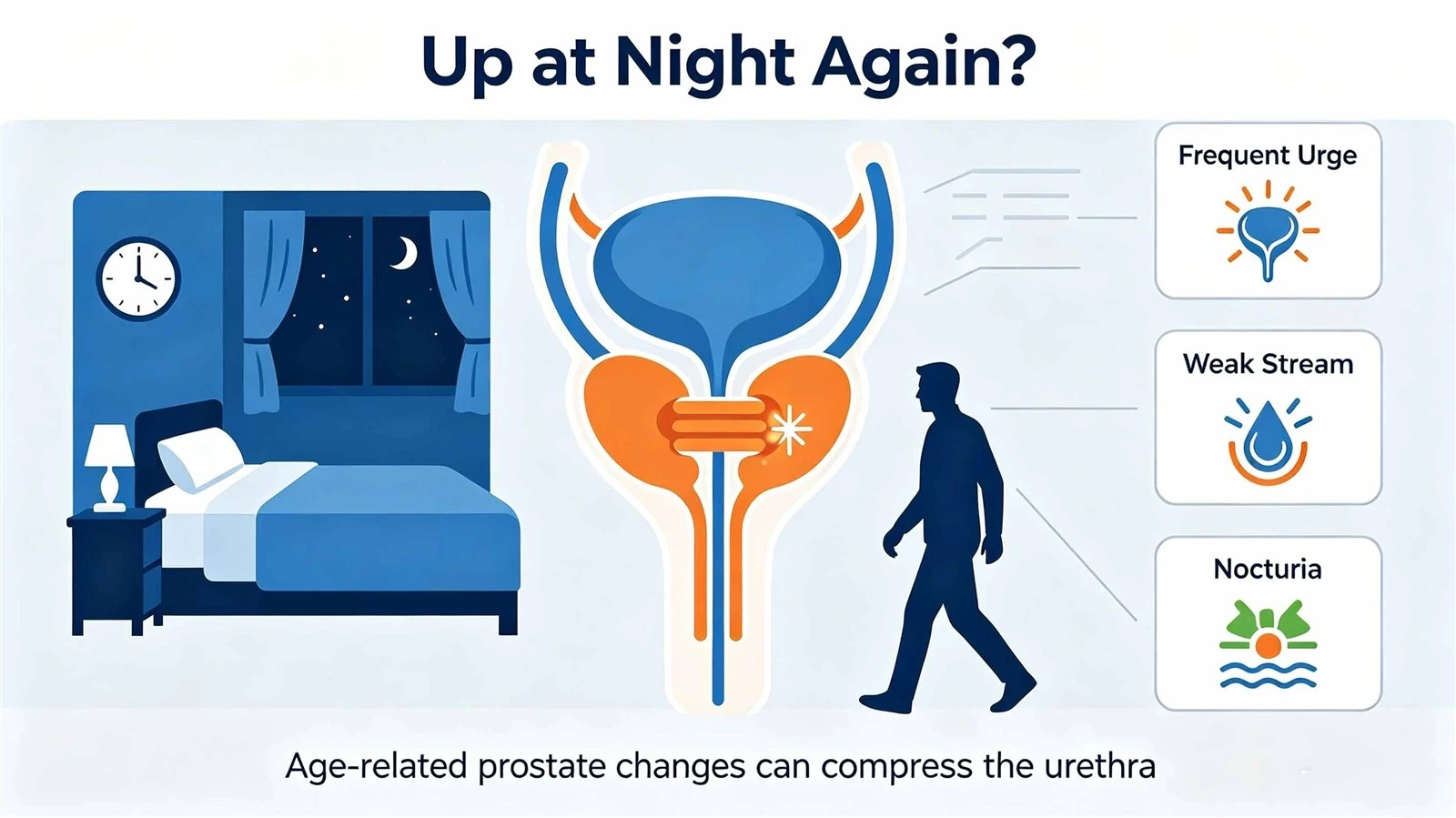
You wake once, then twice, then a third time to shuffle to the bathroom. During the day, the urge comes suddenly and frequently. The stream is hesitant, weak. It's a pattern familiar to millions of men over 50: benign prostatic hyperplasia (BPH), a non-cancerous enlargement of the prostate gland that gradually compresses the urethra. By age 60, more than 50% of men are affected; by 85, the number approaches 90%. Medications like alpha-blockers relax the muscles, and 5-alpha-reductase inhibitors shrink the gland, but both come with side effects-dizziness, fatigue, and sexual dysfunction. An ancient tonic traditionally used for "Kidney Yang deficiency" with urinary symptoms, Cistanche tubulosa, is now being studied for its potential to support prostate health through anti-inflammatory and antioxidant pathways.
The Roots of Prostate Enlargement
The prostate sits just below the bladder, encircling the urethra. As men age, hormonal changes-specifically the conversion of testosterone to dihydrotestosterone (DHT) by the enzyme 5-alpha-reductase-stimulate prostate cells to multiply. But hormones alone don't explain the whole picture. Chronic inflammation and oxidative stress are now recognized as key co-conspirators.
In aging prostate tissue, inflammatory infiltrates are common, and pro-inflammatory cytokines like TNF-α, IL-6, and COX-2 are overexpressed. This inflammation stimulates growth factors that encourage prostate cell proliferation. At the same time, oxidative stress damages lipids and DNA in prostate cells, further fueling the inflammatory cycle and promoting tissue remodeling. Lower urinary tract symptoms (LUTS)-urgency, frequency, nocturia, weak stream-are the downstream result of this inflammatory-proliferative cascade tightening the urethral channel.
Effective long-term prostate support therefore requires not just hormonal modulation, but a reduction in the underlying oxidative and inflammatory drivers that keep the gland in a state of irritation and growth. This is precisely where Cistanche tubulosa shows potential.
How Cistanche Tubulosa Supports Prostate Health
Cistanche tubulosa contains acteoside and echinacoside, two phenylethanoid glycosides with well-documented anti-inflammatory and antioxidant properties. In prostate tissue, these compounds target the inflammatory pathways that drive BPH progression. Specifically, acteoside has been shown to inhibit the NF-κB signaling cascade in epithelial cells, reducing the production of TNF-α, IL-6, and COX-2. By suppressing these inflammatory mediators, it may help reduce the chronic, low-grade inflammation that stimulates prostate cell growth.
Additionally, the antioxidant activity of echinacoside protects prostate cells from oxidative DNA damage. By upregulating the Nrf2 pathway-the cell's master antioxidant switch-it boosts endogenous enzymes like superoxide dismutase (SOD) and glutathione peroxidase, which neutralize the reactive oxygen species that contribute to tissue damage and abnormal proliferation.
Preclinical studies have specifically examined Cistanche extracts in models of prostatic hyperplasia. In rodent studies, Cistanche tubulosa extract reduced prostate weight and inhibited the expression of proliferative markers such as proliferating cell nuclear antigen (PCNA). These effects were accompanied by reductions in inflammatory cell infiltration and lower levels of COX-2 expression in prostate tissue. While human clinical trials are still needed, these findings provide a mechanistic basis for the herb's traditional use in urinary symptoms.
A comprehensive 2022 review in Frontiers in Pharmacology catalogs the anti-inflammatory and antioxidant activities of Cistanche tubulosa across multiple organ systems, noting its potential relevance for conditions driven by inflammation and oxidative stress-which includes BPH. (Frontiers in Pharmacology review on Cistanche tubulosa)
Traditional Wisdom: "Kidney Governs Urination"
In traditional Chinese medicine, the Kidney system governs water metabolism and controls the lower urinary orifices. "Kidney Yang deficiency"-often associated with aging-is characterized by frequent, copious, clear urination (especially at night), a weak stream, lower back weakness, and a sensation of cold in the lower body. This pattern strongly overlaps with the symptoms of BPH in older men. For centuries, Cistanche has been a cornerstone herb for this pattern, prescribed to "warm and tonify Kidney Yang" and "secure the bladder."
The classical formula "Jin Gui Shen Qi Wan" (and its variations incorporating Cistanche) was used specifically for elderly men who needed to rise multiple times at night to urinate. What ancient clinicians observed as "Kidney Qi failing to hold urine" may now be understood through modern biochemistry as the herb's ability to reduce inflammation in the prostate and bladder neck, improve smooth muscle tone, and protect the tissue from age-related oxidative damage.
How to Use Cistanche for Prostate Support
Prostate health is a long-term commitment. A daily dose of 400–600 mg of a standardized Cistanche tubulosa extract, taken consistently, provides the anti-inflammatory and antioxidant compounds that help maintain a healthy prostate environment. It is best taken with a meal in the morning or early afternoon. Unlike alpha-blockers, it does not cause sudden drops in blood pressure, and unlike 5-alpha-reductase inhibitors, it does not carry the risk of sexual side effects.
Cistanche pairs well with other evidence-based prostate-supportive nutrients: saw palmetto (which mildly inhibits 5-alpha-reductase), beta-sitosterol (which supports urinary flow), and zinc (essential for prostate health). It is not a replacement for prescribed BPH medications in men with severe symptoms, but it may serve as a complementary layer of support, particularly for those in the early stages who want to address the inflammatory root of the problem before it progresses.
Our ProstaGuard Cistanche Extract is manufactured from authentic Cistanche tubulosa and standardized for a high concentration of the phenylethanoid glycosides that research links to anti-inflammatory and antioxidant protection. Every batch is third-party tested to ensure purity and potency, because a man's later years deserve comfort and dignity-not a night fragmented by bathroom trips.
Safety and Medical Considerations
Cistanche tubulosa is well tolerated and has been used safely for centuries. It does not cause the dizziness or sexual side effects associated with standard BPH medications. However, urinary symptoms can sometimes indicate prostate cancer, urinary tract infection, or other serious conditions. Any man experiencing blood in the urine, severe pain, or complete inability to urinate should seek immediate urological evaluation. Regular prostate-specific antigen (PSA) screening and digital rectal exams remain essential for men over 50, regardless of supplement use. For those navigating the common but disruptive symptoms of an aging prostate, Cistanche tubulosa offers a gentle, science-informed option grounded in both ancient practice and modern research.
Supportive Service Of Wecistanche-For more details about cooperation
Business contact: goujinsong@wecistanche.com