Comparing The Antioxidative Effects Of Echinacoside And Vitamin: Which Is Stronger
Mar 31, 2023
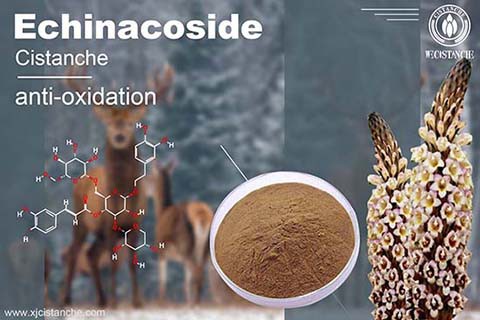
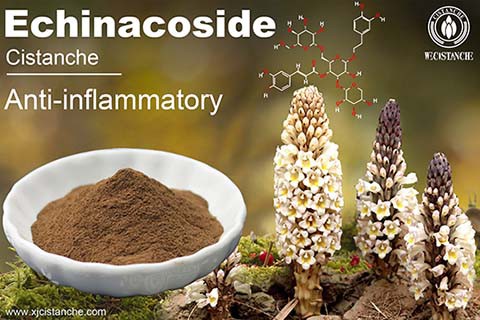
Echinacoside is a natural phenylethanoid glycoside that is commonly found in several plants, including Cistabcge Tubulosa, a medicinal herb that is widely used to treat various ailments, including colds, flu, inflammation, and infections. Echinacoside has gained attention from researchers due to its potent antioxidant properties, which are essential for protecting the body against oxidative stress-induced damage. In recent years, several scientific studies have confirmed that echinacoside possesses a stronger antioxidative effect than vitamin D, making it an attractive alternative for preventing and treating oxidative stress-associated diseases. Here we will explore and discuss the antioxidative effects of echinacoside and vitamin D and the factors that make echinacoside a more potent antioxidant.
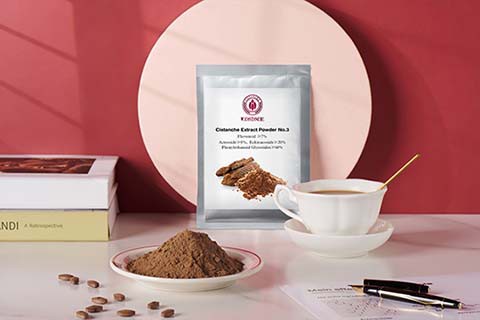
Get Cistanche Extract Rich In Echinacoside In Our Google Shop
What is Oxidative Stress?
Oxidative stress is a biological process that occurs when there is an imbalance between antioxidants, which are compounds that protect the body against oxidative stress, and reactive oxygen species (ROS) or free radicals, which are harmful compounds that can be produced during normal metabolism or exposure to environmental factors like pollution, radiation, and toxins. When ROS production exceeds the body's ability to counteract their effects, oxidative stress occurs, leading to cellular and tissue damage.
Oxidative stress is believed to play a crucial role in the development and progression of various health conditions, including cancer, cardiovascular disease, diabetes, Alzheimer's, and Parkinson's disease. Therefore, maintaining a balance between antioxidants and ROS is vital to prevent oxidative stress-induced damage and promote good health.
Antioxidative Effects of Vitamin D
Vitamin D is a fat-soluble vitamin that plays vital roles in calcium regulation, bone metabolism, and immune function. Recent studies have shown that vitamin D also exerts potent antioxidant effects. The antioxidative effects of vitamin D are mainly attributed to its ability to suppress the production and accumulation of ROS and regulate the expression of various antioxidant enzymes, including superoxide dismutase (SOD), glutathione peroxidase (GPx), and catalase.
Several studies have suggested that vitamin D supplementation could reduce oxidative stress levels and improve antioxidant status in individuals with various health conditions. For example, a randomized controlled trial involving 60 women with Polycystic Ovary Syndrome (PCOS) showed that vitamin D supplementation significantly increased antioxidant enzyme activity and reduced oxidative stress markers, including malondialdehyde (MDA) and hydrogen peroxide (H2O2) levels.
Antioxidative Effects of Echinacoside
Echinacoside is a potent phenylethanoid glycoside that possesses potent antioxidant properties. Echinacoside has been shown to boost the activity of various antioxidant enzymes, including SOD, GPx, and catalase, and reduce the generation of ROS by protecting against oxidative stress-induced damage.
Several scientific studies have confirmed the antioxidative potential of echinacoside. For instance, a study involving myocardial ischemia/reperfusion (I/R) rats demonstrated that echinacoside supplementation could significantly reduce the levels of ROS and MDA, while increasing the levels of SOD and GPx, thus improving the antioxidant status of the rats.
Another study tested the efficacy of echinacoside in attenuating the oxidative stress induced by chronic restraint stress in mice. The results of the study showed that echinacoside supplementation could significantly reduce the levels of MDA and H2O2, promote the activity of SOD and GPx, and improve the expression levels of antioxidant enzymes, including SOD1, SOD2, and GPx1. Therefore, echinacoside could effectively alleviate oxidative stress and protect against oxidative stress-induced damage.
More Info About Cistanche For Anti-Oxidative
What Makes Echinacoside Stronger than Vitamin D?
Echinacoside has a stronger antioxidative effect than vitamin D, mainly due to its molecular structure and the presence of unique functional groups, such as the phenolic hydroxyl group and the glycosidic linkage. These functional groups enable echinacoside to prevent ROS accumulation and scavenge free radicals to a greater extent than vitamin D.
Moreover, echinacoside's antioxidative potential is not only limited to its direct effects but also involves indirect effects mediated through signaling pathways. For instance, echinacoside has been shown to regulate several signaling pathways, including nuclear factor erythroid 2-related factor 2 (Nrf2)/antioxidant response element (ARE), mitogen-activated protein kinase (MAPK), and nuclear factor-kappaB (NF-κB), which play critical roles in the modulation of antioxidant status and oxidative stress.

Conclusion
Echinacoside is a natural phenylethanoid glycoside found in several plants, including Cistanche Tubulosa, which possesses potent antioxidative potential. Several scientific studies have confirmed that echinacoside exerts a stronger antioxidant effect than vitamin D. Echinacoside's stronger antioxidative effect is mainly attributed to its molecular structure, the presence of unique functional groups, and its regulation of signaling pathways. Therefore, echinacoside holds great promise as a potential natural antioxidant therapy for preventing and treating various health conditions associated with oxidative stress. However, more research is still needed to confirm its efficacy, safety, and optimal dosage for therapeutic use.