Creinoside Stimulates The Production Of Reactive Oxygen Species By Astrocytes
Mar 24, 2023
Abstract:We have previously reported that anoside improves memory impairment in mice by regulating the dopaminergic system. However, the effect of beta-lactam on astrocytes remains unclear. Here, we investigated the effect of litenoside on cultured mouse astrocytes. These results illustrate the novel protective effect of litenosin on active astrocytes and suggest that they are involved in beta-endorphin memory-improving effects through the dopaminergic system.
Keywords: Cistanche; β-lactoglobulin; Litenoside; Peptide; Astrocytes; Reactive oxygen species; Oxidase B; dopamine
1. Introduction
Astrocytes are the most abundant glial cells in the brain and perform essential physiological functions such as supporting neurons, regulating synaptic activity, and regulating the clearance of neurotransmitters, including dopamine (DA). Recent studies have shown that astrocytes play an important and complex role in the central nervous system (CNS). Thus, astrocyte dysfunction may contribute to the development of neurodegenerative diseases. Reactive astrocytes are induced under pathological conditions such as ischemia, brain injury, infection and neurodegenerative diseases such as Alzheimer's disease (AD), Parkinson's disease (PD), and Huntington's disease. Induced astrocytes become harmful because they lose their normal function, up-regulate the expression of inflammatory genes, and produce higher levels of reactive oxygen species (ROS) than resting astrocytes, leading to further neurotoxicity and cell death. Therefore, active astrocytes are considered as prevention and therapeutic targets for neurodegenerative diseases.
DA regulates a variety of physiological processes, such as motor control and PD, a well-known neurodegenerative disease that is caused by DA depletion. Moreover, there is growing evidence that DA is essential for cognitive function. DA is directly related to frontal cortex-dependent cognitive functions, including attention, executive function, learning and memory processes. Multiple studies have shown that the depletion of DA and loss of neurons in the brain can alter cognitive impairment in mice, suggesting that restoring the DA system may help improve impaired cognitive performance.
In this study, we studied the effects of litmus glycosides on cultured mouse trocytes. As mentioned above, use the lipopolysaccharide (LPS) and interferon gamma (IFN - Υ) induction of reactive astrocytes. This study confirmed the novel effect of litenoside on astrocytes, suggesting that astrocytes are involved in beta-endorphin memory-improving effects.

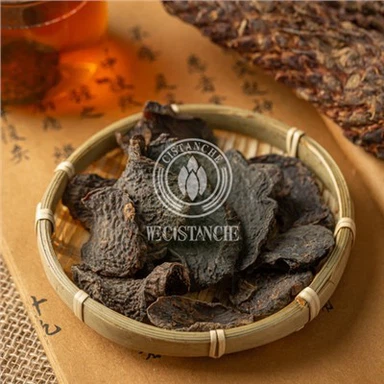
Pic: Faw Cistanche
2. Materials and methods
2.1. Cell culture and treatment
Mouse astrocytes were stored in Dulbecco's Modified Eagle's Medium supplemented with 10% heat fetal bovine serum and 100u /mL penicillin-streptomycin, 37◦C, and 5% CO2. Beta-lactose is purchased from Bachem. Beta-lactam was dissolved in dimethyl sulfoxide and diluted in phosphate buffered brine so that the final concentration in the medium was less than 1%.
2.2. ROS analysis
Cells were coated with poly (D-lysine) in 96-well plates at a density of 1.5 × 10⁴ cells/well and cultured for 8 h. Then, with 0, 10, 50 and 100 ng/mL LPS processing cells in PBS and 50 U/L IFN - Υ dissolved in 24 hours. The cells were then treated with 0, 1, 5, and 10µM beta-lactam for 6 h, then stained, then treated with 10µM 5-(and -6) -chloromethyl -2, 7-dichlorodihydrofluorescein diacetate and 0.5µg/mL Hoechst 33,342 in a balanced salt solution (Gibco) in Hanks, Soak at 37°C for 30 minutes. Replace the medium with a fresh Hanks equilibrium salt solution. Fluorescence was measured using an Operetta CLS™ instrument at excitation wavelengths 460-490 nm and 500-550 nm and 355-385 nm and 430-500 nm, respectively. The fluorescence intensity of each cell was analyzed using Harmony 4.9 software and expressed in units of relative fluorescence.
2.3.
After centrifugation, mitochondria are isolated using a mitochondrial separation kit used for cell culture as per the manufacturer's protocol. Total protein concentrations in each mitochondrial portion were measured using the Pierce™ BCA protein assay kit. Pierc Bovine Serum albumin standard ampoule was used as the standard.

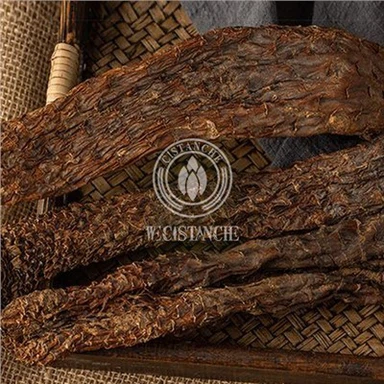
Pic: Cistanches Benefits
3. Results
3.1. Effects of β-lactam on ROS production in astrocytes
In order to assess ROS produced in astrocytes, with LPS and astrocyte - Υ IFN treatment mice. Intracellular ROS levels were determined by the relative fluorescence intensity of CM-H2DCFDA. For reference data, LPS concentrations were used as follows :10, 50, and 100 ng/mL. LPS treatment resulted in a significant increase in intracellular ROS levels compared with controls. To investigate the effect of beta-endorphin on ROS production in astrocytes, cells were treated with beta-endorphin for 6 h after LPS stimulation. LPS treatment significantly increased intracellular ROS levels, while β-endorphin group significantly decreased intracellular ROS levels. Notably, β-lactam treatment alone did not cause significant changes in intracellular ROS levels compared to the control group. These results suggested that β-lactam treatment inhibited ROS production in LPS-treated astrocytes.
3.2
In order to evaluate the role of litenoside in DA metabolism of astrocytes, the levels of DA and its metabolites were determined by high performance liquid chromatography-electrochemical detection system. The intracellular level of 3, 4-dihydroxyphenylacetic acid in cistanche tubulosa treated was significantly higher than that in control group. The level of vanillic acid (HVA) was not changed by the treatment of litenoside. The turnover rate of intracellular DA after β-lactam treatment was significantly lower than that of control group.

Pic: Effects of Cistanche treat Alzheimer‘s disease
4. Discussion
Astrocytes play a variety of important functions in the central nervous system (CNS), and reactive astrocytes are considered as therapeutic targets for neurodegenerative diseases. We have previously shown that oral cistanche delivers to the brain and improves memory function in an in vivo model. However, the effects of litenoside on astrocytes have not been studied. In this study, myristeine inhibited ROS production in LPS-treated astrocytes. Some studies have shown that excessive ROS production in astrocytes is a feature of reactive astrocytes that mediates the onset of neurodegenerative diseases such as AD and PD. Increased ROS production in astrocytes triggers the release of pro-inflammatory cytokines, leading to neuronal dysfunction in the central nervous system. In particular, H2O2 is an ROS with high membrane permeability; Thus, its toxicity affects not only the astrocytes that produce it, but also their adjacent neurons. Previous in vivo studies have shown that LPS-induced neuronal apoptosis can be saved by treatment with a number of bioactive products that reduce astrocyte reactivity, including ROS production. Similar neuroprotective effects of chemicals and/or bioactive compounds that inhibit the reactivity of LPS-treated astrocytes have been observed in in vitro studies of neuron-astrocyte co-culture models or neurons cultured in astrocyte conditioned culture-medium. Therefore, the present results suggest that cistanche has a potential neuroprotective effect on astrocytes. Therefore, the effect of litanoside on the crosstalk between astrocytes and neurons treated with lipopolysaccharide needs further study.
In conclusion, this study reveals new effects of cistanche on astrocytes, including its protective effect on astrocytes under pathological conditions, and suggests that astrocytes are involved in the memory improvement of litenin glycosides.

Click here to improve your memory
References
1. Sidoryk-Wegrzynowicz, M.; Wegrzynowicz, M.; Lee, E.; Bowman, A.B.; Aschner, M. Role of Astrocytes in Brain Function and Disease. Toxicol. Pathol. 2010, 39, 115–123. [CrossRef] [PubMed]
2. Tabata, H. Diverse subtypes of astrocytes and their development during corticogenesis. Front. Neurosci. 2015, 9, 114. [CrossRef]
[PubMed]
3. Ota, Y.; Zanetti, A.T.; Hallock, R.M. The Role of Astrocytes in the Regulation of Synaptic Plasticity and Memory Formation.
Neural. Plast. 2013, 2013, 1–11. [CrossRef] [PubMed]
4. Liddelow, S.A.; Barres, B.A. Reactive Astrocytes: Production, Function, and Therapeutic Potential. Immunity 2017, 46, 957–967. [CrossRef]
5. Dossi, E.; Vasile, F.; Rouach, N. Human astrocytes in the diseased brain. Brain Res. Bull. 2018, 136, 139–156. [CrossRef]
6. Liddelow, S.A.; Guttenplan, K.A.; Clarke, L.E.; Bennett, F.C.; Bohlen, C.J.; Schirmer, L.; Bennett, M.L.; Münch, A.E.; Chung, W.-S.; Peterson, T.C.; et al. Neurotoxic reactive astrocytes are induced by activated microglia. Nature 2017, 541, 481–487. [CrossRef]
7. Poewe, W.; Seppi, K.; Tanner, C.M.; Halliday, G.M.; Brundin, P.; Volkmann, J.; Schrag, A.E.; Lang, A.E. Parkinson disease. Nat. Rev. Dis. Prim. 2017, 3, 1–21. [CrossRef]
8. Epuig, M.V.; Erose, J.; Eschmidt, R.; Efreund, N. Dopamine modulation of learning and memory in the prefrontal cortex: Insights from studies in primates, rodents, and birds. Front. Neural Circuits 2014, 8, 93. [CrossRef]
9. Arnsten, A.F.; Li, B.-M. Neurobiology of Executive Functions: Catecholamine Inflfluences on Prefrontal Cortical Functions. Biol.
Psychiatry 2005, 57, 1377–1384. [CrossRef]
10. Morgan, R.G.; Gibbs, J.T.; Melief, E.J.; Postupna, N.O.; Sherfifield, E.E.; Wilson, A.; Keene, C.D.; Montine, T.J.; Palmiter, R.D.; Darvas, M. Relative contributions of severe dopaminergic neuron ablation and dopamine depletion to cognitive impairment. Exp. Neurol. 2015, 271, 205–214. [CrossRef]
11. Nobili, A.; Latagliata, E.C.; Viscomi, M.T.; Cavallucci, V.; Cutuli, D.; Giacovazzo, G.; Krashia, P.; Rizzo, F.R.; Marino, R.; Federici, M.; et al. Dopamine neuronal loss contributes to memory and reward dysfunction in a model of Alzheimer’s disease. Nat. Commun. 2017, 8, 1–14. [CrossRef]
12. Hansson, E.; Sellström, Å. MAO COMT, and GABA-T Activities in Primary Astroglial Cultures. J. Neurochem. 1983, 40, 220–225. [CrossRef]
13. Levitt, P.; Pintar, J.E.; Breakefifield, X.O. Immunocytochemical demonstration of monoamine oxidase B in brain astrocytes and serotonergic neurons. Proc. Natl. Acad. Sci. USA 1982, 79, 6385–6389. [CrossRef]
14. Borroni, E.; Bohrmann, B.; Grueninger, F.; Prinssen, E.; Nave, S.; Loetscher, H.; Chinta, S.J.; Rajagopalan, S.; Rane, A.;Siddiqui, A.; et al. Sembragiline: A Novel, Selective Monoamine Oxidase Type B Inhibitor for the Treatment of Alzheimer’s Disease. J.Pharmacol. Exp. Ther. 2017, 362, 413–423. [CrossRef]
15. Wang, Y.; Sun, Y.; Guo, Y.; Wang, Z.; Huang, L.; Li, X. Dual functional cholinesterase and MAO inhibitors for thetreatment of Alzheimer’s disease: Synthesis, pharmacological analysis and molecular modeling of homoisoflflavonoid derivatives.J. Enzym. Inhib. Med. Chem. 2015, 31, 1–9. [CrossRef]
16. Vindis, C.; Séguélas, M.-H.; Lanier, S.; Parini, A.; Cambon, C. Dopamine induces ERK activation in renal epithelialcells through H2O2 produced by monoamine oxidase. Kidney Int. 2001, 59, 76–86. [CrossRef]
17. Cohen, G.; Farooqui, R.; Kesler, N. Parkinson disease: A new link between monoamine oxidase and mitochondrialelectron flflow. Proc. Natl. Acad. Sci. USA 1997, 94, 4890–4894. [CrossRef]