Efficacy And Mechanism Of A Cistanche-Based Herbal Formula In Treating Primary Dysmenorrhea Via COX-2/NF-ΚB Pathway Modulation
Jul 30, 2025
Abstract
Objective: To evaluate the analgesic effect and underlying mechanism of a Cistanche-based herbal decoction in treating primary dysmenorrhea (PD) using rodent models, with a focus on the COX-2/NF-κB signaling pathway.

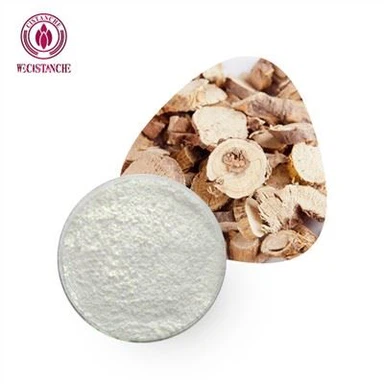
Cistanche Raw Materials For Primary Dysmenorrhea
Methods:
A mouse writhing model was induced using oxytocin to assess the formula's analgesic activity. Forty-eight female ICR mice were divided into six groups: control, model, ibuprofen (85.00 mg/kg), and low, medium, and high doses of the herbal decoction (7.14, 14.28, 28.57 mL/kg). Following 10 days of oral administration, oxytocin (2 U/mouse) was injected intraperitoneally to induce uterine contractions. Writhing latency and frequency were recorded.
For mechanistic evaluation, a primary dysmenorrhea model was established in SD rats using estradiol benzoate and oxytocin. Rats (n=48) were randomized into control, model, ibuprofen (51.00 mg/kg), and low, medium, and high dose herbal groups (4.28, 8.57, 17.10 mL/kg). Uterine contractility and its variation rate were measured.
Biochemical markers including PGF2α, PGE2, TXB2, 6-keto-PGF1α, β-endorphin (β-EP), NO, and iNOS were quantified in uterine tissues using ELISA and colorimetric methods. Protein expression of COX-2, IKKβ, p-IKKβ, IκBα, p-IκBα, NF-κB p65, and p-p65 was detected via Western blotting.

Results:
In both models, the herbal decoction significantly reduced uterine hypercontractility and pain behaviors. It notably reduced levels of PGF2α/PGE2, TXB2/6-keto-PGF1α, NO, and iNOS, while increasing β-EP. Western blot analysis revealed that the decoction inhibited COX-2 expression and downregulated phosphorylated IKKβ, IκBα, and p65, while upregulating IκBα expression, suggesting suppression of COX-2/NF-κB activation.
Conclusion:
The Cistanche-based herbal formula demonstrates promising efficacy in relieving primary dysmenorrhea by inhibiting abnormal uterine contractions and modulating inflammatory mediators. Its mechanism may involve the downregulation of the COX-2/NF-κB signaling pathway, reduction of prostaglandin synthesis, and regulation of NO/iNOS expression, combined with an increase in endogenous analgesic β-endorphin.

Supportive Service Of Wecistanche-The largest cistanche exporter in the China:
Email:wallence.suen@wecistanche.com
Whatsapp/Tel:+86 15292862950

Significance for Herbal Product Development
The findings suggest that Cistanche, when formulated with synergistic botanical components, can serve as a potent natural alternative for the management of menstrual pain. By targeting the COX-2/NF-κB pathway, a known driver of uterine inflammation and hypercontractility, Cistanche-based formulations could offer:
Non-hormonal pain relief
Reduced reliance on NSAIDs
Improved safety profile over long-term use
This study supports the further development of herbal analgesic products targeting women's reproductive health, with a strong mechanistic foundation rooted in modern pharmacology.

If you'd like, I can also generate a visual presentation, product brief, or regulatory summary tailored for investors or product developers. Let me know!