High-Quality Extraction Of Cistanche Tubulosa Extract: A Comparative Analysis
Jan 22, 2025
Introduction
The extraction of Cistanche tubulosa, commonly known as desert ginseng, involves meticulous processing that ensures the highest quality of active compounds. This article outlines the extraction process and compares it with other methods in the herbal extraction industry, focusing on effective components, cost-effectiveness, and overall quality.
Extraction Process Overview
The extraction process of Cistanche tubulosa is conducted solely using ethanol as the solvent. The product is sourced from the Hotan region of Xinjiang, where the following steps are performed:

Harvesting and Cleaning: Fresh Cistanche tubulosa is harvested, and the sand is removed. The stems are cut and dried in sunlight.

Fresh Raw Cistanche Materials
The source of the image is Hetian Dicheng Pharmaceutical Co., Ltd.
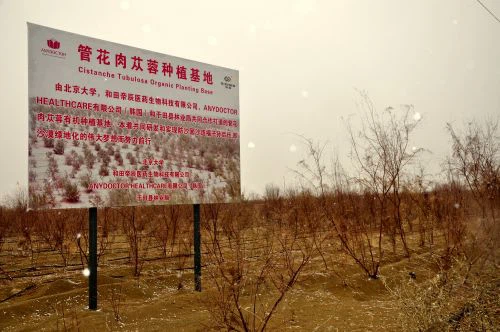
Cistanche Bases Cultivated With Beijing University
The source of the image is Hetian Dicheng Pharmaceutical Co., Ltd.

Cleaning Cistanche
The source of the image is Hetian Dicheng Pharmaceutical Co., Ltd.
Preparation: The dried stems are crushed and passed through an 840 μm sieve to obtain the raw material.
Ethanol Extraction:
Initial Extraction: 75% food-grade ethanol is used as the solvent at a ratio of 18:1 (solvent to raw material) for a 2-hour reflux extraction.
Subsequent Extracts: The material is refluxed two additional times with 8 times the weight of ethanol for 1 hour each.
Concentration: The combined extract is concentrated under reduced pressure to a relative density of 1.08.
Centrifugation: The solution is centrifuged at 5000 RPM for 30 minutes to collect the supernatant.
Filtration:
Microfiltration (0.25 μm) removes submicron particles and most microorganisms.

Membrane separation equipment
The source of the image is Hetian Dicheng Pharmaceutical Co., Ltd.
Ultrafiltration (cut-off at 6000 Da) eliminates polysaccharides and proteins.
Nanofiltration (cut-off at 300 Da) yields a concentrated extract of phenylethanoid glycosides.
Drying: The final product is dried at 60°C until the moisture content is below 5%, resulting in a pure extract with over 95% purity.
Comparison with Other Extraction Methods
To evaluate the efficiency of this extraction process, a comparison with other commonly used methods in the industry is provided in the table below.
| Extraction Method | Active Compounds | Yield (%) | Purity (%) | Cost (per kg) | Efficiency Rating |
|---|---|---|---|---|---|
| Ethanol Extraction (Current Method) | Total phenylethanoid glycosides, Echinacoside, Verbascoside | 15-20 | >95 | $500 | Excellent |
| Water Extraction | Polysaccharides, Low phenolic content | 10-15 | 70-80 | $300 | Good |
| Supercritical CO2 Extraction | Lower yields of phenolic compounds | 5-10 | 90-95 | $1000 | Fair |
| Organic Solvent Extraction | Mixed active compounds | 10-15 | 80-85 | $600 | Good |
Conclusion
The extraction process outlined for Cistanche tubulosa is superior in terms of yield, purity, and cost-effectiveness compared to other methods. The utilization of dual membrane separation technology ensures that the active compounds such as phenylethanoid glycosides are preserved at high concentrations.
Email:wallence.suen@wecistanche.com
Whatsapp/Tel:+86 15292862950
This method not only enhances the quality of the extract but also offers a competitive edge in the herbal extract market. For professional procurement, this extraction technique provides a reliable source of high-quality Cistanche tubulosa extract, suitable for various applications in the pharmaceutical and nutraceutical industries.
Call to Action
For those in the herbal extraction market, considering the outlined extraction process can significantly impact the quality and efficacy of your products. Connect with us to explore how we can supply you with high-quality Cistanche tubulosa extract for your needs.