How Are The Kidneys Destroyed By High Uric Acid Step By Step?
Apr 23, 2024
Hyperuricemia (HUA) causes kidney damage and is divided into three types:
1. Acute uric acid nephropathy is caused by the deposition of a large amount of uric acid crystals in the renal interstitium and renal tubules. The renal tubular lumen is filled and blocked by uric acid, leading to oliguric acute renal failure. It is common in secondary gouty nephropathy, such as lytic nephropathy. tumor syndrome.
2. Chronic uric acid nephropathy is caused by the deposition of urate crystals in the renal medulla. It is common in primary gouty nephropathy, and Lao Li belongs to this type.
3. Uric acid kidney stones can be seen in both primary and secondary gouty nephropathy.

Click to Cistanche for kidney disease
It is currently believed that the mechanisms by which HUA causes kidney damage are as follows [1,2]:
1 Renin-angiotensin system (RAS)
and activation of the cyclooxygenase 2 (COX-2) system
High uric acid activates RAS, leading to systemic hypertension, high intraglomerular pressure, hyperperfusion, and renal fibrosis. Angiotensin II (AngII) can regulate the expression of COX-2 and prostaglandin production through the mitogen-activated protein kinase (MAPK) signal transduction pathway, thereby causing vascular smooth muscle cell proliferation, hypertrophy and Infiltration of inflammatory cells in the tube wall.
2 Endothelial cell dysfunction
Uric acid inhibits the production of nitric oxide (NO) in endothelial cells and reduces its activity through a series of complex mechanisms. As the most abundant antioxidant in the body, it directly consumes a large amount of NO and produces 6-aminouracil, leading to endothelial cell dysfunction. , weakening the vasodilation effect and slowing down the proliferation of endothelial cells, thereby causing hypertension and vascular lesions.
3. Role of inflammatory factors
As a pro-inflammatory factor, uric acid can stimulate the synthesis of platelet-derived growth factor (PDGF) and promote the production of monocyte chemotactic factor (MCP-1), interleukin-1 (lL-1) and tumor necrosis factor by monocytes. (TNF-ɑ) and other inflammatory factors, and these inflammatory factors mentioned above are directly or indirectly involved in kidney damage.
4 obesity
The incidence of gout in obese patients is 2 times higher than that of the general population. The adipocytokines secreted by fat in the human body can activate the sympathetic nervous system, weaken urinary sodium excretion through the physiological concentration of RAS and kidneys, and enhance the importance of sodium in the renal tubules. Absorption leads to sodium and water retention causing hypertension, resulting in glomerular hyperfiltration state. In addition, Leptin, TNF-ɑ and IL-6 secreted by adipose tissue directly promote inflammatory reactions and cause kidney damage.
5 Lipid metabolism disorders
Lipid deposition in epithelial cells stimulates the production and release of cytokines, directly stimulating epithelial cells to produce extracellular matrix, and participates in the damage of renal tubular epithelium through oxidation, prompting epithelial cells to synthesize a variety of cytokines related to inflammation, fibrosis, etc., directly or Indirectly involved in chronic progressive lesions of renal tubules and interstitium.
In addition, studies have also found that environmental lead exposure, changes in urate transporter activity, and genetic factors are also related to the occurrence of gouty nephropathy.

Not only can HUA itself cause kidney damage through the above-mentioned mechanisms, but it is also an independent progression factor for IgA nephropathy, diabetic nephropathy, chronic kidney disease, acute kidney injury, etc., and will accelerate the process of kidney damage in the above diseases [3].
Treatment of gouty nephropathy
1 Lifestyle treatment
Lose weight, limit purine-rich meats and seafood, limit high-fructose foods, don't eat too much low-fat or non-fat dairy products, and limit alcohol consumption to control HUA. Clinical studies have shown that lifestyle changes alone can reduce SUA levels by 10% to 18% [3,4].
2. Medication
Drugs that inhibit uric acid synthesis
Allopurinol
It is still the first-line drug for the treatment of hyperuricemia, with strong uric acid-lowering effect, good tolerance, and high cost performance. Its metabolite oxypurine is the main component of lowering uric acid and is mainly excreted by the kidneys. When kidney function declines, the dose should be appropriately reduced to avoid accumulation in the body causing serious side effects. In recent years, cases of fatal drug eruptions have been continuously reported with allopurinol. Studies have shown that the occurrence of this adverse reaction is related to those who are positive for the HLA-B*5801 allele. It is recommended that patients undergo genetic testing before taking the drug, which greatly limits its application.
febuxostat
Also known as febuxostat, it inhibits the activity of xanthine oxidase, preventing and reducing the synthesis of uric acid from hypoxanthine and xanthine, thereby reducing blood uric acid. Unlike allopurinol, febuxostat is mainly metabolized in the liver, and a small amount is excreted by the kidneys. For patients with mild to moderate renal insufficiency, there is no need to adjust the dosage. It is suitable for those who are allergic to or intolerant to allopurinol or whose treatment is ineffective. Mainly Recommended for the treatment of chronic hyperuricemia in patients with a history of gout.
Drugs that promote uric acid excretion
This type of drug increases the excretion of uric acid by inhibiting the reabsorption of urate ions by the proximal renal tubules, thereby reducing the concentration of urate in the blood. It can alleviate or prevent the formation of urate crystals, reduce joint damage, and also It can promote the dissolution of formed urate crystals.
Representative drugs are benzbromarone and probenecid. These drugs increase the risk of urinary tract stones. When using these drugs, you should pay attention to drinking more water and using drugs that alkalize urine. Before using such drugs, the urinary uric acid excretion should be measured. If the patient's 24-hour urinary uric acid excretion is >3.54 mmol or has urinary tract stones, such drugs are prohibited. Patients with ulcer disease or renal insufficiency should use it with caution. In addition, benzbromarone is hepatotoxic, so patients' liver function should be monitored when using it.
Uricase drugs
Uricase can oxidatively degrade uric acid into allantoin, which may reduce blood uric acid levels and achieve the purpose of treating hyperuricemia. At present, recombinant uricase is gradually improving in terms of antigenicity and half-life, and it will become a new way to reduce uric acid. The main biosynthetic urate oxidases are:
Recombinant Aspergillus flavus urate oxidase (rasburicase)
For the treatment and prevention of acute hyperuricemia in patients with hematological malignancies who are at high risk for tumor lysis syndrome, especially for patients with chemotherapy-induced hyperuricemia. The blood uric acid level of patients using this drug dropped rapidly and remained at a low level throughout the induction chemotherapy period.
Pegylated recombinant urate oxidase (PEG-uricase)
Used intravenously, it can quickly and powerfully reduce blood uric acid. It is mainly used for patients with severe HUA, refractory gout, especially tumor lysis syndrome. The representative drug is pegloticase, which is a pegylated uric acid-specific enzyme. Uricase is covalently bound to polyethylene glycol through a monomethyl ether bond and is mainly excreted by the kidneys.
other
In addition, drugs such as colchicine, losartan, fenofibrate, and cilnidi also have uric acid-lowering effects.
The increase in blood creatinine also made Lao Li realize the importance of actively controlling diet and cooperating with doctors' drug treatment in the treatment of gouty nephropathy. Since then, he has had fewer gout attacks, and his kidney function has recovered somewhat and stabilized at around 160 μmol/L.
How Does Cistanche Treat Kidney Disease?
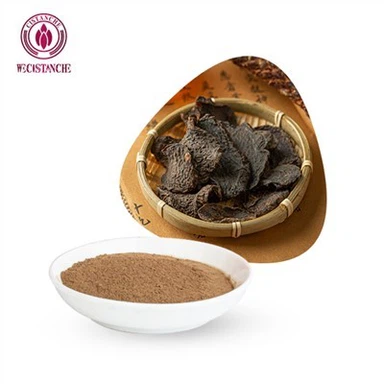
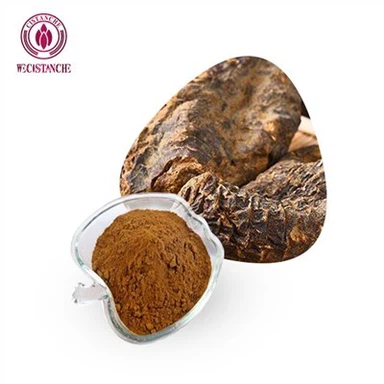
Cistanche is a traditional Chinese herbal medicine used for centuries to treat various health conditions, including kidney disease. It is derived from the dried stems of Cistanche deserticola, a plant native to the deserts of China and Mongolia. The main active components of cistanche are phenylethanoid glycosides, echinacoside, and acteoside, which have been found to have beneficial effects on kidney health.
Kidney disease, also known as renal disease, refers to a condition in which the kidneys are not functioning properly. This can result in a buildup of waste products and toxins in the body, leading to various symptoms and complications. Cistanche may help treat kidney disease ase through several mechanisms.
Firstly, cistanche has been found to have diuretic properties, meaning it can increase urine production and help eliminate waste products from the body. This can help relieve the burden on the kidneys and prevent the buildup of toxins. By promoting diuresis, cistanche may also help Reduce high blood pressure, a common complication of kidney disease.
Moreover, cistanche has been shown to have antioxidant effects. Oxidative stress, caused by an imbalance between the production of free radicals and the body's antioxidant defenses, plays a key role in the progression of kidney disease. ies help neutralize free radicals and reduce Oxidative stress, thereby protecting the kidneys from damage. The phenylethanoid glycosides found in cistanche have been particularly effective in scavenging free radicals and inhibiting lipid peroxidation.
Additionally, cistanche has been found to have anti-inflammatory effects. Inflammation is another key factor in the development and progression of kidney disease. Cistanche's anti-inflammatory properties help reduce the production of pro-inflammatory cytokines and inhibit the activation of inflammation mandatory pathways, thus alleviating inflammation in the kidneys.
Furthermore, cistanche has been shown to have immunomodulatory effects. In kidney disease, the immune system can be dysregulated, leading to excessive inflammation and tissue damage. Cistanche helps regulate the immune response by modulating the production and activity of immune cells, such as T cells and macrophages. This immune regulation helps reduce inflammation and prevent further damage to the kidneys.

Moreover, cistanche has been found to improve renal function by promoting the regeneration of renal tubes with cells. Renal tubular epithelial cells play a crucial role in the filtration and reabsorption of waste products and electrolytes. In kidney disease, these cells can be damaged, leading to damaged renal function. Cistanche's ability to promote the regeneration of these cells helps restore proper renal function and improve overall kidney health.
In addition to these direct effects on the kidneys, cistanche has been found to have beneficial effects on other organs and systems in the body. This holistic approach to health is particularly important in kidney disease, as the condition often affects multiple organs and systems. che has been shown to have protective effects on the liver, heart, and blood vessels, which are commonly affected by kidney disease. By promoting the health of these organs, cistanche helps improve overall kidney function and prevent further complications.
In conclusion, cistanche is a traditional Chinese herbal medicine used for centuries to treat kidney disease. Its active components have diuretic, antioxidant, anti-inflammatory, immunomodulatory, and regenerative effects, which help improve renal function and protect the kidneys from further damage. , cistanche has beneficial effects on other organs and systems, making it a holistic approach to treating kidney disease.