How To Treat And Prevent Parkinson's Disease
Mar 06, 2023
Parkinson's disease (PD) is a neurodegenerative disorder that affects the central nervous system. It is characterized by progressive loss of dopaminergic neurons in the substantia nigra pars compacta, leading to motor symptoms such as tremor, rigidity, bradykinesia, and postural instability. Parkinson's disease was first described by James Parkinson in 1817 in his classical essay "An Essay on the Shaking Palsy". Since then, extensive research has been carried out to understand the disease mechanism and develop effective treatments.
History of Parkinson's Research
The first attempt to systematically study Parkinson's disease was made by Jean-Martin Charcot in the mid-19th century. Charcot identified tremors, rigidity, and bradykinesia as the three major symptoms of Parkinson's disease. However, it was not until the 1960s that the cause of Parkinson's disease was elucidated. The discovery of the role of dopamine in the brain by Arvid Carlsson in 1959 paved the way for the development of the dopamine hypothesis of Parkinson's disease. According to this hypothesis, the loss of dopaminergic neurons in the substantia nigra causes a deficiency of dopamine in the basal ganglia, which leads to the motor symptoms of Parkinson's disease.

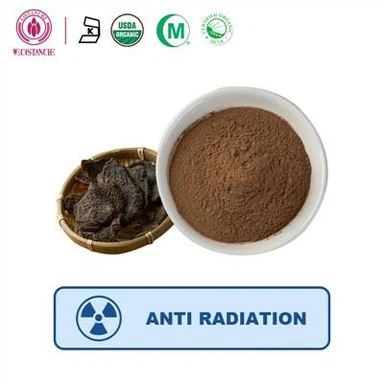
Click to organic cistanche for Parkinson's disease
Since the 1960s, extensive research has been carried out to understand the cellular and molecular mechanisms underlying Parkinson's disease. The discovery of alpha-synuclein as a major component of Lewy bodies, the hallmark pathological feature of Parkinson's disease, in the 1990s provided new insight into the disease mechanism. In addition, the development of animal models of Parkinson's disease has facilitated the study of the underlying neurobiology and the testing of potential therapies.
Pathogenesis of Parkinson's Disease
The pathogenesis of Parkinson's disease involves a complex interplay between genetic and environmental factors. Approximately 10% of Parkinson's disease cases are thought to be caused by genetic mutations. The most common genetic cause of Parkinson's disease is a mutation in the SNCA gene, which encodes alpha-synuclein. Other genes implicated in Parkinson's disease include LRRK2, Parkin, PINK1, and DJ-1.

The accumulation of misfolded alpha-synuclein in the form of Lewy bodies is a hallmark pathological feature of Parkinson's disease. Lewy bodies are found in the dopaminergic neurons of the substantia nigra and in other regions of the brain, such as the cortex and the amygdala. The formation of Lewy bodies is believed to result from the abnormal aggregation of alpha-synuclein and the impairment of the protein degradation pathways in the affected neurons.
The loss of dopaminergic neurons in the substantia nigra pars compacta is the main neuropathological feature of Parkinson's disease. The reduction in dopamine levels in the basal ganglia results in the motor symptoms of Parkinson's disease, such as tremor, rigidity, bradykinesia, and postural instability. In addition, other neurotransmitter systems, such as the noradrenergic, cholinergic, and serotonergic systems, may also be affected in Parkinson's disease, leading to non-motor symptoms such as cognitive impairment, depression, and sleep disturbances.
Stages and Symptoms of Parkinson's Disease
Parkinson's disease is typically divided into five stages, based on the severity of motor symptoms and the extent of disease progression. The stages are as follows:
Stage 1: The earliest stage of Parkinson's disease, characterized by mild motor symptoms that affect only one side of the body. Tremor, slowness of movement, and stiffness may be present, but these symptoms do not significantly affect daily activities.
Stage 2: The symptoms of Parkinson's disease become more pronounced and affect both sides of the body. Balance and coordination problems may also appear, making it difficult to perform simple tasks such as walking or standing up from a chair.
Stage 3: The symptoms of Parkinson's disease become more severe, and daily activities become increasingly difficult. Falls may occur, and there may be a marked impairment of balance and coordination.
Stage 4: The symptoms of Parkinson's disease are severe, and the patient is unable to perform daily activities without assistance. The patient may be confined to a wheelchair or bed.
Stage 5: The most advanced stage of Parkinson's disease, characterized by severe disability and a high risk of complications such as aspiration pneumonia or infections. The patient may require round-the-clock care.
The symptoms of Parkinson's disease may vary from patient to patient, but the most common motor symptoms are tremors, rigidity, bradykinesia, and postural instability. Tremor is often the first symptom of Parkinson's disease, and it usually occurs at rest and disappears during voluntary movement. Rigidity refers to the stiffness of the muscles and joints, making movement difficult and painful. Bradykinesia is a slowness of movement, making it difficult to initiate and complete the voluntary movement.
The current mainstream treatment options for Parkinson's disease include:
1. Medications: There are several medications available that can help manage the symptoms of Parkinson's disease. Some of the most commonly prescribed medications include levodopa, dopamine agonists, and MAO-B inhibitors. These medications work by increasing dopamine levels in the brain, which can help reduce tremors and other symptoms.
2. Deep brain stimulation: Deep brain stimulation (DBS) involves the surgical implantation of electrodes in the brain. These electrodes are connected to a device that emits electrical impulses, which can help regulate movement and reduce symptoms. DBS is typically reserved for people who have not responded well to medication.
3. Physical therapy: Physical therapy can help improve a person's balance, flexibility, and coordination. This can be particularly helpful for people with Parkinson's disease who have difficulty with movement.
4. Occupational therapy: Occupational therapy can help people with Parkinson's disease manage their daily activities and improve their ability to perform tasks such as dressing, cooking, and cleaning.
5. Speech therapy: Speech therapy can help people with Parkinson's disease improve their speech and communication abilities, which can be affected by the disease.
6. Lifestyle changes: Making healthy lifestyle changes such as exercising regularly and eating a healthy diet can help manage the symptoms of Parkinson's disease and improve overall health.
It is important to note that the effectiveness of these treatments can vary depending on the individual and their specific symptoms. Therefore, it is important to work with a healthcare team to develop a treatment plan that is tailored to the individual's needs.
Parkinson's disease in TCM theory:
In TCM, Parkinson's disease is recognized as a type of "trembling disorder." The main cause of Parkinson's disease, according to TCM theory, is the deficiency of yang, which may result from fatigue, aging, or overuse of the body. Additionally, TCM identifies the liver and kidney as key organs in the development of Parkinson's disease.

The liver is responsible for the smooth flow of qi, and any obstruction or stagnation in the liver can result in trembling disorders like Parkinson's disease. Similarly, the kidney stores the essence of life, which is responsible for the nourishment of the brain and its functions. A deficiency of kidney essence may result in Parkinson's disease.
Treatment of Parkinson's disease in TCM:
In TCM, the treatment of Parkinson's disease is focused on restoring the balance of yin and yang, promoting the smooth flow of Qi, and nourishing the liver and kidneys. TCM practitioners use a combination of acupuncture, herbal medicine, and dietary therapy to treat Parkinson's disease.
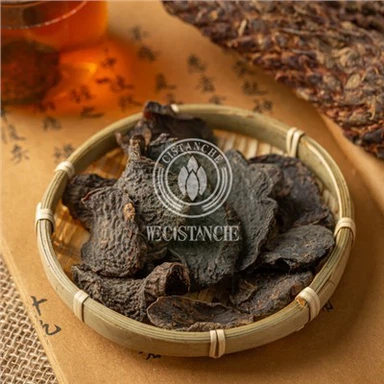
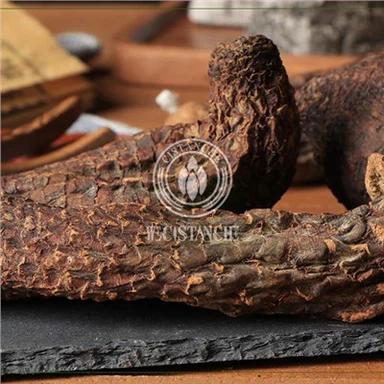
Herbs that are commonly used to treat Parkinson's disease in TCM include Cistanche, Morinda Officinalis, and Ligusticum Chuanxiong. Among these, Cistanche has been found to have significant benefits in treating and preventing Parkinson's disease.
Mechanism of Cistanche in treating and preventing Parkinson's disease:
In recent years, research has shown that Cistanche has the potential to treat and prevent Parkinson's disease. The herb contains many active compounds, including echinacoside, acteoside, and phenylethanoid glycosides, which have neuroprotective effects. Cistanche can prevent the depletion of dopamine, which is the primary neurotransmitter affected in Parkinson's disease. Cistanche also has antioxidant properties, which help to reduce oxidative stress caused by free radicals in the brain. This, in turn, helps to prevent the degeneration of neurons in the brain and reduces the risk of Parkinson's disease.

In summary, Parkinson's disease is recognized in TCM theory as a type of trembling disorder caused by the deficiency of yang and the impairment of liver and kidney functions. TCM practitioners use a combination of acupuncture, herbal medicine, and dietary therapy to treat Parkinson's disease. Among the herbs used in TCM, Cistanche has been found to have significant benefits in treating and preventing Parkinson's disease. The herb can prevent the depletion of dopamine and reduce oxidative stress in the brain, which helps to prevent the degeneration of neurons and reduce the risk of Parkinson's disease.
Reference:
Li, J., Liu, Q., Zou, X., Huang, W., & Yin, J. (2018). Beneficial Effects of Cistanche Tubulosa Extract on Motor Dysfunction, Dopamine System, and Neuroinflammation in a Rat Model of Parkinson's Disease. Frontiers in Pharmacology, 9, 187. doi: 10.3389/fphar.2018.00187.
for more information:ali.ma@wecistanche.com