Influence Of Two Exercise Programs On Heart Rate Variability, Body Temperature, Central Nervous System Fatigue, And Cortical Arousal After A Heart Attack Part 2
Oct 09, 2023
3.2. Heart Rate Variability
The stress index was higher in the HAP groups compared to the control groups. Those who did the HIIT protocol had higher Stress Index values from pre-exercise than those who did the MICT protocol, and from exercise to post-exercise, the HAP in HIIT dropped slightly, while the HAP in MICT continued to rise sharply (Table 3). In addition, there was a higher decrease in the number of RR intervals in the HIIT in both groups (HAP: 210.5 ± 112.75 ms2 vs. control: 346 ± 0.00 ms2 ) compared to the MICT groups (HAP: 120.5 ± 74.2 ms2 vs. control: 81.7 ± 0.00 ms2 ). However, no significant interaction or main effects were observed in RMSSD (Table 3).

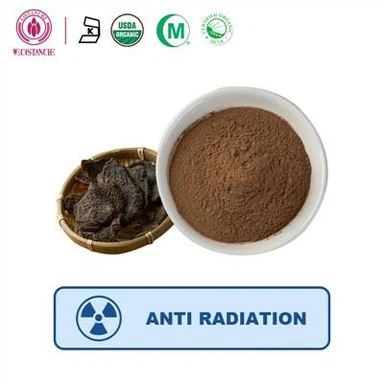
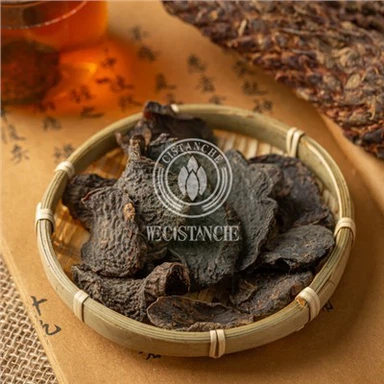
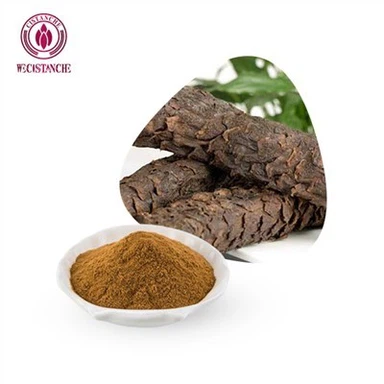
Cistanche can act as an anti-fatigue and stamina enhancer, and experimental studies have shown that the decoction of Cistanche tubulosa could effectively protect the liver hepatocytes and endothelial cells damaged in weight-bearing swimming mice, upregulate the expression of NOS3, and promote hepatic glycogen synthesis, thus exerting anti-fatigue efficacy. Phenylethanoid glycoside-rich Cistanche tubulosa extract could significantly reduce the serum creatine kinase, lactate dehydrogenase, and lactate levels, and increase the hemoglobin (HB) and glucose levels in ICR mice, and this could play an anti-fatigue role by decreasing the muscle damage and delaying the lactic acid enrichment for energy storage in mice. Compound Cistanche Tubulosa Tablets significantly prolonged the weight-bearing swimming time, increased the hepatic glycogen reserve, and decreased the serum urea level after exercise in mice, showing its anti-fatigue effect. The decoction of Cistanchis can improve endurance and accelerate the elimination of fatigue in exercising mice, and can also reduce the elevation of serum creatine kinase after load exercise and keep the ultrastructure of skeletal muscle of mice normal after exercise, which indicates that it has the effects of enhancing physical strength and anti-fatigue. Cistanchis also significantly prolonged the survival time of nitrite-poisoned mice and enhanced the tolerance against hypoxia and fatigue.

Click on feeling tired all the time
【For more info:george.deng@wecistanche.com / WhatsApp:8613632399501】

3.3. Central Nervous System Fatigue, Blood Pressure, and Cortical Arousal
Analyzing the fatigue of CNS in the different protocols performed, we verified that the continuous training presented greater fatigue of CNS for the HAP than in the control. However, the blood pressure difference was greater in patients with adverse cardiac events than in participants without events, and there were no differences in cortical arousal outcomes between the groups (Table 4).

4. Discussion
This research aimed to analyze the physiological parameters of thermography, HRV, blood pressure, and cortical arousal in cardiac patients who belong to CR programs of HIIT and MICT compared to healthy participants. Analyzing the fatigue perception of the different training conducted, we found that the MICT presented a higher fatigue perception for HAP than in control participants. It seems that the short rest interval allowed the HAP to have a lower fatigue perception, a fact in line with previous studies that also found higher motivation in interval training than in continuous training [40]. It is also important to note that HAP presented more than twice CNS fatigue in MICT than control participants, but HIIT had almost the same fatigue perception in HAP as control patients. We can see how MICT is more demanding for HAP, a fact that may explain the lower adherence to this training; in addition, whilst MICT is a training that is based on a traditional periodization, based on the sequencing of volume for intensity during a certain period, which can make it less challenging, HIIT is identified more with a reverse periodization, based on an opposite paradigm—first, the training intensity and then the volume [41]—and previous studies report that the level of adherence to reverse periodization was significantly greater than traditional training [42]; even so, it seems that the programs where greater adherence to CR programs is being verified are those that introduce virtual reality or video games [5]. This result is important when practitioners have to design training for HAP since HIIT shows higher physiological adaptation [43]; furthermore, MICT in this population produces lower fatigability, a fact that would improve adherence to programs based on HIIT. In addition, independent of the training (HIIT or MICT), a hypotension response was evaluated, in fact, in line with previous studies, although recent research showed higher adaptations after HIIT protocols [44,45]. The same was also verified in patients with cardiac problems [46], which coincides with the results of our study regarding the fatigability of cardiac patients in mental and physical workouts. Still, no suggestions were made on the potential value of this method for the diagnosis or prognosis of cardiac disease.
Patients with hypertension or coronary disease tend to have low values for flicker fusion frequency. However, the patients without evidence of CVD also had values of the fusion frequency, and a positive correlation between flicker fusion frequency and resting systolic blood pressure has been found previously [46]. However, the patients without evidence of CVD also had values of the fusion frequency quite comparable with those for the cardiovascular patients, except for the group with malignant hypertension, but lower than for the normal people of equal age. Many types of pathology may depress flicker fusion frequency [47–50].
In the same regard, the present study showed that HIIT and MICT programs decreased systolic blood pressure in pre- to post-exercise. Mounting evidence demonstrates that participating in physical activity CR programs has been recommended to cardiac patients as an effective non-pharmacological approach to improving blood pressure [11,15,51].

Some studies report the importance of heart rate variability in patients who have suffered heart attacks [52], as it seems that a reduced HRV is related to mortality after a heart attack; thus, HRV can be a useful tool in risk stratification post-HAP [19,53]. Our findings showed that the HIIT protocol had improved the domains of HRV, including the number of RR intervals in HAP compared to MICT. In addition, some studies exposed that, compared with MICT, HIIT has good efficacy in improving cardiovascular fitness [10,43,45,54]. Furthermore, HIIT training appears to be a useful therapeutic intervention to improve the unbalanced autonomic function of HAP, and studies observed an increase in cardiac vagal activity after aerobic exercise programs [9,12,16]. However, our study observed no significant interaction or main effects in RMSSD. Regardless, the stress index of HRV was higher in the HAP groups compared to the control groups. The HIIT protocol had higher values from pre-exercise than those who did the MICT protocol, and from exercise to post-exercise, the HAP in HIIT dropped slightly, while the HAP in MICT continued to rise sharply. High values of the stress index indicate reduced variability and high sympathetic cardiac activation. Similar exercise training programs have been provided. Some similar training programs showed different results, although some do not describe the loads applied in training [55–58]. Other authors report significant improvements in HRV using different training protocols [4,59]. Authors evaluated the cardiac autonomic response through HRV in women who performed a maximum incremental exercise; the results showed an abnormal autonomic modulation at rest, during, and after exercise [60–62], although other authors report that only two weeks of training with intensities above 75% can increase HRV [10].
Analyzing the thermography results, our study demonstrates that the body temperature difference in the chest was greater in patients with adverse cardiac events than in patients without events. In the groups of healthy participants, the temperature remained practically the same. Many authors propose diagnostic imaging as a means of detecting the risk of suffering from CVD [60,63,64]. Controlling inflammation in the carotid arteries may decrease the risk of CVD [63]. Using imaging as a diagnosis can prevent and help determine the cause of CVD [64]. Early signs of heart disease may be associated with increased or decreased peripheral blood flow. Thermography can play a key role in this diagnosis [65].
Limitations of the Study and Future Perspectives
The main limitation of the present study is the low number of participants. Due to the specificity of the disease, namely, in the recovery phases (II on an outpatient basis or in phase III after medical discharge), it is still difficult to find participants to apply high-intensity exercise stimulus; thus, we decided to carry out a case study. Another limitation was the use of indirect measures of cortical arousal; electroencephalography would more deeply explain all cortical responses in this population group. As perspectives for the future, we believe that this methodology is safe and can be beneficial in the recovery of patients who have suffered a heart attack (mainly in phase III of recovery after medical discharge), and can be a method of education or re-education toward healthier lifestyles. Therefore, we propose that this method be used in a larger sample of patients after a heart attack.
5. Conclusions
Finally, we concluded that both training protocols (HIIT and MICT) produced a similar thermographic response in both heart attack patients and control participants, showing in some body segments (such as the chest, abdomen, right and left arm) lower temperatures in the heart attack patients. Regarding the autonomic response, heart attack patients presented higher sympathetic modulation in both pieces of training, showing that HIIT had higher sympathetic modulation than MICT; however, in the post-evaluation, the HRV was equal between HIIT and MICT in heart attack patients. The MICT training produced higher subjective fatigue and a greater decrease in cortical arousal in heart attack patients than HIIT, contrary to that in control participants. No differences in systolic and diastolic blood pressure were found between HIIT and MICT training in heart attack patients; however, they presented higher systolic and lower diastolic blood pressure than control participants during both trainings.

Author Contributions: Conceptualization, C.G., J.A.P., and V.J.C.-S.; methodology, C.G.; software, V.J.C.-S.; validation, C.G., J.P. and A.R.; formal analysis, C.G., and J.A.P. and V.J.C.-S.; investigation, C.G., J.B., A.A., J.A.P., and A.R.; resources, C.G., J.A.P., A.R., J.P., and V.J.C.-S.; data curation, V.J.C.-S.; writing—original draft preparation, C.G.; writing—review and editing, C.G. and J.A.P.; visualization, C.G., J.P., A.R., and V.J.C.-S.; supervision, C.G., J.B., and A.R.; project administration, C.G., and J.A.P.; funding acquisition, C.G., and J.A.P. All authors have read and agreed to the published version of the manuscript.
Funding: This research was funded by Fundação para a Ciência e Tecnologia (Portugal), grant number SFRH/BD/138326/2018, and UÉvora—UniverCIDADE VII program. Portuguese Institute for Sport and Youth—I.P., Support for Sport Activity 2022, Sport Development Program Agreement, CP/217/DDT/2022.
Institutional Review Board Statement: Ethics approval was obtained from the University of Évora Ethics Committee (reference number: 17039).
Informed Consent Statement: All participants were informed about the experimental procedures, indicating the right to withdraw from the study at any time and providing written informed consent.
Data Availability Statement: The data that support the findings of this study are available from the corresponding author, C.G., upon reasonable request.
Acknowledgments: This work was supported by the Fundação para a Ciência e a Tecnologia (Portugal).
Conflicts of Interest: The authors declare no conflict of interest. The funders had no role in the design of the study; in the collection, analyses, or interpretation of data; in the writing of the manuscript, or in the decision to publish the results.
Abbreviations
CR Cardiac rehabilitation
CVD Cardiovascular diseases
CNS Central nervous system
CFFT Critical flicker fusion threshold
HAP Heart attack patients
HRV Heart rate variability
HR Heart rate
HIIT High-Intensity Interval Training
alpha-2 Long-term fluctuation of the detrended fluctuation analysis
ms Milliseconds
MICT Moderate-intensity Continuous Training
NYHA New York Heart Association
Peak Heart Rate
SampEn Sample entropy
alpha-1 Short-term fluctuation of the detrended fluctuation analysis
RMSSD Square root of differences between adjacent RR intervals
VSA Visual analog scale
WHO World Health Organization

References
1. World Health Organization. Cardiovascular Disease. Fact Sheet N 317; WHO: Geneva, Switzerland, 2011.
2. European Association for Cardiovascular Prevention and Rehabilitation Committee for Science Guidelines; EACPR; Corrà, U.; Piepoli, M.F.; Carré, F.; Heuschmann, P.; Hoffmann, U.; Verschuren, M.; Halcox, J.; Document Reviewers; et al. Secondary prevention through cardiac rehabilitation: Physical activity counseling and exercise training: Key components of the position paper from the Cardiac Rehabilitation Section of the European Association of Cardiovascular Prevention and Rehabilitation. Eur. Heart J. 2010, 31, 1967–1974. [PubMed]
3. Arnett, D.K.; Blumenthal, R.S.; Albert, M.A.; Buroker, A.B.; Goldberger, Z.D.; Hahn, E.J.; Himmelfarb, C.D.; Khera, A.; Lloyd-Jones, D.; McEvoy, J.W.; et al. ACC/AHA Guideline on the Primary Prevention of Cardiovascular Disease: A Report of the American College of Cardiology/American Heart Association Task Force on Clinical Practice Guidelines. J. Am. Coll. Cardiol. 2019, 140, e596–e646. [CrossRef]
4. García-Bravo, S.; Cano-de-la-Cuerda, R.; Domínguez-Paniagua, J.; Campuzano-Ruiz, R.; Barreñada-Copete, E.; López-Navas, M.J.; Araujo-Narváez, A.; García-Bravo, C.; Florez-Garcia, M.; Botas-Rodríguez, J.; et al. Effects of Virtual Reality on Cardiac Rehabilitation Programs for Ischemic Heart Disease: A Randomized Pilot Clinical Trial. Int. J. Environ. Res. Public Health 2020, 17, 8472. [CrossRef] [PubMed]
5. García-Bravo, S.; Cuesta-Gómez, A.; Campuzano-Ruiz, R.; Jesús López-Navas, M.; Domínguez-Paniagua, J.; Araújo-Narváez, A.; Barreñada-Copete, E.; García-Bravo, C.; Tomás Flórez-García, M.; Botas-Rodríguez, J.; et al. Virtual reality and video games in cardiac rehabilitation programs. A systematic review. Disabil. Rehabil. 2019, 43, 448–457. [CrossRef] [PubMed]
6. Dibben, G.; Faulkner, J.; Oldridge, N.; Rees, K.; Thompson, D.; Zwisler, A.; Taylor, R. Exercise-based cardiac rehabilitation for coronary heart disease. Cochrane Database Syst. Rev. 2021, 2021, CD001800.
7. Freyssin, C.; Verkindt, C.; Prieur, F.; Benaich, P.; Maunier, S.; Blanc, P. Cardiac rehabilitation in chronic heart failure: Effect of an 8-week, high-intensity interval training versus continuous training. Arch. Physiol. Med. Rehabil. 2012, 93, 1359–1364. [CrossRef]
8. Keteyian, S.J.; Hibner, B.A.; Bronsteen, K.; Kerrigan, D.; Aldred, H.A.; Reasons, L.M.; Saval, M.A.; Brawner, C.A.; Schairer, J.R.; Thompson, T.; et al. Greater improvements in cardiorespiratory fitness using higher-intensity interval training in the standard cardiac rehabilitation setting. J. Cardiopulm. Rehabil. Prev. 2014, 34, 98–105. [CrossRef]
9. Benda, N.M.; Seeger, J.H.; Stevens, G.F.; Hijmans-Kersten, B.P.; van Dijk, A.J.; Bellersen, L.; Lamfers, E.; Hopman, M.T.E.; Thijssen, D.J. Effects of high-intensity interval training versus continuous training on physical fitness, cardiovascular function, and quality of life in heart failure patients. PLoS ONE 2015, 10, e0141256. [CrossRef]
10. Gonçalves, C.; Raimundo, A.; Abreu, A.; Bravo, J. Exercise intensity in patients with cardiovascular diseases: Systematic review with meta-analysis. Int. J. Environ. Res. Public Health 2021, 18, 3574. [CrossRef]
11. Hanssen, H.; Boardman, H.; Deiseroth, A.; Moholdt, T.; Simonenko, M.; Krankel, N.; Niebauer, J.; Tiberi, M.; Abreu, A.; Solberg, E.E.; et al. Personalized exercise prescription in the prevention and treatment of arterial hypertension: A Consensus Document from the European Association of Preventive Cardiology (EAPC) and the ESC Council on Hypertension. Eur. J. Prev. Cardiol. 2022, 29, 205–215. [CrossRef]
12. Fisher, G.; Brown, A.; Bohan Brown, M.; Alcorn, A.; Noles, C.; Winwood, L.; Resuehr, H.; George, B.; Jeansonne, M.; Allison, D.B. High-intensity interval vs. moderate-intensity training for improving cardiometabolic health in overweight or obese males: A randomized controlled trial. PLoS ONE 2015, 10, e0138853. [CrossRef] [PubMed]
13. Hansen, D.; Abreu, A.; Ambrosetti, M.; Cornelissen, V.; Gevaert, A.; Kemps, H.; Laukkanen, J.A.; Pedretti, R.; Simonenko, M.; Wilhelm, M.; et al. Exercise intensity assessment and prescription in cardiovascular rehabilitation and beyond: Why and how: A position statement from the Secondary Prevention and Rehabilitation Section of the European Association of Preventive Cardiology. Eur. J. Prev. Cardiol. 2022, 29, 230–245. [CrossRef] [PubMed]
14. Chrysohoou, C.; Angelis, A.; Tsitsinakis, G.; Spetsioti, S.; Nasis, I.; Tsiachris, D.; Rapakoulias, P.; Pitsavos, C.; Koulouris, N.; Vogiatzis, I.; et al. Cardiovascular effects of high-intensity interval aerobic training combined with strength exercise in patients with chronic heart failure: A randomized phase III clinical trial. Int. J. Cardiol. 2015, 179, 269–274. [CrossRef] [PubMed]
15. Haykowsky, M.J.; Timmons, M.P.; Kruger, C.; McNeely, M.; Taylor, D.A.; Clark, A.M. Meta-analysis of aerobic interval training on exercise capacity and systolic function in patients with heart failure and reduced ejection fractions. Am. J. Cardiol. 2013, 111, 1466–1469. [CrossRef] [PubMed]
16. Weston, K.S.; Wesloff, U.; Coombes, J.S. High-intensity interval training in patients with lifestyle-induced cardiometabolic disease: A systematic review and meta-analysis. Br. J. Sport. Med. 2014, 48, 1227–1234. [CrossRef]
17. Aguilera, J.F.T.; Elias, V.F.; Clemente-Suárez, V.J. Autonomic and cortical response of soldiers in different combat scenarios. BMJ Mil. Health 2021, 167, 172–176. [CrossRef]
18. Sánchez-Conde, P.; Clemente-Suárez, V.J. Autonomic stress response of nurse students in an objective structured clinical examination (OSCE). Sustainability 2021, 13, 5803. [CrossRef]
19. Huikuri, H.V.; Stein, P.K. Heart rate variability in risk stratification of cardiac patients. Prog. Cardiovasc. Dis. 2013, 56, 153–159. [CrossRef]
20. Mendoza-Castejón, D.; Clemente-Suárez, V.J. Autonomic profile, physical activity, body mass index and academic performance of school students. Sustainability 2020, 12, 6718. [CrossRef]
21. Bustamante-Sánchez, A.; Tornero-Aguilera, J.F.; Fernández-Elías, V.E.; Hormeño-Holgado, A.J.; Dalamitros, A.A.; ClementeSuárez, V.J. Effect of stress on autonomic and cardiovascular systems in military population: A systematic review. Cardiol. Res. Pract. 2020, 2020, 7986249. [CrossRef]
22. Viegas, F.; Mello, M.; Rodrigues, S.A.; Costa, C.; Freitas, L.; Rodrigues, E.; Silva, A. The use of thermography and its control variables: A systematic review. Rev. Bras. Med. Esporte 2020, 26, 82–86. [CrossRef]
23. Sillero-Quintana, M.; Fernández-Jaén, T.; Fernández-Cuevas, I.; Gómez-Carmona, P.M.; Arnaiz-Lastras, J.; Pérez, M.D.; Guillén, P. Infrared thermography as a support tool for screening and early diagnosis in emergencies. J. Med. Imaging Health Inform. 2015, 5, 1223–1228. [CrossRef]
24. Ring, E.F.J.; Ammer, K. Infrared thermal imaging in medicine. Physiol. Meas. 2012, 33, R33–R46. [CrossRef] [PubMed] 25. Li, X.S.; Wang, D.H. Suppression of thermogenic capacity during reproduction in primiparous brandt0 s voles (Microtus brandtii). J. Therm. Biol. 2005, 30, 431–436. [CrossRef]
26. Clamente-Suárez, V.; Parraca, J.; Silva, V.; Batalha, N.; Costa, A.; Tomas-Carus, P. Differences in Peripheral Vascular Response of a Fibromyalgia Patient in a Physical Fatigue Situation. A Case-Control Report; Perspectivas Online: Biológicas &Saúde: Rio de Janeiro, Brazil, 2021; Volume 11, pp. 1–10.
27. De Rezende Barbosa, M.; Silva, N.; de Azevedo, F.; Pastre, C.; Vanderlei, L. Comparison of Polar®RS 800G3TM heart rate monitor with Polar®S810iTM and electrocardiogram to obtain the series of RR intervals and analysis of heart rate variability at rest. Clin. Physiol. Funct. Imaging 2016, 36, 112–117. [CrossRef] [PubMed]
28. Tarvainen, M.P.; Niskanen, J.P.; Lipponen, J.A.; Ranta-Aho, P.O.; Karjalainen, P.A. Kubios HRV–heart rate variability analysis software. Comput. Methods Programs Biomed. 2014, 113, 210–220. [CrossRef]
29. Clemente-Suárez, V.J.; Diaz-Manzano, M. Evaluation of Central Fatigue by the Critical Flicker Fusion Threshold in Cyclists. J. Med. Syst. 2019, 43, 61. [CrossRef]
30. Ramírez-Adrados, A.; Fernández-Elías, V.E.; Fernández-Martínez, S.; Martínez-Pascual, B.; Gonzalez-de-Ramos, C.; ClementeSuárez, V.J. The Effect of Studying a Double Degree in the Psychophysiological Stress Response in the Bachelor’s Thesis Defense. Int. J. Environ. Res. Public Health 2022, 19, 1207. [CrossRef]
31. Clemente-Suárez, V.J.; Arroyo-Toledo, J.J. Use of Biotechnology Devices to Analyse Fatigue Process in Swimming Training. J. Med. Syst. 2017, 41, 94. [CrossRef]
32. Fuentes, J.P.; Villafaina, S.; Collado-Mateo, D.; de la Vega, R.; Gusi, N.; Clemente-Suárez, V.J. Use of Biotechnological Devices in the Quantification of Psychophysiological Workload of Professional Chess Players. J. Med. Syst. 2018, 42, 40. [CrossRef]
33. Delgado-Moreno, R.; Robles-Pérez, J.J.; Aznar-Laín, S.; Clemente-Suárez, V.J. Effect of Experience and Psychophysiological Modification by Combat Stress in Soldier’s Memory. J. Med. Syst. 2019, 43, 150. [CrossRef] [PubMed]
34. Clemente-Suárez, V.J. The Application of Cortical Arousal Assessment to Control Neuromuscular Fatigue During Strength Training. J. Mot. Behav. 2017, 49, 429–434. [CrossRef] [PubMed]
35. Mendoza-Castejon, D.; Fraile-García, J.; Diaz-Manzano, M.; Fuentes-Garcia, J.P.; Clemente-Suárez, V.J. Differences in the autonomic nervous system stress status of urban and rural school teachers. Physiol. Behav. 2020, 222, 112925.
36. Redondo-Flórez, L.; Tornero-Aguilera, J.F.; Clemente-Suárez, V.J. Could academic experience modulate psychophysiological stress response of biomedical sciences students in the laboratory? Physiol. Behav. 2020, 223, 113017. [CrossRef]
37. Beltrán-Velasco, A.I.; Bellido-Esteban, A.; Ruisoto-Palomera, P.; Mendoza, K.H.; Clemente-Suárez, V.J. The effect of cultural differences in psychophysiological stress response in high education context: A pilot study. Appl. Psychophysiol. Biofeedback 2020, 45, 23–29. [CrossRef]
38. Catai, A.M.; Pastre, C.M.; de Godoy, M.F.; da Silva, E.; de Medeiros Takahashi, A.C.; Vanderlei, L.C. Heart rate variability: Are you using it properly? Standardization checklist of procedures. Braz. J. Phys. Ther. 2020, 24, 91–102. [CrossRef]
39. Camm, A.J.; Malik, M.; Bigger, J.T.; Breithardt, G.; Cerutti, S.; Cohen, R.J.; Cozumel, P.; Fallen, E.L.; Kennedy, H.L.; Kleiger, R.E. Heart rate variability: Standards of measurement, physiological interpretation, and clinical use. Task Force of the European Society of Cardiology and the North American Society of Pacing and Electrophysiology. Circulation 1996, 93, 1043–1065.
40. McKean, M.R.; Stockwell, T.B.; Burkett, B.J. Response to Constant and Interval Exercise Protocols in the Elderly. J. Exerc. Physiol. Online 2012, 15, 30–39.
41. Clemente-Suarez, V.J.; Fernandes, R.J.; Arroyo-Toledo, J.J.; Figueiredo, P.; Gonzalez-Rave, J.M.; Vilas-Boas, J.P. Autonomic adaptation after traditional and reverse swimming training periodizations. Acta Physiol. Hung. 2015, 102, 105–113. [CrossRef]
42. Clemente-Suárez, V.J.; Ramos-Campo, D.J.; Tornero-Aguilera, J.F.; Parraca, J.A.; Batalha, N. The Effect of Periodization on Adherence to the Training Program. Int. J. Environ. Res. Public Health 2021, 18, 12973. [CrossRef]
43. Wisløff, U.; Støylen, A.; Loennechen, J.P.; Bruvold, M.; Rognmo, Ø.; Haram, P.M.; Tjønna, A.E.; Helgerud, J.; Slørdahl, S.A.; Lee, S.J.; et al. Superior cardiovascular effect of aerobic interval training versus moderate continuous training in heart failure patients: A randomized study. Circulation 2007, 115, 3086–3094. [CrossRef]
44. Turri-Silva, N.; Vale-Lira, A.; Verboven, K.; Quaglioti Durigan, J.L.; Hansen, D.; Cipriano, G., Jr. High-intensity interval training versus progressive high-intensity circuit resistance training on endothelial function and cardiorespiratory fitness in heart failure: A preliminary randomized controlled trial. PLoS ONE 2021, 16, e0257607. [CrossRef] [PubMed]
45. Moholdt, T.T.; Amundsen, B.H.; Rustad, L.A.; Wahba, A.; Løvø, K.T.; Gullikstad, L.R.; Bye, A.; Skogvoll, E.; Wisløff, U.; Slørdahl, S.A. Aerobic interval training versus continuous moderate exercise after coronary artery bypass surgery: A randomized study of cardiovascular effects and quality of life. Am. Heart J. 2009, 158, 1031–1037. [CrossRef] [PubMed]
46. Gutherie, A.H.; Hammond, B.R., Jr. Critical flicker fusion frequency: Relation to resting systolic blood pressure. Optom. Vis. Sci. 2004, 81, 373–376. [CrossRef] [PubMed]
47. Truszczy ´nski, O.; Wojtkowiak, M.; Biernacki, M.; Kowalczuk, K. The effect of hypoxia on the critical flicker fusion threshold in pilots. Int. J. Occup. Med. Environ. Health 2009, 22, 13–18. [CrossRef]
48. Sharma, T.; Galea, A.; Zachariah, E.; Das, M.; Taylor, D.; Ruprah, M.; Kumari, V. Effects of 10 mg and 15 mg oral procyclidine on critical flicker fusion threshold and cardiac functioning in healthy human subjects. J. Psychopharmacol. 2002, 16, 183–187. [CrossRef]
49. Balestra, C.; Machado, M.L.; Theunissen, S.; Balestra, A.; Cialoni, D.; Clot, C.; Besnard, S.; Kammacher, L.; Delzenne, J.; Germonpré, P.; et al. Critical flicker fusion frequency: A marker of cerebral arousal during modified gravitational conditions related to parabolic flights. Front. Physiol. 2018, 9, 1403. [CrossRef]
50. Lecca, L.I.; Fadda, P.; Fancello, G.; Medda, A.; Meloni, M. Cardiac Autonomic Control and Neural Arousal as Indexes of Fatigue in Professional Bus Drivers. Saf. Health Work. 2022, 13, 148–154. [CrossRef]
51. Ghadieh, A.S.; Saab, B. Evidence for exercise training in the management of hypertension in adults. Can. Fam. Physician 2015, 61, 233–239.
52. Arshi, B.; Geurts, S.; Tilly, M.J.; van den Berg, M.; Kors, J.A.; Rizopoulos, D.; Ikram, M.A.; Kavousi, M. Heart rate variability is associated with left ventricular systolic, diastolic function and incident heart failure in the general population. BMC Med. 2022, 20, 91. [CrossRef]
53. Ernst, G. Heart-Rate Variability—More than Heart Beats? Front. Public Health 2017, 5, 240. [CrossRef] [PubMed]
54. Shea, M.G.; Headley, S.; Mullin, E.M.; Brawner, C.A.; Schilling, P.; Pack, Q.R. Comparison of Ratings of Perceived Exertion and Target Heart Rate-Based Exercise Prescription in Cardiac Rehabilitation: A randomized controlled pilot study. J. Cardiopulm. Rehabil. Prev. 2022, 42, 352–358. [CrossRef] [PubMed]
55. Takeyama, J.; Itoh, H.; Kato, M.; Koike, A.; Aoki, K.; Fu, L.T.; Watanabe, H.; Nagayama, M.; Katagiri, T. Effects of physical training on the recovery of the autonomic nervous activity during exercise after coronary artery bypass grafting: Effects of physical training after CABG. Jpn. Circ. J. 2000, 64, 809–813. [CrossRef] [PubMed]
56. Oya, M.; Itoh, H.; Kato, K.; Tanabe, K.; Murayama, M. Effects of exercise training on the recovery of the autonomic nervous system and exercise capacity after acute myocardial infarction. Jpn. Circ. J. 1999, 63, 843–848. [CrossRef] [PubMed]
57. Fujimoto, S.; Uemura, S.; Tomoda, Y.; Yamamoto, H.; Matsukura, Y.; Horii, M.; Iwamoto, E.; Hashimoto, T.; Dohi, K. Effects of exercise training on the heart rate variability and QT dispersion of patients with acute myocardial infarction. Jpn. Circ. J. 1999, 63, 577–582. [CrossRef]
58. Tsai, M.-W.; Chie, W.-C.; Kuo, T.; Chen, M.-F.; Liu, J.-P.; Chen, T.; Wu, Y.-T. Effects of exercise training on heart rate variability after coronary angioplasty. Phys Ther. 2006, 86, 626–635. [CrossRef]
59. Iellamo, F.; Legramante, J.M.; Massaro, M.; Raimondi, G.; Galante, A. Effects of a residential exercise training on baroreflex sensitivity and heart rate variability in patients with coronary artery disease: A randomized, controlled study. Circulation 2000, 102, 2588–2592. [CrossRef]
60. Upadhyay, R.K. Emerging risk biomarkers in cardiovascular diseases and disorders. J. Lipids 2015, 2015, 971453. [CrossRef]
61. Costa, A.R.; Freire, A.; Parraca, J.A.; Silva, V.; Tomas-Carus, P.; Villafaina, S. Heart Rate Variability and Salivary Biomarkers Differences between Fibromyalgia and Healthy Participants after an Exercise Fatigue Protocol: An Experimental Study. Diagnostics 2022, 12, 2220. [CrossRef]
62. Schamne, J.C.; Ressetti, J.C.; Lima-Silva, A.E.; Okuno, N.M. Impaired Cardiac Autonomic Control in Women With Fibromyalgia Is Independent of Their Physical Fitness. J. Clin. Rheumatol. Pract. Rep. Rheum. Musculoskelet. Dis. 2021, 27, S278–S283. [CrossRef]
63. Lang, Y.; Wang, Y.; Zhan, J.; Bai, Y.; Hou, C.; Wu, J.; Huang, R.; Wang, Y.; Huang, Y. Chest-scale self-compensated epidermal electronics for standard 6-precordial-lead ECG. Npj Flex. Electron. 2022, 6, 29.
64. Grund; Frank Sommerschild, H.T.; Kirkebøen, K.A.; Ilebekk, A. A new approach to normalize myocardial temperature in the open-chest pig model. J. Appl. Physiol. 1998, 84, 2190–2197.
65. Whelton, S.P.; Narla, V.; Blaha, M.J.; Nasir, K.; Blumenthal, R.S.; Jenny, N.S.; Al-Mallah, M.H.; Michos, E.D. Association between resting heart rate and inflammatory biomarkers, high-sensitivity c-reactive protein, interleukin-6, and fibrinogen from the multi-ethnic study of atherosclerosis. Am. J. Cardiol. 2014, 113, 644–649. [CrossRef] [PubMed]
Disclaimer/Publisher's Note: The statements, opinions, and data contained in all publications are solely those of the individual author(s) and contributor(s) and not of MDPI and/or the editor(s). MDPI and/or the editor(s) disclaim responsibility for any injury to people or property resulting from any ideas, methods, instructions, or products referred to in the content.
【For more info:george.deng@wecistanche.com / WhatsApp:8613632399501】