Kidney Intrinsic Mechanisms Are New Targets For Renovascular HypertensionⅡ
Jan 26, 2024
Intrinsic mechanisms of the kidney
Oxidative stress reactive oxygen species (ROS)
As important second messengers, ROS play an important role in renal pathophysiology, but when ROS are excessive, they can damage the antioxidant defense system and increase oxidative stress. Ischemic injury induces oxidative stress, which favors nitric oxide (NO) quenching leading to microvascular endothelial dysfunction, as ROS abundance activates redox-dependent inflammation and growth factors, releasing progressive remodeling of renal microvascular structure, including Intimal thickening and luminal narrowing. These pave the way for the development of glomerulosclerosis, tubulointerstitial and perivascular fibrosis, and tubular atrophy that promotes the development and progression of chronic RVD renal insufficiency. Therefore, the abundance of ROS in the kidney starts earlier and actively participates in the pathophysiological process of RVD.

Click to cistanche for kidney disease
Regression of RVD reduces oxidative stress, improves antioxidant defense, increases NO bioavailability, improves vascular function and hypertension control, and supports multi-step pathophysiological cascades. Therefore, ROS as a single or synergistic intervention is a logical strategy for RVD but has shown different results in experimental and clinical settings. The main sources of ROS are nicotinamide adenine dinucleotide phosphate oxidase and mitochondria, which are ubiquitous throughout the kidney. Targeting specific sources of ROS may facilitate the development of novel therapies targeting mechanisms that may counteract renal injury in RVD, as discussed in subsequent sections. However, since the reduction of ROS may partially ameliorate renal insufficiency, hypertension, microvascular remodeling, inflammation, and fibrotic activities in RVD, their sources are difficult to distinguish as drug targets. Therefore, renal cell/organelle-specific antioxidant compounds as therapeutic agents are few and require further investigation.
inflammation
Renal inflammation plays an important role in the pathogenesis of RVD and has negative effects on the kidneys and other organs. In rats, 2-kidney 1 clamping resulted in interstitial lymphocyte and macrophage infiltration. Pro-inflammatory cytokines are expressed as monocyte chemoattractant protein (MCP)-1, nuclear factor (NF)-κB, and tumor necrosis factor (TNF)-α in porcine RVD dysfunctional kidneys. -Kappa B and TNF-α are elevated, associated with B-T cell and macrophage infiltration. Likewise, renal biopsy and nephrectomy specimens from patients with severe RVD show macrophage infiltration and fibrosis.
Furthermore, renal vein samples from stenotic pig and human kidneys showed elevated levels of inflammatory cytokines, predictive of acute kidney injury and impaired renal function, and correlated with neutrophil gelatinase-associated lipocalin levels, reflecting renal and systemic Inflammation and ischemia. Systemic C-reactive protein and peripheral leukocyte levels are also elevated and associated with higher rates of coronary heart disease and mortality. In pigs with atherosclerotic RVD, restoring renal artery patency failed to reduce renal inflammation or improve renal function, and proinflammatory cytokine release was inversely correlated with renal function recovery, emphasizing the dominant role of inflammation in RVD. Similarly, in patients with RVD, restoring arterial blood flow does not reverse markers of tissue inflammation and damage or improve renal function, which may partially explain the limited clinical benefit of renal stenting.

Indeed, anti-inflammatory intervention appears to be effective in reducing renal damage in experimental RVD. In pigs, MCP-1 inhibitors improved inflammation and fibrosis and increased the glomerular filtration rate in stenotic kidneys. Likewise, intrarenal infusion of mesenchymal stem cells (MSCs) with important anti-inflammatory properties preserves the structure and function of the stenotic kidney, suggesting novel therapeutic potential for anti-inflammatory intervention in RVD.
fibrogenic pathway
Renal scarring and tissue remodeling are key to the progression of RVD to renal insufficiency. Progressive glomerulosclerosis, interstitial fibrosis, and tubular atrophy are common in the chronic ischemic kidney and are associated with progression to renal insufficiency. Profibrotic factors, such as transforming growth factor (TGF)-β, tissue inhibitor matrix metalloproteinase (TIMP)-1, positive feedback of TGF-β and MCP-1 signaling in glomerular mesangial cells promote ROS production and kidney disease progression and its inhibition reduced fibrosis and atrophy in experimental RVD. TGF-β upregulation is particularly pronounced in the poststenotic kidney when vascular remodeling is complete. Its downstream mediator Smad2/3 is continuously increased in stenotic kidneys and triggers interstitial fibrosis, while TIMP-1 inhibits extracellular matrix degradation and promotes collagen deposition, and PAI-1 regulates angiotensin II-mediated hypertensive injury. Therefore, targeting these profibrotic cascades may attenuate fibrosis and renal dysfunction in RVD. Cell therapy, mitochondrial protection drugs, granulocyte colony-stimulating factor (G-CSF), MCP-1 inhibitors, ACE inhibitors/angiotensin II receptor blockers, triple therapy, etc., are effective in improving experimental RVD stenosis. Fibrosis works.
atherosclerosis
The atherogenic process has a strong influence on the development of renal injury before the formation of obstructive lesions, as atherosclerotic RVD is more susceptible to progressive extrarenal vascular disease and renal insufficiency than non-atherosclerotic RVD. Circulating lipids and their oxidation products are deposited in the kidney, promoting glomerular, tubulointerstitial and podocyte damage, leading to proteinuria and loss of renal function. Systemic atherosclerosis also affects vessel wall and microvascular remodeling, as coexisting atherosclerosis in porcine RVD promotes oxidative stress, inflammation, and fibrosis, emphasizing the role of lipid abnormalities and atherosclerosis in the development of RVD. Dynamic pathophysiological effects. Atherosclerosis also affects treatment outcomes. Revascularization of non-atherosclerotic stenotic porcine renal arteries improves renal blood flow and restores function, but its protective effect is significantly diminished when atherosclerosis is superimposed. Specifically, microvascular rarefaction and fibrosis persist after renal angioplasty, which may underlie the often inconsistent revascularization outcomes in atherosclerotic RVD. Importantly, these data imply that obstruction per se is not the only injury and that early mechanisms of injury in the atherosclerotic process may persist independent of ischemia, requiring improved treatment strategies. Indeed, intrarenal cell-based or pro-angiogenic therapies improve renal recovery and hypertension without addressing vascular obstruction, underscoring the importance of stenotic renal parenchymal damage and providing new avenues for clinical therapeutic application .
RAAS activation
Goldblatt's pioneering experiments showing reduced renal perfusion in canine kidneys set the stage for the application of this approach in other translational animal platforms such as rats and pigs. These observations are supported by showing that RAAS blockade delays the development of hypertension, angiotensin I (AT1) receptor knockout 2 kidney 1 clip mice are unable to develop hypertension. In the 2-kidney-1-clamp model, the contralateral kidney is exposed to elevated systemic perfusion pressure, which favors natriuretic peptide secretion, blocks renin release, suppresses elevated systemic pressure, maintains reduced perfusion, and increases renin release in stenotic kidneys . Importantly, the Goldblatt model serves as a platform for RVD functional studies such as captopril nephrography or renal vein renin determination.

The effects of RAAS in RVD include vasoconstriction and increased vascular resistance, sodium retention, and aldosterone release. In addition, angiotensin II contributes to renal vascular remodeling, inflammation and fibrosis, and target organ damage (e.g., left ventricular hypertrophy). Therefore, RAAS modulators (e.g., ACE inhibitors, angiotensin II receptor blockers) can achieve multi-level renal protection by modulating multiple aspects of renal injury.
microvascular disease
Healthy kidney capillaries are critical to kidney function and nutrition. Studies have shown that dysfunction and remodeling of renal microvasculature (mainly located in the cortex) precede overt obstructive lesions in the renal arteries, supporting microvascular injury, a major pathophysiological feature of RVD. In turn, obstructive lesions exacerbate microvascular disease by accelerating the remodeling and loss of small vessels, not only in the cortex but also in the medulla. Porcine RVD results in stenotic renal cortical and medullary microvessel density that decreases (Fig. 1), affecting interlobular, afferent, efferent, glomerular, or peritubular vasculature, depending on their size. Although microvessels can maintain renal function in the early stages of RVD, the concurrent progression of oxidative stress, inflammation, and fibrosis can impair their function, morphology, and repair. Stenosis is an impairment of both the quantity and quality of small intrarenal vessels, which is reflected in immature and leaky vessels with abnormal morphology and increased tortuosity, emphasizing that progressive microvascular disease is a consequence of renal hemodynamics, filtration, and possibly tubular important determinant of functionality. Experimental RVD is associated with reduced renal expression of angiogenic factors such as vascular endothelial cells and hepatocyte growth factor. However, their supplementation prevents and reverses microvascular damage and restores stenotic kidney function. Furthermore, microvascular loss in porcine RVD is associated with poor renal function outcomes after renal artery stenting and may be ameliorated by synergistically targeted pro-angiogenic intervention. Indeed, loss of extracortical microvessels is associated with residual renal function after renal artery revascularization, supporting the idea that irreversible changes in renal microvasculature may also impair response to renal therapy.
How Does Cistanche Treat Kidney Disease?
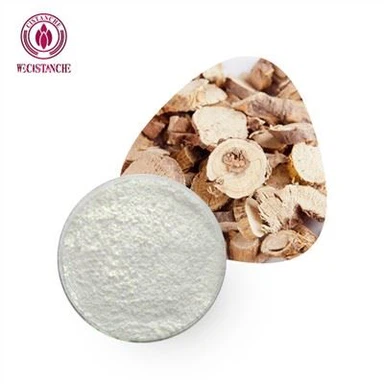
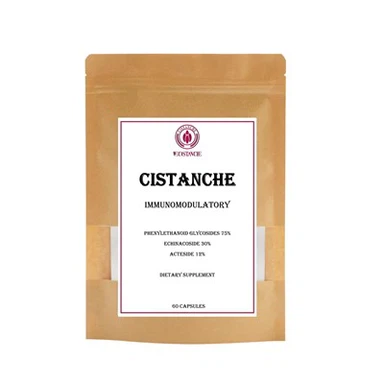
Cistanche is a traditional Chinese herbal medicine used for centuries to treat various health conditions, including kidney disease. It is derived from the dried stems of Cistanche deserticola, a plant native to the deserts of China and Mongolia. The main active components of cistanche are phenylethanoid glycosides, echinacoside, and acteoside, which have been found to have beneficial effects on kidney health.
Kidney disease, also known as renal disease, refers to a condition in which the kidneys are not functioning properly. This can result in a buildup of waste products and toxins in the body, leading to various symptoms and complications. Cistanche may help treat kidney disease ase through several mechanisms.
Firstly, cistanche has been found to have diuretic properties, meaning it can increase urine production and help eliminate waste products from the body. This can help relieve the burden on the kidneys and prevent the buildup of toxins. By promoting diuresis, cistanche may also help Reduce high blood pressure, a common complication of kidney disease.
Moreover, cistanche has been shown to have antioxidant effects. Oxidative stress, caused by an imbalance between the production of free radicals and the body's antioxidant defenses, plays a key role in the progression of kidney disease. ies help neutralize free radicals and reduce Oxidative stress, thereby protecting the kidneys from damage. The phenylethanoid glycosides found in cistanche have been particularly effective in scavenging free radicals and inhibiting lipid peroxidation.
Additionally, cistanche has been found to have anti-inflammatory effects. Inflammation is another key factor in the development and progression of kidney disease. Cistanche's anti-inflammatory properties help reduce the production of pro-inflammatory cytokines and inhibit the activation of inflammation mandatory pathways, thus alleviating inflammation in the kidneys.
Furthermore, cistanche has been shown to have immunomodulatory effects. In kidney disease, the immune system can be dysregulated, leading to excessive inflammation and tissue damage. Cistanche helps regulate the immune response by modulating the production and activity of immune cells, such as T cells and macrophages. This immune regulation helps reduce inflammation and prevent further damage to the kidneys.

Moreover, cistanche has been found to improve renal function by promoting the regeneration of renal tubes with cells. Renal tubular epithelial cells play a crucial role in the filtration and reabsorption of waste products and electrolytes. In kidney disease, these cells can be damaged, leading to damaged renal function. Cistanche's ability to promote the regeneration of these cells helps restore proper renal function and improve overall kidney health.
In addition to these direct effects on the kidneys, cistanche has been found to have beneficial effects on other organs and systems in the body. This holistic approach to health is particularly important in kidney disease, as the condition often affects multiple organs and systems. che has been shown to have protective effects on the liver, heart, and blood vessels, which are commonly affected by kidney disease. By promoting the health of these organs, cistanche helps improve overall kidney function and prevent further complications.
In conclusion, cistanche is a traditional Chinese herbal medicine used for centuries to treat kidney disease. Its active components have diuretic, antioxidant, anti-inflammatory, immunomodulatory, and regenerative effects, which help improve renal function and protect the kidneys from further damage. , cistanche has beneficial effects on other organs and systems, making it a holistic approach to treating kidney disease.