Male Prostate Disease Unveiled: Does Cistanche Deserticola Actually Have This Effect?
Feb 10, 2025
Prostate - the 'life gland' of male health
In the hidden corner of the male body, there is a chestnut-sized organ - the prostate gland. Although it is not large, it plays a crucial role in male health and can be called the "life gland" of male health. The prostate is like a loyal guardian, surrounding the urethra and participating in male urination and reproductive function. Under normal circumstances, it works silently to keep men's lives going as usual, but once it "gets angry" and develops symptoms, it can be a big problem.
Many male friends may have experienced this: they have just been to the bathroom, but soon they have the urge to urinate again, and they frequently wake up at night, seriously affecting their sleep quality; Some people always feel a stinging sensation in the urethra when urinating, and the urine stream becomes thin and weak, even requiring waiting for a long time before they can urinate. These seemingly ordinary symptoms are likely to be "warning signals" issued by prostate diseases. Don't underestimate these signals, they may hide different types of prostate diseases behind them, each threatening men's health and quality of life.

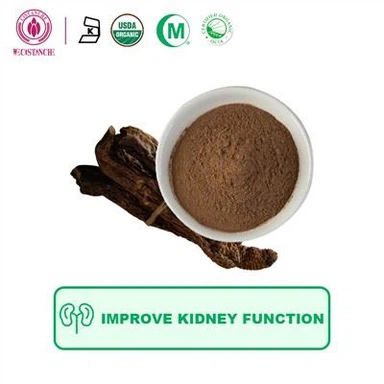
effects of cistanche-improve kidney function
Prostate Disease Overview
Prostatitis: Pain and Difficulty in Urination
Prostatitis, a name that many male friends may have heard of, is a common type of prostate disease, like a mischievous "little devil" that brings many discomforts to patients. Prostatitis is generally divided into four types, each with its unique "personality".
Acute bacterial prostatitis: This is an acute condition with a rapid onset, usually caused by common bacteria that may "wander" from other parts of the urinary or reproductive system, leading to infection. Patients often experience sudden and severe symptoms, such as fever, chills, and muscle soreness, which are systemic symptoms similar to getting the flu; When urinating, there may be obvious pain or burning sensation in the urethra, which is unbearable, and there may also be frequent urination, urgency, and even difficulty urinating; The lower abdomen, groin, or lower back may also experience pain symptoms as they join in the fun.
Chronic bacterial prostatitis: Compared to acute bacterial prostatitis, it is a "chronic" condition characterized by persistent or recurrent bacterial infections. The symptoms are usually mild and do not immediately knock people down, but they are like an inescapable "little tail" that occasionally harasses them. Its etiology is usually the same as acute bacterial infections, often due to insufficient treatment time for acute infections or incomplete killing of all bacteria, resulting in these "residual forces" settling in the prostate and causing chronic inflammation.

desert ginseng-improve kidney function
Chronic prostatitis/chronic pelvic pain syndrome: This type is somewhat mysterious, and its etiology is not yet clear, like a fog, which medical experts are constantly exploring and researching. At present, it is believed that it may be the result of multiple factors working together, such as past infections. Although the infection seems to have improved, it may have left some "hidden dangers"; Dysfunction of the nervous system leading to abnormal neural transmission; Immune system dysfunction, the body's defense system is "malfunctioning"; Excessive psychological pressure, long-term state of tension and anxiety; Irregular hormone levels may also be related to its occurrence. Patients may experience persistent or recurrent pelvic pain, which may be in the area between the abdomen, groin, scrotum, and rectum, and even the penis or testicles may be affected, accompanied by urinary symptoms such as frequent urination, urgency, and painful urination.
Asymptomatic inflammatory prostatitis: It is the most cunning, like an assassin hidden in the darkness, silently. The cause of the disease is also unclear, and it is usually discovered by chance when examining other illnesses. The patient may not feel any discomfort themselves, but in fact, the prostate has already developed inflammation.
The risk factors for prostatitis are also multifaceted, with young or middle-aged men being relatively more susceptible, possibly due to factors such as lifestyle habits and work pressure in this age group; If there is a history of prostatitis in the past, the probability of recurrence will also increase, just like a place that has had a fire in the past, the possibility of catching fire again will increase; Infections of the urinary or reproductive system can easily allow bacteria to invade the prostate gland; Patients infected with AIDS virus (HIV) or AIDS are more likely to suffer from prostatitis due to the impairment of their immune system and the decline of their physical resistance; Using a urinary catheter may disrupt the normal defense mechanism of the urethra, allowing bacteria to invade the prostate gland; Diagnostic sampling (biopsy) of prostate tissue may also cause infection during the operation. For chronic prostatitis/chronic pelvic pain syndrome, excessive psychological stress and nerve damage in the pelvic area due to surgery or trauma are also important risk factors. It may also cause a series of complications, such as acute or chronic prostatitis leading to bacteremia, bacteria entering the bloodstream, and causing systemic infections; Epididymitis causes inflammation of the epididymis as well; Prostate abscess, forming a mass filled with pus; The infection may also spread to the upper pelvic bone or lower spine. Chronic prostatitis/chronic pelvic pain syndrome may lead to psychological problems such as anxiety or depression in patients, and sexual function may also be affected, resulting in erectile dysfunction, changes in semen and sperm, and even infertility.

effects of cistanche-improve kidney function
Benign prostatic hyperplasia: a hidden problem in middle-aged and elderly men
Benign prostatic hyperplasia, commonly known as prostate enlargement, is a common disease among middle-aged and elderly men, like a gradually growing "small lump" that brings many inconveniences to men's lives. As men age, the levels of male hormones in their bodies change, and the volume of the prostate gland gradually increases. A normal prostate gland is only the size of a chestnut, but an enlarged prostate gland may become like an egg or even larger. It will compress the urethra, like putting something in the middle of a water pipe, causing difficulty in urine discharge.
The symptoms of benign prostatic hyperplasia mainly manifest in urination. Frequent urination is one of the most common symptoms, especially increased nocturia. Many patients have to wake up several times at night, which seriously affects their sleep quality. Some patients may also experience urgency to urinate, with a strong desire to urinate but unable to control it, and the urge to urinate is so urgent that it catches people off guard; The feeling of incomplete urination is also very obvious. After urination, I always feel that there is still urine in the bladder that has not been emptied, and I need to urinate again; Weak urine flow, due to the enlargement of the prostate gland compressing the urethra, the urine flow becomes slow and weak, and even requires a long time to urinate; Some patients may also experience hematuria, which is caused by prostate hyperplasia and urinary tract infections, leading to urethral mucosal bleeding. In addition, excessive prostate compression may also have an impact on erection, leading to difficulty in penile erection. These symptoms can seriously affect the physical and mental health as well as the quality of life of middle-aged and elderly men, causing them to be troubled and embarrassed in their daily lives.
Prostate cancer: a hidden health killer
Prostate cancer is a highly insidious disease that can be considered a "hidden killer" of men's health. In recent years, its incidence rate has been on the rise, and more and more men are threatened by it. Early prostate cancer usually has no obvious symptoms, like a hidden enemy growing silently in the dark. Many patients accidentally discover that they have prostate cancer during physical examinations or other disease examinations.
As the tumor develops, when it invades the urethra and bladder, urinary tract obstruction or irritation symptoms may occur, such as difficulty urinating, thin urine flow, frequent urination, urgency to urinate, pain during urination, etc. These symptoms are similar to prostatitis and benign prostatic hyperplasia and are easily confused. If the condition worsens further and progresses to the late stage, bone metastasis, and visceral metastasis may occur. Patients may feel bone pain, especially in the waist, buttocks, ribs, and other areas, and may also experience fractures; Internal organ transfer can affect the function of corresponding organs, leading to cachexia symptoms such as emaciation, fatigue, and anemia in patients, seriously threatening their life and health.
Research has shown that the occurrence of prostate cancer is related to genetic factors. If there are prostate cancer patients in the family, the risk of other male members developing cancer will increase. In addition, individuals who engage in more sexual activity are at an increased risk of developing prostate cancer, which may be related to changes in hormone levels during sexual activity and stimulation of the reproductive organs; There is also a certain relationship between high-fat diet and disease incidence. Excessive intake of high-fat foods may affect hormone metabolism and cell growth in the body, thereby increasing the risk of cancer. Early detection and treatment are crucial for prostate cancer patients. Regular physical examinations, especially prostate-specific antigen (PSA) testing, can help detect prostate cancer early. Once diagnosed, personalized treatment plans should be developed based on the patient's specific condition, including surgical treatment, radiotherapy, chemotherapy, endocrine therapy, etc.
The association between Cistanche deserticola and prostate diseases
The medicinal value of Cistanche deserticola
Cistanche deserticola, a magical plant that grows deep in the desert, is known as the "desert ginseng" and occupies an important position in traditional medicine. It is a precious Chinese medicinal herb. It parasitizes the roots of red willow trees in the desert, absorbs the essence of nature, and after years of precipitation, contains rich alkaloids, amino acids, trace elements, vitamins, and other ingredients.
In ancient medical texts, there are records about the medicinal value of Cistanche deserticola. The "Shennong Bencao Jing" lists Cistanche deserticola as a top-grade herb, stating that it is known for its ability to "regulate the five stresses and seven injuries, nourish the middle, relieve cold, heat, and pain in the stem, nourish the five organs, strengthen yin, nourish essence and qi, and treat women's ailments. Traditional Chinese medicine believes that Cistanche deserticola has a warm nature, a sweet and salty taste, and enters the kidneys and colon meridians. It has the effects of tonifying kidney yang, nourishing essence and blood, moistening the intestines, and promoting bowel movements. Its kidney tonifying effect is mild and long-lasting, unlike some warm medicines that are prone to causing internal heat. As the ancients said, "This is a soothing tonic, warm but not hot, nourishing but not steep, warm but not dry, smooth but not leaking, with a calm and soothing appearance, hence the name Cistanche".

Cistanche deserticola efficacy-Tonifying kidney
With the development of modern medicine, scientists' research on Cistanche deserticola has become increasingly in-depth. Research has found that the phenylethanoid glycosides, polysaccharides, and other components contained in Cistanche deserticola have various biological activities. Among them, phenylethanoid glycosides have antioxidant, anti-inflammatory, neuroprotective, and other effects; Polysaccharides can regulate immune function and enhance the body's resistance. These ingredients have shown great potential in modern medicine for Cistanche deserticola, providing new ideas and methods for treating various diseases.
How does Cistanche deserticola act on prostate diseases?
The reason why Cistanche deserticola has a certain therapeutic effect on male prostate diseases is mainly closely related to its unique ingredients and efficacy. From the perspective of traditional Chinese medicine, prostate diseases are often related to factors such as kidney deficiency, damp heat, and blood stasis. The efficacy of Cistanche deserticola in tonifying kidney yang and nourishing essence and blood can fundamentally improve the condition of kidney deficiency, enhance the body's righteous qi, and thus help resist the invasion of diseases.
From the perspective of modern medicine, the anti-inflammatory effect of Cistanche deserticola is particularly important for the treatment of prostate diseases. Diseases such as prostatitis and benign prostatic hyperplasia are accompanied by varying degrees of inflammatory reactions. The active ingredients in Cistanche deserticola can inhibit the production of inflammatory factors, reduce the damage of inflammation to prostate tissue, and alleviate symptoms such as congestion and edema of the prostate. For example, the phenylethanoid glycosides in Cistanche deserticola can regulate inflammation-related signaling pathways, reduce the release of inflammatory mediators, and thus achieve anti-inflammatory effects.
The antioxidant effect is also one of the important mechanisms by which Cistanche deserticola protects prostate health. In normal physiological processes, the human body produces some free radicals. When too many free radicals are produced or not cleared enough, they can cause oxidative damage to cells and tissues. Prostate tissue is also susceptible to free radical attacks, leading to cellular dysfunction and ultimately causing prostate diseases. The antioxidant substances rich in Cistanche deserticola, such as polysaccharides and flavonoids, can eliminate excessive free radicals in the body, reduce oxidative stress damage to prostate tissue, and maintain the normal structure and function of prostate cells.
In addition, Cistanche deserticola can regulate the endocrine system of the human body and improve hormonal imbalances. Changes in hormone levels play an important role in diseases such as prostate hyperplasia and prostate cancer. Cistanche deserticola helps maintain hormone balance in the body by regulating endocrine function, inhibiting abnormal proliferation of prostate cells, and thus playing a certain preventive and therapeutic role in prostate diseases.

Effects of Cistanche-Improve kidney function
Click here to view Cistanche for Kidney disease products
【Ask for more】 Email:cindy.xue@wecistanche.com / Whats App: 0086 18599088692 / Wechat: 18599088692
Preventing and treating prostate diseases, starting from daily life
Daily preventive measures
Preventing prostate disease requires starting from the small details of daily life. In terms of diet, a balanced diet structure should be maintained, with more vegetables and fruits such as tomatoes and apples, which are rich in vitamins and antioxidants and help maintain prostate health. The lycopene in tomatoes has strong antioxidant properties and can protect prostate tissue from free radical damage. Reduce the intake of spicy and greasy foods, and avoid alcohol consumption, as these stimulating foods and alcohol can easily cause prostate congestion and increase the risk of disease.
Moderate exercise is also key to preventing prostate diseases. Aerobic exercise such as running, swimming, cycling, etc. can promote blood circulation, enhance the body's immunity, and reduce the incidence of prostate diseases. Engage in aerobic exercise at least three times a week for at least 30 minutes each time to fully engage the body. Targeted exercises can also be performed, such as anal sphincter exercises, which can exercise the pelvic floor muscles, enhance the support of the prostate, and help prevent prostate diseases. The specific method is to contract the anus, hold for 3-5 seconds, then relax and repeat, doing 2-3 sets per day, 10-15 times per set.
A regular schedule is equally important. Adequate sleep can provide the body with sufficient rest and recovery, maintaining hormonal balance. Try to maintain 7-8 hours of sleep per day, avoid staying up late, and develop good sleep habits. It is also important to avoid prolonged sitting, as prolonged sitting can cause poor local blood circulation in the prostate and increase pressure on the prostate. Every once in a while, you should stand up and move around to promote blood circulation.
Treatment and rehabilitation recommendations
If you unfortunately experience symptoms of prostate disease, it is important to seek medical attention promptly and not delay the condition due to shyness or other reasons. Early diagnosis and treatment can effectively control the progression of the disease and improve the cure rate. During the treatment process, it is necessary to strictly follow the doctor's instructions to take medication, and do not increase or decrease the dosage or stop taking medication on your own. At the same time, actively cooperate with the doctor's treatment plan, such as physical therapy, surgical treatment, etc.
In addition to medical treatment, lifestyle adjustments also play a crucial role in the rehabilitation process. Maintain an optimistic attitude, face illness positively, and avoid anxiety and tension, as a negative psychological state can affect the body's immune system and hinder the recovery of the condition. Continue to adhere to healthy eating and exercise habits, arrange rest time reasonably, and gradually restore health to the body in a good living environment. Regularly conduct follow-up examinations to timely understand changes in the condition, so that doctors can adjust treatment plans according to the actual situation.