Monoclonal Antibodies As Neurological Therapeutics Part 5
Sep 04, 2024
7.2. Anaphylactic Reactions
True anaphylactic reactions require the development of anti-mAb antibodies of the IgE isotype.
We all know that allergic reactions can cause uncomfortable symptoms, such as headaches, nasal congestion, and itching. But did you know that allergic reactions can also affect our memory? When the body is affected by an allergic reaction, the chemical reactions it produces affect the brain, which can cause a series of negative effects, including memory problems.
However, there are some steps we can take to reduce the impact of allergic reactions on our memory. First, we can reduce the impact of allergic reactions by adopting some healthy lifestyles, such as exercising regularly, maintaining a healthy diet, and getting enough sleep. These measures can improve our immune system, thereby reducing the extent of allergic reactions and thus reducing their impact on our memory.
Secondly, we can also seek help from a doctor to relieve the symptoms of allergic reactions. The doctor may recommend some medications to relieve symptoms, such as antipruritics, antihistamines, and steroids. These medications can reduce the body's response to allergens, thereby reducing the brain's response to chemical reactions, thereby improving our memory.
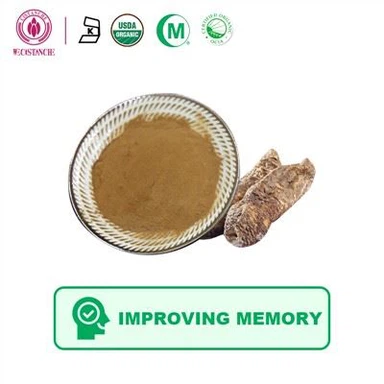
In summary, although allergic reactions may hurt our memory, there are some positive steps we can take to reduce their effects. By adopting a healthy lifestyle and seeking help from a doctor, we can improve the health of our body and brain, thereby improving our memory. Let's put aside our worries, face them positively, maintain a happy mood, and live a healthy and happy life. It can be seen that we need to improve our memory, and Cistanche can significantly improve our memory because Cistanche is a traditional Chinese medicine with many unique effects, one of which is to improve memory. The effect of Cistanche comes from the various active ingredients it contains, including tannic acid, polysaccharides, flavonoid glycosides, etc. These ingredients can promote brain health in many ways.

Click know 10 ways to improve memory
According to the Joint Task Force on Practice Parameters, anaphylaxis is defined as "an immediate systemic reaction that occurs when a previously sensitized individual is reexposed to an allergen (2010) [232].
Given that initial exposure to an antigen is required for IgE production, anaphylactic reactions are not expected during the first mAbs infusion except in the rare case of pre-existing IgEs cross-reacting with the infused mAb [233].
Anti-mAb IgEs typically mediate dyspnea, chest tightness, hypotension, bronchospasm, and urticaria. Even fully human mAbs can cause allergic reactions due to the presence of carbohydrate moieties on their heavy chain [233].
Anaphylactoid reactions or nonallergenic anaphylaxis are defined as those reactions resembling the clinical picture of anaphylaxis but are not IgE mediated. They rather occur through a direct nonimnonimmune mediatedase of mediators from mast cells and/or basophils or result from direct complement activation [234,235].
Complement activation-related pseudoallergy (CARPA) is a form of anaphylactoid reaction, resulting from activation of the complement system and release of C3a, C5a, and C5b-9 anaphylatoxins, which trigger degranulation of mast cells and basophils. Rituximab and infliximab are among the mAbs that may cause CARPA [236,237].
7.3. Cytokine Release Syndrome (CRS)
Cytokine release syndrome (CRS) is a systemic inflammatory response associated with certain infections and medications. Unlike immune-mediated hypersensitivity reactions, the development of the cytokine release syndrome (CRS), is largely dependent on the cell load and cell type targeted by the mAb rather than its allergenic properties [238].
MAbs activating T cells are most likely to cause CRS, which occurs when large amounts of pro-inflammatory cytokines are released by activated white blood cells, including B cells, T cells, natural killer cells, macrophages, dendritic cells, and monocytes [239].
It may have a widely varied presentation ranging from mild, flu-like symptoms to severe life-threatening overshooting inflammatory response with circulatory shock, vascular leakage, disseminated intravascular coagulation, capillary-leak syndrome, hemophagocytic lymphohistiocytosis-like syndrome, and multi-organ system failure [239].
Severe CRS may be associated with cytopenias, elevated creatinine, and liver enzymes, deranged coagulation, and inflammatory parameters such as elevated sedimentation rate of erythrocytes (SRE) and C-reactive protein (CRP) [240].
In many respects, CRS can be considered an extreme form of an infusion reaction even though CRS may be delayed by days or even weeks after infusion. Severe life-threatening CRS have been described for mAbs used to treat hematological malignancies such as rituximab and alemtuzumab, which are also indicated as DMTs for multiple sclerosis [241].
Prophylactic infusion protocols as in the case of rituximab, ocrelizumab, and, alemtuzumab include corticosteroids aiming to prevent or minimize CRS.
7.4. MAb Immunogenicity and Neutralization

Mabs are sometimes recognized as allogenic and anti-drug antibodies (ADA) are formed against them. ADA formation may lead to mAb neutralization, rapid elimination and loss of efficacy, allergic reactions, and increased cost of treatment.
The more immunogenic the mAbs, the more likely the formation of ADAs, which explains why ADAs are more likely to form against chimeric than human mAbs, including infliximab and adalimumab [242].
Despite the greater similarity of humanized mAbs to homologous mAbs, these proteins keep potential immunogenicity especially when used as monotherapy.
In the case of the anti-CD49d mAb natalizumab, ADAs have been identified in up to 9% of MS patients of whom in 6% the presence of ADAs was permanent [58].
Patients with ADAs often experience breakthrough relapses, free natalizumab is no longer detectable and its target antigen (CD49d) becomes upregulated [59,60].
Evidence suggests that high titers of ADAs against natalizumab are highly indicative of permanent anti-natalizumab immunization whereas low levels are transient [37,38,61,62].
On the other hand, in the case of alemtuzumab, 29% of patients in CARE-MS I/II had developed anti-alemtuzumab serum antibodies after 1 year, with no evidence of loss of efficacy [11,12].
Similarly, in the clinical trials of erenumab, a human anti-CGRP receptor mAb, 2–8% of patients had developed ADAs but only a small percentage of patients were reported to have neutralizing anti-erenumab antibodies and their presence was not associated with reduced efficacy or increased incidence of adverse events [35,37–39].
Likewise, in clinical trials of the antiCGRP peptide mAb galcanezumab ADAs were detected in 2.6–12.4% of patients and their titer did not impact galcanezumab concentrations, calcitonin gene-related peptide concentrations, or galcanezumab efficacy [48].
Neurologists should be aware of the possibility of the development of ADAs, which in some cases may explain treatment failure or breakthrough disease.
7.5. Opportunistic Infections
MAbs affecting immune function by depleting cell populations (e.g., alemtuzumab, rituximab, ocrelizumab) or by blocking immune cell migration through endothelial barriers (e.g., natalizumab) have been associated with the occurrence of opportunistic infections.
Development of progressive multifocal leukoencephalopathy (PML) due to JCV infection in 3 MS patients in a phase III trial of natalizumab led to its withdrawal from the market, to be relaunched in June 2006 with the caveat that it would be used as monotherapy in patients with relapsing forms of MS [56,243].
The overall risk of developing PML seems to increase with the presence of anti-JCV antibodies, the duration of therapy (especially over 2 years), and the prior use of immunosuppressants and ranges from 0.07 per 1000 cases in JCV (-) patients to 10 per 1000 in JCV (+) patients exposed to natalizumab for more than 61 months [244].
Extended interval dosing of natalizumab to approximately every 6 weeks instead of the approved every 4 weeks may be a de-risking strategy shown to lower the risk of PML, with evidence of maintaining clinical effectiveness [63].

PML has also been reported with other mAbs, including rituximab and ocrelizumab [70,245]. Natalizumab treatment has also been associated with cryptococcal meningitis and reactivation of latent tuberculosis [64,65].
Cases of reactivation of latent tuberculosis have also been reported with alemtuzumab treatment in MS patients and tuberculosis screening is therefore recommended pre-treatment [48].
In addition, Pasteurela infections, spirochete infections, esophageal candidiasis, cerebral nocardiosis, Listeria meningitis, Pneumocystis pneumonia, and varicella-zoster virus (VZV) reactivation have also been reported with alemtuzumab in MS patients [246–250].
Both alemtuzumab and ocrelizumab were linked to a statistically significant increase in overall risk of infection, of mostly mild or moderate severity whereas infections were not increased to a statistically significant degree in natalizumab clinical trials [56,66].
7.6. Malignancies
A key role of the adaptive immune response is to tackle cancer development. Nevertheless, the effect of mAbs with immunocompromising or immunosuppressing action on the likelihood of developing malignancies is less than clear.
In its phase III trial in primary progressive MS ocrelizumab, an anti-CD20, B cell depleting mAb reported 11 cases of malignancy in the active treatment arm of which four were breast adenocarcinomas [69].
Although the numbers do not support a statistically increased incidence of breast cancer, the summary of product characteristics (SPC) acknowledges that this possibility cannot be neglected and it is advised that women on ocrelizumab follow standard breast cancer screening per local guidelines [71]. Interestingly, in an observational open-label study of rituximab, another anti-CD20 mAbs in patients with rheumatoid arthritis followed for 9.5 years there was no increased incidence of cancer [106].
Despite the uncertainties regarding the potential risk of carcinogenicity associated with immunocompromising mAbs used in neurology, which warrants further evaluation, the overall benefit-risk balance in the approved indication is probably not significantly impacted.
7.7. Secondary Autoimmunity
Mabs targeting immune-related epitopes have also been linked to the occurrence of various autoimmune disorders. SeconA secondaryimmune disease directed primarily against the central nervous system, liver, and skin resulted in the withdrawal of daclizumab in 2018.
These were mainly in the form of eczematous skin lesions but also rash associated with eosinophilia and organ involvement (DRESS syndrome), fulminant hepatitis, autoimmune vasculitis, and encephalitis with anti-NMDA and anti-GFAP auto-antibodies [24–26].
It is tempting to associate the targeting of the CD25 receptor present also on CD4+CD25+ FoxP3+ regulatory T cells and their consequent decrease with the occurrence of the above autoimmune conditions under daclizumab treatment [27,251].
Nevertheless, among mAbs used in neurology, secondary autoimmunity is most commonly encountered with alemtuzumab. Over a follow-up of up to 10 years, almost half of alemtuzumab-treated MS patients had developed some autoimmune condition [252,253].
The most frequently affected organ was the thyroid, with up to 29% of patients developing thyroiditis [254], followed by idiopathic thrombopenic purpura (ITP) [255], and Goodpasture Syndrome with autoantibodies against the glomerular basement membrane [256].
Many other autoimmune conditions have been reported with alemtuzumab including but not limited to immune-mediated neutropenia and autoimmune hemolytic anemia [257], diabetes mellitus type 1 [258], Still's disease [259], myositis [260] and alopecia areata universalis [261].
Although most alemtuzumab-associated autoimmune conditions are autoantibody-mediated some others such as alemtuzumab-related vitiligo are T-cell mediated [262]. How alemtuzumab triggers autoimmune diseases remains unclear.
Following initial depletion, CD52+ T and B lymphocytes of different clonal specificities gradually reconstitute the adaptive immune system, with B lymphocytes exhibiting faster reconstitution and an overshooting response, which may explain the auto-antibody-mediated autoimmunity.
Furthermore, there is evidence for the role of interleukin IL–21 in driving the proliferation of chronically activated, oligoclonal, effector memory T cells in autoimmunity following bevacizumab [263].
In addition, infliximab was found to exacerbate multiple sclerosis in a phase II trial leading its clinical development for MS to a halt [182] and CNS demyelinating disease is a recognized potential complication of the use of anti-TNF agents for the treatment of rheumatic and inflammatory bowel disease [264,265].
7.8. Summary of Safety
MAb-related adverse reactions may be predictable to some extent by their target specificity and mechanism of action but in many cases, mAb-related adverse reactions remain unpredictable (e.g., natalizumab associated with hepatotoxicity) [67].
Occurrence of adverse events temporally and/or mechanistically associated with treatment administration, and their evolution following treatment discontinuation should raise suspicion of a possible adverse drug reaction.
The clinical development program and post-marketing pharmacovigilance monitoring are the only guarantors of safety. Treating neurologists' expertise in the use and implementation of risk-mitigation strategies of mAbs and vigilance is warranted.
8. Concluding Comments
The use of mAbs in neurological therapeutics is expanding rapidly. Many more mAbs are in different stages of development, suggesting that their use is likely to spread even more in the coming years. Advances in deciphering the molecular mechanisms of neurological disease drive the identification of novel plausible therapeutic targets.
MAbs are characterized by exquisite target specificity alongandrous options of different mechanisms of action provided by contemporary molecular engineering technologies.
These features make mAbs precision tools of unlimited potential to act on identified key pathogenetic targets. Neurological indications of mAbs are no longer restricted to immunological targets.
MAbs now have a primary role in the prophylactic treatment of migraine and are being developed as disease-modifying treatments for neurodegenerative conditions such as Alzheimer's and Parkinson's disease.
It becomes imperative that neurologists acquire deep knowledge of their indications, potential side effects, and strategies to minimize mAb-associated risks.
Author Contributions: All authors contributed to the manuscript's conception and design.
P.G.: Literature search and original draft preparation. M.P.: literature search, figure and table preparation, manuscript revision, and editing. V.S.: literature search, manuscript revision, and editing. D.D.M.: manuscript revision and editing.
D.P.: literature search, manuscript writing, revision, and editing. All authors commented on previous versions of the manuscript. All authors have read and agreed to the published version of the manuscript.
Funding: This research received no external funding. No funding source had any role in the choice of topic, preparation, writing, or publication of this article.
Conflicts of Interest: The authors confirm that this article's content has no conflicts of interest. PG and MP report no disclosures. VS is an employee of Sanofi, France.

However, the work was conducted during my previous employment as an independent consultant.
Any opinion expressed does not represent SanofSanofi'sion. DM has received consulting, speaking fees, and, travel grants from Allergan, Amgen, Bayer, Biogen, Cefaly, Genesis Pharma, GlaxoSmithKline, ElectroCore, Eli Lilly, Merck-Serono, Merz, Mylan, Novartis, Roche, Sanofi-Genzyme, Specifar, and Teva.
DP has received consulting, speaking fees, and travel grants from Bayer, Genesis Pharma, Merck, Mylan, Novartis, Roche, Sanofi-Aventis, Specifar, and Teva.
References
1. Köhler, G.; Milstein, C. Continuous cultures of fused cells secreting antibody of predefined specificity. Nature 1975, 256, 495–497. [CrossRef] [PubMed]
2. Kung, P.; Goldstein, G.; Reinherz, E.L.; Schlossman, S.F. Monoclonal antibodies defining distinctive human T cell surface antigens. Science 1979, 206, 347–349. [CrossRef]
3. Morrison, S.L.; Johnson, M.J.; Herzenberg, L.A.; Oi, V.T. Chimeric human antibody molecules: Mouse antigen-binding domains with human constant region domains. Proc. Natl. Acad. Sci. USA 1984, 81, 6851–6855. [CrossRef] [PubMed]
4. Grillo-López, A.J.; White, C.A.; Dallaire, B.K.; Varns, C.L.; Shen, C.D.; Wei, A.; Leonard, J.E.; McClure, A.; Weaver, R.; Cairelli, S.; et al. Rituximab: The first monoclonal antibody approved for the treatment of lymphoma. Curr. Pharm. Biotechnol. 2000, 1, 1–9. [CrossRef] [PubMed]
5. Jones, P.T.; Dear, P.H.; Foote, J.; Neuberger, M.S.; Winter, G. Replacing the complementarity-determining regions in a human antibody with those from a mouse. Nature 1986, 321, 522–525. [CrossRef]
6. Lu, R.M.; Hwang, Y.C.; Liu, I.J.; Lee, C.C.; Tsai, H.Z.; Li, H.J.; Wu, H.C. Development of therapeutic antibodies for the treatment of diseases. J. Biomed. Sci. 2020, 27, 1. [CrossRef]
7. Warner, J.L.; Arnason, J.E. Alemtuzumab use in relapsed and refractory chronic lymphocytic leukemia: A history and discussion of future rational use. Ther. Adv. Hematol. 2012, 3, 375–389. [CrossRef]
8. Karlin, L.; Coiffier, B. Ofatumumab in the treatment of non-Hodgkin's lymphomas. Expert Opin. Biol. Ther. 2015, 15, 1085–1091. [CrossRef]9. Kaneko, A. Tocilizumab in rheumatoid arthritis: Efficacy, safety and its place in therapy. Ther. Adv. Chronic Dis. 2013, 4, 15–21. [CrossRef]
10. Coles, A.J.; Compston, D.A.S.; Selmaj, K.W.; Lake, S.L.; Moran, S.; Margolin, D.H.; Lake, S.L.; Moran, S.; Palmer, J.; Smith, M.S.; et al. Alemtuzumab vs. interferon beta-1a in early multiple sclerosis. N. Engl. J. Med. 2008, 359, 1786–1801. [CrossRef]
11. Cohen, J.A.; Coles, A.J.; Arnold, D.L.; Confavreux, C.; Fox, E.J.; Hartung, H.-P.; Havrdova, E.; Selmaj, K.W.; Weiner, H.L.; Fisher, E.; et al. Alemtuzumab versus interferon beta 1a as first-line treatment for patients with relapsing-remitting multiple sclerosis: A randomized controlled phase 3 trial. Lancet 2012, 380, 1819–1828. [CrossRef]
12. Coles, A.J.; Twyman, C.L.; Arnold, D.L.; Cohen, J.A.; Confavreux, C.; Fox, E.J.; Hartung, H.P.; Havrdova, E.; Selmaj, K.W.; Weiner, H.L.; et al. Alemtuzumab for patients with relapsing multiple sclerosis after disease-modifying therapy: A randomized controlled phase 3 trial. Lancet 2012, 380, 1829–1839. [CrossRef]
For more information:1950477648nn@gmail.com