Nutritional Therapy For Patients With Kidney Disease
Sep 23, 2022
Nutritional therapy is one of the treatment methods for chronic kidney disease. It is an effective measure to delay the further deterioration of kidney function, and disease progression, and to reduce complications. However, kidney disease and dysfunction often cause adverse reactions such as nausea, vomiting, loss of appetite, and anemia. If not paid attention to, metabolic waste and harmful toxins will cause fluid and electrolyte imbalance, acid-base imbalance, and even lead to cachexia.

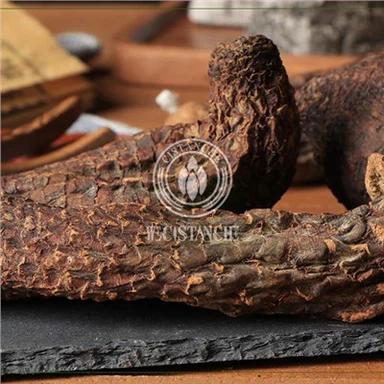
Click to cistanche tubulosa powder for Chronic kidney disease
What is chronic kidney disease?
Kidney damage greater than or equal to 3 months, such as pathological changes or abnormal imaging damage after a kidney puncture, abnormal occult blood in blood and urine components, and urine protein greater than or equal to 3 months, can be called chronic kidney disease.

Chronic kidney disease can be detected early and can be intervened. When chronic kidney disease progresses to end-stage kidney disease, kidney disease treatment, and nutritional support are difficult to effective.
Therefore, nutritional therapy in patients with chronic kidney disease is to delay the progression of chronic kidney disease, change glomerular filtration, and hemodynamics, and reduce the degree of nephron damage, especially the nutritional guidance of protein.

Nutritional therapy for patients with chronic kidney disease
First: It is recommended to eat animal protein (lean meat, egg white, milk), eat less vegetable protein, and eat fewer soy products and nuts (tofu, bean sprouts, etc.).
Second: eat more digestible food, and try to eat less mutton, beef, and spicy food, such as pepper, ginger, garlic, onion, etc.
Third: Eat fresh fruits and vegetables, such as tomatoes, watermelons, cucumbers, apples, etc.
Fourth: avoid fried food, usually less salt, animal offal, fat, and egg yolk.

Precautions for Hyperkalemia
Avoid foods high in potassium or salt such as potatoes, green leafy vegetables, raisins, prunes, dried apricots, tomato puree, lentils; pickles, bacon, hamburgers, fried potatoes, sausages, shrimp chips, and salty drinks Wait.
Principles of general nutrition for patients with kidney disease
A low-salt diet, for patients with hypertension and edema, strictly limits the intake of salt and protein to reduce the burden on the kidneys; choose a high-quality protein, and appropriately increase the intake of protein and supplement vitamins for patients treated with dialysis, pay attention to rest, Avoid nephrotoxic drugs.
for more information:ali.ma@wecistanche.com