Can cistanche improve Sexual Function?
Mar 07, 2022
YANG Hong- xiu1,ZHENG Qian2,HAN Liu2,YU Miao2, LENG Lei 2※
1. Traditional Chinese Medicine Office, Jilin Provincial Science and Technology Department, Changchun 130041, China;
2. Institute of Frontier Medical Science, Jilin University, Changchun 130021, China
Abstract: This review is about the medicinal plants with the tonifying yang effect, which covers the relative literature over 30 years. The medicinal part's effective contents and mechanisms of tonifying yang have been discussed in this review.
Contact: joanna.jia@wecistanche.com / WhatsApp: 008618081934791
Keywords: Medicinal plants; Tonifying yang; Sexual function, Cistanche, Boschniakia

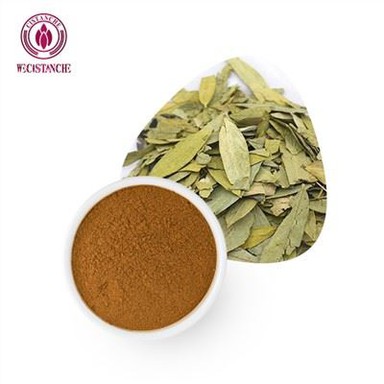
cistanche can improve sexuality
Aphrodisiac is mainly to increase male masculine breath from male physiology. In today's society, having a harmonious sex life has become a part of a healthy life. Therefore, aphrodisiac drugs have attracted more and more attention. Compared with chemical drugs, medicinal plants have the characteristics of high safety and low side effects, so the application of medicinal plants in the field of aphrodisiac is one of the hotspots of medical research. This article reviews the research progress of some medicinal plants with an aphrodisiac effect.
1 Morinda officinalis
Morinda officinalis How (Morinda officinalis How) belongs to the Rubiaceae Rubia genus. Its fleshy root is one of the four major southern medicines in China. It contains chemical compounds.
There are anthraquinone compounds, iridoid glycosides, organic acids, sugars, glycosides, amino acids, etc. Among them, the anthraquinone compounds are the main components, and the free anthraquinone in the anthraquinone compounds mainly has a tonic effect [1]; the fruit fly sexual vitality experiment and the larval emergence rate experiment show that Morinda officinalis oligosaccharides have obvious kidney-tonifying effects. Aphrodisiac effect [2]. Its aphrodisiac effect is mainly to improve the responsiveness of the pituitary to luteinizing hormone (LRH) and the ovarian to luteinizing hormone (LH), and enhance the luteinizing function of the hypothalamus-pituitary-ovary [3]; it can also reduce the brain The Rt value of the middle M receptor reduces the responsiveness of the parasympathetic nerve-M receptor-cGMP system [4].
2 Cistanche tubulosa [Boschniakia rossica (Ccham. et Schltdl) Fedt sch. et Flerov.]
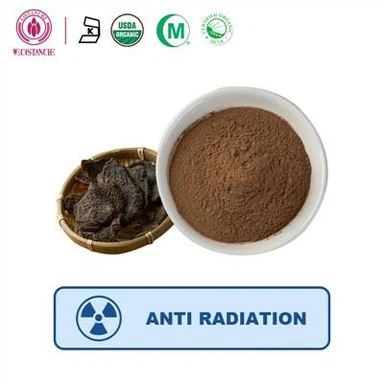
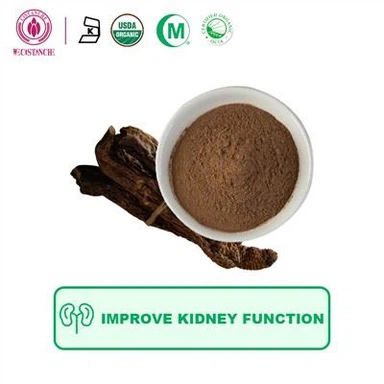
Cistanche tubulosa cistanche tubulosa improve sexual function

Cistanche tubulosa [Boschniakia rossica (Ccham. et Schltdl) Fedt sch. et Flerov.] belongs to the endemic plants of the Changbai Mountain in the family Boschniakia. Chinese medicinal materials, the whole herb is used as medicine. The aerial part of the cistanche mainly contains cistanche aldehyde, cistanche lactone, C9 terpene lactone, C10 terpene lactone, C11 terpene lactone, cistanche ketone, cistanche acid, cistancheine, grass Cistanche glycoside, β-sitosterol, oleanolic acid, 3-epi-oleanolic acid, etc. The rhizome contains mannitol, alkaloids, etc. [5]. The kiwifruit alkali in the alkaline components of Bossica cistanche can act on the central nervous system and can enhance the sedative and hypnotic effects of phenobarbital. It can shorten the resting period of the estrus and prolong the estrus and late estrus in normal non-pregnant rats. This shows that it has the effect of enhancing sexual function [6]; the aphrodisiac effect is mainly achieved by affecting the pituitary gland, without sex hormone-like effects [7].
3 Eucommia
Eucommia ulmoides Oliver (Eucommia ulmoides Oliver) belongs to the Eucommia genus of the Eucommia family. It is used as medicine with dry bark. It is endemic to China and is a second-level national protected plant. Currently, wild resources are severely scarce. The chemical components of Eucommia ulmoides mainly include lignans, phenylpropanoids, iridoids, flavonoids, and eucommia gum. Both hexanoic acid (glycoside or methyl ester) and syringin glucoside can prevent sexual dysfunction [8]. Eucommia water extraction site, n-butanol extraction site, and ethyl acetate extraction site can all enhance superoxide dismutase (SOD) and glutathione peroxidase to varying degrees (GSH-Px), catalase (CAT) activity, reduce malondialdehyde (MDA) content can improve the vital signs of the body, which may be the mechanism of nourishing kidney yang and replenishing kidney essence [9].
4 raspberries
Raspberry (Rubus change Hu). It is a plant belonging to the genus Rubus of the Rosaceae family. The dried, immature fruit is used as medicine. Raspberry fruit contains alkaloids, flavonoids, and glycosides, anthraquinones and glycosides, polysaccharides and glycosides, cardiac glycosides, saponins, lactones, coumarins and glycosides, phenolic components, hydrolyzed tannins, condensed tannins, etc. Physiologically active substance. Raspberry water extract can reduce rat hypothalamus Luteinizing Hormone-Releasing Hormone (LHRH) and the pituitary gland to secrete follicle-stimulating hormone (FSH), Luteinizing Hormone (LH) and the level of gonadal E2, the regulation of the gonadal axis may be the pharmacological basis of "tonifying the kidney and seizing essence" [10].
5 wolfberry
Lycium chinense Mill (Lycium chinense Mill.) is a plant of the genus Lycium in the Solanaceae family. The medicinal parts include Lycium chinense (dried and mature fruit) and Lycium chinense leaves.
(Tender stems and leaves) and Digu Bark (dry root bark), mainly containing unsaturated fatty acids, crude fiber, alkaloids, amino acids, trace elements, etc. The active ingredients mainly include wolfberry polysaccharides, wolfberry seed oil, and betaine. Lycium barbarum polysaccharide is one of the main components of Lycium barbarum, and the content of polysaccharides in dried wolfberry fruit is up to 2.70%~4.90%[11]. Lycium barbarum polysaccharide can significantly shorten the latency of penile erection and straddling, increase the percentage of animal straddling; increase serum T levels and lower E2 levels; increase the coefficient of gonad organs, sperm count, and vitality. The mechanism by which Lycium barbarum enhances the sexual function of semi-castrated rats is not as a male hormone substitute but may act by regulating the function of the hypothalamus-pituitary-gonad axis [12].
6 leeks
Leek (Allium tuberosum Rottler. ex Sprengel.) is a plant of the genus Allium in the Liliaceae family. Both leaves (leeks) and seeds (leeks seeds) can be used as medicine. Its chemical composition contains saponins, alkaloids, flavonoids, and sulfur-containing compounds. In recent years, studies have shown that the content of Fe, Mn, and Zn in Chinese medicines for invigorating the kidney and promoting yang is relatively high. Leek is rich in Fe, Mn, Zn and VE. VE can increase the number of sperm in men and enhance sperm motility. It can also stimulate the gonads to secrete hormones. Therefore, leeks can warm the kidney and help the yang [13]. Leek extract can significantly increase the content of testosterone and NO in mice, increase the concentration of NO, and strengthen the ability to stimulate penile erection; increase the concentration of testosterone, promote the production of nitric oxide synthase (NOs), arginase, and inhibit phosphodiesterase 5 (PDE5) is produced, which improves sexual function [14].
7 Tribulus
Tribulus terrestris (Tribulus terrestris L.) belongs to the genus Tribulus terrestris. Its dried and mature fruits are used as medicine. Its flowers, seedlings, and roots also have medicinal records. The main chemical components are saponins, alkaloids, flavonoids, polysaccharides, amino acids, vitamins, etc. Among them, the total saponins of Tribulus Terrestris can promote sperm production, increase libido, promote estrus in female rats, and improve reproductive ability. Clinical studies have found that Tribulus can increase the sperm count and vitality of men, treat male sexual dysfunction, increase women's ovarian function, and prevent menopausal syndrome [15]. Adimoelja A. [16] clinical studies have shown that the proto diosgenin in Tribulus is converted into dehydroepiandrosterone in the body (DHEA) and has the effect of enhancing erectile ability and promoting libido.
8 Cistanche deserticola
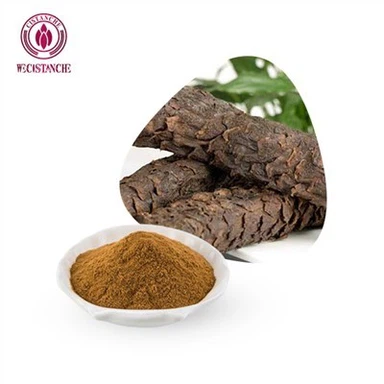
Cistanche deserticola (Cistanche deserticola YCMa) belongs to the genus Cistanche deserticola YCMa, an endangered species. The medicinal part is dry fleshy stems with scales. The main chemical components that have been isolated are phenethyl alcohol glycosides, iridoids, and wood fat. Vegetables, polysaccharides, alkaloids, etc. Among them, the total phenethyl alcohol glycosides are the main active components in Cistanche deserticola, which have various functions such as aphrodisiac, anti-oxidation, and memory enhancement. The research on this component is also in-depth. The decoction of Cistanche cistanche can significantly increase and enhance the sperm count and viability of mice, increase the speed of sperm, reduce the rate of sperm deformity, enhance the spermatogenesis of the testis, and improve the microenvironment of the epididymal tube. At the same time, the fructose in the seminal plasma is improved. The content is an important component reflecting the function of the epididymis. The content of fructose in the medication group was significantly higher than that in the control group. Histochemical studies have shown that succinate dehydrogenase (SDH) and non-specific lipase (NSE) reactions are strongly positive, indicating that Cistanche has the effect of strengthening yang and tonifying the kidney [17].

cistanche function: treat sexual function disorders
fresh cistanche deserticola benefits of Cistanche deserticola YCMa
9 dogwoods
Cornus officinalis (Cornus officinalis Sieb.et Zucc.) is a plant of the Cornus genus Cornus, whose medicinal parts are dried and mature flesh. Cornus contains a variety of chemical components, including volatile components, glycosides, and aglycones, organic acids, tannins, iridoids, etc. Cornu's polysaccharide is the main biological active substance of Cornus, which can improve the sexual function of semi-castrated rats. The mechanism may be by promoting and improving the function regulation system of the hypothalamus-pituitary-gonad axis [18]. Cornus officinalis can reverse the testicular organ coefficient of rats with kidney-yang deficiency to the normal direction, and increase the RNA content in the interstitial cells of the testis, suggesting that it has a significant effect on nourishing kidney-yang [19].
10 Curculigo
Curculigo orchioides Gaertn. (Curculigo orchioides Gaertn.) is a plant of the genus Curculigo of the Amaryllidaceae. Its dried rhizomes are used as medicine and mainly contain glycosides, saponins, phenols, tannins, and other chemical components. Research by Zhang Mei et al. [20] showed that curcumin A may be an effective ingredient for nourishing the kidney and strengthening the yang. Dong Guoming et al. [21] found that both Curculio circulate water extract and alcohol extract can significantly increase the weight of mice and prolong the swimming time. This may be related to the Curculigo curriculum's kidney and yang effect, and the mechanism of action may be Curculigo extract It has a restoring effect on serum superoxide dismutase (SOD), serum Zn/Cu ratio, and plasma cAMP/cGMP levels in SD rats with yang deficiency type.
11 Epimedium
Epimedium Korean (Epimedium koreanum Naka) belongs to the genus Epimedium of the Berberidaceae family. The medicine part is the dry aerial part, which mainly contains flavonoids, lignans, alkaloids, polysaccharides, volatile oil, and other chemical components. Icariin, the main ingredient, can significantly increase the development of accessory sex organs in juvenile mice, and promote the basal secretion of testosterone in isolated rat Leydig cells. Further studies have shown that this effect works through the cAMP pathway [22]. Icariin can also directly relax the smooth muscle of the corpus cavernosum in rabbits, and its mechanism is related to the NO-cGMP signaling pathway, especially the inhibition of cGMP metabolism, thereby relaxing the corpus cavernosum and enhancing the function of penile erection [23].
Conclusion
Natural medicines have been used in China for thousands of years, and plants account for the majority. In recent years, with the continuous deepening of research on medicinal phytochemical components and their biological activities, the therapeutic effects and curative effects have received more and more attention and recognition from the world, which also brings hope to the treatment and even cure of many diseases. At present, the research on aphrodisiac medicinal plants is not very comprehensive. Most of the research work is mainly on the extracts of a certain part or whole plant of the plant. The problem of co-producing curative effect of multiple ingredients still needs to be solved urgently. Therefore, systematic and in-depth research on natural medicines with aphrodisiac effects has broad prospects.

cistanche effects: importance treatment
references
[1]Chen Meiyan, Guo Suhua, Gao Jia, et al. The influence of processing methods on the content of anthraquinone in Morinda officinalis [J]. Journal of Practical Traditional Chinese Medicine, 2009, 25(12): 840-841.
[2] Xiao Fengxia, Lin Li. Preliminary study on the effect of Morinda officinalis for nourishing kidney and strengthening yang[J]. Food and Drugs, 2006, 8(5): 45- 46.
[3] Li Bingru. The effect of kidney-tonifying drugs on the function of hypothalamus-pituitary-gonad axis[J]. Journal of Traditional Chinese Medicine, 1984, (7): 543.
[4] Hu Jiang, Zhang Weidong, Liu Runhui, et al. Research progress on the chemical constituents and physiological activities of Morinda officinalis [J]. Journal of Pharmaceutical Practice, 2004, 22(4): 196-199.
[5] Liu Jinghe, Liang Zhongyan. Research progress on the chemical constituents and pharmacology of Cistanche cistanche[J]. Specialty Research, 2001, (4): 55-58.
[6]Zheng Yinan. Studies on the chemical constituents of Bossica rossica [J]. Journal of Jilin Agricultural University, 1987, (9): 31- 37.
[7] Yang Shihai, Yin Chunmei. Study on the chemical constituents and pharmacological effects of Cistanche cistanche[J]. Ginseng Research, 1994, (4): 32- 36.
[8] Tang Jianjun, Zhang Luyuan, He Mingxiao. Research and application progress of Eucommia ulmoides[J]. Botany Bulletin, 1998, 15(6): 47-51.
[9] Lu Guiyuan, Chen Suhong, Su Jie, et al. Effects of different extracts of Eucommia ulmoides on the antioxidant and antidepressant effects of kidney-yang deficiency mice[J]. Journal of Zhejiang University of Traditional Chinese Medicine, 2009,33(5):729-731.
[10] Chen Kunhua, Fang Jun, Kuang Xingwei, et al. Effects of raspberry water extract on the function of hypothalamus-pituitary-gonad axis in rats[J]. Chinese Journal of Chinese Materia Medica, 1996, 21, (9): 560-562.
[11] An Wei, Jiao Enning, Shi Zhigang, et al. Standardized cultivation, and processing technology of wolfberry[M]. Beijing: Jindun Publishing House, 2005.
[12] Luo Qiong, Huang Xiaolan, Li Zhuoneng, et al. Effects of Lycium barbarum polysaccharides on sexual function and health in male ratsThe effect of reproductive function[J].Acta Nutrition,2006,28(1):62- 65.
[13]Liu Hongmin, Qiao Baojian, Ma Peifang, et al. Research progress on bioactive substances in leek seeds and their physiological effects[J]. Bulletin of Agricultural Science and Technology, 2011, (4): 119-121.
[14]Wang Xiangyang, Ge Li, Zhou Rong. The effect of the crude extract of leek on improving the sexual function and anti-fatigue function of mice[J]. Lishizhen Medicine and Materia Medica, 2010, 21(6): 1546-1548.
[15] Chu Shudi, Qu Weijing, Li Mu, et al. Research progress on the chemical constituents and pharmacological effects of Tribulus Terrestris [J]. China Wild Plant Resources, 2003, 22(4): 4-7.
[16]Adimoelja A. Phytochemicalsandthebreakthroughoftraditional herbs in the management of sexual dysfunctions[J]. International Journal of Andrology,2000,23(2):82- 84.
[17] Wang Dejun, Sheng Shuqing, Liang Hong. Effects of Cistanche on the morphology and histochemistry of testis and epididymis in mice[J]. Anatomical Research, 2000, 22(2): 101-103.
[18] Shao Xianglong, Luo Qiong, Qin Qin, et al. The effect of Fructus Corni polysaccharides on the sexual dysfunction of male rats[J]. Chinese Journal of Chinese Materia Medica, 2010, 35(6): 772-775.
[19] Li Chunsheng, Zhang Guoxi, Shi Tiren, et al. Experimental study on the effect of water extract of Cornus officinalis on the liver and testis of kidney-yang deficiency animal model[J]. Chinese Journal of Chinese Materia Medica, 2003, 28(8):743-746.
[20] Zhang Mei, Song Qin, Guo Ping. Study on the active ingredients of Curculio Vulgaris on nourishing kidney and strengthening yang in ovariectomized mice[J]. Sichuan Traditional Chinese Medicine, 2006, 4(2): 22.
[21] Tong Guoming, Zhang Hanming. Study on the kidney and yang-tonifying effect of curculio Vulgaris extract and curcumin and its mechanism [J]. Chinese Journal of Integrated Traditional Chinese and Western Medicine, 2000, (1): 123- 125.
[22] Xiong Yuebin. Study on the relationship between icariin and gonadal function[J]. Jiangxi Traditional Chinese Medicine, 1995, (Supplement): 98-99.
[23] Jiang Zhaojian, Hu Benrong, Fu Qin, et al. The relaxing effect and mechanism of icariin on the corpus cavernosum of rabbits[J]. Journal of Huazhong University of Science and Technology (Medical Edition), 2004, 33(6): 679-682.
[24] Qin Luping, Li Bohua, Zheng Shuiqing, et al. Extraction and separation of ostiole and icariin and study on the kidney and yang-invigorating effects[J]. Special Journal of People's Army Medicine, 1997, 13 (4): 208-211.
[25] Yuan Juanli, Xie Jinxian, Li Aiyuan, et al. Effects of Osthole on Androgen Level and Nitric Oxide Synthase in Ovariectomized Rats[J]. Chinese Medicinal Materials, 2004, 27(7): 504-506.
[26] Huang Chonggang, Li Henghua, Mei Xiaoli, et al. Study on the effect of Astragalus complainants on nourishing kidney and strengthening essence[J]. Chinese Journal of Experimental Formulae, 2011, 17(1): 123-126.
[27]Zheng BL, He K, Kim CH, et al. Effect of a lipidic extract from Lepidium meyenii on sexual behavior in mice and rats[J]. Urology, 2000, 55(4):598- 602.
[28] Yu Longjiang, Mei Song, Jin Wenwen, et al. Effects of maca extract on sexual vitality of male mice[J]. Chinese Journal of New Drugs, 2003, 12(12): 1014-1015.
[29] Ye Zuguang, Xue Baoyun, Dai Baoqiang, et al. Comparative study on the pharmacological effects of Panax notoginseng saponins and ginseng saponins [J]. Chinese Journal of Information on Traditional Chinese Medicine, 1996, 3 (5): 11-14
[30]MT Yakubu, MA Akanji, AT Oladiji. Aphrodisiac potentials of the aqueous extract of Fadogia agrestis(Schweinf. Ex Hiern) stem in male albino rats[J].Asian Journal of Andrology, 2005, 7(4): 399- 404.