Research Shows: These 4 Bacteria Can Delay The Progression Of Kidney Disease!
Sep 13, 2024
Bacteria are everywhere!
There are more than 1,000 kinds of bacteria in our intestines, such as lactobacillus, streptococcus, Escherichia coli, etc. These bacteria can be divided into harmful bacteria, neutral bacteria, and beneficial bacteria according to their effects on the human body, which constitute the intestinal flora of the human body.

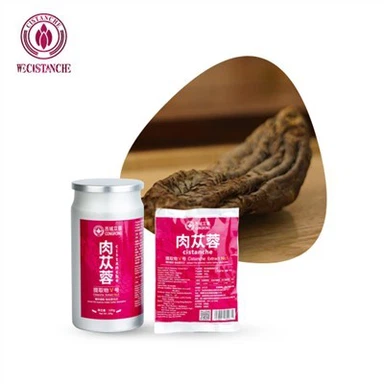
Click to Cistanche for kidney disease
In recent years, as the role of intestinal flora in diseases has been gradually discovered, more and more studies have shown that in the occurrence and development of CKD, there are often metabolic disorders of intestinal flora and its metabolites, impaired intestinal barrier function, etc. Therefore, it is of great value to intervene in the progression of chronic kidney disease based on the metabolic regulation of intestinal flora and its metabolites.
A large number of clinical studies have shown that kidney disease is closely related to intestinal flora imbalance!
The "gut-kidney axis" theory that has been popular in recent years explains from the perspective of the kidney and the intestine that changes in either side will affect the other side through energy metabolism, immune inflammation, intestinal mucosa, intestinal flora, etc., and even produce adverse consequences, and can be mutually causal.
Chronic kidney disease (CKD) patients are more likely to have intestinal flora imbalance due to medication, dietary restrictions, decreased renal function, etc., which has been confirmed by many studies.
The progress research published at the 61st European Society of Nephrology Congress this year pointed out that probiotics are an effective, safe and economical treatment method.

However, not all probiotics are effective for chronic kidney disease (CKD). Here are 4 beneficial bacteria that have been clinically proven to be effective for kidney disease:
01. Lactobacillus casei Zhang
Published in the internationally renowned academic journal Cell Metabolism, the study included 62 patients with stage 3-5 CKD in a randomized controlled trial.
The experimental results showed that after taking Lactobacillus casei Zhang probiotics for 3 months, the participants' cystatin C levels were effectively reduced, and the increase in serum PTH and the increase in urine protein creatinine ratio (ACR) were inhibited. After 12 months, blood creatinine increased more slowly and the decline in eGFR was slower¹.
02. Lactobacillus acidophilus TYCA06
Good acid production ability, not easy to produce indole nephrotoxin, has the function of regulating intestinal flora, and can improve the inflammatory response of chronic kidney disease.
03. Bifidobacterium bifidum VDD088
High intestinal adsorption capacity. Eating for 3-6 months can delay the deterioration of renal function in kidney disease and improve the side effects of long-term medication.
04. Bifidobacterium infantis BLl-02
It has high antioxidant capacity, is not easy to produce indole nephrotoxin, inhibits a variety of pathogenic bacteria, and reduces the infection caused by weak resistance.
TYCA06, VD0088 and BLI-02 triple probiotics help reduce renal function indicators and improve renal function².
Image

In a six-month clinical study of probiotics for non-dialysis patients with stage 3-5 CKD, subjects took a triple probiotic of TYCA06, VD0088 and BLI-02 at a dose of 5 billion CFU/d. The experimental observation lasted for 6 months, and the estimated glomerular filtration rate (eGFR) decline before and after the intervention was measured; serum endotoxin, cytokine levels, gastrointestinal symptom scores, and changes in fecal flora were also measured.
The experimental results showed that the decline rate of eGFR was significantly delayed, serum endotoxin levels were reduced, renal function deterioration was delayed, inflammatory response was reduced, abdominal borborygmus and flatulence were improved, and intestinal flora was improved.
After 6 months of probiotic intervention treatment, the probiotic group can significantly reduce endotoxins and reduce kidney disease-related inflammatory response.
CKD patients are prone to gastrointestinal discomfort due to long-term drug treatment. After 6 months of probiotic intervention, abdominal borborygmus and flatulence problems were improved.
How Does Cistanche Treat Kidney Disease?
Cistanche is a traditional Chinese herbal medicine used for centuries to treat various health conditions, including kidney disease. It is derived from the dried stems of Cistanche deserticola, a plant native to the deserts of China and Mongolia. The main active components of cistanche are phenylethanoid glycosides, echinacoside, and acteoside, which have been found to have beneficial effects on kidney health.
Kidney disease, also known as renal disease, refers to a condition in which the kidneys are not functioning properly. This can result in a buildup of waste products and toxins in the body, leading to various symptoms and complications. Cistanche may help treat kidney disease ase through several mechanisms.
Firstly, cistanche has been found to have diuretic properties, meaning it can increase urine production and help eliminate waste products from the body. This can help relieve the burden on the kidneys and prevent the buildup of toxins. By promoting diuresis, cistanche may also help Reduce high blood pressure, a common complication of kidney disease.
Moreover, cistanche has been shown to have antioxidant effects. Oxidative stress, caused by an imbalance between the production of free radicals and the body's antioxidant defenses, plays a key role in the progression of kidney disease. ies help neutralize free radicals and reduce Oxidative stress, thereby protecting the kidneys from damage. The phenylethanoid glycosides found in cistanche have been particularly effective in scavenging free radicals and inhibiting lipid peroxidation.
Additionally, cistanche has been found to have anti-inflammatory effects. Inflammation is another key factor in the development and progression of kidney disease. Cistanche's anti-inflammatory properties help reduce the production of pro-inflammatory cytokines and inhibit the activation of inflammation mandatory pathways, thus alleviating inflammation in the kidneys.

Furthermore, cistanche has been shown to have immunomodulatory effects. In kidney disease, the immune system can be dysregulated, leading to excessive inflammation and tissue damage. Cistanche helps regulate the immune response by modulating the production and activity of immune cells, such as T cells and macrophages. This immune regulation helps reduce inflammation and prevent further damage to the kidneys.
Moreover, cistanche has been found to improve renal function by promoting the regeneration of renal tubes with cells. Renal tubular epithelial cells play a crucial role in the filtration and reabsorption of waste products and electrolytes. In kidney disease, these cells can be damaged, leading to damaged renal function. Cistanche's ability to promote the regeneration of these cells helps restore proper renal function and improve overall kidney health.
In addition to these direct effects on the kidneys, cistanche has been found to have beneficial effects on other organs and systems in the body. This holistic approach to health is particularly important in kidney disease, as the condition often affects multiple organs and systems. che has been shown to have protective effects on the liver, heart, and blood vessels, which are commonly affected by kidney disease. By promoting the health of these organs, cistanche helps improve overall kidney function and prevent further complications.
In conclusion, cistanche is a traditional Chinese herbal medicine used for centuries to treat kidney disease. Its active components have diuretic, antioxidant, anti-inflammatory, immunomodulatory, and regenerative effects, which help improve renal function and protect the kidneys from further damage. , cistanche has beneficial effects on other organs and systems, making it a holistic approach to treating kidney disease.