Retrospective Analysis Of Whole-body Cryotherapy Adverse Effects in Division I Collegiate Athletes
Oct 20, 2023
Why we will be tired? How can we solve the fatigue problems?
【Contact】Email: george.deng@wecistanche.com / WhatsApp:008613632399501/Wechat:13632399501
Abstract
Context: Although the physiological effects and the performance of athletes after utilizing whole-body cryotherapy (WBC) have been widely studied, there is a lack of data on its adverse effects. It is important to be aware of the adverse effects of any treatment for its use to be properly recommended.
Cistanche can act as an anti-fatigue and stamina enhancer, and experimental studies have shown that the decoction of Cistanche tubulosa could effectively protect the liver hepatocytes and endothelial cells damaged in weight-bearing swimming mice, upregulate the expression of NOS3, and promote hepatic glycogen synthesis, thus exerting anti-fatigue efficacy. Phenylethanoid glycoside-rich Cistanche tubulosa extract could significantly reduce the serum creatine kinase, lactate dehydrogenase, and lactate levels, and increase the hemoglobin (HB) and glucose levels in ICR mice, and this could play an anti-fatigue role by decreasing the muscle damage and delaying the lactic acid enrichment for energy storage in mice. Compound Cistanche Tubulosa Tablets significantly prolonged the weight-bearing swimming time, increased the hepatic glycogen reserve, and decreased the serum urea level after exercise in mice, showing its anti-fatigue effect. The decoction of Cistanchis can improve endurance and accelerate the elimination of fatigue in exercising mice, and can also reduce the elevation of serum creatine kinase after load exercise and keep the ultrastructure of skeletal muscle of mice normal after exercise, which indicates that it has the effects of enhancing physical strength and anti-fatigue. Cistanchis also significantly prolonged the survival time of nitrite-poisoned mice and enhanced the tolerance against hypoxia and fatigue.

Click on extreme fatigue
Objectives: This study aims to provide insight into any adverse effects that collegiate athletes experienced after utilizing WBC to better utilize this therapeutic modality.
Methods: After the Institutional Review Board (IRB) deemed exemption, all 457 Division 1-A varsity athletes were recruited via email to participate in a retrospective survey. Participants consented to the study by continuing to the questions. The inclusion criteria were that they must be 18 years of age or older, had completed WBC at that university, and were student-athletes. The survey was six questions long, and if any of the inclusion criteria were not met, they were redirected to end the survey. The data were analyzed utilizing odds ratios.
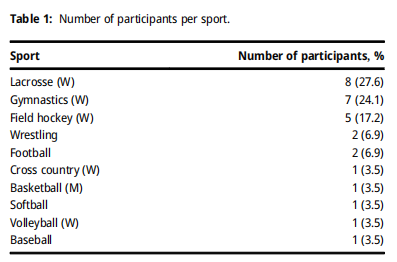
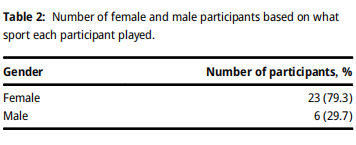
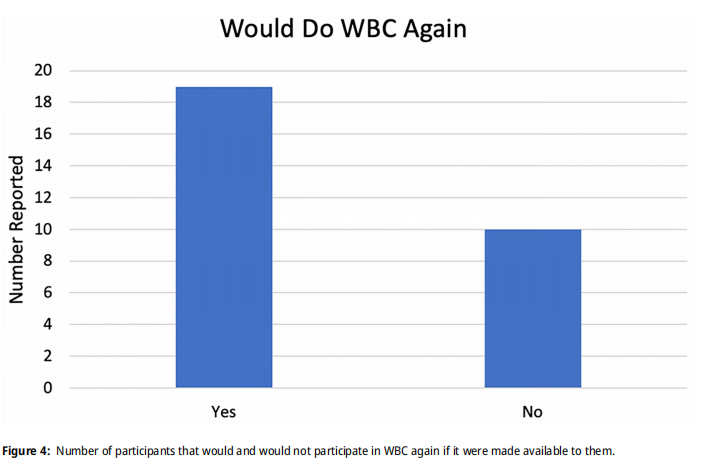
Results: Of the 457 student-athletes, 11.2% (n=51) responded and 6.3% (n=29) met the inclusion criteria. Responses were obtained from women's lacrosse (27.6%; n=8), women's gymnastics (24.1%, n=7), field hockey (17.2%, n=5), wrestling (6.9%, n=2), football (6.9%, n=2), women's cross country (3.5%, n=1), men's basketball (3.5%, n=1), women's volleyball (3.5%, n=1), softball (3.5%, n=1), and baseball (3.5%, n=1). Among the responses, 79.3% (n=23) were females and 29.7% (n=6) were males. Within 1 h of WBC, the most frequently reported adverse effects were skin rash (27.6%, n=8), itching (13.8%, n=4), and fatigue (6.9%, n=2). More than 1 h after WBC, the most frequently reported adverse effects were skin rash (20.7%, n=6), itching (10.3%, n=3), and increased energy (6.9%, n=2). When stratified by female and male athletes, for both within 1 h and more than 1 h after WBC, there were increased odds for females reporting adverse effects; however, neither was statistically significant (OR 4.58, p=0.19, 95% CI 0.46 to 45.61) (OR 3.84, p=0.25, 95% CI 0.39 to 38.36). Within 1 h of WBC, 58.6% (n=17) of subjects reported no adverse effects, and more than 1 h after WBC, 65.5% (n=19) subjects reported no adverse effects. The mean satisfaction level rating was 6.34 (range 0–10, n=29). When asked if they would do WBC again, 65.5% (n=19) responded "yes" and 34.5% (n=10) responded "no."
Conclusions: In this collegiate athlete population, negative adverse effects of WBC commonly included skin burns and itching while potentially proving a beneficial adverse effect of increased energy. Subjects commonly reported no adverse effects after WBC treatment as well.

Traditionally cold therapy, such as ice, is utilized by athletes and those who exercise to reduce soreness and injury while aiding the muscle recovery process [1]. Whole-body cryotherapy (WBC) has become a novel and increasingly popular form of cold therapy. WBC is a therapeutic modality that reportedly originated in Japan [2] and/or Egypt, where it evolved from being utilized to treat cold injuries, facilitate amputations, shrink tumors, decrease pain, and anesthetize the skin [3]. By the 1960s and 1970s, it was mainly utilized to treat dermatologic diseases [3]. Currently, cryotherapy is utilized to improve muscle recovery and pain [4] as well as to improve the anti-inflammatory response in the body after exercise [5, 6]. WBC causes an increase in anti-inflammatory cytokine IL-10 while decreasing proinflammatory cytokine IL-2, chemokine IL-8, [7] and intracellular adhesion molecule- 1 [5]. Muscle recovery effects. due to the decrease in proinflammatory markers and increase in anti-inflammatory markers [6], are suggested by decreased inflammation, reduced delayed-onset muscle soreness (DOMS), and subjective reports of decreased pain [8]. One treatment of WBC involves full-body immersion in a temperature-controlled cryo-chamber, fully enclosed, or in a cryosauna, open at the head, where nitrogen gas is released and reaches temperatures of −110 to −140 degrees C for between 2 and 4 min [7]. WBC can be a single- or routine-treatment option depending on an individual's accessibility, satisfaction, exercise intensity, and so on. WBC is utilized on an as-needed basis, and because it is not a medical treatment and not approved by the US Food and Drug Administration [9], it does not require a physician to prescribe it nor is it covered by insurance. Healthcare professionals, such as physical therapists, chiropractors, and athletic trainers, can facilitate WBC [4]. The physiological impacts of WBC have gained popularity in research, yet studies on its adverse effects on collegiate athletes are lacking [10]. By collecting data on the adverse effects of WBC, athletes, athletic trainers, coaches, and other medical professionals can better assess the pros and cons of WBC as a recovery option. Research in the literature is also lacking regarding WBC with sports comparisons and the duration of adverse effects after WBC. One study that examined 1,382 Sports and Exercise Medicine articles with a total of 6,075,580 participants found that only 39% of participants were females [11]. Despite this inherent underrepresentation of females in research, another study did identify that females are more sensitive to environmental temperature changes resulting in lower mean skin and mean body temperatures postexposure to WBC [12]. This study aims to identify and collect normative data on the adverse effects of WBC in collegiate student-athletes as well as to identify any potential trends of adverse effects related to sport, gender, and duration of adverse effects. Less expensive cryotherapy modalities for recovery have been studied extensively (ice packs and cold-water immersion), but if potential adverse effects of WBC were studied more extensively, collegiate treatment and safety protocols could be further developed and therefore provide university sports medicine departments with better information for injury treatment/prevention algorithms and WBC protocol.
Methods
This retrospective survey study was approved as exempt by the Kent State University Institutional Review Board (IRB) because the target population was the 457 NCAA Division 1-A varsity athletes at Kent State University who had potentially participated in WBC as a therapeutic modality. Not all teams or athletes utilized WBC for reasons independent and unknown to this study. The type and amount of clothing were not standardized, and core body temperatures were not recorded. The study was conducted from January 2021 to June 2021, and the participants were recruited via email, which summarized the purpose and procedures involved in participating in the retrospective survey that utilized the Qualtrics program (Appendix). After clicking on the survey link within the email, the participants would consent to the study by continuing to six survey questions (Appendix).
Participants were eligible for the study if they were at least 18 years of age, were a student-athlete, and had completed WBC at Kent State University. By consenting to the survey, the participants were indicating that they were at least 18 years of age. If the participant had not undergone WBC at Kent State University, he or she did not progress onto answering questions 3 through 6. Only the participants who had undergone WBC at Kent State University would answer questions 3 through 6. Participants were excluded if they had not undergone WBC at the university, were under 18 years of age, did not fully complete the survey, or had not consented to the study. The gender of the participants was assumed based on the sport they selected. For sports that have both men's and women's teams, this was specified in the survey. No other demographics were collected to protect the participants' anonymity.
After the data collection period was over, the survey data was reformatted and analyzed in Microsoft Excel. The odds ratios and p values with a 95% confidence interval were also calculated utilizing Microsoft Excel.
Results
The survey was sent via email to 457 student-athletes, with 11.2% (n=51) of student-athletes responding and 6.3% (n=29) meeting the inclusion criteria and subsequently being included in the study.

Of the 6.3% (n=29) of student-athletes included in the study, 27.6% (n=8) were women's lacrosse, 24.1% (n=7) were women's gymnastics, 17.2% (n=5) were women's field hockey, 6.9% (n=2) were football, 6.9% (n=2) were men's wrestling, and 3.5% (n=1) were women's cross country, women's volleyball, softball, men's basketball, and baseball each (Table 1). The student athlete's gender was presumed from the sport they reported playing, which yielded 79.3% (n=23) females and 29.7% (n=6) males (Table 2).
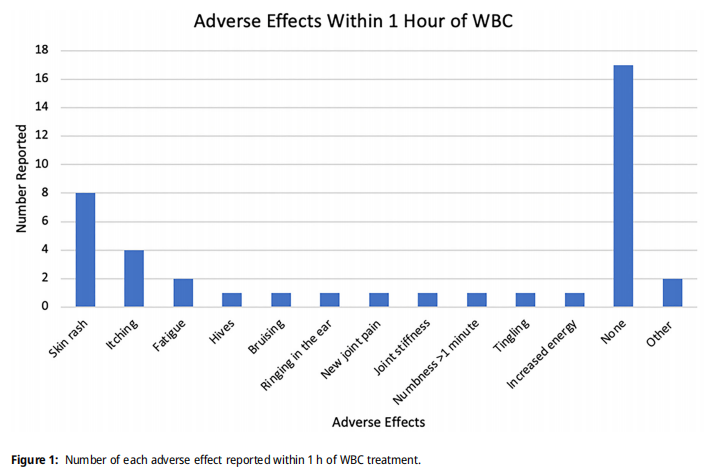
Within 1 h of WBC, the most frequently reported adverse effects were skin rash (27.6%, n=8), itching (13.8%, n=4), and fatigue (6.9%, n=2). Other adverse effects reported, but not as common, were hives, bruising, tinnitus, new arthralgias, joint stiffness, numbness, tingling, increased energy, and burning (3.5% each, n=1 each) (Figure 1). In addition, 6.9% (n=2) of student-athletes reported other adverse effects, 3.5% (n=1) specifying it as burning on legs (Figure 1). Also, 58.6% (n=17) of student-athletes reported having no adverse effects within 1 h after WBC (Figure 1). When stratified by female and male athletes, there were increased odds for females reporting adverse effects, but this was not statistically significant (OR 4.58, p=0.19, 95.0% CI 0.46 to 45.61).
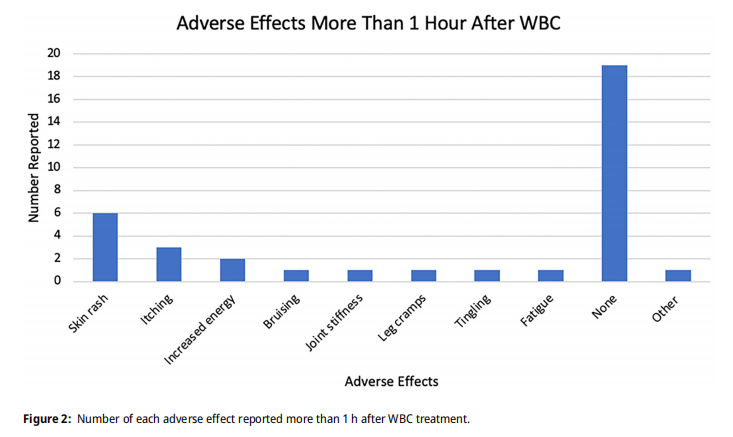
More than 1 h after WBC, the most frequently reported adverse effects were skin rash (20.7%, n=6), itching (10.3%, n=3), and increased energy (6.9%, n=2). Other adverse effects reported, but not as common, were bruising, joint stiffness, leg cramps, tingling, fatigue, and burning (3.5% each, n=1 each) (Figure 2). There 65.5% (n=19) of student-athletes reported no adverse effects more than 1 h after WBC (Figure 2). Of note, each student-athlete was able to select multiple adverse effects. When stratified by female and male athletes, there was an increased odds for females reporting adverse effects, but this was not statistically significant (OR 3.84, p=0.25, 95.0% CI 0.39 to 38.36).
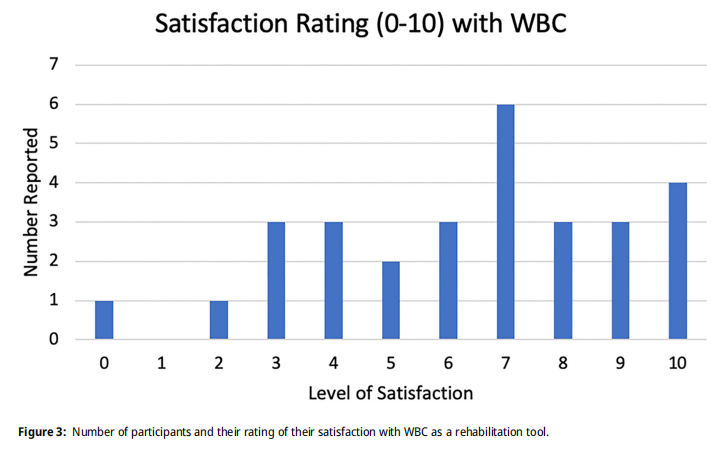
When rating their satisfaction level on a scale from 0 to 10, 10 being the most satisfied with WBC as a rehabilitation tool, 3.5% (n=1) participants rated it a zero, 3.5% (n=1) participants rated it a two, 10.3% (n=3) rated it a three, 10.3% (n=3) rated it a four, 6.9% (n=2) rated it a five, 10.3% (n=3) rated it a six, 20.7% (n=6) rated it a seven, 10.3% (n=3) rated it an eight, 10.3% (n=3) rated it a nine, and 13.8% (n=4) rated it a ten (Figure 3). The mean satisfaction level rating was 6.34 (range 1–10, n=29).
When asked if they would participate in WBC if it were available again, 65.5% (n=19) said yes, and 34.5% (n=10) said no (Figure 4).
Discussion
This study aims to provide data on what adverse effects are reported in collegiate student-athletes who have participated in WBC. Out of all of the athletes, 44.8% experienced some adverse effect at some point in time, 41.4% of which were within the first hour of treatment. Overall, there were fewer adverse effects after 1 h than within the first hour following WBC. The adverse effects that remained after 1 h were predominantly skin reactions, suggesting that those adverse effects reported were likely transient and not permanent or significantly prolonged. Although adverse effects were reported, they were not common. In both time frames, the majority of participants reported no adverse effects to WBC.
Within 1 h and after 1 h of WBC, the most frequently reported adverse effects were skin rash and itching. A review study has shown that the skin surface freezes at −3.7 to −4.8 degrees Celsius, and once the skin reaches −10 degrees Celsius, cryotherapy skin burns can occur [13]. Although these skin burns are typically attributed to noncompliance with preparation precautions, such as participating in WBC with wet skin or lotion, it cannot be assumed from this survey that participants were entering the cryo-chamber with excessive moisture on their skin.
Two published cases report adverse skin reactions after WBC therapy. One article reported a case of cold panniculitis in a 47-year-old male after eight WBC sessions [14]. Another article reported a case of a 71-year-old male with a localized skin burn after WBC that was likely due to a machine malfunction where liquid nitrogen was sprayed directly on his back for less than 1 minute [15]. Although these are only two case reports, it is consistent with our findings that skin reactions are common, and we suspect that there are many more unreported instances of adverse skin reactions following WBC. To contrast this, multiple recent randomized clinical trial studies, consisting of 76 volunteer subjects (43 females, 33 males), and a review article investigated the effects of WBC on skin parameters and determined that cryotherapy is safe for the skin [16–18]. Piotrowska et al. [16] reported that after a single WBC treatment, there were no significant differences in forearm and facial transepidermal water loss (TEWL) between males and females, although males had an increased TEWL on their faces; this suggests that TEWL is multifactorial and is variable depending on location of the body, and the skin potentially adapts to WBC, causing an increase in hydration over time [16]. The 2021 randomized clinical trial study, consisting of 16 volunteer subjects that fit inclusion criteria of greater than 18 years old, no contraindications to WBC, and no skin disease, reported that after the second WBC treatment, there was a significant decrease in skin sebum levels but an increase in hydration levels [17]. A recent review article reported that there are inconsistent results between published studies on individual skin characteristics, but it does note that WBC reduces inflammation and oxidative stress to the skin [18]. Overall, the dermatologic literature supports WBC as a safe modality for the skin.
Within 1 h of WBC, there were two reports of perceived fatigue, but more than 1 h after WBC, there were two reports of perceived increased energy. This transition from perceived fatigue to increased energy after a duration of time could suggest proof of the WBC-associated benefits of recovery. When an athlete has a proper recovery and feels less sore, it can be presumed that he or she may feel more energized. In addition, a single-subject, interrupted time series study assessed the effects of WBC on somnolence in a 70-year-old white male patient with restless leg syndrome and reported that repeated daily 3 min WBC extreme-cold air exposure for 2 weeks decreased daytime sleepiness and improved sleep disturbances [19]. Although the responses were predominantly from female athletes, it was only female athletes who reported perceived fatigue within 1 h of WBC, and the one report of perceived increased energy in this time frame was a male athlete. The two reports of perceived increased energy more than 1 h after WBC came
from both a male and a female athlete. Other than subjective energy status, there were no notable differences in adverse effects reported from male and female athletes. It is of note that two studies, both consisting of 18 volunteer subjects (10 males, 8 females) that examined differences between genders in WBC, determined that females are more sensitive to thermal environmental changes, resulting in greater reductions in skin temperature and therefore shorter WBC durations, may be suggested for females when compared to males [12, 20].
It is well documented that WBC provides anti-inflammatory benefits [5, 6] to improve muscle soreness and recovery in physically active individuals [4]; however, five studies argue that there are no functional improvements to be seen following WBC treatment [21–25]. Costello et al. [23] was a randomized controlled trial of 36 subjects assigned to WBC or control groups in which they measured muscle contractions before and after treatment and reported no effect on knee joint position sense, maximal voluntary isometric contraction, peak power output, or muscle soreness after completing eccentric muscle exercise. Fonda and Sarabon [24] was a crossover study that included 11 healthy, young males who were moderately physically active and sought to assess the effects of WBC on damaged hamstring muscle recovery. They reported that WBC is not an effective treatment for muscle damage recovery and does not improve functionality [24]. In the systemic review by Pritchard and Saliba [22], 35 studies with 665 healthy subjects were analyzed and reported that immediate return to activity after WBC adversely impacts performance.
Another randomized control trial compared cold water immersion (CWI), WBC, and a placebo group of a total of 31 endurance-trained male participants postmarathon and compared the perceptions of functional-recovery improvements [25]. This study concluded that WBC poses more negative impacts on functional recovery, such as peak torque knee extension, maximal voluntary strength contraction, and reactive strength index than CWI, and that any perceived improvements noted from WBC are due to a placebo effect [25]. Of note, this study utilized a WBC temperature of −85 degrees Celsius, which is warmer than the typical temperature of −110 to −140 degrees Celsius, indicating that these findings may not be generalized to different temperatures [25]. However, there are no studies indicating that there is a dose-dependent temperature at which cold exposure results in different effects on inflammation and function. Additionally, there are potential inconsistencies between WBC and CWI because one utilizes gas and the other water. There may be a benefit of WBC over CWI because there is less of a theoretical risk of the substance absorbing through the skin and/or skin breakdown. To be clear, these two cold therapies may not be equivocal for comparison, and no definitive conclusions can be made. The focus of studies is often on the physiological mechanism and the benefits of WBC in muscle recovery, but multiple review studies have stated that adverse events are not identified or focused on in the current literature [4, 13, 26]. Upon literature review, we agree with other publications [4, 13, 26] that state that there are no known studies that focus on the adverse effects of WBC. The US Food and Drug Administration has not approved WBC [9], and due to extreme cold exposure, adverse effects such as frostbite, burns, eye injury, asphyxiation, and loss of consciousness have been assumed but not widely reported [22].
There are three published cases of unique complications following WBC. The first case demonstrates an aortic aneurysm in a 56-year-old male, with no other strong risk factors for aortic dissection, following 15 WBC sessions [27]. The second case demonstrates transient global amnesia in a 63-year-old male after a WBC session [28]. The third case demonstrates a 61-year-old female who suffered a hemorrhagic cerebrovascular accident during a WBC session [29]. Although WBC cannot be proven to have caused any of these complications, it is proposed that WBC may have triggered these complications. Even though none of these severe complications were seen in this study, our population consisted of young, relatively healthy athletes in whom adverse events, such as in these cases, are not common. All of these case reports highlight the unknown, potentially severe risks that WBC poses, and all of these case reports are in agreement with previous studies that further investigation of WBC adverse effects should be conducted to safely recommend WBC as a therapeutic modality in all patient populations [4, 13, 26].
Our findings, along with the few case reports discussed previously, indicate the wide variety of adverse effects and complications that may result from WBC. This study provides an initial report of adverse effects of WBC in collegiate athletes that have never been reported on before. This population did not experience any life-threatening or severe adverse effects, such as aneurysms, cerebral hemorrhage, or transient global amnesia, but the authors recommend keeping these life-threatening or severe adverse effects in mind when recommending WBC to any individual. With skin reactions being common, strict adherence to preparation precautions is likely beneficial to reducing skin reactions such as burning and itching. Although there is conflicting evidence of the beneficial utility of WBC, it is important to note that multiple studies (two randomized control trials, one systemic review, one crossover) indicate no functional improvements despite physiological anti-inflammatory markers being present following WBC sessions [21–25].
In contrast, two recent reviews, one that included 16 articles on WBC that reported on some muscle damage factors (inflammatory markers, subjective pain levels, muscle damage markers, or sports-specific athletic performance) [1] and the other that reviewed the most recent literature from 2010 to 2017 on WBC in athletes [6], both support WBC use as a symptomatic relief by enhancing anti-inflammatory and antioxidant properties [1, 6], assist in returning athletes to pre-exercise strength quicker, and reduce subjective pain in athletes [1]. A consensus and position paper from 2021 reports that WBC and/or cold exposure can reduce inflammation, improve analgesic effects, diminish DOMS, and acutely assist in muscle recovery, but may negatively impact long-term muscle strength and hypertrophy [8]. Although this study had extrapolated results from any modality of cold exposure to support WBC effects, it suggests that WBC may be a more beneficial therapy for athletes who are in season and do not have adequate recovery time [8].
An unexpected but beneficial finding was the perceived increase in energy following WBC, which was supported by a study displaying decreased daytime sleepiness in the elderly with restless legs syndrome as a result of WBC sessions [19]. This suggests that the perceived increased energy may be a result of WBC in this younger, athletic population as well. A proposed mechanism for this perceived increased fatigue may be that if athletes can balance both muscle damage, DOMS, and inflammation with adequate recovery, then perceived fatigue levels will improve [30]. Additionally, cold exposure leading to vasoconstriction leads to a release of noradrenalin, and activation of the sympathetic nervous system can potentially explain a perceived increase in energy after WBC [8]. Cold exposure can also stimulate the parasympathetic nervous system, causing decreased heart rate and possibly a calmer effect, leading to perceived lower fatigue and improved mood [31]. Another potential mechanism would be post-cold exposure-induced vasodilation that may potentiate increased oxygen delivery and removal of waste products [8]. WBC cannot simply be stated as absolutely “bad” or “good” considering the multitude of factors that are impacted as a result of its use, and its use as a therapeutic modality should be utilized on an individualized basis. While assessing for risk stratification, it is important to bear in mind that the benefits of WBC may only be a perceived increase in energy [19] and/or a placebo effect [25]; therefore, an individual's preference should also be taken into consideration as well as risk factors for adverse effects when recommending and treating with WBC. We also recommend that athletes wear another layer of clothing to protect their skin from the immediate cold, and avoid any moisture on their skin before WBC sessions, and individuals of different body compositions should stay in the cryo chamber for different durations of time.
Limitations
The findings of this study do not come without limitations. Due to the study being a retrospective survey, recall bias potentially impacted the results, leading to higher or lower numbers of each adverse effect. With a low response rate of 6.3% (29 completed surveys that met the inclusion criteria out of 457 athletes that received the survey email), the possibility of statistically significant findings was decreased. This is not to say that all 457 athletes had done WBC, as this study was not able to determine that. Because of the low response rate and female athletes being the majority of responders to the survey, the ability to compare adverse effects by sport and gender was limited. Another potential confounding factor to the low response rate was that this survey was conducted at a time when schooling was done online due to COVID-19. This potentially caused students to overlook emails that were not directly related to their coursework because they were likely receiving more emails than normal. Although every athlete in this study participated in WBC in the same cryo-chamber, due to the retrospective nature of the study, we were not able to control for the exact duration and temperature of the WBC session, the clothing each athlete wore, the core body temperature, and the exact timing since recent showering, sweating, or lotion used. Each of these factors could skew the results and contribute to the skin reactions and the other adverse effects reported.
In the future, it would be beneficial to utilize different methods to distribute the survey and find ways to compensate the athletes so that they are more inclined to participate in the survey. Future research should investigate how the adverse effects of WBC may differ between sports and genders, as well as WBC's ability to prevent injuries.
Conclusions
WBC use has increased in the athletic and physically active populations due to its proposed ability to aid in muscle recovery and anti-inflammatory properties, despite studies reporting no functional benefits and the lack of studies investigating the adverse effects in athletes. In this population of collegiate athletes, skin burns and itching commonly result after WBC. Perceived increased energy after WBC was reported but cannot be generalized. Many athletes reported no adverse effects as well. The findings from this study may suggest benefits from WBC, but there may also be long-term negative implications on muscle structure and function. This study will hopefully catalyze future studies that investigate the adverse effects of WBC as well as increase awareness of the potential reactions and adverse effects, allowing athletes, trainers, physicians, and coaches to be more informed when recommending WBC as a therapeutic modality.

Research funding: None reported.
Author contributions: All authors provided substantial contributions to the conception and design, acquisition of data, or analysis and interpretation of data; E.A.K. and J.X.C. drafted the article or revised it critically for important intellectual content; all authors gave final approval for the version of the article to be published; and all authors agree to be accountable for all aspects of the work in ensuring that questions related to the accuracy or integrity of any part of the work are appropriately investigated and resolved.
Competing interests: None reported.
Informed consent: All participants in this study were provided with electronic written informed consent before completing the survey.
References
1. Rose C, Edwards KM, Siegler J, Graham K, Caillaud C. Whole-body cryotherapy as a recovery technique after exercise: a review of the literature. Int J Sports Med 2017;38:1049–60.
2. Physiopedia. Whole-body cryotherapy; 2022. Available from: https://www.physio-pedia.com/index.php?title=Whole-body_cryotherapy& oldid=290519 [Accessed 15 Sep 2022].
3. BSc NB, Freiman A. History of cryotherapy. Dermatol Online J 2005;11. https://doi.org/10.5070/d34f62h9vt.
4. Costello JT, Baker PR, Minett GM, Bieuzen F, Stewart IB, Bleakley C. Whole-body cryotherapy (extreme cold air exposure) for preventing and treating muscle soreness after exercise in adults. Cochrane Database Syst Rev 2015;9:CD010789.
5. Ferreira-Junior JB, Bottaro M, Loenneke JP, Vieira A, Vieira CA, Bemben MG. Could whole-body cryotherapy (below −100 °C) improve muscle recovery from muscle damage? Front Physiol 2014;5:247.
6. Lombardi G, Ziemann E, Banfi G. Whole-body cryotherapy in athletes: from therapy to stimulation. An updated review of the literature. Front Physiol 2017;8:258.
7. Banfi G, Lombardi G, Colombini A, Melegati G. Whole-body cryotherapy in athletes. Sports Med 2010;40:509–17.
8. Bouzigon R, Dupuy O, Tiemessen I, De Nardi M, Bernard JP, Mihailovic T, et al. Cryo-stimulation for post-exercise recovery in athletes: a consensus and position paper. Front Sports Act Living 2021; 3:688828.
9. U.S. Food & Drug Administration. Whole body cryotherapy (WBC): a "cool" trend that lacks evidence, poses risks; 2016. Available from: https://www.fda.gov/consumers/consumer-updates/whole-bodycryotherapy-wbc-cool-trend-lacks-evidence-poses-risks [Accessed 27 Mar 2022].
10. Costello JT, Baker PR, Minett GM, Bieuzen F, Stewart IB, Bleakley C. Cochrane review: whole-body cryotherapy (extreme cold air exposure) for preventing and treating muscle soreness after exercise in adults. J Evid Base Med 2016;9:43–4.
11. Costello JT, Bieuzen F, Bleakley CM. Where are all the female participants in sports and exercise medicine research? Eur J Sport Sci 2014;14:847–51.
12. Cuttell S, Hammond L, Langdon D, Costello J. Individualising the exposure of −110 °C whole body cryotherapy: the effects of sex and body composition. J Therm Biol 2017;65:41–7.
13. Bleakley CM, Bieuzen F, Davison GW, Costello JT. Whole-body cryotherapy: empirical evidence and theoretical perspectives. Open Access J Sports Med 2014;5:25–36.
14. Greenwald E, Christman M, Penn L, Brinster N, Liebman TN. Cold panniculitis: adverse cutaneous effect of whole-body cryotherapy. JAAD Case Rep 2018;4:344–5.
15. O’Connor M, Wang JV, Gaspari AA. Cold burn injury after treatment at whole-body cryotherapy facility. JAAD Case Rep 2018;5:29–30.
16. Piotrowska A, Aszklar K, Dzidek A, Ptaszek B, Czerwińska-Ledwig O, Pilch W. The impact of a single whole-body cryostimulation treatment on selected skin properties of healthy young subjects. Cryobiology 2021;100:96–100.
17. Anna M, Magdalena SK. Evaluation of the influence of whole-body cryotherapy on selected skin parameters in healthy individuals: pilot study. Cryobiology 2021;100:77–80.
18. Dzidek A, Piotrowska A. The use of cryotherapy in cosmetology and the influence of cryogenic temperatures on selected skin parameters—a review of the literature. Cosmetics 2022;9:100.
19. Kasmi S, Filliard JR, Polidori G, Bouchet B, Blancheteau Y, Legrand FD. Effects of whole-body cryostimulation (−90 °C) on somnolence and psychological well-being in an older patient with restless legs syndrome. Appl Psychol Health Well Being 2020;12: 259–67.
20. Polidori G, Cuttell S, Hammond L, Langdon D, Legrand F, Taiar R, et al. Should whole-body cryotherapy sessions be differentiated between women and men? A preliminary study on the role of the body thermal resistance. Med Hypotheses 2018;120:60–4.
21. Patel K, Bakshi N, Freehill MT, Awan TM. Whole-body cryotherapy in sports medicine. Curr Sports Med Rep 2019;18:136–40.
22. Pritchard KA, Saliba SA. Should athletes return to activity after cryotherapy? J Athl Train 2014;49:95–6.
23. Costello JT, Algar LA, Donnelly AE. Effects of whole-body cryotherapy (−110 °C) on proprioception and indices of muscle damage. Scand J Med Sci Sports 2012;22:190–8.
24. Fonda B, Sarabon N. Effects of whole-body cryotherapy on recovery after hamstring damaging exercise: a crossover study. Scand J Med Sci Sports 2013;23:e270–8.
25. Wilson LJ, Cockburn E, Paice K, Sinclair S, Faki T, Hills FA, et al. Recovery following a marathon: a comparison of cold water immersion, whole body cryotherapy, and placebo control. Eur J Appl Physiol 2018;118: 153–63.
26. Bleakley C, McDonough S, Gardner E, Baxter GD, Hopkins JT, Davison GW. Cold-water immersion (cryotherapy) for preventing and treating muscle soreness after exercise. Cochrane Database Syst Rev 2012;2012:CD008262.
27. Cámara-Lemarroy CR, Azpiri-López JR, Vázquez-Díaz LA, GalarzaDelgado DA. Abdominal aortic dissection and cold-intolerance after whole-body cryotherapy: a case report. Clin J Sport Med 2017;27:e67–8.
28. Carrard J, Lambert AC, Genné D. Transient global amnesia following a whole-body cryotherapy session. BMJ Case Rep 2017;2017: bcr2017221431.
29. Cronier R, Fardellone P, Goëb V. Hémorragie cérébrale compliquant une séance de cryothérapie à visée antalgique [Cerebral bleeding during a cryotherapy session: a case report]. Rev Med Interne 2020;41: 843–5.
30. Dupuy O, Douzi W, Theurot D, Bosquet L, Dugué B. An evidence-based approach for choosing post-exercise recovery techniques to reduce markers of muscle damage, soreness, fatigue, and inflammation: a systematic review with meta-analysis. Front Physiol 2018;9:403.
31. Louis J, Theurot D, Filliard JR, Volondat M, Dugué B, Dupuy O. The use of whole-body cryotherapy: time- and dose-response investigation on circulating blood catecholamines and heart rate variability. Eur J Appl Physiol 2020;120:1733–43.
【Contact】Email: george.deng@wecistanche.com / WhatsApp:008613632399501/Wechat:13632399501