Safety And Seroconversion Of Immunotherapies Against SARS-CoV-2 Infection: A Systematic Review And Meta-Analysis Of Clinical Trials Part 4
Feb 26, 2024
Active immunity is also transferable after immune cells are trained to induce immunity against specific pathogens ex vivo, thus could be considered as immunotherapy. Immunotherapy, which can be traced back to the late 19th century [69], has emerged as a promising treatment of cancer cells as well as infectious diseases [52,70].
Immune cells are one of the body's main forces against disease. They can identify and attack pathogens that invade the body and protect the body from disease. However, the role of immune cells is not limited to this. They are also closely related to human memory.
Research shows that immune cells play an important role in the body's cognitive and memory functions. Immune cells can promote neuron development and maintenance through their effects on neurons or their stimulators, thereby affecting human memory and behavior. Recent research has also found that immune cells can regulate brain circuits and improve people's cognitive ability and thinking reaction speed by releasing various signaling molecules and neurotransmitters.
In addition, immune cells can also affect synaptic connections and neuron activity in the brain through interactions with neurons. Immune cells not only recognize and destroy foreign pathogens but also clear neuronal waste and metabolic products from the brain. The performance of these functions has an extremely important impact on people's memory and cognitive abilities.
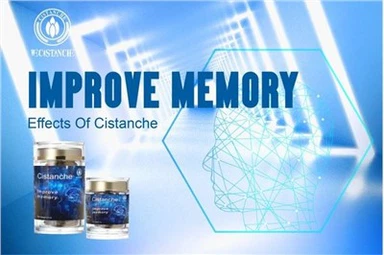
Therefore, we should pay attention to the importance of immune cells, maintaining good health, and enhancing immunity to improve our cognitive abilities and memory. At the same time, we should also maintain the normal function of immune cells through good living habits, such as maintaining a healthy diet, moderate exercise, and adequate sleep, to lay a good foundation for our body and brain health. It can be seen that we need to improve our memory. Cistanche deserticola can significantly improve memory because Cistanche deserticola is a traditional Chinese medicinal material that has many unique effects, one of which is to improve memory. The efficacy of Cistanche deserticola comes from the multiple active ingredients it contains, including tannic acid, polysaccharides, flavonoid glycosides, etc. These ingredients can promote brain health through a variety of pathways.

Click know 10 ways to improve memory
For instance, cellular therapies from donor lymphocyte infusion are utilized to treat cancer relapse following allogeneic hematopoietic stem cell transplantation to bring about graft-vs-leukemia reaction [71–73], where antigen-experienced T cells would recognize pathogens such as cytomegalovirus or Epstein–Barr virus.
Likewise, antigen-specific T cells acquired by cell expansion or genetically engineered pathogen-specific Tc clones have been applied to infectious diseases [74,75]. In both scenarios, artificial APCs expressing ligands for T cell receptors as well as CD28 co-stimulatory molecules have been developed to prime and expand pathogen-specific effector Tc cells [76].
Moreover, chimeric antigen receptors (CARs) have also been genetically modified in effector cells such as T cells and NK cells, with an extracellular receptor recognizing specific antigens linked plus an intracellular signaling molecule that would activate signal cascades [52].
Conforming to the above principles, clinical trials on COVID-19 patients using APCs and effector lymphocytes including TC and NK cells have been evaluated for safety and efficacy.
4. Challenges and Perspectives
Although elicited active immunity following vaccination provides long-lasting prophylactic immunity against pathogens, how long it takes might exceed the time window for treatment.
On the contrary, passive immunity allows for immediate protective immunity by the adoptive transfer of hyperimmunoglobulin derived from convalescent donors.
That being said, these non-neutralizing or sub-neutralizing antibodies might bring about either viral infection in target cells expressing Fc receptors, also known as antibody-dependent enhancement (ADE), or immunopathology involving immune cell-mediated cytotoxicity in infected cells that could further induce exaggerated immune reactions, also known as antibody-dependent cellular cytotoxicity (ADCC), both being suggested in previous studies on SARS-CoV-2 [77].
Hence, it requires purification and production of neutralizing antibodies to improve the prognosis of patients with severe COVID-19. Apart from convalescent donation, direct transfer of cellular immunity could also be achieved through the transfer of ex vivo trained active immunity, also known as immunotherapy.
For instance, one trial used engineered ACE2-CAR-NKs to target SARSCoV-2-infected cells presenting S proteins, and to activate downstream signal transduction, imitating the use of CAR-NKs in cancer immunotherapy [78].
Unlike CAR-T therapy, in which unregulated substantial toxic effects have been clinically observed, activated ACE2- CAR-NKs could be suppressed when attaching to uninfected/healthy cells. Specifically, MHC I molecules expressed by uninfected cells can be recognized by inhibitory receptors of NK cells, followed by inhibitory signal transmission and cytotoxicity alleviation in healthy cells that are facilitated by killer immunoglobulin-like receptors such as KIR2DL and KIR3DL, or C-type lectin receptors including CD94/NKG2A and CD94/NKG2B [79].
Allogenic ACE2-CAR-NK transplantation could thus be an off-the-shelf product for patients with severe COVID-19, although again it takes extensive time and cost. There are several limitations of this meta-analysis.

First, as antibody response or seroconversion rate for each participant was available in phase 2 but not in phase 3 clinical trials, long-term efficacy on the risk of COVID-19 and 28-day efficacy of serum level can not be acquired at the same time through reports on clinical trials of the same phase.
Thus, our study discussed only seroconversion level but not population efficacy. Further, although through the 27 reports of clinical trials, we observed the seroconversion and risk of AEs among protein, DNA, RNA, and viral vector vaccines, while delivery systems such as liposome-encapsulated RNA vaccines may improve both antibody response and safety of individual vaccines [80].
As such, future vaccines with optimized delivery may present better safety than that estimated in our meta-analysis.
Lastly, due to the limited number of clinical trials reporting on participants with pre-existing chronic diseases, including diabetes mellitus, chronic kidney disease, rheumatic diseases, or participants that were children, we could not determine the safety and seroconversion efficacy of each vaccine on these subgroups.
5. Conclusions
In summary, without effective new drugs, immunity manipulation has been considered a promising option to defend against infection.
As prophylactic and therapeutic immunity is crucial to fight against SARS-CoV-2 at different stages of disease progression, clinical trials have been launched to evaluate the safety and seroconversion of strategies to manipulate immunity.
These trials involve off-the-shelf BCG vaccines for heterologous immunity against SARS-CoV-2 in healthcare providers and direct transfer of immunoglobulin from convalescent donors or ex vivo trained immune cells for preventing viral dissemination or eliminating infected cells in COVID-19 patients, as well as conventional vaccines containing inactivated virus or subunit of pathogens eliciting Th-dependent B memory pathway for specific prophylaxis in healthy adults (Figure 4).
Trends toward vaccine-induced active immunity were eminent in clinical trials included in the present systemic review and meta-analysis.
The efficacy of humoral immune responses against SARS-CoV-2 for these vaccines was promising, although systemic adverse events were still evident for RNA-based vaccines and viral vector-based vaccines.
Further studies are warranted to investigate the underlying mechanisms of effective manipulation of immune responses against COVID-19 with minimized adverse effects.

6. Materials and Methods
This study was conducted by the Preferred Reporting Items for Systematic Review and Meta-analysis of Diagnostic Test Accuracy Studies [81] and Metaanalyses Of Observational Studies in Epidemiology guidelines [82]. Patients or the public were not involved in the design, conduct, reporting, or dissemination plans of this research. Inclusion and exclusion criteria are demonstrated in Figure 5.

For the systematic review, we included clinical trials registered on the National Institutes of Health (NIH) Clinical Trial Database (https://clinicaltrials.gov/ accessed on 25 May 2021) that incorporated keywords vaccination and immunity up to 25 May 2021. The search strategy was either "COVID-19" AND "Immune", or "COVID-19" AND "Vaccine" (Figure 5).
To ensure that these trials involve immuno-augmentative mechanisms for developing COVID-19 therapies (Figure 5), four authors (K.S.M., C.C.L., K.J.L, and L.T.W.) screened the trials and identified 389 eligible trials that directly manipulated immunity, including 32 trials that induced training immunity via vaccination, 249 trials that induced active immunity via vaccination, 59 trials that transferred passive immunity, and 59 trials on immunomodulation or enhancement of antiviral immunity based on immunotherapies (Supplementary Table S2).

As for epidemiological data on registered COVID-19 cases in countries with or without Bacillus Calmette–Guérin (BCG) vaccination policy, we estimated the respective COVID-19 mortality rate registered on 12 September at Johns Hopkins Centers for Civic Impact [4] and accordingly evaluated BCG programs among high-income countries listed in the BCG World Atlas [9].
To determine whether, in populations at risk for COVID-19 or patients with COVID-19, there is any difference in antibody response and safety with the four different types of vaccines, including protein vaccines, RNA vaccines, viral vector vaccines, and inactivated vaccines, we performed this systematic review and meta-analysis. In particular, the antibody response was defined as post-vaccination seroconversion levels, and safety was defined as post-vaccination adverse events (AEs), including solicited systemic reactions, solicited local reactions, and unsolicited AEs.
For the meta-analysis of released results of clinical trials in augmenting active immunity (Figure 5), we searched PubMed, Embase, Scopus, and the Cochrane Central Register of Controlled Trials for articles published through 25 May 2021 that incorporated the trial numbers of included clinical trials registered on the NIH Clinical Trial Database and identified 27 original articles demonstrating safety and seroconversion of tested trials.
The 27 published articles included five for protein-based vaccines [18–22], six for RNA-based vaccines [23–28], one for DNA-based vaccines [29], eight for viral vectors [30–37], six for inactivated viruses [38–43], and one for virus-like particles (VLPs) [44]. Four authors (K.S.M., C.C.L., K.J.L, and L.T.W.) extracted data on study demographics and both primary and secondary outcomes.
The primary outcome was overall safety evinced by post-vaccination AEs in terms of (1) systemic AEs such as fever and fatigue, (2) local reactogenicity or local AEs such as pain and tenderness, and (3) unexpected or unsolicited AEs categorized following the World Health Organization guidance [11,83,84]. The secondary outcome was immunogenicity, as manifested by data on seroconversion.
Statistical Analysis
Student's t-test was used to compare the differences (mean ± SD) between the intervention and the control group using GraphPad Prism software (CA, USA). A value of p < 0.05 was considered statistically significant. Meta-analysis of protein-, RNA-, viral vector-, and inactivated virus-based vaccines were conducted for pooled odds ratios (ORs) with 95% confidence intervals (CIs) with a random effect model using RevMan5 software (Cochrane Collaboration) [85].
Supplementary Materials: The following are available online at https://www.mdpi.com/article/10 .3390/pathogens10121537/s1, Table S1: Epidemiological data on COVID-19 cases and CG programs among high-income countries, Table S2: Clinical trials for immune augmentation against SARSCoV-2 virus infection; Figure S1: Epidemiological analyses revealed comparatively low mortality for COVID-19 in high-income countries with BCG vaccination policies; Figure S2: Forest plots and summary estimates for the safety of vaccines, defined as the inverse of local adverse events (AEs); Figure S3: Forest plots and summary estimates for the safety of vaccines, defined as the inverse of unsolicited AEs.
Author Contributions: Conceptualization, K.S.-K.M. and L.-T.W.; methodology, K.S.-K.M., C.-C.L., K.-J.L., J.C.-C.W., and L.-T.W.; writing-original draft preparation, K.S.-K.M., and L.-T.W.; writing- review and editing, K.S.-K.M., Y.-T.L. and L.-T.W.; funding acquisition, K.S.-K.M., Y.-T.L., and L.-T.W. All authors have read and agreed to the published version of the manuscript.
Funding: This work was supported in part by funding from the Taiwan Ministry of Science and Technology (MOST: 108-2813-C-040-040-B to K.S.M. and 109-2326-B-002-016-MY3 to L.T.W.), Chung Shan Medical University Hospital, Taiwan (CSH-2020-C-011 to Y.T.L.), and a research grant from International Team for Implantology (fund no. 1577_2021 to K.S.M.).
Institutional Review Board Statement: Not applicable.

Informed Consent Statement: Not applicable.
Data Availability Statement: Not applicable.
Acknowledgments: The authors thank Rafi Ahmed (Emory University) and Michael Karin (University of California, San Diego, CA, USA) for constructive discussion and comments on the presenting data.
Conflicts of Interest: The authors declare no competing interests.
References
1. Ma, K.S.; Tsai, S.Y. Big Data-driven personal protective equipment stockpiling framework under Universal Healthcare for Disease Control and Prevention in the COVID-19 Era. Int. J. Surg. 2020, 79, 290–291. [CrossRef]
2. Ma, K.S. Integrating travel history via big data analytics under universal healthcare framework for disease control and prevention in the COVID-19 pandemic. J. Clin. Epidemiol. 2021, 130, 147–148. [CrossRef] [PubMed]
3. Thailand, R.A.; Safdar, M.; Ozaslan, M. Genomic characterization of a novel SARS-CoV-2. Gene Rep. 2020, 19, 100682. [CrossRef]
4. Dong, E.; Du, H.; Gardner, L. An interactive web-based dashboard to track COVID-19 in real-time. Lancet Infect. Dis. 2020, 20, 533–534. [CrossRef]
5. Bonam, S.R.; Kaveri, S.V.; Sakuntabhai, A.; Gilardin, L.; Bayry, J. Adjunct Immunotherapies for the Management of Severely Ill COVID-19 Patients. Cell Rep. Med. 2020, 1, 100016. [CrossRef]
6. Netea, M.G.; Joosten, L.A.; Latz, E.; Mills, K.H.; Natoli, G.; Stunnenberg, H.G.; O'Neill, L.A.; Xavier, R.J. Trained immunity: A program of innate immune memory in health and disease. Science 2016, 352, aaf1098. [CrossRef]
7. Gerth, H.J. [Basic principles of active and passive immunizations]. Internist 1979, 20, 264–272.
8. Yang, Y. Cancer immunotherapy: Harnessing the immune system to battle cancer. J. Clin. Invest. 2015, 125, 3335–3337. [CrossRef] [PubMed]
9. Zwerling, A.; Behr, M.A.; Verma, A.; Brewer, T.F.; Menzies, D.; Pai, M. The BCG World Atlas: A database of global BCG vaccination policies and practices. PLoS Med. 2011, 8, e1001012. [CrossRef] [PubMed]
10. Zimmermann, P.; Perrett, K.P.; van der Klis, F.R.; Curtis, N. The immunomodulatory effects of measles-mumps-rubella vaccination on persistence of heterologous vaccine responses. Immunol. Cell Biol. 2019, 97, 577–585. [CrossRef]
For more information:1950477648nn@gmail.com