The Active Components And Antioxidant Activity Of Fresh-cut Cistanche Deserticola Y. C. Ma By Modified Atmosphere Microporous Membrane Packaging
Apr 18, 2023
Abstract: In order to study the postharvest storage quality of Cistanche deserticola planted in Xinjiang, the active modified atmosphere treatment (6% CO2+4% O2+90% N2) combined different packaging materials with PE film (oxygen permeation 300 cm3 /(m2·d)), microporous membrane M1 (oxygen permeation 6 000 cm3 /(m2·d)) and microporous membrane M2 (oxygen permeation 8 000 cm3 /(m2·d)) were used to treat the fresh-cut Cistanche deserticola. The effects on the changes of active components and antioxidant activities were studied under low temperature (4±0.5) ℃ storage. The results showed that PPO activity and browning degree in treatment group with modified atmosphere microporous membrane(6% CO2+4% O2+90% N2+M1) were2.07 U·/g and 0.57 OD410/g, which were lower than CK group after storage for 7 days. The contents of Vc, total phenols, flavonoids, total polysaccharides, echinoside and calycoside were 13.00%, 5.88%, 11.24%, 14.45%, 1.20% and 1.47% higher than those of CK group, respectively. In the meantime, the DPPH,ABTS + free radicalscavenging rate and FRAP value in 6% CO2+4% O2+90% N2+M1 microporous membrane treatment group were 8.97%, 1.99% and 11.43% higher than in CK group, respectively. In summary, 6% CO2+4% O2+90% N2+M1 treatment could significantly retard the decrease of active components, maintain higher antioxidant capacity and prolong the shelf life of C.deserticola. This study provides an efficient preservation method for fresh-cut C.deserticola which better maintain the ability of medicine food homology.
Key words: cistanche deserticola Y. C. Ma; modified atmosphere packaging; microporous membrane; inoxidizability

Cistanche deserticola ma
Cistanche deserticola Y. C. Ma is a parasitic plant of the genus Cistanche in the family Asteraceae. It has a warm nature, and a sweet taste, and contains various active substances such as polysaccharides, phenylethanoid glycosides, flavonoids, polyphenols, and alkaloids [1,2]. It has the functions of tonifying kidney yang, benefiting essence and blood, moistening intestines and defecating, alleviating fatigue, delaying aging, and enhancing immunity [3,4]. At present, most of the Cistanche deserticola sold on the market are dried products, and the traditional sun drying method is used during the drying process, resulting in the loss of some active ingredients in Cistanche deserticola and weakening its efficacy. Freshly cut fruits and vegetables have the characteristics of convenience, speed, and high freshness, which are deeply loved by consumers and have gradually become the mainstream of fruit and vegetable fresh food processing.

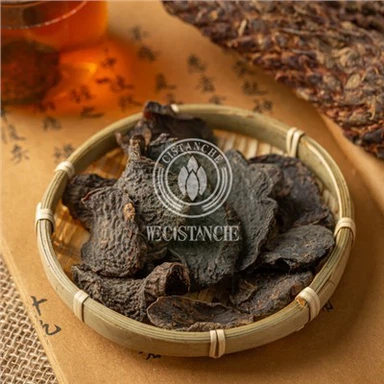
Desert ginseng
Click here to view Cistanche deserticola tea products
【Ask for more】 Email:cindy.xue@wecistanche.com / Whats App: 0086 18599088692 / Wechat: 18599088692
Modified atmosphere packaging is widely used in fruit and vegetable preservation due to its high efficiency, safety, and low cost. The microenvironment CA treatment effectively slowed down the decline of the contents of total solid solids (TSS), titratable acid (TA), Vc, and anthocyanins of blueberry fruits during storage, making them still maintain high nutritional value [6]. The combination of controlled atmosphere and temperature treatment can effectively maintain the content of reducing sugars, soluble proteins, and flavonoids in lilies, inhibit the generation of alcohols and esters, improve antioxidant activity, and reduce the occurrence of browning [7].
Microporous membranes combine their specific breathability with the respiration of fruits and vegetables, spontaneously regulating the gas composition inside the packaging [8], achieving dynamic balance in the gas ratio inside the packaging, effectively delaying the decline in fruit and vegetable storage quality and oxidative aging [9]. Microporous membrane-modified atmosphere packaging can effectively slow down the decrease of soluble protein and chlorophyll content in green soybeans [10], effectively reduce the degradation of chlorophyll in cucumbers, slow down the production of O2-, and enhance the activity of related antioxidant enzymes, improving the stress resistance of cucumbers [11]. The content of total phenols and anthocyanins in pomegranate peel was increased, and the antioxidant activity was enhanced [12]. There are few reports on the application of modified atmosphere microporous membrane packaging technology in fresh-cut Cistanche deserticola.
The modified atmosphere microporous membrane packaging treatment can effectively maintain the nutritional components in fruits and vegetables and has a significant impact on antioxidant properties [11,13]. However, there is relatively little research on the changes in active ingredients and antioxidant properties of fresh-cut Cistanche deserticola. Therefore, this article uses a modified atmosphere microporous membrane to package fresh-cut Cistanche deserticola, and studies the changes in the active ingredients of fresh-cut Cistanche deserticola during storage and the impact of its antioxidant properties. To provide a technical basis for the study of medicinal and food homology of Cistanche deserticola ma.
1 Material and Methods
1.1 Materials and reagents
Cistanche deserticola: purchased from the Turpan region of Xinjiang in November 2021 and transported to a cold storage room for pre-cooling at 10 ℃ for 24 hours. Fresh and uniform-sized Cistanche deserticola (with a diameter of approximately 4 cm) without mechanical damage, disease, or insect pests were selected for subsequent experimental research. PE film (thickness 40 μ m. The oxygen permeability of 300 cm3/(m2 · d), 6000 pores microporous membrane (thickness 25 μ m. The oxygen permeability of 6000 cm3/(m2 · d), 8000 pores microporous membrane (thickness 25 μ m. The oxygen permeability is 8000 cm3/(m2 · d), all provided by Jiangsu Jiubang New Materials Technology Development Co., Ltd.
Acetonitrile and formic acid chromatography, Merck, Germany; Pure standard color spectrum of Moringa glycosides and Echinacetin, Abel Co., Ltd; Sodium chloride, citric acid, sodium bisulfite, L-cysteine, calcium chloride, sodium hypochlorite, guaiacol, polyethylene glycol, catechol, ascorbic acid, potassium persulfate (K2S2O8), Tianjin Guangfu Fine Chemical Research Institute; 1,1-diphenyl-2-picrylhdrazyl (DPPH), 2,2 '- diazo-bis (3-ethyl benzothiazole-6-sulfonic acid) diamine salt (ABTS), 2,4,6-tripyridyl triazine (TPTZ), Beijing Kuer Chemical Technology Co., Ltd; The above reagents are all analytical pure.
1.2 Test instruments
UV-2600 ultraviolet spectrophotometer, Shimadzu Corporation, Japan; HC-3018R high-speed freezing centrifuge, Agilent-1100 high-performance liquid chromatography, PerkinElmer, USA; MS105DU 1/100000 Analytical balance, Mettler Toledo, Switzerland; SPX-100B-Z constant temperature and humidity box, Shanghai Boxun Industrial Co., Ltd.
1.3 Test methods

Desert living cistanche
After 24 hours of pre-cooling, the fresh Cistanche deserticola is peeled, cleaned, cut into pieces, color protected, and sterilized, and then placed in a packaging box (long × Wide × Height=180 mm × 140 mm × 5 mm, 200 g per box), and separately use PE film, 6000 well microporous films, and 8000 well microporous film for air conditioning packaging (with a heat sealing temperature of 140 ℃, a heat sealing time of 2 seconds, and an air conditioning ratio of 4% O2+6% CO2+90% N2), denoted as CK, M1, and M2 in the text. Immediately after treatment, store in a constant temperature incubator with a temperature of (4 ± 0.5) ℃ and a relative humidity of (90 ± 1)%. Repeat each treatment 3 times and take samples every 1 day for a total of 7 days. After crushing the sample, it is treated with liquid nitrogen and stored in a refrigerator at -40 ℃ for subsequent indicator determination.
1.4 Indicator measurement method
1.4.1 Determination of O2, CO2 volume fraction, PPO activity, and browning degree
Using a Checkpoint 3 portable headspace analyzer, regularly measure the percentage of O2 and CO2 in the packaging of different treatment groups, in%, with each treatment repeated 3 times.
The determination of PPO activity follows the method proposed by Cao Jiankang [14]. The browning degree was measured using the extinction value method [14], with slight modifications. Accurately weigh 2.0 g of Cistanche deserticola sample, homogenize it, and place it in a 50 mL centrifuge tube. Add distilled water at a ratio of 1:10 (g: mL) at 4 ℃ and 10000 × Centrifuge for 5 minutes, soak the supernatant in a 25 ℃ water bath at constant temperature for 5 minutes, and measure the absorbance of the supernatant at 410 nm. The results are expressed in OD410/g.
1.4.2 Determination of Vc, total phenols, and flavonoids
Determination of Vc content, total phenol content, and flavonoid content: Using spectrophotometric method [14].
1.4.3 Determination of total polysaccharide content
The phenol sulfuric acid method was used for determination, with slight modifications referring to the method of Zhao Yan et al. [15].
Preparation of sample solution: Accurately weigh 1.0g of Cistanche deserticola sample powder, and extract it by ultrasound at a ratio of 1:30 (deionized water) at 50 ℃ for 60 minutes, 4 ℃, 8000 × Centrifuge under g for 5 minutes, take the supernatant, add 95% ethanol to an ethanol concentration of 80%, and let it stand for 12 hours at 4 ℃. Discard the supernatant, wash the precipitate twice with anhydrous ethanol and acetone, add deionized water, remove protein with a Sevage solution (chloroform: n-butanol=4:1), and wait for measurement after reaching a constant volume.
Add 600 to 1 mL of sample solution μ Mix L 6% phenol solution with 3 mL of concentrated sulfuric acid and boil for 10 minutes. After cooling, measure the absorbance at 490 nm. Prepare a standard solution with glucose and draw a standard curve equation. The measurement results are expressed in glucose equivalent (mg DE/g DW).
Preparation of reference materials: Take appropriate amounts of standard samples of poolside and echinacoside (purity ≥ 98%), measure them accurately, add 50% methanol to prepare a reserve solution with a concentration of 1.0 mg/mL, and then mix appropriate amounts of reserve solution to obtain mixed solutions with respective concentrations of 0.05 mg/mL, 0.10 mg/mL, 0.15 mg/mL, 0.2 mg/mL, 0.3 mg/mL, and 0.4 mg/mL. Plot a standard curve with peak area (Y) as the ordinate and reference mass (X, mg). Preparation of test solution: The sample frozen with liquid nitrogen is subjected to vacuum freeze-drying, followed by sieving (No. 4) after freeze-drying. Accurately weigh 1.0 g of Cistanche deserticola powder, place it in a 50 mL brown volumetric flask, add 25 mL of 50% methanol, shake well, and soak for 30 minutes, sonicate for 40 minutes, cool, and add 50% methanol to the weight before sonication, let it stand, take the supernatant, and use 0.45 μ M microporous membrane filtration is obtained. Chromatographic conditions: The chromatographic column is Agilent Eclipse XDB-C18 chromatographic column (4.6 mm × 250 mm,5 μ m), detection wavelength 254 nm), column temperature 25 ℃; Using acetonitrile (A) -0.1% formic acid aqueous solution (B) as the mobile phase, gradient elution (0-20 minutes, 5% -15% A; 20-40 minutes, 15% -30%); Flow rate 1.0 mL/min, injection volume 10 μL。

Cistanche deserticola experiment
1.4.5 Determination of in vitro antioxidant activity
1.4.5.1 DPPH free radical scavenging ability [16]
Accurately prepare a 0.2 mmol/L DPPH ethanol solution and place it under dark conditions (ready for use). Ai: 0.5 mL 0.2 mmol/L DPPH ethanol solution; Ac: 0.5 mL anhydrous ethanol+0.5 mL 0.2 mmol/L DPPH ethanol solution; Aj: 0.5 mL of sample solution+0.5 mL of anhydrous ethanol. Under room temperature conditions, place it in dark for 30 minutes and measure the absorbance value at 517 nm. Calculate according to the following formula:
DPPH radical clearance rate/%=[1 Ai Aj Ac] × 100 (1)
1.4.5.2 Determination of ABTS+free radical scavenging ability
Determine according to the method of Tang Yanping et al. [17]. 1.4.5.3 The determination of iron ion reduction ability (FRAP) is based on the method of Wang Miaomiao et al. [18].
1.5 Data Statistics and Analysis
Using Excel 2010 for data processing, SPSS 20.0 for one-way ANOVA, and GraphPad Prism 8.0 software for plotting, P ≤ 0.05 indicates significant differences, and ≤ 0.01 indicates extremely significant differences.
2 Results and Discussion
2.1 Effects of different treatments on O2, CO2 volume fraction, PPO activity, and browning degree
O2 and CO2 concentrations are key parameters in controlled atmosphere storage. From Figures 1A and B, it can be seen that the O2 concentration in the CK group is gradually decreasing, while the CO2 concentration is gradually increasing. This is due to the poor permeability of the CK group. Under the respiration of fresh-cut Cistanche deserticola, the gas changes in the packaging are faster, and the O2 concentration is the lowest on the 7th day of storage. On the 4th day, the O2 concentration in the M2 group increased slowly and tended to flatten out. On the 6th day, the O2 concentration in the M1 group increased slowly and tended to flatten out. It may be due to the higher oxygen permeability of the M2 group compared to the M1 group, which quickly reaches dynamic equilibrium [19]. PPO is the main cause of enzymatic browning in fruits and vegetables. From Figure 1C, it can be seen that the PPO activity showed a trend of first increasing and then decreasing during storage. The increase in PPO activity in the early stage of storage may be due to damage stress on Cistanche deserticola during fresh cutting [20]. During storage for 1-5 days, its activity slowly decreases. On the 7th day, the PPO activity of M1 treatment was 6.76% and 5.01% lower than that of CK and M2 treatment, respectively, indicating that M1 treatment could effectively inhibit the increase of PPO activity and reduce the binding capacity with phenols. Browning is one of the key factors affecting the commercial value of fresh-cut Cistanche deserticola. From Figure 1D, it can be seen that the browning degree of fresh-cut Cistanche deserticola in different treatment groups showed an upward trend during storage. At the end of storage, the M1 and M2 treatment groups were 6.56% and 18.03% lower than the CK group, respectively. Among them, the M2 treatment group had the lowest browning degree at 0.51 OD410/g. This may be due to the strong respiration and high PPO activity of fresh-cut Cistanche deserticola in the early stage of storage, and the combination of browning-related enzymes and phenolic substances, leading to browning. With the exchange of gas, M1 and M2 treatment groups reached a dynamic equilibrium microenvironment, which inhibited the respiratory intensity of fresh-cut Cistanche deserticola, slowed down the physiological metabolic rate, and reduced the degree of membrane lipid peroxidation [21-23]. With the gradual reduction of PPO activity, the production of brown polymers was reduced, thus inhibiting its browning degree. The CK group has poor breathability and is prone to anaerobic respiration. During storage, microorganisms are easily produced, resulting in a higher degree of browning compared to the M1 and M2 treatment groups, which affects the sensory quality of freshly cut Cistanche deserticola.

Fig.1 Effects of different treatments on volume fraction ofO2(A)、CO2(B)、PPO activity(C)andbrowning degree (D)of fresh-cut C.deserticola
Note: Different lowercase letters between the same group of data indicate significant differences, P<0.05, the same below.
2.2 Effects of Different Treatments on Vc, Total Phenols, and Flavonoids

Fig.2 Effects of differenttreatments on Vc content (A)、total phenol content (B) and flavonoid content (C) of fresh-cut C.deserticola
Vc is an important nutritional component in fruits and vegetables and is also one of the important indicators affecting the storage quality of fruits and vegetables. It plays an antioxidant role in fruits and vegetables. As shown in Figure 2A, throughout the storage period, the Vc content in different treatment groups showed a gradually decreasing trend. Among them, the Vc content in the M1 treatment group was consistently higher than that in the M2 and CK treatment groups (P<0.05). On the 7th day of storage, the Vc content in the M1, M2, and CK treatment groups was 1.74%, 1.62%, and 1.54%, respectively. The M1 treatment group was 1.07 and 1.13 times higher than the M2 and CK treatment groups, respectively. It is possible that fresh-cut Cistanche deserticola is affected by mechanical damage and physiological metabolic activities, accelerating the consumption and oxidation process of Vc in the tissue, and leading to a decrease in Vc content [24]. After microporous membrane-modified atmosphere packaging treatment, the gas in the packaging box quickly reaches a dynamic equilibrium state through the microporous exchange, inhibiting the physiological metabolism rate of fresh-cut Cistanche deserticola, thereby slowing down the oxidative decomposition of Vc. This indicates that M1 treatment can effectively slow down the decrease in Vc content in fresh-cut Cistanche deserticola and maintain its antioxidant properties. Reche et al. found that delaying the reduction of O2 and the increase of CO2 in packaging can reduce nutrient consumption, thereby reducing the decrease in Vc and total phenolic content during the refrigeration process of jujube fruit and delaying fruit ripening and aging.
Phenolic substances are widely present in plants and play an important role in the antioxidant process of plants. As shown in Figure 2B, the total phenolic content in different treatments showed a trend of first increasing and then decreasing. On the 5th day of storage, the total phenolic content in different treatment groups reached its peak, with the total phenolic content in the M1 treatment group being 1.38 and 1.11 times higher than that in the M2 and CK treatment groups, respectively. This may be due to the destruction of cellular regionalization structure during the fresh cutting process, leading to an increase in the content of phenolic substances [26]. In the later stage of storage, the aging process of fresh-cut Cistanche deserticola intensifies, and the total phenolic content gradually decreases. Among them, the O2 concentration in M1 and M2 packaging increases, and the oxidation of phenolic substances accelerate. Compared with the M1 treatment, M2 has better breathability and a faster oxidation rate of phenolic substances. At the end of storage, the total phenolic content in the M1 treatment group remained the highest. This indicates that M1 treatment can effectively maintain the total phenolic content in fresh-cut Cistanche deserticola.
Vc, total phenols, and flavonoids are natural antioxidants present in fruits and vegetables, which can maintain the antioxidant activity of the system. As shown in Figure 2C, during storage, the flavonoid content in different treatment groups showed a trend of first increasing and then decreasing. The M1, M2, and CK treatment groups showed peaks on the 4th, 5th, and 6th days, respectively, and the M1 treatment group had the highest flavonoid content during storage. On the 7th day of storage, the flavonoid content in the M2 and CK treatment groups was 41.41% and 10.10% lower than that in the M1 treatment group, respectively. This indicates that M1 treatment can effectively slow down the decrease in flavonoid content.
2.3 Effects of different treatments on total polysaccharide content
Plant polysaccharides have the function of inhibiting or scavenging free radicals, and are one of the important active ingredients in plants. As shown in Figure 3, during storage, the total polysaccharide content of fresh-cut Cistanche deserticola in different treatment groups showed a gradually decreasing trend, with the CK group showing the fastest decrease. This may be due to the accelerated consumption of nutrients and substrate organic acids in fresh-cut Cistanche deserticola, resulting in the degradation of polysaccharides into monosaccharides [27], leading to a decrease in total polysaccharide content. M1 treatment can effectively inhibit the physiological metabolism of fresh-cut Cistanche deserticola and slow down the degradation of total polysaccharides. On the 7th day of storage, the total polysaccharide content of fresh-cut Cistanche deserticola in the M1 treatment group was 25.66 mg DE/g DW, which was 6.43% and 14.45% higher than the M2 (24.11 mg DE/g DW) and CK (22.42 mg DE/g DW) treatment groups, respectively. This indicates that M1 treatment can effectively reduce the loss of total polysaccharide content in fresh-cut Cistanche deserticola.

Fig.3 Effects of different treatments on polysaccharide content of fresh-cut C.deserticola
Echinoside and poolside are the main functional components in Cistanche deserticola, belonging to the phenylethanoid glycosides group and having antioxidant effects [28]. From Figures 5A and B, it can be seen that the content of echinacoside and poolside in different treatment groups showed a gradual downward trend, and the downward trend was not significant. Throughout the storage period, the content of pineal and poolside in the M1 treatment group was consistently higher than that in the CK group. On the 7th day of storage, the content of echinacoside in fresh-cut Cistanche deserticola in the M1 treatment group was 5.92 mg/g, which was 1.01% and 1.20% higher than that in the M2 and CK treatment groups, respectively. The content of anthocyanin in hairy stamen flowers was 2.04 mg/g, which was 0.49% and 1.47% higher than that in the M2 and CK treatment groups, respectively. This may be due to the presence of enzymes related to the hydrolysis of phenylethanoid glycosides in the body of Cistanche deserticola plants. Phenylethanol glycosides are hydrolyzed into small molecule substances with increasing storage time, resulting in a decrease in their content [29,30], which affects the functionality of Cistanche deserticola. In this experiment, fresh-cut Cistanche deserticola was placed in a 4 ℃ environment, and low temperature inhibited the activity of phenyl ethanol glycoside-related hydrolases, thereby reducing the degree of hydrolysis of phenylethanoid glycosides and maintaining their content well. At the same time, M1 treatment can achieve the dynamic balance of gas in the packaging box, inhibit the respiration of fresh-cut Cistanche deserticola, slow down life activities, and exchange gas through micropores to prevent anaerobic respiration, thereby slowing down the pH change of fresh cut Cistanche deserticola and effectively maintaining the stability of phenylethanoid glycosides [32]. The results showed that M1 treatment can effectively maintain the content of echinacoside and poolside in fresh-cut Cistanche deserticola, maintain its functional components, and improve its medicinal value.

Fig.4 HPLC chromatogram
2.5 Effects of Different Treatments on Antioxidant Activity
DPPH, ABTS+-free radical scavenging ability, and FRAP-reducing ability are important indicators that directly reflect the antioxidant capacity of fruits and vegetables. The higher the free radical scavenging rate, the stronger the antioxidant capacity. As shown in Figures 6A and B, with the extension of storage time, the DPPH free radical clearance rate and ABTS+free radical clearance rate of different treatment groups showed a trend of first increasing and then decreasing, which is consistent with the overall trend of changes in total phenolic content and flavonoid content. This indicates that the DPPH free radical clearance rate, ABTS+ free radical clearance rate, and total phenolic and flavonoid content are closely related. On the 5th day of storage, the DPPH free radical clearance rates of different treatment groups reached their peak, with the M1 treatment group having a DPPH free radical clearance rate of 92.38%, while the M2 and CK treatment groups had DPPH free radical clearance rates of 79.05% and 88.25%, respectively. This indicates that M1 treatment affects the DPPH free radical clearance rate to varying degrees and has the best effect. During storage, the trend of ABTS+-free radical clearance rate is basically consistent with the change in DPPH free radical clearance rate. The M1 treatment group showed a peak at 90.26% on the 5th day, while the M2 and CK treatment groups showed a peak on the 4th day, which was 2.28% and 1.70% lower than the M1 treatment, with significant differences (P<0.05). This indicates that M1 treatment has a significant effect on the ABTS+-free radical scavenging rate of fresh-cut Cistanche deserticola, which can delay the oxidative aging of fresh-cut Cistanche deserticola. The higher the FRAP content, the stronger the antioxidant capacity of fruits and vegetables. As shown in Figure 6C, the overall decline trend of FRAP in fresh-cut Cistanche deserticola is consistent with the changes in Vc content and total polysaccharide content, indicating that the reduced ability of FRAP is closely related to the Vc content and total polysaccharide content in fresh cut Cistanche deserticola. On the 7th day of storage, the FRAP in the M1 treatment group was 0.78 mmol/L, which was 4.00% and 11.43% higher than that in the M2 and CK treatment groups, respectively. The results showed that the M1 treatment had the best effect and could effectively improve the antioxidant activity of fresh-cut Cistanche deserticola.

Phenylethanol glycoside is the main active component of Cistanche deserticola
In addition, modified atmosphere packaging can regulate the activity of antioxidant-related enzymes, enhance the antioxidant capacity of fruits, reduce the degree of oxidative stress, and thus delay the decline of quality [33]. Previous studies have shown that the content of phenols and flavonoids in various fruits is closely related to their antioxidant properties [34-36]. This experimental study shows that M1 treatment effectively maintains the active components of fresh-cut Cistanche deserticola, enhances its antioxidant properties, effectively delays tissue aging, protects cells from microbial infection, and improves its stress resistance, thus maintaining the quality of fresh-cut Cistanche deserticola.

Fig.6 Effects of different treatments on DPPH free radical scavenging rate (A)、ABTS + free radicalscavenging rate (B) and FRAP(C) of fresh-cut C.deserticola
3 Conclusion
Active controlled atmosphere treatment (6% CO2+4% O2+90% N2) combined with different packaging materials was studied on fresh-cut Cistanche deserticola. M1 treatment can significantly inhibit the increase in PPO activity and browning degree in fresh-cut Cistanche deserticola, slow down the decrease in Vc, total phenols, flavonoids, total polysaccharides, echinacoside, and provide content, and maintain a high level of DPPH, ABTS+radical clearance rate, and FRAP reduction ability. The treatment of 6% CO2+4% O2+90% N2+M1 improved the antioxidant capacity of fresh-cut cistanche, slowed down browning and aging, and maintained the quality of fresh-cut cistanche. This study can provide a theoretical basis for the storage and preservation of fresh-cut cistanche.

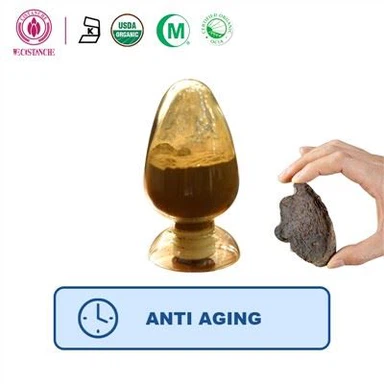
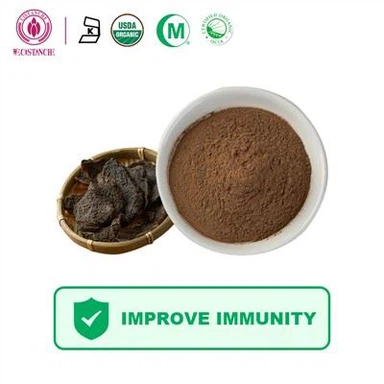
Cistanche extract powder
reference
[1] Quan X L, Xue B, Hui C B, et al. Crude polysaccharides from Cistanche deserticola Y. C. Ma as an immunoregulator and an adjuvant for foot-and-mouth disease vaccine[J]. Journal of Functional Foods, 2021, 87: 104800.
[2] Xin H W, Xiao G W, Yu H G. Rapidly simultaneous determination of six effective components in Cistanche tubulosa by near infrared spectroscopy[J]. Molecules, 2017, 22(5): 843-851.
[3] Wang F, Tu P, Zeng K, et al. Total glycosides and polysaccharides of Cistanche deserticola prevent osteoporosis by activating Wnt/β-catenin signaling pathway in SAMP6 mice[J]. Journal of Ethnopharmacology, 2021, 271: 113899.
[4] Feng S, Yang X, Weng X, et al. Aqueous extracts from cultivated Cistanche deserticola Y. C. Ma as polysaccharide adjuvant promote immune responses via facilitating dendritic cell activation[J]. Journal of Ethnopharmacology, 2021, 277(10): 114256.
[5] Hu Xiaomin, Huang Peng, Liu Wenxin, et al. Research progress on the application of non thermal physical technology in the preservation of fresh cut fruits and vegetables [J]. Food and Fermentation Industry, 2021,47 (10): 278-284
[6] Zhang Peng, Yu Hongtao, Li Chunyuan, et al. Effects of microenvironment controlled atmosphere on shelf quality of blueberries after storage based on principal component analysis [J]. Food and Fermentation Industry, 2021,12 (3): 1-13
[7]Kang Dandan. The regulatory effect of microenvironment controlled atmosphere combined with phase temperature on the postharvest quality of Lanzhou lily [D]. Changchun: Shenyang Agricultural University, 2020
[8] Wu Xinling, Jing Hongpeng, Zhang Xu, et al. Comparison of fresh-keeping effects of different spontaneous modified atmosphere packaging films on fresh soybeans [J]. food science, 2015, 36 (14): 265-270
[9] Rodriguez J, Zoffoli J P. Effect of sulfur dioxide and modified atmosphere packaging on blueberry postharvest quality[J]. Postharvest Biology and Technology, 2016, 117(23): 230-238
[10] Jing Hongpeng, Zhang Xu, Guan Wenqiang, et al. Study on the preservation effect of microporous film packaging on green soybean at different temperatures [J]. Food Industry Technology, 2015,36 (3): 335-339
[11] Yin Jiewen, He Xiaomei, Jia Jiayi, et al. Study on the effect of microporous membrane packaging based on principal component analysis on delaying cell membrane lipid peroxidation and quality deterioration of cucumber after cold storage [J]. Food and Fermentation Industry, 2021,63 (27): 1-13
[12] Opapa U L, Hussein Z, Caleb O J. Phytochemical properties and antioxidant activities of minimally processed ‘Acco’ pomegranate arils as affected by perforation‐mediated modified atmosphere packaging[J]. Journal of Food Processing and Preservation, 2017, 43(3): 124-132.
[13] Liu Hui, Zhang Jinglin, Liu Jiechao, et al. Effect of ascorbic acid combined with spontaneous modified atmosphere packaging on the storage quality and antioxidant activity of Lingwu jujube [J]. food science, 2021, 42 (1): 257-263
[14] Cao Jiankang, Jiang Weibo, Zhao Yumei. Guidance on Postharvest Physiological and Biochemical Experiments of Fruits and Vegetables [M]. Beijing: China Light Industry Press, 2007:28-50
[15] Zhao Yan, Yu Xinmiao, Wei Yuping, et al. Functional components and antioxidant activity of different parts of Qinghai tubular cistanche [J]. Food Industry Technology, 2021,15 (26): 1-11
[16] Pei Fei, Tao Hongling, Cai Lijuan, et al. Optimization of ultrasonic assisted extraction process and antioxidant activity of polyphenols from Moringa oleifera leaves by response surface test [J]. food science, 2016,37 (20): 24-30
[17] Tang Yanping, Zhang Weimin, Chen Wenwen, et al. Study on polyphenol extraction and antioxidant activity of cashew pear residue [J]. food science, 2010, 31 (20): 240-245
[18] Wang Miaomiao, Liu Zonghao, Zhang Yong, et al. Analysis of Flavonoids, Polyphenols, and Antioxidant Activities in 2 Species of Xinjiang Seabuckthorn [J]. Food Industry Science and Technology, 2020,41 (18): 51-57
[19] Wang Xiaoyun. Research on the Application of Microporous Preservation Film in Vegetable Packaging [D]. Tianjin: Tianjin University of Science and Technology, 2015
[20] Yan Kaiya, He Ye, Zhang Min. The impact of packaging methods on the logistics and preservation quality of broccoli [J]. Food and Machinery, 2016,32 (4): 155-159
[21] Wang Kangfei, Wang Guiying, Wang Dezheng. Comparative study on the effects of different preservation methods on grape preservation [J]. Packaging Engineering, 2020,41 (15): 19-24
[22] Yu Jingfen, Lu Yuguang, Shang Haitao, et al. Study on the effect of microporous membrane combined with 1-MCP on the quality of peach fruit [J]. Agricultural Product Processing, 2021,6 (3): 26-28
[23] Fu Yue. The Effect of Different Packaging Materials on the Storage and Freshness of Penang Fruit [D]. Jinzhong: Shanxi Agricultural University, 2019 [24] Fang Zongzhuang, He Ai, Dou Zhihao, et al. The effect of different modified atmosphere packaging combined with low-temperature treatment on the storage quality of fresh cut pineapple [J]. Journal of Henan University of Technology, 2018,39 (4): 102-107
[25] Reche J, Garcia-pastor M, Valero D, et al. Effect of modified atmosphere packaging on the physiological and functional characteristics of Spanish jujube (Ziziphus jujuba Mill. ) cv 'Phoenix' during cold storage[J]. Scientia Horticulturae, 2019, 258: 108743.
[26] Ali S, Khan A S, Malik A U, et al. Modified atmosphere packaging delays enzymatic browning and maintains quality of harvested litchi fruit during low temperature storage[J].Scientia Horticulturae, 2019, 254(16): 14-20.
[27] Liu Yang. Study on the Active Constituents and Fingerprints of Cistanche deserticola and Cistanche deserticola [D]. Changchun: Jilin University, 2013
[28] Jin L, Hong N Y, Chuan Y, et al. Therapeutic potential and molecular mechanisms of echinacoside in neurodegenerative diseases[J]. Frontiersin Pharmacology, 2022, 13: 841110.
[29]Pang Jinhu. Effects of Postharvest Processing and Extraction Methods on the Main Active Components of Cistanche deserticola [D]. Hohhot: Inner Mongolia Agricultural University, 2013
[30] Zhang Chao, Hua Yue, Lian Jing, et al. Study on the changes in the content of phenylethanol glycosides during the processing of Cistanche deserticola [J]. Chinese Journal of Traditional Chinese Medicine Information, 2015,36 (22): 260-265
[31] Cai Hong, Bao Zhong, Jiang Yong, et al. Quantitative analysis of effective components in Cistanche deserticola from different habitats [J]. Chinese Herbal Medicine, 2007,38 (3): 452-455
[32] Fei Z, Zhao Y, Li M, et al. Degradation of phenylethanoid glycosides in Osmanthus fragrans Lour. flowers and its effect on anti-hypoxia activity [J]. Scientific Reports, 2017, 7(1): 10068-10083.
[33] Luo Shufen, Hu Huali, Chen Xiaoyan, et al. Effects of modified atmosphere packaging on storage quality and antioxidant enzyme activity of concanavalin [J]. food science, 2015, 36 (22): 260-265
[34] Wang S Y, Lin H S. Antioxidant activity in fruits and leaves of blackberry, raspberry, and strawberry varies with cultivar and developmental stage[J]. Journal of Agricultural and Food Chemistry, 2000, 48(2): 140-146.
[35] Reche J, Garcia-pastor M E, Valero D, et al. Effect of modified atmosphere packaging in the antioxidant capacity of arazá (Eugenia stipitata McVaugh), naranjilla (Solanum quitoense Lam. ) and tree tomato (Solanum betaceum Cav. ) fruits from Ecuador[J]. Journal of Food Processing and Preservation, 2020, 44(10): 147-157.
[36] Selcuk N, Erkan M. Changes in antioxidant activity and postharvest quality of sweet pomegranates cv. Hicrannar under modified atmosphere packaging[J]. Postharvest Biology and Technology, 2014, 92(38): 29-36.