The Ancient Chinese Art Of Love: Sex, Longevity, And Herbal Wisdom
Aug 28, 2025
3.1 The Pursuit of Health and Longevity
In ancient Han China, one of the primary goals of sexual practices was personal health and longevity-a foundation for achieving other life aims. Masters like Gan Shi, Dongguo Yannian, and Feng Junda were said to have mastered the "art of controlling women through the methods of Rong Cheng," using sexual techniques to preserve vitality and live past one or even two hundred years. They were once invited by Cao Cao to share their secrets.
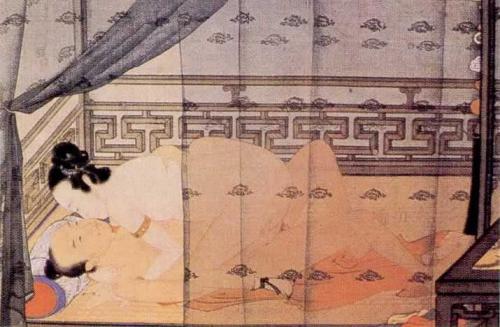
Texts like The Yellow Emperor and Three Kings' Methods for Nourishing Yang emphasized the importance of preserving essence (jing) through controlled intercourse. For instance, the Ten Questions states: "If you refrain from emission after eight excitations, your life will be long; after nine, you will communicate with the divine." It advocates supplementing sexual practice with breath and energy exercises to "absorb the essence of heaven" and achieve longevity. Even the elderly could supposedly regain vitality through these methods.
Another text, The World's Ultimate Way, promoted the use of the "eight benefits" and avoidance of the "seven injuries" during intercourse-combined with Daoist exercises-to ensure "long life and happiness."
3.2 Promoting Harmony and Happiness in the Family
As the scholar R.H. van Gulik noted, balancing intimate relationships was essential in polygamous households. The harmony of the entire family could depend on the sexual satisfaction of its women.
Ancient Chinese texts placed surprising emphasis on female pleasure. For example, the He Yin Yang advises men to prolong intercourse so that "the woman becomes greatly pleased, and will feel as close to you as to her own brothers and parents." Satisfying women was not just a matter of pleasure-it was a social duty. There's even a story about Yu the Great, who, after exhausting himself controlling floods, received sexual health advice from a master named Li Gui. By following it, he restored harmony in his household.
Moreover, having children-especially male heirs-was critical for continuing the family line and inheritance. Special texts like The Three Schools' Inner Chamber Methods for Having Children (now lost) were dedicated to conception and offspring health. Even the Classic of Great Peace (Taiping Jing) warned that failing to have children was to "cut off heaven's order."

The Role of Herbal Allies: Cistanche (肉苁蓉)
Central to many sexual health practices was the use of herbal supplements. Among the most revered was rou cong rong, known today as cistanche. Esteemed for its dual benefits in supporting kidney health and sexual function, cistanche was often incorporated into tonics aimed at boosting vitality and longevity.
Cistanche benefits include enhancing energy, supporting reproductive health, and strengthening the body's core functions-making it a perfect companion to the bedroom arts taught by the ancient masters. Its use reflects a holistic vision where herbal wisdom and sexual practice united to promote both individual health and family bliss.

Herb Cistanche Tubulosa
Click the pic to get more details
4. Conclusion
Han-era sexual culture combined medical knowledge, spiritual practice, and social duty. Unlike mystical immortality seekers, sexual health masters focused on practical, achievable goals: personal wellness and domestic happiness. Their teachings offered balanced and sustainable methods for living longer, strengthening relationships, and continuing the family line.
So the next time you hear about cistanche benefits, remember-it's not just a modern supplement. It's part of an ancient system of sexual wellness that helped shape one of history's most sophisticated cultures.