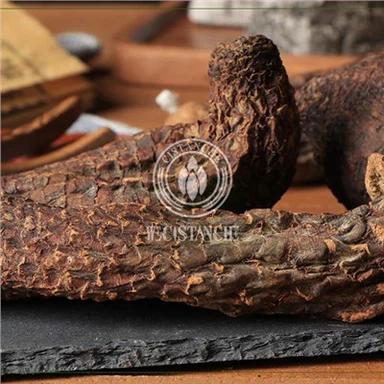
Understanding Inflammation & Natural Relief: Cistanche Tubulosa Oxidation Resistance Benefits For Anti-Inflammatory
May 29, 2026
1. What Is Inflammation? Acute vs Chronic Inflammation
Inflammation is a natural biological response triggered by damage to living tissues. Developed through biological evolution, it acts as a vital defense system for higher organisms to fend off infections and physical injuries. Its main functions are to locate and eliminate harmful substances, clear damaged tissue, and kickstart the body's self-healing process. This response involves altered blood circulation, increased vascular permeability, and the migration of body fluid, proteins and white blood cells from the bloodstream to injured areas.
Inflammation falls into two major categories: acute inflammation which lasts only several days, and chronic inflammation that persists over a long period. Generally speaking, acute inflammation is beneficial to human health, though it may cause mild discomforts like sore throat or itching from insect bites. These symptoms fade away once the healing process finishes.
Nevertheless, inflammation can turn destructive when the body's regulatory system malfunctions. If the body fails to clear damaged tissues and foreign invaders effectively, continuous tissue damage will occur. Unregulated immune responses also lead to long-term harmful inflammation. Common cases include allergies - where harmless substances such as pollen trigger abnormal inflammatory reactions - and autoimmune diseases, in which the immune system mistakenly attacks the body's own tissues and induces persistent chronic inflammation.

2. Common Causes of Inflammation
Multiple factors can induce inflammatory reactions, including microorganisms, physical damage, chemical irritants, abnormal immune responses and tissue necrosis.
Viruses and bacteria are the most frequent triggers. Viruses invade and destroy healthy cells, while bacterial endotoxins activate inflammatory pathways. Physical harm such as trauma, burns, radiation damage and frostbite can damage tissues and cause inflammation. Corrosive chemicals like acids, alkalis and oxidants also irritate tissues and spark inflammatory responses.
Besides, disordered immune systems will initiate inappropriate inflammatory reactions. Tissue death caused by oxygen or nutrient deficiency (usually due to blocked blood flow) is another major cause of inflammation.
3. Five Classic Signs of Inflammation
Back in the 1st century AD, Roman physician Aulus Cornelius Celsus summarized four core symptoms of inflammation: redness (rubor), heat (calor), swelling (tumor) and pain (dolor). Later in the 19th century, German pathologist Rudolf Virchow added a fifth typical sign: loss of function.
Redness & Heat: Caused by dilated small blood vessels that boost local blood flow; the rising temperature is mainly felt on peripheral body parts like the skin.
Swelling (Edema): Formed by excessive fluid accumulating outside blood vessels.
Pain: Resulting from tissue deformation caused by edema, as well as inflammatory chemical mediators including bradykinin, serotonin and prostaglandins.
Loss of function: Happens when severe pain or swelling restricts the movement of the affected body part.
4. Mechanisms of Acute Inflammation
4.1 Vascular Reactions
When tissue gets injured, local blood vessels first undergo brief vasoconstriction, followed by vasodilation that increases local blood flow for 15 minutes to several hours. The vascular walls then become more permeable, allowing protein-rich exudate to flow into surrounding tissues.
The exudate contains clotting factors that prevent the spread of pathogens and antibodies that fight against invaders. As fluid leaks out, blood flow slows down. White blood cells separate from the bloodstream, adhere to vessel walls and prepare to migrate into damaged tissues.
4.2 Cellular Changes
The accumulation of white blood cells at injury sites is the core feature of acute inflammation. Most of these cells are phagocytes, which engulf bacteria, foreign particles and cellular debris.
Neutrophils are the primary phagocytes in acute inflammation. Minor injuries are managed by circulating neutrophils, while severe damage prompts the bone marrow to release large quantities of neutrophils. Guided by chemokines released from damaged tissues, neutrophils migrate rapidly to the lesion, often within one hour after injury.
24 to 28 hours later, monocytes arrive and gradually develop into macrophages. Macrophages become the dominant immune cells in the later stage and serve as a key marker of chronic inflammation.
4.3 Inflammatory Chemical Mediators
A variety of chemical mediators control the whole inflammatory process. They are secreted by plasma, white blood cells, platelets, mast cells, vascular endothelial cells and damaged tissue cells.
Histamine is a well-known mediator that causes vasodilation and higher vascular permeability. Lysosomal compounds and complement proteins (C3a, C5a) further enhance vascular permeability. Cytokines work as both vasoactive substances and chemokines.
Prostaglandins and leukotrienes are closely linked to inflammatory pain, fever and platelet aggregation. Popular anti-inflammatory drugs such as aspirin relieve symptoms by inhibiting enzymes related to prostaglandin synthesis. Four major plasma protein systems - complement, kinin, coagulation and fibrinolysis - also produce active mediators to regulate inflammation.

5. Secondary Outcomes of Acute Inflammation
After acute inflammation occurs, the body will develop three main results: tissue healing & repair, suppuration, or progression to chronic inflammation. The final outcome depends on tissue type, damage severity and root causes.
5.1 Healing and Tissue Repair
Different cells have distinct regeneration abilities. Epithelial cells regenerate easily; liver cells can regain proliferative capacity after injury; some cell types cannot regenerate at all. Simple tissue structures like skin can recover completely, while complex organs such as glands are hard to restore to their original state, which may lead to diseases like liver cirrhosis.
If severe damage blocks natural regeneration, fibrous scar tissue will form. Endothelial cells grow new blood vessels, and fibroblasts build connective tissue named granulation tissue. In the later stage, collagen accumulates and forms dense scars, which may cause organ contraction and deformation.

5.2 Suppuration
Suppuration takes place when the body cannot eliminate inflammatory triggers. Pus is a sticky mixture of dead neutrophils, bacteria, cellular debris and leaked body fluid, mostly caused by staphylococcal and streptococcal infections.
Accumulated pus will form an abscess wrapped by a membrane. Antibodies and antibiotics can hardly penetrate abscesses, so surgical drainage is required in severe cases. Minor abscesses may rupture naturally and heal gradually.

6. Chronic Inflammation & Related Health Risks
Acute inflammation will develop into chronic inflammation if irritants cannot be removed, healing is interrupted, or acute inflammation occurs repeatedly. Some chronic inflammation also arises independently.
Many refractory diseases are closely related to chronic inflammation, including tuberculosis, rheumatoid arthritis and chronic lung diseases. Persistent pathogens (Mycobacterium tuberculosis, fungi, parasites), inhaled foreign particles (silica dust) and embedded foreign objects (metal fragments) can all trigger long-term inflammation. Autoimmune disorders are another major cause, where the immune system attacks healthy tissues and sustains inflammatory responses.
Chronic inflammation is characterized by massive infiltration of macrophages, lymphocytes and plasma cells. Macrophages continuously release active substances and aggravate tissue damage. A special type called granulomatous inflammation will form granulomas, which are typical symptoms of tuberculosis, fungal infections, syphilis and rheumatoid arthritis.

Cistanche Tubulosa: Premium Natural Ingredient with Cistanche Oxidation Resistance Benefits for Anti-Inflammatory
Modern medical research has confirmed that oxidative stress and inflammation are tightly connected. Excess free radicals will worsen inflammatory reactions, while persistent inflammation will in turn accelerate oxidative damage to cells. To balance inflammation and resist oxidation naturally, Cistanche Tubulosa stands out as a trusted herbal solution from traditional herbal medicine.
Loaded with high-content active ingredients including phenylethanoid glycosides, echinacoside, acteoside and polysaccharides, our Cistanche Tubulosa extract contains far higher levels of bioactive compounds than common cistanche species, delivering prominent cistanche oxidation resistance benefits for anti-inflammatory support.

Supportive Service Of Wecistanche-For more details about cooperation
Email:Lijianlin@wecistanche.com
It works in two core ways: firstly, it scavenges excessive free radicals, boosts the activity of antioxidant enzymes and relieves systemic oxidative stress; secondly, it regulates pro-inflammatory factors such as TNF-α, IL-6 and NF-κB, calms overactive inflammatory responses, and alleviates both acute inflammatory discomforts and long-term chronic inflammatory burdens.
We are a professional manufacturer specializing in high-purity Cistanche Tubulosa extract. Visit our official page: https://www.xjcistanche.com/about-us to learn more about our factory strength.

We own a 200,000-acre standardized planting base in Hotan, Xinjiang - the authentic origin of high-quality Cistanche Tubulosa. We have built a complete industrial chain covering seed cultivation, standardized planting, fresh product storage and GMP deep processing. Equipped with 100,000-class GMP workshops and 10,000-class microbial laboratories, all products strictly comply with EU and US market standards. Our company holds HACCP, NOP, Organic, HALAL, Kosher certifications and 14 independent patents for extract purification technology.
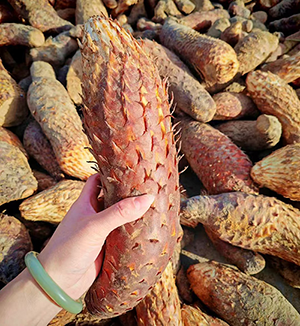
Our high-activity Cistanche Tubulosa extract is widely applied in functional foods, dietary supplements, skincare products and herbal raw materials. For global health product developers and brand owners, it is a safe, natural and effective raw material for developing anti-inflammatory, antioxidant, immune-regulating and anti-aging products.
Disclaimer
This article is for industry science popularization and product reference only. All descriptions about the anti-inflammatory and antioxidant effects of Cistanche Tubulosa are based on modern phytopharmacology research and traditional herbal application records. This product is not medicine and cannot replace professional medical diagnosis and treatment. All purchasers and formulators shall conduct independent safety verification and abide by local market regulatory rules before production and sales.