Urinary Tetrahydroaldosterone Is Associated With Circulating FGF23 in Kidney Stone Formers
Jun 25, 2023
Abstract
The spectrum of diseases with overactive renin–angiotensin–aldosterone system (RAS) or elevated circulating FGF23 overlaps, but the relationship between aldosterone and FGF23 remains unclarified. Here, we report that systemic RAS activation sensitively assessed by urinary tetrahydro aldosterone excretion is associated with circulating C-terminal FGF23. We performed a retrospective analysis in the Bern Kidney Stone Registry, a single-center observational cohort of kidney stone formers. Urinary excretion of the main aldosterone metabolite tetrahydro aldosterone was measured by gas chromatography–mass spectrometry. Plasma FGF23 concentrations were measured using a C-terminal assay. Regression models were calculated to assess the association of plasma FGF23 with 24 h urinary tetrahydro aldosterone excretion. We included 625 participants in the analysis. The mean age was 47±14 years and 71% were male. The mean estimated GFR was 94 ml/min per 1.73 m2. In unadjusted analyses, we found a positive association between plasma FGF23 and 24 h urinary tetrahydro aldosterone excretion (β: 0.0027; p=4.2× 10⁻⁷). In multivariable regression models adjusting for age, sex, body mass index, and GFR, this association remained robust (β: 0.0022; p=2.1× 10⁻⁵). Mineralotropic hormones, 24 h urinary sodium and potassium excretion as surrogates for sodium and potassium intake, or antihypertensive drugs did not affect this association. Our data reveal a robust association of RAS activity with circulating FGF23 levels in kidney stone formers. These findings are in line with previous studies in rodents and suggest a physiological link between RAS system activation and FGF23 secretion.
Keywords
FGF23 · Renin–angiotensin system · Aldosterone · Tetrahydroaldosterone · Steroid metabolite.
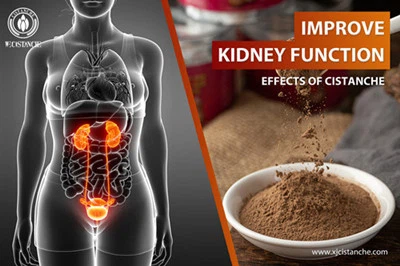
Click here to know what are the benefits of Cistanche for Kidney
Introduction
Cardiovascular complications are a major cause of the high morbidity and mortality in chronic kidney disease. Both cardiovascular and kidney disease have a broad spectrum of etiologies and clinical presentation, but during the progression of each disease, two hallmarks are an activation of the renin–angiotensin–aldosterone system (RAS), and a rise in serum concentrations of fibroblast growth factor 23 (FGF23) [1].
In patients with advanced heart failure, a direct association between plasma aldosterone and FGF23 was observed, but almost half of the patients were on aldosterone antagonists [2]. In larger and more recent studies, however, this observation could not be reproduced [3] [4]. Only indirect connections between RAS and FGF23 are available in these studies: hemodynamic intolerance of titrating RAS inhibitors up to target dosage was associated with higher FGF23 concentrations [4]. In hemodialysis patients, ultrafiltration volume as a surrogate for volume status positively associates with FGF23 concentrations [5].
We and others have previously shown in rodent models that salt depletion not only caused RAS activation but also increased circulating FGF23 [6, 7]. Vice versa, the treatment of rodents with FGF23 causes volume expansion and decreased serum and urinary aldosterone [8]. Pharmacological inhibition of excessive FGF23 in transgenic mice reverses the suppression of aldosterone [9]. These experimental results strongly support a direct link between RAS and FGF23.
We hypothesized that the difficulty to reproduce the reported association between aldosterone and FGF23 concentration in humans could arise from heterogeneity of the analyzed patient populations, a variability of the assays used [10], from the circadian rhythmicity of aldosterone secretion [11, 12], or a combination of the above.
Quantification of steroid hormones in timed urine collections allows sensitive determination of secreted hormone quantities over time [13]. Based on a well-characterized single-center registry of patients with kidney stones, we report that RAS activity surveyed by the urinary excretion rate of metabolite tetrahydro aldosterone [14] is independently associated with circulating FGF23.

Cistanche extract
Materials and methods
1. Study population
The Bern Kidney Stone Registry (BKSR) is a single-center, observational cohort of kidney stone formers at the Department of Nephrology and Hypertension, Bern University Hospital, Bern, Switzerland. The BKSR adheres to the Declaration of Helsinki and was approved by the ethical committee of the Kanton of Bern (approval # BE 95/06). Inclusion criteria for the BKSR are (i) written informed consent, (ii) age≥18 years, and (iii) at least one past stone episode. All variables employed for study analyses were verified by a manual review of the original patient charts. In this study, we included BKSR participants who had urinary steroid profiles available and who had 24 h urine creatinine excretion that was within the 2.5th and 97.5th percentile of expected creatinine excretion [15]. Among the 1422 BKSR participants, 681 had a urinary steroid profile analysis available. Among these, 56 BKSR participants had 24 h urine creatinine excretion below the 2.5th or above the 97.5th percentile [15] and were excluded. Of the remaining 625 BKSR participants, 14 had no available urinary tetrahydro aldosterone analysis, and 297 had no measurement of FGF23. A final sample of 314 participants was included in the current study.
2. Data collection and measurements
Patients were instructed to collect two 24 h urine collections on a random outpatient diet and a spot urine and a fasting blood sample were obtained in the morning after the second of the 24 h urine collection. Plasma C-terminal FGF23 was measured at the laboratory of TECOmedical AG (Sissach, Switzerland) by the second-generation C-terminal assay (Immutopics, San Clemente, CA, USA) with plasma initially frozen after sampling and stored at−80 °C. C-terminal FGF23 was chosen due to its lower diurnal variability in comparison to intact FGF23 [16]. All other urine and blood parameters were analyzed at the Central Chemistry Laboratory of the Bern University Hospital directly after sampling, as described [17]. Assay characteristics for the measurements of FGF23, PTH, 25(OH)D, and 1,25(OH)2D were previously described [18]. The glomerular filtration rate (GFR) was estimated using the creatinine-based Chronic Kidney Disease Epidemiology Collaboration (CKD-EPI) 2009 equation [19]. Urinary creatinine excretion was used as the criterion for completeness of 24 h urine collections in a population with normal renal function [20, 21]. Percentiles 2.5 and 97.5 of 24 h creatinine excretion were calculated for each 24 h urine collection using linear regression [22]. Completeness of 24 h urine collections was assumed if the total 24 h creatinine excretion was within percentiles 2.5 and 97.5, and the 56 samples not within creatinine percentiles 2.5 and 97.5 were excluded. The mean value of both 24 h urine collections was used for the calculation of 24 h urinary excretion. Tubular maximum reabsorption of phosphate to glomerular filtration rate (TmP/GFR) was calculated as previously described [23]. Diabetes was defined as the presence of reported or treated diabetes and/or fasting glycemia≥7 mmol/L (≥126.13 mg/dL). Hypertension was defined by the presence of any of the anti-hypertensive therapy prescribed, a mean systolic blood pressure≥140 mmHg, or a mean diastolic blood pressure≥90 mmHg.

Cistanche powder
Quantification of urinary tetrahydro aldosterone by GC–MS
Urinary excretion of urinary tetrahydro aldosterone in μg/24 h was assessed in-house using an established GC–MS method as previously described [13, 24, 25]. Urine sample preparation consisted of pre-extraction on a Sep-Pak C18 column with a recovery standard medroxyprogesterone, followed by enzymatic hydrolysis using sulfatase and β-glucuronidase/arylsulfatase and extraction on Sep-Pak C18 cartridge. Steroids were derivatized using methoxyamine HCl 2% in pyridine at 60 °C for 1 h after adding Stigmasterol and 3β5β-TH-aldosterone standards, followed by derivatization with Tri-methyl-silyl imidazole (TMSI) at 100 °C for 16 h, and gel filtration on a Lipidex 5000 column. Samples were quantified using mass spectrometric analysis on a gas chromatograph 7890A coupled to a mass-selective Hewlett-Packard 5975C detector (both from Agilent Technologies, La Jolla, California, USA). Quality control of the method was ensured by comparison with parallel measurement of samples from healthy volunteers, and by monthly participation in external quality control as previously reported [25].
All statistical analyses were conducted using R software, version 4.0.4 (R Project for Statistical Computing, Vienna, Austria) [26]. The distribution of continuous variables was visually inspected. For C-terminal FGF23, in a univariable linear model with urinary tetrahydro aldosterone excretion, residuals were not normally distributed in assessment using the older package (SFig 1a–b). Therefore, C-terminal FGF23 underwent log transformation to improve distribution toward normality of residuals in statistical models. The statistical two-sample comparison was obtained using a two-sided Welch two-sample t-test, and p values<0.05 were considered statistically significant.
To assess the associations of log C-terminal FGF23 with urinary tetrahydro aldosterone, we computed a univariable linear model. This association of log C-terminal FGF23 with urinary tetrahydro aldosterone was further analyzed by eight multivariable linear models adjusting for sex, age, body mass index (BMI), eGFR (multivariable model 1), model 1 parameter, and parathyroid hormone, 25OH-vitamin D and 1.25(OH)2-vitamin D (multivariable model 2); model 1 parameters and 24 h sodium and potassium excretion (multivariable model 3). Multivariable linear model 4 was adjusted for model 1 parameters and seven classes of concurrently prescribed antihypertensive drugs (loop diuretics, thiazide diuretics, potassium-sparing diuretics, RAS inhibitors, alpha1 blockers, beta-blockers, and calcium antagonists. Four further multivariable models 1b to 4b were similarly calculated using the same set of parameters as before except including mGFR instead of eGFR.
Selected regression models were visualized using the visited package to show the entire model. Further, visited was used to display the effects of categorical subgroups and continuous predictor variables on the relationship between log C-terminal FGF23 and urinary tetrahydro aldosterone, while maintaining the effects of all other co-variables in the model constant [27].

Cistanche capsules
Discussion
In the present study, we found that the major urinary metabolite of aldosterone, tetrahydro aldosterone, quantified in 24 h urines by a sensitive and specific GC–MS assay [24] is positively associated with FGF23 concentrations in plasma of kidney stone formers. This association was robust about potential confounders. Our analyses provide a long-sought building block to strengthen a pathophysiological concept that integrates both RAS activation and excess in FGF23 as a common final stretch in heart and kidney disease [1].
by Imazu et al. [2] which is potentially biased by a wide use of aldosterone antagonists. It has furthermore been supported by a myocardial tissue analysis in human autopsies [38] and experimental data in rodents [6–9]. All further available data in humans are at best indirect hints [3–5] or use very limited patient numbers [39].
We confirm the earlier study by Imazu et al. in patients with heart failure patients and/or early kidney disease of whom 43% were prescribed aldosterone antagonists [2]. In that study, plasma aldosterone was positively associated with intact FGF23 concentrations irrespective of eGFR values [2]. In the present work, however, we investigated a different patient population, we used a different and much more sensitive aldosterone surrogate, and we employed a C-terminal FGF23 assay that is more robust for predicting adverse outcomes than intact FGF23 [40]. We also show the functional importance of our findings by displaying the negative association between urinary tetrahydro aldosterone and renal phosphate excretion using TmP/GFR. Another strength of the current study is the thorough assessment of the potential confounding effect of antihypertensive drug classes on the association between RAS activation and FGF23. We found no evidence that the observed effects are due to prescribed antihypertensive medications.
Further, our analyses demonstrate the suitability of the urinary metabolite tetrahydro aldosterone to assess clinical context or biomarkers associated with RAS activation. This has been previously suggested by others and even proposed as a screening tool for primary hyperaldosteronism [41]. For other steroid hormones also excreted in the urine, we have previously analyzed the current patient collective of kidney stone formers and have found associations of sex hormones with lithogenic factors, such as calcium, citrate, and oxalate excretion [17].
The present study has some limitations. Regarding the population studied, the present results are limited to stone formers. Stone formers constitute a somewhat heterogeneous population often exhibiting disadvantageous lifestyles and chronic diseases predisposing to stone formation with varying levels of kidney function.
Whether the association between aldosterone activation and plasma FGF23 exists beyond kidney stone formers remains to be validated, e.g., in populations of healthy volunteers and of patients with chronic kidney disease or congestive heart failure.

Cistanche supplement
Further, some variables, such as plasma renin activity or plasma aldosterone, were not available in the current study. However, results from a comparative study showed that urinary tetrahydro aldosterone excretion is the most reliable parameter to predict primary hyperaldosteronism [41]. Another limitation is the relatively small proportion of patients on diuretics, precluding us from safely estimating their potential effects on C-terminal FGF23 beyond the current dataset. Finally, by the nature of the cross-sectional study design, we were unable to assess clinical outcomes associated with excessive FGF23 and RAS activation.
In conclusion, our data reveal a robust association of RAS activity with circulating FGF23 in kidney stone formers. These findings are in line with previous studies in rodents and suggest a physiological link between the RAS system activation and FGF23 secretion.
References
1. de Seigneux S, Martin P-Y (2016) Phosphate and FGF23 in the renoprotective benefit of RAAS inhibition. Pharmacol Res 106:87–91. https://doi.org/10.1016/j.phrs.2016.02.015
2. Imazu M, Takahama H, Asanuma H, Funada A, Sugano Y, Ohara T, Hasegawa T, Asakura M, Kanzaki H, Anzai T, Kitakaze M (2014) Pathophysiological impact of serum fibroblast growth factor 23 in patients with nonischemic cardiac disease and early chronic kidney disease. Am J Physiol Heart Circ Physiol 307:H1504-1511. https://doi.org/10.1152/ajpheart.00331.2014
3. Akhabue E, Vu T-HT, Vaidya A, Michos ED, de Boer IH, Kestenbaum B, Allison M, Szklo M, Ouyang P, Yancy CW, Wolf M, Isakova T, Carnethon MR (2019) Fibroblast growth factor-23, heart failure risk, and renin-angiotensin-aldosterone-system blockade in hypertension: the MESA study. Am J Hypertens 32:18–25. https:// doi.org/10.1093/ajh/hpy142
4. Ter Maaten JM, Voors AA, Damman K, van der Meer P, Anker SD, Cleland JG, Dickstein K, Filippatos G, van der Harst P, Hillege HL, Lang CC, Metra M, Navis G, Ng L, Ouwerkerk W, Ponikowski P, Samani NJ, van Veldhuisen DJ, Zannad F, Zwinderman AH, de Borst MH (2018) Fibroblast growth factor 23 is related to profiles indicating volume overload, poor therapy optimization and prognosis in patients with new-onset and worsening heart failure. Int J Cardiol 253:84–90. https://doi.org/10.1016/j. ecard.2017.10.010
5. Humalda JK, Riphagen IJ, Assa S, Hummel YM, Westerhuis R, Vervloet MG, Voors AA, Navis G, Franssen CFM, de Borst MH, NIGRAM Consortium (2016) Fibroblast growth factor 23 correlates with volume status in hemodialysis patients and is not reduced by hemodialysis. Nephrol Dial Transplant Of Publ Eur Dial Transpl Assoc-Eur Ren Assoc 31:1494–1501. https://doi.org/ 10.1093/ndt/gfv393
6. Pathare G, Anderegg M, Albano G, Lang F, Fuster DG (2018) Elevated FGF23 levels in mice lacking the thiazide-sensitive NaCl cotransporter (NCC). Sci Rep 8:3590. https://doi.org/10.1038/ s41598-018-22041-1
7. Zhang B, Umbach AT, Chen H, Yan J, Fakhri H, Fajol A, Salker MS, Spichtig D, Daryadel A, Wagner CA, Föller M, Lang F (2016) Up-regulation of FGF23 release by Aldosterone. Biochem Biophys Res Commun 470:384–390. https://doi.org/10.1016/j. BBC.2016.01.034
8. Andrukhova O, Slavic S, Smorodchenko A, Zeitz U, Shalhoub V, Lanske B, Pohl EE, Erben RG (2014) FGF23 regulates renal sodium handling and blood pressure. EMBO Mol Med 6:744–759. https://doi.org/10.1002/emmm.201303716
9. Xiao Z, Liu J, Liu S-H, Petridis L, Cai C, Cao L, Wang G, Chin AL, Cleveland JW, Ikedionwu MO, Carrick JD, Smith JC, Quarles LD (2020) Small molecule FGF23 inhibitors increase serum phosphate and improve skeletal abnormalities in Hyp mice. bioRxiv. https://doi.org/10.1101/2020.08.04.236877
10. Fischer E, Reuschl S, Quinkler M, Rump LC, Hahner S, Bidlingmaier M, Reincke M, Participants of the German Conn’s Registry—Else Kröner-Fresenius-Hyperaldosteronism Registry (2013) Assay characteristics influence the aldosterone to renin ratio as a screening tool for primary aldosteronism: results of the German Conn’s registry. Horm Metab Res Horm Stofwechselforschung Horm Metab 45:526–531. https://doi.org/10.1055/ s-0033-1343448
11. Nikolaeva S, Pradervand S, Centeno G, Zavadova V, Tokonami N, Maillard M, Bonny O, Firsov D (2012) The circadian clock modulates renal sodium handling. J Am Soc Nephrol JASN 23:1019–1026. https://doi.org/10.1681/ASN.2011080842
12. Thosar SS, Rueda JF, Berman AM, Lasarev MR, Herzig MX, Clemons NA, Roberts SA, Bowles NP, Emens JS, Ellison DH, Shea SA (2019) Separate and interacting effects of the endogenous circadian system and behaviors on plasma aldosterone in humans. Am J Physiol-Regul Integr Comp Physiol 316:R157– R164. https://doi.org/10.1152/ajpregu.00314.2018
13. Shackleton C (2010) Clinical steroid mass spectrometry: a 45-year history culminating in HPLC-MS/MS becoming an essential tool for patient diagnosis. J Steroid Biochem Mol Biol 121:481–490. https://doi.org/10.1016/j.jsbmb.2010.02.017
14. Kohler H, Hesse RH, Pechet MM (1964) The metabolism of aldosterone. metabolic pathway, isolation, characterization, and synthesis of metabolites. J Biol Chem 239:4117–4123
15. Glatz N, Chappuis A, Conen D, Erne P, Péchère-Bertschi A, Guessous I, Forni V, Gabutti L, Muggli F, Gallino A, Hayoz D, Binet I, Suter P, Paccaud F, Bochud M, Burnier M (2017) Associations of sodium, potassium and protein intake with blood pressure and hypertension in Switzerland. Swiss Med Wkly 147:w14411. https://doi.org/10.4414/smw.2017.14411
16. Smith ER, Cai MM, McMahon LP, Holt SG (2012) Biological variability of plasma intact and C-terminal FGF23 measurements. J Clin Endocrinol Metab 97:3357–3365. https://doi.org/ 10.1210/jc.2012-1811
17. Fuster DG, Morard GA, Schneider L, Mattmann C, Lüthi D, Vogt B, Dhayat NA (2020) Association of urinary sex steroid hormones with urinary calcium, oxalate and citrate excretion in kidney stone formers. Nephrol Dial Transplant Of Publ Eur Dial Transpl Assoc-Eur Ren Assoc. https://doi.org/10.1093/ndt/ gfaa360
18. Dhayat NA, Ackermann D, Pruijm M, Ponte B, Ehret G, Guessous I, Leichtle AB, Paccaud F, Mohaupt M, Fiedler G-M, Devuyst O, Pechère-Bertschi A, Burnier M, Martin P-Y, Bochud M, Vogt B, Fuster DG (2016) Fibroblast growth factor 23 and markers of mineral metabolism in individuals with preserved renal function. Kidney Int 90:648–657. https://doi.org/10. 1016/j.kint.2016.04.024
19. Levey AS, Stevens LA, Schmid CH, Zhang YL, Castro AF, Feldman HI, Kusek JW, Eggers P, Van Lente F, Greene T, Coresh J, CKD-EPI (Chronic Kidney Disease Epidemiology Collaboration) (2009) A new equation to estimate glomerular filtration rate. Ann Intern Med 150:604–612. https://doi.org/10. 7326/0003-4819-150-9-200905050-00006
20. Bingham SA, Cummings JH (1985) The use of creatinine output as a check on the completeness of 24-hour urine collections. Hum Nutr Clin Nutr 39:343–353 21. Côté A-M, Firoz T, Mattman A, Lam EM, von Dadelszen P, Magee LA (2008) The 24-hour urine collection: gold standard or historical practice? Is J Obstet Gynecol 199:625.e1–6? https://doi.org/10.1016/j.ajog.2008.06.009
22. Forni Ogna V, Ogna A, Vuistiner P, Pruijm M, Ponte B, Ackermann D, Gabutti L, Vakilzadeh N, Mohaupt M, Martin P-Y, Guessous I, Péchère-Bertschi A, Paccaud F, Bochud M, Burnier M, Swiss Survey on Salt Group (2015) New anthropometry based age- and sex-specific reference values for urinary 24-hour creatinine excretion based on the adult Swiss population. BMC Med 13:40. https://doi.org/10.1186/s12916-015-0275-x
23. Dhayat NA, Lüthi D, Schneider L, Mattmann C, Vogt B, Fuster DG (2019) Distinct phenotype of kidney stone formers with renal phosphate leak. Nephrol Dial Transplant Of Publ Eur Dial Transpl Assoc-Eur Ren Assoc 34:129–137. https://doi.org/10. 1093/ndt/gfy170
24. Dhayat NA, Frey AC, Frey BM, d’Uscio CH, Vogt B, Rousson V, Dick B, Flück CE (2015) Estimation of reference curves for the urinary steroid metabolome in the first year of life in healthy children: tracing the complexity of human postnatal steroidogenesis. J Steroid Biochem Mol Biol 154:226–236. https://doi.org/10.1016/j. jsbmb.2015.07.024
25. Ackermann D, Groessl M, Pruijm M, Ponte B, Escher G, d’Uscio CH, Guessous I, Ehret G, Pechère-Bertschi A, Martin P-Y, Burnier M, Dick B, Vogt B, Bochud M, Rousson V, Dhayat NA (2019) Reference intervals for the urinary steroid metabolome: the impact of sex, age, day and night time on human adult steroidogenesis. PLoS ONE 14:e0214549. https://doi.org/10.1371/journal.pone. 0214549
26. R: The R Project for Statistical Computing. https://www.r-proje ct.org/. Accessed 4 Dec 2020
27. Breheny P, Burchett W (2020) Visualization of regression models using visited. R J 9:56. https://doi.org/10.32614/RJ-2017-046
28. Perinpam M, Ware EB, Smith JA, Turner ST, Kardia SLR, Lieske JC (2015) Effect of demographics on excretion of key urinary factors related to kidney stone risk. Urology 86:690–696. https://doi. org/10.1016/j.urology.2015.07.012
29. Lavi-Moshayof V, Wasserman G, Meir T, Silver J, Naveh-Many T (2010) PTH increases FGF23 gene expression and mediates the high-FGF23 levels of experimental kidney failure: a bone parathyroid feedback loop. Am J Physiol Renal Physiol 299:F882-889? https://doi.org/10.1152/ajprenal.00360.2010
30. Masuyama R, Stockmans I, Torrekens S, Van Looveren R, Maes C, Carmeliet P, Bouillon R, Carmeliet G (2006) Vitamin D receptor in chondrocytes promotes osteoclastogenesis and regulates FGF23 production in osteoblasts. J Clin Invest 116:3150–3159. https://doi.org/10.1172/JCI29463
31. Humalda JK, Yeung SMH, Geleijnse JM, Gijsbers L, Riphagen IJ, Hoorn EJ, Rotmans JI, Vogt L, Navis G, Bakker SJL, de Borst MH (2020) Effects of potassium or sodium supplementation on mineral homeostasis: a controlled dietary intervention study. J Clin Endocrinol Metab. https://doi.org/10.1210/clinem/dgaa359
32. Cogswell ME, Maalouf J, Elliott P, Loria CM, Patel S, Bowman BA (2015) Use of urine biomarkers to assess sodium intake: challenges and opportunities. Annu Rev Nutr 35:349–387. https://doi. org/10.1146/annurev-nutr-071714-034322
33. van Buren M, Rabelink AJ, Bijlsma JA, Koomans HA (1993) Natriuretic and kaliuretic response to potassium load: modulation by sodium intake. Nephrol Dial Transplant Of Publ Eur Dial Transpl Assoc-Eur Ren Assoc 8:495–500. https://doi.org/10.1093/ ndt/8.6.495
34. Simpson SA, Tait JF, Wettstein A, Neher R, Von Euw J, Reichstein T (1953) Isolation from the adrenals of a new crystalline hormone with especially high effectiveness on mineral metabolism. Experientia 9:333–335. https://doi.org/10.1007/BF02155834
35. Palmer LG, Frindt G (2000) Aldosterone and potassium secretion by the cortical collecting duct. Kidney Int 57:1324–1328. https:// doi.org/10.1046/j.1523-1755.2000.00970.x
36. Schück O, Teplan V, Maly J, Franekova J, Malinska H, Stollova M, Latova I, Urbanova J, Skibova J, Viklicky O (2014) The relationship between estimated GFR based on the CKD-EPI formula and renal inulin clearance in potential kidney donors. Clin Nephrol 82:353–357. https://doi.org/10.5414/CN108341
37. Tsuda A, Ishimura E, Uedono H, Yasumoto M, Ichii M, Nakatani S, Mori K, Uchida J, Emoto M, Nakatani T, Inaba M (2016) Comparison of the estimated glomerular filtration rate (eGFR) in diabetic patients, non-diabetic patients, and living kidney donors. Kidney Blood Press Res 41:40–47. https://doi.org/10.1159/00036 8545
38. Leifheit-Nestler M, Kirchhof F, Nespor J, Richter B, Soetje B, Klintschar M, Heineke J, Hafner D (2018) Fibroblast growth factor 23 is induced by an activated renin-angiotensin-aldosterone system in cardiac myocytes and promotes the pro-fibrotic crosstalk between cardiac myocytes and fibroblasts. Nephrol Dial Transplant Of Publ Eur Dial Transpl Assoc-Eur Ren Assoc 33:1722– 1734. https://doi.org/10.1093/ndt/gfy006
39. Radlof J, Pagitz M, Andrukhova O, Oberbauer R, Burgener IA, Erben RG (2021) Aldosterone is positively associated with circulating FGF23 levels in chronic kidney disease across four species and may drive FGF23 secretion directly. Front Physiol 12:649921. https://doi.org/10.3389/fphys.2021.649921
40. Sharma S, Katz R, Bullen AL, Chaves PHM, de Leeuw PW, Kroon AA, Houben AJHM, Shlipak MG, Ix JH (2020) Intact and C-terminal FGF23 assays-do kidney function, inflammation, and low iron influence relationships with outcomes? J Clin Endocrinol Metab. https://doi.org/10.1210/clinem/dgaa665
41. Abdelhamid S, Blomer R, Hommel G, Haack D, Lewicka S, Fiegel P, Krumme B (2003) Urinary tetrahydro aldosterone as a screening method for primary aldosteronism: a comparative study. Am J Hypertens 16:522–530. https://doi.org/10.1016/s0895-7061(03) 00858-6
Matthias B. Moor1,2 Nasser A. Dhayat1,2 Simeon Schietzel1,2 Michael Grössl1,2 Bruno Vogt1,2 Daniel G. Fuster1,2
1 Department of Nephrology and Hypertension, Inselspital, Bern University Hospital, Freiburgstrasse 15, 3010 Bern, Switzerland
2 Department of Biomedical Research, University of Bern, Bern, Switzerland