What Exactly Is The Relationship Between Immunity And Various Diseases
Apr 01, 2022
Please contact oscar.xiao@wecistanche.com for more information
Immunity is the body's ability to fight germs, viruses and eliminate its own diseased cells (including tumor cells). The organism has two immune systems, namely the cellular immune system and the humoral immune system.
The cellular immune system consists of various immune cells such as macrophages, natural killer cells, T lymphocytes, etc. These cells are distributed in various parts of the body and have the function of recognizing, phagocytosing and killing germs and viruses. The humoral immune system consists of immunoglobulins, which can recognize and produce a large number of immunoglobulins to destroy germs and viruses when they enter the body. Diseases arise when immunity declines and insufficient immunoglobulins are produced.

Please click here to know more
Immunity has several titles: the common people call it resistance; Western medicine calls it immunity; Chinese medicine calls it Zheng Qi, Yuan Qi, and Wei Qi.
The strength of immunity determines the body's ability to resist various diseases. As long as a person's immunity is not reduced to the point where it is damaged by external factors, the person is not prone to illness. On the contrary, low immunity is the main source of various diseases. Those with general low immunity will have minor diseases, those with severe low immunity will have major diseases (such as cancer), and those with complete loss will be life-threatening.
From a medical point of view, all cancers are immune deficiencies, and Mr. Wiley, an American medical scientist, has said that "all diseases other than infectious diseases are caused by immune dysfunction."
What diseases are caused by immune disorders?
Immunodeficiency or lack of immunity - poor immunity and susceptibility to infection - is medically known as immunodeficiency syndrome. It often leads to a variety of local or systemic infections, such as the lighter cold, the second infection with hepatitis B and C viruses that damage the liver and lead to liver cancer, etc. The more serious one is being infected by HIV, which paralyzes the entire immune system and makes the body lose its power to fight pathogens, which is AIDS, and its CD4 cell immunity is particularly low, and the low immunity of CD4 cells directly leads to the HIV virus in the body The spread of the AIDS virus, if the function of the more normal CD4 cell immunity is maintained, the AIDS virus will be curbed. Therefore, we can clearly see the importance of immunity from AIDS patients.

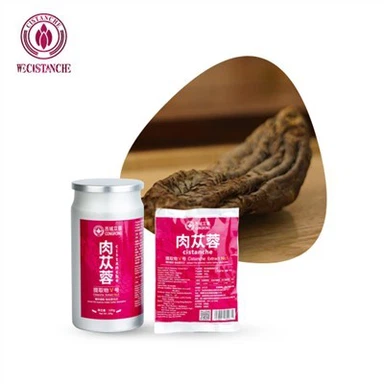
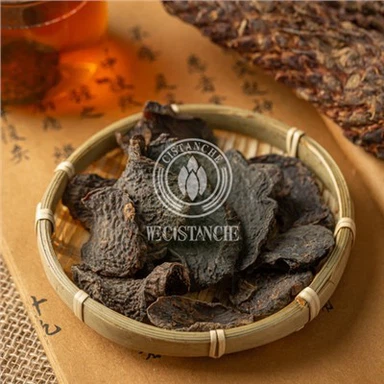
Cistanche can improve immunity
Diseases with low immunity include cold, cough, pharyngitis, gastritis, enteritis, pneumonia, bronchitis, tuberculosis, rhinitis, otitis media, hepatitis, cancer, mastitis, skin infections, nephritis, and other diseases. Generally speaking, all diseases of the human body, except traumatic diseases, are associated with immune hypo-, days- and hyper-immunity.
Abnormal hyper-immune function - metamorphic reaction to drugs or beneficial microorganisms that enter the body.
Manifested diseases include pollen allergy, allergic dermatitis, measles, asthma, intractable headache, toothache, pink eye, acne, constipation, and cardiovascular diseases such as hypertension, hyperlipidemia, heart disease and stroke.
Abnormal immune function stability (immune disorder) - manifested diseases such as lupus erythematosus, dermatomyositis, rheumatoid rheumatism, pernicious anemia, heavy muscle weakness, psoriasis, ichthyosis, leukodystrophy and diabetes.
Immune monitoring (surveillance) dysfunction - the immune system can not identify and remove the mutated cells generated in the body in a timely manner, which is the main cause and determinant of tumors and cancer.
The scientific basis for chitosan being called the "human immune defender

A large number of literature and experimental results confirm that chitosan can act on the three major components of the immune system, namely immune organs, immune cells, and cytokines, after entering the human body, and can achieve the function of improving human immunity. What is the mechanism of action of chitosan in regulating human immune function?
Chitosan is a degradation product of chitosan, with a small molecular weight, fully soluble in water, and more than 80% absorbed by the human body. With its unique alkaline group and sugar chain structure, it plays an important biological activity in the body - regulating immunity, and has the reputation of "human immune defender".
How does chitosan regulate human immunity?
Chitosan acts on immune organs
By measuring the effect of chitosan on the spleen and thymus index of tumor-bearing mice, the results showed that the high concentration group of chitosan (1.5%) could substantially increase the weight of spleen and thymus of tumor-bearing mice, suggesting that chitosan has no damaging effect on immune organs, can reduce the damage and inhibitory effect of the tumor on host immune organs, and can improve the immune function of the host.
In addition, different doses of COS could increase the spleen and thymus indices of mice, with significant differences between the high-dose group (500 mg/L) and the control group. Thus, it can be seen that by enhancing the function of immune organs of the organism is an important mechanism of the anti-tumor effect of chitosan.
Effects on macrophages
Macrophages are white blood cells located in tissues, derived from monocytes, and involved in non-specific and specific defense invertebrates.
Their main function is to phagocytose cellular debris and pathogens in the form of fixed or free cells and to activate lymphocytes or other immune cells to respond to pathogens.
Recently, Alberto Mantovani, a scientist from Italy, and others stated in the Journal of Experiment Medicine that macrophages will be the ultimate direction of cancer treatment.
Studies have shown that COS 10-100ug/mL can significantly increase the phagocytic capacity of macrophages, with the best effect at a concentration of 20ug/mL.
Effects on T-lymphocytes
T-lymphocytes, also called thymus-dependent cells, are differentiated from lymphatic stem cells in the thymus and are the most numerous of lymphocytes, accounting for 75%-80% of the total number of lymphocytes, and the most functionally complex type of cells.
Cellular immunity is an immune response produced by T cells, and the effect is mainly in the form of specific binding to target cells, such as viruses and bacterial infections proliferating in host cells disrupting target cell membranes, which can directly kill target cells promoting intracellular destruction or lysis of microorganisms; the other is the release of lymphokines, which ultimately amplifies and enhances the immune effect.
COS has a promotional effect on T cell proliferation in rheumatized mice.
Adjuvant treatment of clinical patients with chitosan oral solution resulted in a significant increase in the number of T lymphocytes.
Effects on B lymphocytes
B lymphocytes, also called bone marrow-dependent cells, B lymphocytes are differentiated and matured from lymphoid stem cells in the bone marrow of birds Fasciola and mammals. Mature B lymphocytes mainly settle in lymph nodules in the superficial layer of the lymph node cortex and in lymph nodules in the red and white marrow of the spleen.
B lymphocytes are the only cells in the body that produce antibodies and can perform their humoral immune function through different antibodies.
Chitosan with a degree of polymerization (DP) of 1-6 was found to significantly increase serum IgG and IgM levels, thus showing that chitosan enhances humoral immune function in mice.
It was found that different doses of COS could increase serum hemolysin (HC50) in mice, and the higher the dose, the more significant the effect was, promoting its specific humoral immune function.

Effects on neutrophils
Neutrophils are the first line of defense against foreign microbial invasion in humans and mammals. They are the most abundant in peripheral blood granulocytes and play an important role in innate immunity, being the body's main immune cells against bacteria and fungi, and can be rapidly activated and migrate to the site of inflammation.
However, if over-activated, a large number of cytokines are released leading to severe tissue and organ damage, and inhibition of neutrophil over-activation helps to protect the body from damage during over-activation.
A study of chitosan on resting neutrophils compared with neutrophils stimulated with cardamomyl foponol ester (PMA) showed that chitosan increased the activity of resting neutrophils, which produced a series of downstream signaling factors to stimulate the immune response.
In contrast, for PMA-stimulated neutrophils, chitosan played a negative regulatory role, reducing the cell damage caused by excessive cytokine release.
Chitosan acts on cytokines
Cytokines are small molecular peptides or glycoproteins that regulate cellular functions and are secreted mainly by lymphocytes, monocytes or macrophages and non-lymphoid, non-monocyte-macrophage cells.
Studies on the effects of chitosan on macrophage-related cytokines have shown that chitosan can promote the secretion of cytokines such as IL-1β, TNF-α and IL-18 by macrophages, which in turn can feedback activate macrophages and NK cells to form a network-like feedback regulatory relationship, thus greatly enhancing the immune function of the body.
It was found that elderly volunteers with an average age of about 80 years were given oral chitosan, about 5.1 g/day each, in an eight-week trial, which showed significantly higher serum levels of IL-12 and IFN-α in the test population compared to the control group. This suggests that in the elderly population, oral administration of chitosan is beneficial in improving the specific cellular immune function of the body.
In conclusion, after entering the human body, chitosan forms cationic clusters and has an affinity with human cells, which can improve human immunity comprehensively through multiple pathways including cellular immunity, humoral immunity, and non-specific immunity.
At the same time, chitosan can directly act on the hematopoietic stem cells of the central immune organ of the human body to increase the quantity and quality of immune cells in the process of differentiation, and fundamentally regulate the immune function of the human body.
Cistanche can improve human immunity in a natural way
The ingredients which can help to improve immunity are the Cistanche Polysaccharides and Verbascum glycosides. Both Cistanche Polysaccharides and Verbascum glycosides can increase the enzyme activity of heart and brain tissues, enhance the phagocytic function of abdominal cells, and lymphocyte proliferation.
Edited from Wecistanche