Cistanche And Morinda Officinalis On The Treatment Of AVN
Apr 19, 2022
Author: Guo Xuefeng, Hou Decai, Yu Rui
Liaoning University of Traditional Chinese Medicine, Shenyang 110847;
Shenyang Orthopaedic Hospital, Shenyang 110041;
Affiliated Hospital of Liaoning University of Traditional Chinese Medicine, Shenyang 110032
Abstract: Objective To investigate the mechanism of Cistanche and Morinda officinalis medicine in the treatment of AVN(Avascular necrosis) based on network pharmacology.

Click here to know more about Cistanche Benefits on AVN
Methods: The active components of the Cistanche - Morinda officinalis pair were screened by the Traditional Chinese Medicine System Pharmacology Database and Analysis Platform (TCMSP), and the disease targets of femoral head necrosis were retrieved by GeneCards and OMIM databases, and the intersection genes were obtained and established using Cytoscape 3.7.1.
The compound-disease-target regulatory network, based on the Database of Biological Information Annotation (DAVID), performs Gene Ontology (GO) functional enrichment analysis and Encyclopedia of Genomes (KEGG) pathway enrichment analysis for core targets.
Results: A total of 21 active components and 182 potential targets of the Cistanche-Morinda Officinalis drug pair were obtained, and 727 related disease targets were. GO enrichment analysis mainly included functions such as apoptosis, abnormal lipid metabolism, and reactive oxygen species response. pathway; KEGG pathway analysis mainly includes hypoxia-inducible factor-1 signaling pathway, p53 signaling pathway, tumor necrosis factor signaling pathway, etc.
Conclusion: Based on network pharmacology, the overall regulatory effect of Cistanche and Morinda officinalis on the treatment of femoral head necrosis with multiple components, multiple targets and multiple pathways has been preliminarily revealed. The mechanism of action may be related to abnormal lipid metabolism, apoptosis and hypoxia induction. Factor-1 signaling pathway and p53 signaling pathway are closely related.
Key words: Avascular necrosis (AVN) of the femoral head, network pharmacology, necrosis of the femoral head, Cistanche, Cistanche Benefits, Morinda officinalis
Osteonecrosis of the femoral head is an orthopedic joint disease caused by interruption or persistent damage to the blood supply of the femoral head, which leads to structural changes and dysfunction of the femoral head. Epidemiological results show that there are about 28 to 30 million patients with necrosis of the femoral head all over the world and the new prevalence is increasing year by year [1-2].
Since the pathogenesis of femoral head necrosis has not been fully elucidated and it is a chronic progressive development, if it cannot be detected and treated early, it will seriously affect the quality of life of patients, which is a medical problem that needs to be solved urgently. With the transformation of the disease treatment mode, traditional Chinese medicine for the treatment of femoral head necrosis is reflected in the improvement of rheological status and femoral head structure, promotion of microvascular repair and regeneration, and reduction of blood lipids. It is widely used in the prevention and treatment of femoral head necrosis. The effect is remarkable.
Cistanche is the dry, scaly stem of Cistanche in the Lidangaceae family; Morinda officinalis is the dry rhizome of Morinda officinalis, which is sweet and pungent in taste, slightly warm in nature, and returns to the kidney and liver meridians.
Studies have shown that Cistanche- Morinda officinalis has a definite effect on the treatment of femoral head necrosis, but due to the complexity of traditional Chinese medicine ingredients, its mechanism of action is not completely clear. Based on network pharmacology, the active components of traditional Chinese medicine compounds can be identified, target targets can be found, and networks can be constructed with diseases, which is consistent with the multi-component and multi-target action pathways of traditional Chinese medicine. Based on network pharmacology, we explored the mechanism of cistanche-morinda officinalis in the treatment of femoral head necrosis, aiming to reveal the mechanism of cistanche-morinda officinalis in the treatment of femoral head necrosis from a molecular point of view, and provide a research direction for the treatment of femoral head necrosis with traditional Chinese medicine. and scientific basis.
Table 1 Database and analysis platform

Materials and Methods for Studying Cistanche Benefits on the treatment of AVN
1.1 Database and Analysis Platform
The database and analysis platform are detailed in Table 1.
1.2 Screening and target prediction of active ingredients in Cistanche- Morinda Officinalis drug pair Through the Traditional Chinese Medicine System Pharmacology Database and Analysis Platform (TCMSP), the screening conditions are drug-like properties (DL) ≥ 0.18, oral bioavailability (OB) ≥ 30%, Preliminary screening of the active ingredients of Cistancheand Morinda Officinalis, and target prediction of the screened active ingredients, supplemented by literature query through PubMed and CNKI databases.
The chemical constituent names were quantified using Chemical Book and AiChem databases, and the screening target protein names were standardized using the UniProt database.
1.3 Acquisition of disease targets for necrosis of the femoral head
Using "osteonecrosis of the femoral head" as the keyword, the searched databases include GeneCards and OMIM databases.
1.4 Core target screening and PPI network construction
The Cistanche- Morinda Officinalis drug pair was mapped with the femoral head necrosis target, and the Venn diagram was used to obtain the intersection to screen the core target.
The protein-protein interaction (PPI) network of the core target was constructed using the STRING database online platform, the study species was set to human, and the interaction score value was set to 0.400. To establish a regulatory network to present three-dimensionally the mechanism of action of Cistanche and Morinda Officinalis on femoral head necrosis.
1.5 GO enrichment analysis and KEGG pathway analysis of core targets
In order to further illustrate the role of the core target protein in gene function, the DAVID database was used to analyze the GO enrichment of the core target and KEGG pathway analysis. The species was limited to human, and the threshold was set to PValue<0.05. At the same time, the OmicShare cloud platform was used to complete the data. Results are visualized.
2 results
2.1 Active ingredient screening and target prediction of Cistanche- Morinda Officinalis pair TCMSP were screened according to the DL and OB parameters, and a total of 25 active ingredients of Cistanche - Morinda Officinalis pair were obtained, excluding 4 effective targets that did not obtain the corresponding targets ingredients, and finally get 21 active ingredients, effective
There are 182 targets corresponding to the components, and the specific components and target information results are shown in Table 2.

2.2 Establishment of disease targets for necrosis of the femoral head
277 known targets related to femoral head necrosis were detected by searching GeneCards, and 453 known targets related to femoral head necrosis were detected by the OMIM database. After processing, a total of 727 related targets were obtained and included in the study.
2.3 Screening of core targets of Cistanche and Morinda officinalis for the treatment of femoral head necrosis and construction of network interaction relationship Using the Venn diagram online platform, 727 disease targets of femoral head necrosis and 182 Cistanche and Morinda Officinalis herbs were used to analyze the effect of active ingredients. Target mapping was used to draw a Venn diagram. According to the results of the intersection genes, 33 core targets for the treatment of femoral head necrosis by Cistanche and Morinda officinalis were obtained (Figure 1). The 33 core targets were imported into the STRING database online platform, the PPI network model was constructed, and the PPI network data of the core targets were exported (Figure 2).
The regulatory network was constructed using Cytoscape 3.7.1 (Figure 3). The network contains 54 nodes and 62 edges. In terms of active ingredients, MOL000098 (quercetin) has 30 targets, and MOL000358 (beta-sitosterol) has 6 targets. In terms of core targets, steroid receptor-activating protein 2 (NCOA2) can be linked to 13 active ingredients, and calcium-activated potassium channel protein α1 (KCNMA1) can be linked to four active ingredients. This reflects the mechanism of Cistanche- Morinda Officinalis on the multi-component and multi-target treatment of femoral head necrosis.

Figure 1 Venn diagram of the core target of Cistanche and Morinda officinalis in the treatment of Avascular necrosis (AVN) of the femoral head

Figure 2 PPI network diagram of the core target of Cistanche and Morinda officinalis for the treatment of Avascular necrosis (AVN) of the femoral head
2.4 GO enrichment analysis of core targets in the treatment of femoral head necrosis with Cistanche and Morinda officinalis
Through GO enrichment analysis, a total of 210 items related to biological process (BP), 34 items related to molecular function (MF), and 20 items related to cellular composition (CC) were obtained (Figure 4~Figure 7). The results showed that the biological processes of Cistanche and Morinda officinalis in the treatment of femoral head necrosis were mainly enriched in lipid reaction, reactive oxygen species reaction, apoptosis, etc. The molecular functions were mainly enriched in the cyclin-dependent protein serine/threonine. Aminokinase and growth factor activities, transcription factors, growth factor receptors, nuclear hormone receptors and transition metal ion binding capacity; cell composition is mainly enriched in the membrane cavity and intimal system, platelet α granules, secretory granules and
Secretory vesicles, extracellular matrix, etc.
2.5 The target genes of Cistanche and Morinda officinalis in the treatment of femoral head necrosis
KEGG pathway analysis Through the KEGG pathway analysis, a total of 67 KEGG entries were obtained (Figure 8-Figure 9). The results showed that the biological pathways of Cistanche and Morinda officinalis in the treatment of femoral head necrosis mainly involved p53 signaling pathway, hypoxia-inducible factor-1 signaling pathway, tumor necrosis factor signaling pathway, and interleukin-17 signaling pathway.
3 Discussion of Cistanche
Kidney is the foundation of innate, mainly bone and marrow. If kidney essence is sufficient, bone marrow is biochemically active and strong. If kidney essence is deficient, bone marrow is deficient in biochemical source, and bones are weak and weak. Therefore, in the early and middle stages of treatment of femoral head necrosis, kidney and Bone growth should be used as the main treatment. The main principles of treatment are mainly based on traditional Chinese medicines such as Cistanche, Morinda officinalis and Epimedium.
Based on the quantitative application of the characteristic indicators of omics technology, related physical and chemical examination indicators, imaging technical indicators and non-coding RNA technical indicators in the objectification of TCM syndrome differentiation of femoral head necrosis, it is possible to more effectively explore the causes of TCM classification of femoral head necrosis. Disease characteristics. Network pharmacology can comprehensively reveal the potential mechanism of traditional Chinese medicine compounds in the treatment of femoral head necrosis. By constructing a "compound-disease-target" regulatory network, it is possible to comprehensively analyze the effect of traditional Chinese medicine compounds on disease targets by the active ingredients of traditional Chinese medicine compounds. The development provides theoretical and technical support. Cistanche - Morinda Officinalis drug pair is a commonly used drug pair in traditional Chinese medicine for strengthening the kidney and strengthening the bones.
In this study, 21 active ingredients of Cistanche - Morinda Officinalis pairs were obtained through preliminary screening, and 33 core targets of Cistanche - Morinda Officinalis pairs were screened for the treatment of femoral head necrosis. The mechanism of action of Morinda Officinalis in the treatment of femoral head necrosis is complex and diverse, with numerous targets, rather than a single target. Therefore, the effective components of the Cistanche-Morida Officinalis drug pair have a close synergistic effect, and the target plays an important role in the treatment of femoral head necrosis.
The analysis of the active ingredients of Cistanche and Morinda officinalis showed that quercetin has various pharmacological effects such as immunosuppression, anti-tumor, antioxidant, anti-inflammatory, etc. It can regulate the balance of osteoblasts/osteoclasts and inhibit the degradation of the extracellular matrix. As well as the expression of pro-inflammatory factors, affecting inflammatory signaling pathways, etc.

Figure 3 The network diagram of compound-disease-target regulation of Cistanche and Morinda officinalis for the treatment of Avascular necrosis (AVN) of the femoral head
β-sitosterol has various pharmacological effects such as anti-inflammatory, anti-platelet aggregation, hypolipidemic, immunosuppressive, etc. It can play a role in bone metabolism by stimulating the differentiation of ovarian granulosa cells and promoting the proliferation of osteoblasts. Regulation. The target analysis of the Cistanche and Morinda Officinalis drug pair showed that KCNMA1 can be regulated by both membrane voltage and intracellular calcium ions, and is widely expressed in human osteosarcoma cells and osteogenic precursor cells. Cell proliferation and osteogenic differentiation of bone marrow mesenchymal stem cells; tumor necrosis factor-α, interleukin-10, and interleukin-6 are significantly elevated in patients with femoral head necrosis, which are associated with genetic susceptibility to femoral head necrosis The tumor necrosis factor-α gene polymorphisms rs1800629 and rs1800630, and the interleukin-10 gene polymorphism rs1800872 were significantly correlated with the occurrence of femoral head necrosis;
Glucocorticoid-induced inhibition of hypoxia-inducible factor-1α plays an important role in the pathogenesis and development of femoral head necrosis; transforming growth factor β1 can induce excessive secretion of vascular endothelial growth factor on the one hand, causing bone tissue fibrosis to prevent bone tissue repair, On the other hand, undifferentiated mesenchymal cells are induced to differentiate into fibroblasts to reduce bone density.

Figure 4 Histogram of GO function enrichment analysis of Cistanche and Morinda officinalis in the treatment of Avascular necrosis (AVN) of the femoral head
GO enrichment analysis showed that the drug pair of Cistanche and Morinda mainly exerted its therapeutic effect on femoral head necrosis through lipid metabolism, cell apoptosis, cytokine expression, and reactive oxygen species response.
① Apoptosis: The massive apoptosis of osteoblasts can lead to bone loss, thinning and decreasing of trabecular bone, and changes in bone microstructure such as porous and thin cortical bone. These pathological processes gradually accumulate and affect the femoral head. Normal blood supply will eventually lead to avascular necrosis of the femoral head. Serine/threonine-protein kinase phosphorylation and genes are all key factors involved in bone cell apoptosis.
Studies have shown that tumor protein p53 and Parkinson-related proteins can effectively resist stress apoptosis and cell senescence of bone marrow mesenchymal stem cells by regulating mitophagy, and improve the repair effect of bone marrow mesenchymal stem cells on early steroid-induced necrosis of the femoral head. Studies have shown that Morinda officinalis polysaccharide, the active extract of Morinda officinalis, can regulate the balance of bone metabolism by stimulating the differentiation of bone marrow stromal cells into osteoblasts [25].
② Cytokine expression: insulin-like growth factor, bone morphogenetic protein, vascular endothelial growth factor, prostaglandin E2, platelet-derived growth factor, transforming growth factor β and other growth factors can promote femoral head angiogenesis, enhance bone and cartilage Proliferation and differentiation to play a role in the treatment of femoral head necrosis.
In addition, nuclear hormone receptors such as glucocorticoids, androgens, estrogens, and vitamin D, and transcription factor receptors such as Runt-related transcription factors and forkhead box transcription factor O are also involved in the formation and development of femoral head necrosis. Studies have confirmed that the medicated serum of Cistanche can promote the expression of bone morphogenetic protein 2 to differentiate into osteoblasts.
③ Lipid metabolism: lipid deposition can hinder the balance and repair of intra-osseous microcirculation, activate or inhibit the transcription of osteogenic and adipogenic cells, resulting in disorder of fat metabolism and eventually leading to femoral head necrosis. Studies have found that the imbalance of redox reaction can lead to lipid peroxidation leading to osteoblast dysfunction, differentiation disorder and apoptosis, and lipid metabolism disorder caused non-traumatic femoral head necrosis and peroxisome proliferator activation. Body signaling pathway, calcium ion-related signaling pathway, and adenylate-activated protein kinase signaling pathway are closely related.

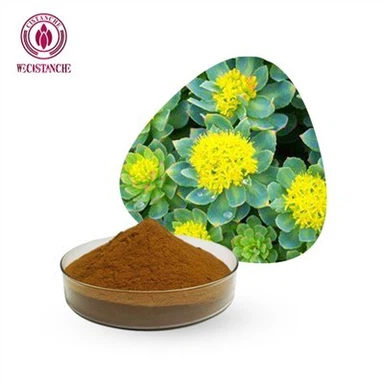
Pics of Cistanche tubulosa
④ reactive oxygen species response: increased reactive oxygen species can promote vascular endothelial damage, reduce bone cells and
Osteoblasts, abnormal activation of osteoclasts, and promotion of the degradation of cartilage collagen fibers and proteoglycans, lead to obstruction of the blood supply of the femoral head, damage to the mechanical support structure, flattening and collapse of the femoral head in the stress area, and finally femoral head necrosis.

Figure 5 GO function enrichment analysis of Cistanche and Morinda officinalis in the treatment of Avascular necrosis (AVN) of the femoral head- BP analysis bubble chart

Fig. 6 GO function enrichment analysis of Cistanche deserticola and Morinda officinalis in the treatment of Avascular necrosis (AVN) of the femoral head - MF analysis bubble chart

Figure 7 GO function enrichment analysis of Cistanche and Morinda officinalis in the treatment of Avascular necrosis (AVN) of the femoral head - CC analysis bubble chart
KEGG pathway analysis showed that Cistanche - Morinda Officinalis drug pair mainly exerts femoral head necrosis through the p53 signaling pathway, interleukin-17 signaling pathway, hypoxia-inducible factor-1 signaling pathway, tumor necrosis factor signaling pathway, and other signaling pathways. Therapeutic effect.
①p53 signaling pathway: As a tumor suppressor, p53 can induce apoptosis by regulating endogenous apoptosis pathway, death signal receptor protein pathway, and mitochondrial release of oxygen free radicals. Activated by environmental factors, p53 signaling pathway plays an important role in femoral head necrosis by regulating apoptosis and cell cycle. Studies have shown that p53 expression can be increased in the necrosis of the femoral head.
②Hypoxia-inducible factor-1 signaling pathway: The hypoxia-inducible factor-1 signaling pathway is crucial in the body's response to low oxygen concentration or hypoxia. The hypoxic environment of femoral head necrosis can affect osteoclastogenesis, and hypoxia-inducible factor The -1 signaling pathway can couple angiogenesis, bone resorption and new bone formation to exert therapeutic effects. Studies have found that hypoxia-inducible factor-1α can participate in the process of angiogenesis by mediating vascular endothelial growth factor, and at the same time, it can play a role in regulating nutrient transport and affecting the function of osteoclasts, thereby causing femoral head necrosis and bone resorption disorders.
③Tumor necrosis factor signaling pathway: TNF plays a role in femoral head necrosis by binding to its receptor. Studies have shown that the expression of serum tumor necrosis factor-α is significantly increased in the steroid-induced necrosis of the femoral head in the rabbit model group, and the polymorphism of tumor necrosis factor-α gene and hypoxic environment can significantly affect the clinical outcome of hormone-induced necrosis of the femoral head. development. As the most common clinical inflammatory factor, tumor necrosis factor-α plays an important role in the damage of vascular endothelial cells of the femoral head, and can also affect the blood supply of the femoral head through intravascular coagulation; it can also cause the absorption of bone cells and chondrocytes. It can promote the proliferation of fibroblasts; it can also induce the production of oxygen free radicals, lipid peroxidation, apoptosis of osteoblasts and other pathological processes, and the interaction of the above links will eventually lead to the occurrence of femoral head necrosis.

Figure 8 Histogram of KEGG pathway enrichment analysis of Cistanche and Morinda officinalis in the treatment of Avascular necrosis (AVN) of the femoral head

Figure 9 Bubble chart of KEGG pathway enrichment analysis of Cistanche and Morinda officinalis in the treatment of Avascular necrosis (AVN) of the femoral head
To sum up, Cistanche and Morinda officinalis have the characteristics of many active ingredients, diverse targets, and a wide range of action pathways in the treatment of femoral head necrosis, involving biological pathways including the p53 signaling pathway, hypoxia-inducible factor-1 signaling pathway, tumor necrosis factor signaling pathway, interleukin-
17 Signal pathways, etc., biological processes include apoptosis, cytokine expression, lipid metabolism, reactive oxygen species response, and other functional pathways. The results of this study provide a basis for subsequent research on the mechanism of Cistanche and Morinda officinalis in the treatment of Avascular necrosis (AVN) of the femoral head.
FIND THE BEST BOTANICAL HOLISTIC CARE FOR AVN
Our carefully hand-crafted protect liver formula includes the best-researched herbs and cistanche products. Each shows amazing potential for immunity improvement management, plus general nerve and neuron support overall.
Includes:
The Cistanche Benefits:– Cistanche extract did not affect osteoclastogenesis. In addition, Cistanche extract prevented the bone loss induced by ovariectomy in vivo. cistanche may be a novel bone formation agent for the treatment of AVN and osteoporosis