Study On Mechanism Of Cistanches Benefits in The Treatment Of Liver Protection
Apr 18, 2022
Abstract: To study the mechanism of active components of Cistanches Herba in the treatment of liver fibrosis from the point of view of drugs, diseases and targets. The effective components of Cistanches Herba were collected through traditional Chinese medicine system pharmacology database and analysis platform (TCMSP), traditional Chinese medicine encyclopedia database (ETCM), traditional Chinese medicine research comprehensive database (TCMID), CNKI database, PubMed and other databases. The target genes of active components of Cistanches Herba were obtained by Uniprot database, and the disease genes of liver fibrosis were collected by GeneCards database and OMIM database, the active component targets were intersected with liver fibrosis targets, and the traditional Chinese medicine-active components-disease network was drawn. Protein interaction network (PPI) was constructed by String database and Cytoscape 3.7.1 software. GO function and KEGG pathway were enriched by DAVID database.
Animal model of liver fibrosis was established, the contents of LN, HA, PCIII and Col IV in mouse liver tissue were detected by ELISA kit, liver histopathological changes were observed by HE and Masson staining, and the transcription of PI3K and AKT mRNA was detected by real-time fluorescence quantitative PCR. Eight active components of Cistanches Herba, 157 targets and 1 005 targets of liver fibrosis were collected and screened, and 92 targets intersected with each other, involving 5 main signal pathways, including cancer signal pathway, hepatitis B virus signal pathway, PI3K-AKT signal pathway, tumor necrosis factor signal pathway, proteoglycan and cancer. The animal experiment showed that compared with the model group, the high, middle and low dose groups of total phenylethanol glycosides , that contain acteoside, of Cistanches Herba (700, 350, 175 mg/kg) could significantly reduce the contents of LN, HA, PCIII and Col IV in liver tissue of mice with liver fibrosis. The pathological observation of liver tissue showed that total phenylethanol glycosides of Cistanches Herbs Benefits: could reduce liver injury and enhance anti-aging system. The real-time fluorescence quantitative PCR detection showed that the mRNA expression of PI3K and AKT in the liver tissue of model group was significantly up-regulated compared with normal group. Compared with model group, the mRNA expression of PI3K and AKT in the high, middle and low dose groups of total phenylethanol glycosides of Cistanches Herba significantly decreased, and its mechanism may delay the progression of liver fibrosis by inhibiting the activation of PI3K-AKT pathway. The total phenylethanol glycosides of Cistanches Herba have the effect of anti-aging of liver, which lays a foundation for further study on the pharmacological effects of Cistanches Herba.

(click here to know of cistanche benefits)
Keywords: Cistanches Herba; network pharmacology; molecular docking; liver fibrosis; liver protection;
Author: ZHANG Bo-rui1, MA Qian-qian1, WANG Wen-yi1, ZHANG Shi-lei1, LIU Tao1,ZHAO Jun2, MA Long1*
School of Public Health, Xinjiang Medical University, Urumqi 830054, China; 2Key Laboratory of Uygur Medicine, Xinjiang Pharmaceutical Research Institute, Urumqi 830004, China
The liver is an important digestive gland in the human body, and once the disease occurs, it will affect the normal metabolic function of the human body. Studies have shown that, an important way to form liver cancer is liver fibrosis. When the liver is stimulated, immune cells secrete a large number of immunoregulatory factors, leading to activation and proliferation of hepatic stellate cells, synthesis of a large amount of collagen, and deposition of a large amount of extracellular matrix in the liver, resulting in the formation of fibrosis. Therefore, control at any stage of the liver disease process may reduce the damage of liver disease, and the research on the treatment of liver fibrosis is very important.
In recent years, studies have shown that, Cistanche has obvious curative effect in the treatment of liver disease, and shows obvious advantages in the treatment of liver fibrosis.
Cistanches Herba, a genuine medicinal material in Xinjiang, is known as "desert ginseng" and has been used clinically for thousands of years.
Cistanche Benefits
Modern research has shown that it has various biological activities such as anti-aging, protecting the liver, relieving fatigue, anti-osteoporosis, laxative and so on. You et al [8] showed that Cistanche phenylethanoid can alleviate the degree of liver fibrosis. Zhang et al[9] found that the activation of hepatic stellate cells and liver fibrosis could be inhibited by Cistanche phenylethanoid liposomes. However, the pharmacological effects of Cistanche in the treatment of liver fibrosis and its mechanism are still unclear and remain to be elucidated.

In this study, network pharmacology was used to construct a "component-disease-target-pathway" network diagram [10], and then protein interaction and target enrichment analysis [11] were used to predict the relevant targets and targets of Cistanche in the treatment of liver fibrosis. The pathway, through molecular docking technology and animal experiments, provides a basis for the pharmacological effects of the active ingredients of Cistanche in the treatment of liver fibrosis.
1 Material and methods of Cistanche
1.1 Screening related targets of active components of Cistanche deserticola
1.1.1 Screening of the chemically active components of Cistanche
Using "Cistanche " as the search term, the oral bioavailability (OB) ≥ 30%, drug-likeness (drug-likeness) were screened in the Traditional Chinese Medicine System Pharmacology Analysis Platform (TCMSP). , DL) ≥ 0.18 as active ingredients, and then combined with the Chinese Medicine Encyclopedia Database (ETCM), Chinese Medicine Research Comprehensive Database (TCMID), CNKI database, PubMed database to supplement the relevant components of Cistanche.
1.1.2 Active components of Cistanche and liver fibrosis disease targets
Using the Uniprot database, the protein targets corresponding to the active components of Cistanche were screened. Then, the genome annotation database and Mendelian genetic database were used to search with "liver fibrosis" as the keyword to obtain the relevant protein targets in the database, and finally obtain the common protein targets of the two.
1.1.3 Construction and analysis of the network of "active components of Cistanche - liver fibrosis - protein targets" The String database was used to construct a network of "active components of Cistanche - liver fibrosis - protein targets" for visualization. Each node represents a gene, protein or active component, and the connection between nodes represents the connection between the active component and related targets. The core genes in the network are analyzed according to the degree of the network, and the protein interaction network is finally obtained. .
1.1.4 GO and KEGG enrichment analysis
The David database imported the targets of Cistanche in the treatment of liver fibrosis, carried out GO and KEGG enrichment analysis, and screened according to the Count value.
1.1.5 Molecular docking
Obtain the 2D chemical structure of the main active components of Cistanche Cistanche through the PubChem database, find the 3D structure of the relevant core target protein in the PDB database, perform molecular docking through Autodock software to obtain the site with the highest binding energy, and finally visualize it through Pymol software processing.
1.2 Animal experiments in Cistanche Benefits
1.2.1 Experimental animals
60 Kunming male mice, SPF grade, weighing 18-22 g, were purchased from the Experimental Animal Center of Xinjiang Medical University. The production license number is SCXK (new) 2018-0002, the use license number is SYXK (new) 2018-0003, and the ethics approval number: IACUC-20210326-10.
1.2.2 Main reagents
Cistanche phenethanoid glycosides (CPhGs) (purchased from Xinjiang Hetian Dichen Pharmaceutical and Biological Co., Ltd., batch number: 20180502); Compound Biejia Ruangan Tablets (product of Mongolia Furui Technology Co., Ltd.); mouse laminin (LN), Mouse hyaluronic acid (HA), mouse type III procollagen (PCIII), mouse type IV collagen (Col IV) ELISA kit.
(Beijing Jianglai Reagent Co., Ltd., batch number: JL20286-96T, JL2406-96T, JL20169-96T, JL20128-96T); Masson trichrome staining solution (Zhuhai Besso, batch number: 20210115); Hematoxylin and eosin (HE) staining kit (Solebo HE dyedColor Kit G1120); SuperReal Fluorescence Quantitation Master Mix Reagent Color Edition (SYBR Green, Tiangen FP205-02); FastKing RT Kit (With gDNase, Tiangen KR116-02); Transzol up (Full Gold ET111-01).

1.2.3 Main Instruments
HZQ-C full-humidity constant temperature culture shaker (Shanghai Yiheng Scientific Instrument Co., Ltd.); DK-8D electric heating constant temperature water bath (Jiangsu Jinyi Instrument Technology Co., Ltd.); HC-3018R high-speed refrigerated centrifuge (Anhui Zhongke Zhongjia Science and Technology Co., Ltd.) Instrument Co., Ltd.); Varioskan Flash microplate reader, QuantStudio 6 real-time PCR instrument (Thermo Fisher Scientific, USA); Retsch High-throughput tissue grinder MM400; ST5020 multi-functional staining machine (Shanghai Leica Trading Co., Ltd. ).
1.2.4 Experimental method
Animals were randomly divided into normal control group, model group, positive control group (840 mg/kg), CPhGs high dose group (CPhGs-H, 700 mg/kg), medium dose group (CPhGs-M, 350 mg/kg), Low-dose group (CPhGs-L, 175 mg/kg);
The positive control group was given Compound Biejia Ruangan Tablets, referring to the instructions of the drug (4 tablets at a time, 3 times a day; 0.5 g per tablet) and the "Functional Experiment Tutorial" published by the People's Military Medical Publishing House. Conversion; CPhGs high, medium and low dose groups are based on relevant literature [17] and pre-experiment results, and rat CPhGs high, medium and low dose groups (500, 250, 125 mg/kg) are converted based on the doses of rats and mice The ratio of 1:1.4, converted into high, medium and low dose groups of CPhGs (700, 350, 175 mg/kg), 10 mice in each group; the normal control group was injected with the same amount of normal saline, and the mice in the other groups were injected All the mice were intraperitoneally injected with 10% CCl4 olive oil solution (5 mL/kg), twice a week for 8 weeks, to establish a liver fibrosis mouse model; the normal control group and the model group were given distilled water by gavage, and the other groups were given distilled water by gavage. All were administered by gavage at the set dose for 8 weeks.
1.2.5 Biochemical index detection
The contents of LN, HA, PCIII, and Col IV in liver tissue homogenate were detected by ELISA method with a microplate reader, and the instructions of the kit were strictly followed.
1.2.6 Histopathological observation of liver
The liver tissue was fixed with 4% paraformaldehyde solution, dehydrated in ethanol, embedded in paraffin, and then sectioned, and stained with HE and Masson to observe the liver tissue sections.
1.2.7 Detection of PI3K and AKT mRNA transcription by real-time fluorescence quantitative PCR
The mouse liver tissue was removed and added with Transzol up reagent to extract the total RNA of mouse liver tissue. RT-PCR was used to determine the mRNA transcription of PI3K and AKT in mouse liver. The related gene sequences are shown in Table 1
1.2.8 Statistical methods
SPSS 21.0 was used for statistical analysis, and the data were expressed as mean ± standard deviation (x ± s);
One-way ANOVA for comparison of means between groups; otherwise, rank sum test was used, and the test level was α = 0.05.
2 results of Cistanche Function Experiment
2.1 Screening the active ingredients of Cistanche
A total of 75 known components of Cistanche were screened out, and OB≥30% and DL≥0.18 were set as the screening thresholds, and 8 qualified active components were obtained: β-sitosterol and arachidonate. , Suzilactone (suchilactone), Liriodendron resin B dimethyl ether (yangambin), quercetin (quercetin), dipicaine (marckine), verbascoside (acteoside), echinacoside (echinacoside) , a total of 157 target bases were obtained from the Uniprot database
(see Figure 1).

Fig. 1 Cistanches Herba-active ingredient-target map
2.2 Network construction and analysis of "active components of Cistanche deserticola - liver fibrosis - protein targets"
The GeneCards and OMIM databases were searched to obtain 1 005 targets related to liver fibrosis, and the 157 potential protein targets of Cistanche deserticola and 1 005 protein targets related to liver fibrosis were deduplicated, and Venn diagrams were drawn ( See Figure 2), import 92 common targets into the String database, and perform visual processing to construct a network of "active components of Cistanche deserticola - liver fibrosis - protein targets" (see Figure 3), in which the core targets are: AKT, ICAM1, MMP9, BCL-2, ADRB2, CASP3, JUN, PON1, PIK3CG, RXRA, CASP8, PPARG, BAX, NOS3, PRKCA, TGFB1, CASP9, etc. degree>50 was used as the threshold, and the protein interaction network diagram was drawn according to the value of degree and combine score (see Figure 4).

Fig. 2 Venn diagram of drug-disease common target of Cistanches Herba in the treatment of liver fibrosis

Fig. 3 Network diagram of “component-common target-disease” of Cistanches Herba in the treatment of liver fibrosis
2.2 Network construction and analysis of “active components of Cistanche -liver fibrosis-protein targets”
GeneCards and OMIM database obtained 1 005 targets related to liver fibrosis, deduplicated 157 potential protein targets of Cistanche deserticola and 1 005 protein targets related to disease liver fibrosis, and drew Venn diagrams (see Figure 2), import 92 common targets into the String database, and perform visual processing to construct a network of "active components of Cistanche deserticola - liver fibrosis - protein targets" (see Figure 3), of which the core targets are: AKT, ICAM1, MMP9 , BCL-2, ADRB2, CASP3, JUN, PON1, PIK3CG, RXRA, CASP8, PPARG, BAX, NOS3, PRKCA

Note: The node area in the figure represents degree value, and the connection thickness represents the combine score value.
2.3 GO and KEGG enrichment analysis
Through the David database, the 92 protein targets of in treating liver fibrosis were imported into the database for enrichment analysis (see Figure 5). Select the top ten entries with Count values of cellular components, biological processes and molecular functions. Among them, biological processes involve positive regulation of DNA transcription, negative regulation of apoptosis, aging, inflammatory response, positive regulation of cell proliferation, apoptosis, signal transduction, etc. Molecular functions mainly include the binding of enzymes, proteins, transcription factors and the same proteins , DNA binding, zinc ion binding, etc.; cell components mainly include nucleus, cytoplasm, extracellular environment, plasma membrane, cell membrane, mitochondria, etc.
The top 20 pathways were screened out based on the David database and the Count value, and the pathway enrichment analysis was performed on the potential targets of Cistanche deserticola in the treatment of liver fibrosis (see Figure 6). The main pathways obtained are: PI3K-AKT (see Figure 7), TNF signaling pathway, HBV signaling pathway, etc.

Fig. 5 GO analysis of potential targets of Cistanches Herba in the treatment of liver fibrosis

Fig. 6 Enrichment analysis of KEGG signal pathway
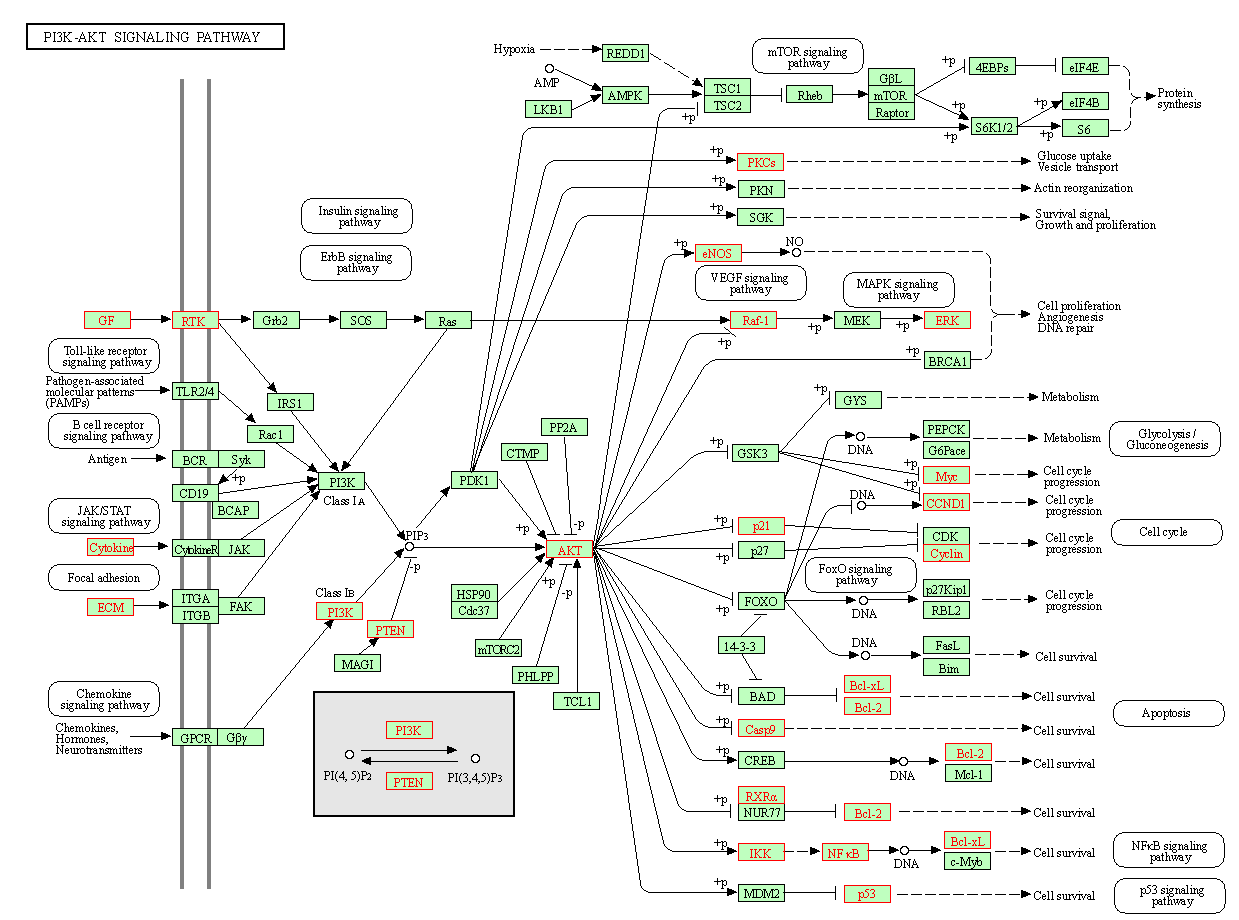
Fig. 7 PI3K-AKT pathway of Cistanches Herba in the treatment of liver fibrosis
2.4 Construction of the active ingredient-liver fibrosis-target-pathway network of Cistanche
Visual processing to construct a network of "active components of Cistanche deserticola-liver fibrosis-target-pathway" (see Figure 8).

Fig. 8 Active ingredient of Cistanches Herba-liver fibrosis-protein target-pathway
Note: Red represents liver fibrosis; Green represents active components of Cistanches Herba; Orange represents pathway, blue represents protein target, and line segment represents the relationship between Cistanches Herba and liver fibrosis
2.5 Molecular docking results of active components of Cistanche in the treatment of liver fibrosis
The two most important active components of Cistanche, Verascoside and Echinacea, were molecularly docked with the key albumin targets ICAM1, AKT1, and MMP9 by Autodock software. The binding energies are shown in Table 2. The results were imported into Pymol software for visualization, and the molecular docking results showed that verbasin and AKT formed hydrogen bonds at the positions of ASN-54, TYR-272, and LYS-297; Forms a hydrogen bond at the 10 position; Verbasin and MMP9 form a hydrogen bond at the LEU-188, ALA-189, GLU-227, HIS-230, HIS-236, HIS-226 positions;
Echinacea forms hydrogen bonds with AKT at positions GLU-356, HIS-297, ASN-296, ALA-226, LYS-294, and GLU-228; echinacoside forms hydrogen bonds with ICAM1 at DA-7, DT-8 , DT-11, DT-12, and DC-13 positions form hydrogen bonds;
Verbasin forms hydrogen bonds with MMP9 at positions HIS-230, HIS-236, HIS-226, GLU-227, ALA-189, LEU-188, TYR-248 (see Figure 9).
Table 2 Binding energy between main active components and key protein targets (kJ/mol)


Fig. 9 Results of molecular docking
Note: A-F are the molecular docking diagrams of acteoside and AKT, acteoside and ICAM1, acteoside and MMP9, echinacoside and AKT, echinacoside and ICAM1, and echinacoside and MMP9, respectively.
2.6 Differences in the contents of LN, HA, PCIII and Col IV in each group of mice
Compared with the normal group, the contents of LN, HA, PCIII and Col IV in the model group were increased, and the difference was statistically significant (P<0.01). The contents of PCIII and Col IV (P < 0.01) indicated that CPhGs had an anti-hepatic fibrosis effect (see Table 3, Figure 10).
Table 3 Differences in the contents of LN, HA, PCIII and Col IV in mice of different groups (x ± s, n = 9)

Note: Compared with normal control group, #P<0.01; Compared with model group, **P<0.01.
2.7 Histopathological observation of liver
HE staining (see Figure 10): In the normal group, the morphology of hepatocytes was normal, the hepatic lobules were intact, and there was no distribution of degeneration and necrosis of hepatocytes and inflammatory cells. The portal area was clearly visible, and there were neatly arranged hepatocytes around the central vein. The model group had obvious hepatocyte punctate necrosis, proliferation, edema, inflammatory cell infiltration and a large number of eosinophilic granules. High, medium and low dose groups and positive pairs
In the control group, the degree of necrosis of hepatocytes was mild, and the eosinophilic granules were significantly reduced.
Masson staining (see Figure 11): the normal group had complete morphological structure of hepatocytes, and only a few collagen fibers were seen in the vessel wall after collagen staining; in the model group, a large number of pseudolobules formed by blue fibers surrounded the portal area, and a large number of vacuoles were seen. The high, medium and low dose groups and the positive control group could significantly reduce the level of hepatic fibrosis in liver tissue, and the blue fibers around the portal area were significantly reduced.

Fig. 10 Effect of CPhGs on hepatic histopathological changes in mice with liver fibrosis induced by CCl4
Note: A: Normal; B: Model; C: Positive control group; D: CPhGs-H; E: CPhGs-M; F: CPhGs-L. The same below.

Fig. 11 Effect of CPhGs on the changes of collagen fibers in liver tissue of mice with liver fibrosis induced by CCl4
2.8 Detection of PI3K and AKT mRNA expression by real-time fluorescence quantitative PCR
Compared with the normal control group, the expression of PI3K and AKT mRNA in the liver tissue of the mice in the model group was significantly up-regulated (P<0.01);
Compared with the model group, the mRNA expression of PI3K and AKT in the positive control group and the high, medium and low dose groups of phenethyl alcohol total glycosides from Cistanche deserticola were significantly decreased (P<0.01) (Table 4).
Table 4 Transcription of PI3K and AKT mRNA in mouse liver tissue (x± s, n = 9)

Note: Compared with normal control group, #P<0.01; Compared with model group, **P<0.01.
3 Discussion and conclusions
The development process of liver fibrosis is complex, and various cytokines and cellular pathways "communicate" and influence each other, forming a complex network of interactions. Therefore, single-target and single-channel therapy is difficult to work. Traditional Chinese medicine has the characteristics of multi-component, multi-target and complex action, so as to regulate the human body systematically. Cistanche deserticola has the effect of protecting the liver. The active ingredients of Cistanche deserticola are obtained through the database of traditional Chinese medicine TCMSP and other databases: Verbasin, echinacoside, β-sitosterol, arachidonic acid, suzilactone, Liriodendron Resinol B dimethyl ether , quercetin, dipicaine.
Studies have shown that phenylethanoid glycosides of Cistanche are the main active components of Cistanche, among which echinacoside and verbascoside are considered to be the main bioactive components of Cistanche. The effect of chrysanthemum glycosides is related to liver problem
target and verified by molecular docking.
Echinacea and verbascoside, as the main components in Cistanche, play an anti-hepatic fibrosis effect by regulating the apoptosis of hepatic stellate cells. ICAM1, AKT, and MMP9 may be the targets of echinacoside and verbasin in the treatment of liver fibrosis. As a cell adhesion factor, ICAM1 is abundantly expressed in the case of liver injury. It can inhibit liver fibrosis by inhibiting the overexpression of ICAM1. development. Serine/threonine protein kinase (AKT) is an important target kinase downstream of PI3K. Activated AKT is further activated to promote the proliferation of hepatic stellate cells and accelerate the progression of liver fibrosis.
On the contrary, inhibiting AKT will inhibit the progression of liver fibrosis; MMP-9 can degrade the normal liver collagen matrix, destroy the internal environment of liver cells, promote the activation of hepatic stellate cells, secrete a large amount of collagen, and promote the development of liver fibrosis. The occurrence of liver fibrosis; in this experiment, the use of CCl4 to establish a mouse model of liver fibrosis is one of the classic modeling methods. CCl4 is injected into the animal body by intraperitoneal injection. The contents of PCIII and Col IV were significantly increased; compared with the model group, the CPhGs high, medium and low dose groups significantly decreased the contents of LN, HA, PCIII and Col IV; HE and Masson test results showed that compared with the model group, the CPhGs high, medium and In the low-dose group, the degree of hepatocyte necrosis was mild, the eosinophilic granules were significantly reduced, and the blue fibers around the portal area were significantly reduced. The above results indicated that the inhibition of liver fibrosis by total glucosides of Cistanche deserticola may be related to the targets of ICAM1, AKT and MMP9, and the expression of related proteins needs to be further detected.
The occurrence of liver fibrosis is caused by a variety of factors. Among them, the PI3K-AKT pathway is the top-ranked pathway obtained by pathway enrichment analysis. The PI3K-AKT signaling pathway is involved in regulating cell proliferation and apoptosis, inducing human tumorigenesis, and HBV gene It is one of the important pathways for the treatment of liver fibrosis. The PI3K-AKT pathway can activate the formation of hepatic blood vessels, improve blood supply, rebuild extracellular matrix, regulate autophagy, inhibit apoptosis of hepatocytes, and promote the proliferation of hepatocytes, thereby leading to liver fibrosis.
Echinacea and Verbasicose can inhibit the proliferation and activation of liver cells by regulating the targets of ICAM1, AKT and MMP9, respectively, and total Acteoside in phenylethyl glucosides of Cistanche may interfere with liver fiber by participating in the energy metabolism, proliferation and apoptosis of liver cells. Compared with the normal group, the expression levels of PI3K and AKT mRNA in the liver tissue of the mice in the model group were significantly up-regulated; compared with the model group, the total phenylethanol glycosides of Cistanche deserticola were high, medium and low. The mRNA expressions of PI3K and AKT were significantly decreased in the dose group, and the mechanism may inhibit the activation of the PI3K-AKT pathway and delay the progression of liver fibrosis.
Acteoside are also called ergosteroside and verbascoside. Belongs to phenylpropanoid glycoside compounds. It is extracted from the dry fleshy stems with scaly leaves of Cistanche tubulosa Y.C. Ma. It is one of the main effective ingredients of Cistanche extract.
Acteoside is a class of compounds with strong biological activity, which have various physiological effects such as anti-inflammatory, enhancing immunity, anti-anoxia, scavenging free radicals, repairing DNA bases, and treating liver fibrosis.

click here to know Cistanche Benefits on liver petection

In conclusion, total phenylethanol glycosides of Cistanche can effectively alleviate CCl4-induced liver fibrosis in mice, and the mechanism may be related to the proliferation and activation of hepatic stellate cells mediated by PI3K-AKT signaling pathway. Lay the foundation for the pharmacological effects of Cistanche.