6 Foods That Lower Prostate Cancer Risk Ⅰ
Aug 23, 2022
More and more clinical studies and studies have found that many cancers are related to each other. Dr. Chen Yuxin pointed out that prostate cancer is mainly related to a family history of prostate cancer. At present, the main cause of prostate cancer is still unknown, but doctors also remind 6 related high-risk groups to pay special attention to vigilance, including:
Age: People over 50 have a higher risk, and the risk increases with age.
genetic inheritance
Family history of disease: About 9 to 15% of people with prostate cancer have a family history of the disease. The fathers, sons, or siblings of patients with prostate cancer also had a higher chance of getting prostate cancer than those with no relevant family history.
Race: African-Americans have the highest incidence, and Asians are lower.
High-fat diets, especially unsaturated fats, increase the incidence and mortality of prostate cancer.
Inflammation and infection: There is literature mentioning that the development of prostate cancer is associated with a history of sexually transmitted diseases or chronic inflammation of the prostate.

Top 10 Cancers in Chinese Men! These habits may be worth noting
Physicians also said that the incidence of prostate cancer in men in Western countries is higher than in Asian men. Although there is no research that can clearly explain this phenomenon, experts suspect that the difference between Eastern and Western diets is likely to be the culprit!
High-fat diets and eating habits that are high in red and processed meat may cause DNA damage and lead to cancer. It is speculated that due to the westernization of the Chinese diet, prostate cancer has climbed to fifth place among the top 10 cancers in Chinese men in recent years!
Can male hormones trigger, or aggravate prostate cancer?
There are many rumors that people who use traditional Chinese medicine for conditioning should also be careful about traditional Chinese medicine containing male hormones. The doctor pointed out that, first of all, it is necessary to clarify that male hormones are divided into "endogenous" produced by the body and "exogenous" male hormones supplemented by the outside world, namely testosterone.
Physicians say there is currently no clear evidence that elevated endogenous testosterone directly contributes to the development of prostate cancer. But in the 1940s, researchers found that when men's testosterone dropped, their prostate cancer progression slowed.

It was also found that giving testosterone to prostate cancer patients made their cancer worse, so it was concluded that testosterone promotes the growth of prostate cancer. But in recent years, some studies have found that men with low testosterone have a higher risk of prostate cancer. A 2016 meta-analysis study found no relationship between testosterone levels and prostate cancer risk. Another retrospective study showed that testosterone replacement therapy for patients with low testosterone did not increase the risk of prostate cancer, nor did it make it worse in men who had been diagnosed.
Whether testosterone therapy is safe for men with a history of prostate cancer remains an open question and more research is needed. The available evidence suggests that testosterone therapy may be safe for some men with low testosterone who have successfully completed prostate cancer treatment and who are at low risk of recurrence. Of course, before supplementing with testosterone, you should consult a urologist to find out if it is feasible.
Drink coffee to prevent cancer? 6 kinds of risk-reducing foods are released!
There's no definitive way to prevent prostate cancer, but there is still some research showing that choosing a healthy diet low in fat and rich in fruits and vegetables may help reduce your risk of prostate cancer. If you want to reduce the risk of prostate cancer, Dr. Yuxin Chen recommends that you consider trying:
Low-fat diet: Eat less trans and saturated fats and switch to high-quality fats such as nuts, walnuts, and fish.

Eat more fruits and vegetables: Fruits and vegetables are rich in vitamins and nutrients that are thought to reduce the risk of prostate cancer. Studies have shown that cooked or processed tomatoes are rich in the antioxidant lycopene, which can slow the growth of prostate cancer cells. Cruciferous vegetables, such as broccoli, also contain plant compounds that inhibit cancer cells and can prevent cancer.
Soy: Clinical trials have shown that soy can lower PSA (prostate-specific antigen).
Green tea: Men who drank more green tea had a lower risk of prostate cancer, but the researchers also noted that these results need to be tested in larger studies.
Avoid charred meat: Frying or grilling charred meat at high temperatures may produce compounds that cause cancer.
Coffee: Clinical studies have shown that drinking 4 to 5 cups of coffee a day can reduce the risk of prostate cancer.

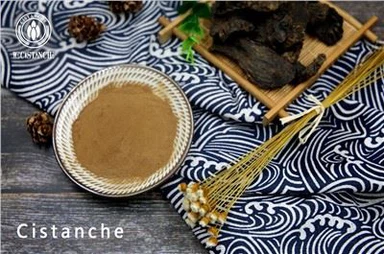
Traditional Chineses Instant Coffee-Cistanche Extract Powder
The physician also added that a review last year found that higher coffee intake was associated with a lower risk of prostate cancer, with a significant linear decline for each additional cup of coffee per day.