Restoring Hormonal Balance in PCOS: How Cistanche Tubulosa Supports Metabolic And Ovarian Health
Aug 14, 2026
Polycystic ovary syndrome is the most common endocrine disorder in women of reproductive age, affecting approximately 8–13% of women worldwide. It is characterized by a triad of symptoms: irregular or absent ovulation, clinical or biochemical hyperandrogenism, and polycystic ovarian morphology on ultrasound. Yet the true burden of PCOS extends far beyond the reproductive system. The majority of women with PCOS have underlying insulin resistance, and up to 70% are overweight or obese. They face elevated risks of type 2 diabetes, cardiovascular disease, endometrial hyperplasia, and infertility. The condition is as metabolic as it is reproductive, and its management requires a multi-pronged approach addressing both the metabolic and ovarian dimensions. Cistanche tubulosa, through its active ingredients echinacoside and acteoside, is uniquely positioned to support both sides of the PCOS equation-improving insulin sensitivity at the cellular level while reducing the inflammation and oxidative stress that compromise ovarian function.

The Metabolic and Inflammatory Roots of PCOS
At the core of PCOS lies insulin resistance. In the majority of affected women, regardless of body weight, cells fail to respond efficiently to insulin's signal. The pancreas compensates by producing more insulin, leading to chronic hyperinsulinemia. Excess insulin acts on ovarian theca cells to stimulate the production of androgens-testosterone and androstenedione-through the activation of the P450c17 enzyme complex. Hyperinsulinemia also suppresses the liver's production of sex hormone-binding globulin, resulting in higher free testosterone levels. The elevated androgen levels disrupt the normal feedback loops of the hypothalamic-pituitary-ovarian axis, impairing follicular maturation and preventing ovulation.
Simultaneously, adipose tissue-particularly visceral fat-secretes pro-inflammatory cytokines including TNF-α, IL-6, and IL-1β. This chronic low-grade inflammation worsens insulin resistance, creating a vicious cycle. It also directly damages ovarian granulosa cells, impairing their ability to produce estradiol and support oocyte development. Oxidative stress, a byproduct of hyperglycemia and inflammation, further compromises ovarian function by damaging oocyte DNA, disrupting mitochondrial function, and promoting follicular atresia.
An ideal natural support for PCOS would therefore target the metabolic root-improving insulin sensitivity and reducing hyperinsulinemia-while also calming the inflammatory and oxidative storm that impairs ovarian health. Acteoside's AMPK activation and echinacoside's Nrf2-driven antioxidant protection address both fronts.
How Cistanche Tubulosa Supports PCOS Management

1. Activating AMPK to Improve Insulin Sensitivity
Acteoside is a potent AMPK activator. AMPK is the cell's master energy sensor, and its activation promotes glucose uptake in muscle and fat cells by stimulating the translocation of GLUT4 glucose transporters to the cell surface. It also enhances fatty acid oxidation, reduces hepatic glucose production, and improves mitochondrial function. These effects collectively improve insulin sensitivity, lowering the hyperinsulinemia that drives ovarian androgen excess. The mechanism is analogous to that of metformin, a first-line drug for PCOS-related insulin resistance, but acteoside achieves it through a botanical pathway that is generally gentler and better tolerated. By reducing circulating insulin levels, acteoside helps break the cycle: less insulin means less ovarian androgen production, less SHBG suppression, and a more favorable hormonal environment for ovulation.
2. Reducing Ovarian Inflammation Through NF-κB Inhibition
The chronic low-grade inflammation associated with PCOS directly impairs ovarian function. Pro-inflammatory cytokines activate NF-κB in granulosa cells, suppressing steroidogenesis and promoting follicular atresia. Acteoside, as a potent NF-κB inhibitor, reduces the production of TNF-α, IL-6, and IL-1β in ovarian tissue. It also inhibits the NLRP3 inflammasome, a key mediator of sterile inflammation that is activated by metabolic stress. By calming the inflammatory milieu, acteoside helps restore a healthy follicular environment, supporting normal follicle development and ovulation.
3. Protecting Ovarian Granulosa Cells from Oxidative Damage
Oxidative stress is a central mediator of oocyte quality decline and follicular atresia in PCOS. Echinacoside, through Nrf2 activation, upregulates the antioxidant enzymes-superoxide dismutase, glutathione peroxidase, heme oxygenase-1-that neutralize the ROS generated by hyperglycemia and mitochondrial dysfunction. This protection extends to the oocyte itself, preserving mitochondrial function and DNA integrity. In animal models of ovarian dysfunction, Cistanche extract has been shown to reduce markers of oxidative stress, preserve granulosa cell viability, and maintain healthy follicle counts, suggesting a direct protective effect on ovarian tissue.
4. Supporting Metabolic Health Beyond Insulin
The metabolic benefits of AMPK activation extend beyond glucose disposal. AMPK activation promotes fatty acid oxidation, reduces hepatic lipogenesis, and improves lipid profiles. It also supports weight management-a critical factor in PCOS, where even modest weight loss (5–10% of body weight) can restore ovulation in many women. By improving the overall metabolic milieu, Cistanche addresses the root cause that perpetuates the PCOS phenotype.

5. Adaptogenic Support for the Stress-Axis
Chronic stress worsens PCOS by elevating cortisol, which further disrupts insulin sensitivity and ovarian function. Cistanche's adaptogenic properties help regulate the HPA axis, reducing excessive cortisol output. This upstream support helps stabilize the neuroendocrine environment, reducing the stress-induced exacerbation of metabolic and reproductive dysfunction.
A comprehensive 2022 review in Frontiers in Pharmacology summarizes the metabolic, anti-inflammatory, antioxidant, and hormone-modulating properties of Cistanche tubulosa, confirming its relevance to conditions such as PCOS that involve insulin resistance and chronic inflammation. (Frontiers in Pharmacology review on Cistanche tubulosa)
The Active Ingredients for PCOS Support
The beneficial effects in PCOS are driven by echinacoside and acteoside. Acteoside is the primary AMPK activator, driving improved insulin sensitivity and metabolic function. Echinacoside is the primary Nrf2 activator, protecting ovarian tissue from oxidative damage. Both compounds contribute to the anti-inflammatory effects through NF-κB suppression. A standardized extract containing 20–40% total phenylethanoid glycosides is essential. The evidence-informed dose is 400–600 mg daily, taken with a meal.
Integrating Cistanche for PCOS Management
For women with PCOS, Cistanche should be used as part of a comprehensive treatment plan developed with a healthcare provider. It can complement conventional therapies, including metformin, oral contraceptives, or ovulation induction agents. It pairs well with other evidence-based PCOS supplements: myo-inositol and D-chiro-inositol improve ovarian insulin signaling; berberine is another AMPK activator; and omega-3 fatty acids reduce inflammation. Lifestyle interventions remain the foundation of PCOS management-a low-glycemic-load diet, regular physical activity, stress management, and adequate sleep. Cistanche amplifies the benefits of these lifestyle changes by targeting the cellular mechanisms of insulin resistance and inflammation.
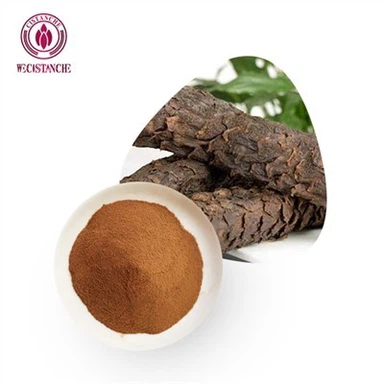
Our CycleBalance Cistanche Extract is sourced from authentic Cistanche tubulosa and standardized for a high concentration of echinacoside and acteoside. Each batch is third-party tested for purity and potency, ensuring that women with PCOS receive the cleanest possible support for their metabolic and reproductive health.

Safety and Medical Context
Cistanche tubulosa is well tolerated with a centuries-long safety record. It does not contain hormones and does not cause ovarian hyperstimulation. However, PCOS is a complex condition requiring medical oversight. Women trying to conceive should work with a reproductive endocrinologist. If you are taking metformin, clomiphene, letrozole, or hormonal contraceptives, consult your physician before adding any new supplement. This botanical is a supportive, complementary tool for PCOS management, not a replacement for medically prescribed treatments.