6 Things Nephrologists Wish Every Primary Care Physician Knew
Feb 15, 2023
Serum creatinine is an important indicator of renal function, and an increase in creatinine means that more than half of the renal function has been damaged. The ups and downs of serum creatinine are like a big rock, pressing many kidney patients out of breath. Therefore, how to reduce creatinine and avoid further deterioration of kidney function has become a problem that everyone pays special attention to.
But everyone must understand that the root cause of the increase in creatinine is the decline in renal function, which leads to the inability to metabolize creatinine in time. When the renal function is damaged and irreversible, it is meaningless to simply reduce creatinine, and the renal function will not recover if it is temporarily reduced in time, and it will still repeat after a period of time.

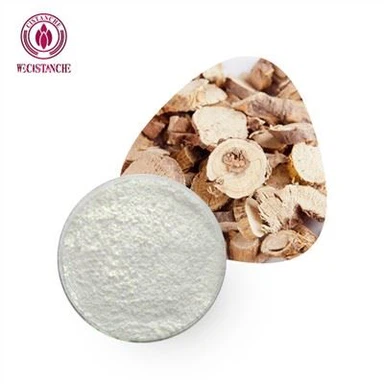
Click Here to Know How Cistanche Help Kidney Patients In A Week
If these 6 conditions lead to elevated creatinine, in order to avoid exacerbation of the condition, you must quickly reduce it. Usually, the elevated creatinine caused by these conditions can be reversed by active treatment:
1. Infection triggers an immune inflammatory response in the kidney
Infection is an important reason for the recurrence of kidney disease. It will cause immune inflammation in the body, lead to the accumulation of toxins, and damage to kidney function will not only lead to increased proteinuria but also increased creatinine. Remove the infection focus in time to avoid further development of renal function and keep creatinine stable. To prevent infection, kidney patients should pay attention to preventing colds, pay attention to personal hygiene, exercise properly to improve immunity, and get vaccinated when necessary.

2. Severe dehydration reduces blood flow
Some patients need to limit their water intake, such as patients with severe edema, and the reduction of body water due to fever and water metabolism disorders, increased blood concentration, and decreased renal blood flow can also lead to increased creatinine. At this time, patients should adjust their water intake appropriately to avoid aggravating the condition.
3. Nephrotoxic drug damage
The treatment of kidney disease requires exposure to many drugs, including traditional Chinese medicine and western medicine. Some patients are eager for success and mistakenly take some drugs containing nephrotoxicity, which leads to kidney damage and increased creatinine. If the drug is stopped in time, the creatinine elevation will improve. However, kidney patients must pay attention to the irreversible damage of some drugs, avoid accelerating renal failure, and never abuse drugs without permission.

4. Too high blood pressure leads to unstable kidney function
After about the stage of renal insufficiency, patients will have varying degrees of high blood pressure. Too high blood pressure leads to abnormal metabolism of water and sodium in the body, poor blood circulation in the kidneys will increase the burden on the kidneys, and creatinine will increase when renal function decreases. The long-term stability of blood pressure below 130/80 is conducive to the stability of creatinine.
5. Overwork causes Nephrololists
Some patients will do strenuous exercise to improve immunity, and some patients who still work stay up late and work overtime for a long time, resulting in overwork, which will lead to increased metabolism of toxins in the body and increased creatinine. These bad habits should be given up. You can choose some mild exercises such as jogging and gymnastics.

6. Diet management is not strict
Eating too much high-protein, high-salt, and high-fat food will not only aggravate proteinuria but also increase the burden of renal function and cause creatinine to rise. Kidney patients should strictly abide by the "five lows and one high" dietary principles and not relax.
In addition, taking some commonly used drugs such as pupil and Sartan antihypertensive drugs has the side effect of increasing creatinine, and creatinine can also be restored after adjusting the medication. The increase in creatinine caused by the above six conditions seems to be reversed by treatment, but if it is not treated in time, the creatinine will continue to increase, which will also aggravate the deterioration of renal function and accelerate renal failure, with disastrous consequences. Therefore, when creatinine rises, the cause must be clarified first, and then the treatment will be more effective.