A Cistanche-Based Botanical Formula Alleviates Chronic Prostatitis By Inhibiting NLRP3-Driven Pyroptosis: Evidence From Animal And Cellular Models
Aug 06, 2025
🧠 Background
Chronic prostatitis/chronic pelvic pain syndrome (CP/CPPS) is one of the most common and frustrating conditions in men's urological health, with a prevalence of up to 8.4% in Chinese males and over 90% of cases classified as NIH Type III (non-bacterial). It is characterized by pelvic pain, urinary dysfunction, and often psychological distress such as anxiety and depression, severely affecting quality of life.
In Traditional Chinese Medicine (TCM), this condition is often categorized under syndromes like:
"Jing Zhuo" (精浊) – turbid seminal discharge
"Lin Zheng" (淋证) – painful urinary dysfunction
"Shi Re Yu Zhu" (湿热瘀滞) – damp-heat and blood stasis in the lower burner
A growing body of research suggests that immune dysregulation and inflammasome-driven cell death (pyroptosis) play a critical role in CP pathogenesis.

🌿 Botanical Intervention: Why Cistanche?
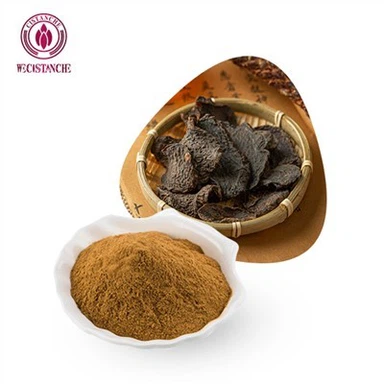
Cistanche deserticola is a revered adaptogenic herb in TCM, known for:
Kidney yang tonification
Reproductive support
Anti-fatigue and anti-inflammatory properties
Modern pharmacology confirms that echinacoside and acteoside, its key constituents, can:
Suppress pro-inflammatory cytokines
Inhibit oxidative stress
Modulate cellular apoptosis and immune function
In this study, we assessed a Cistanche-based botanical formulation for its ability to:
Inhibit NLRP3 inflammasome activation
Reduce pyroptosis-related protein expression (Caspase-1, GSDMD)
Improve oxidative stress markers and tissue integrity in a CP model

🧪 Study Design
🌡 Animal Model
50 male SD rats were randomly assigned to:
Control
CP Model (NIH Type III)
Low, Medium, High Dose of Cistanche Formula (4.9, 9.8, 19.6 g/kg) 20-30 Echinacoside 9-12% Acteoside 70-85% Glycoside
CP was induced via intraprostatic injection of prostate antigen emulsified in CFA
Treatment lasted 30 days via oral gavage


Cistanche Herbal Tea
🧫 Cellular Model
RWPE-1 human prostate epithelial cells
Stimulated with LPS + ATP to induce pyroptosis via NLRP3 activation
Treated with:
Cistanche-containing serum (6.25 μg/mL)
MCC950 (NLRP3 inhibitor, 50 μg/mL)
📊 Key Findings
🔥 Inflammatory Cytokines (IL-1β, IL-18)
| Group | IL-1β (pg/mL) | IL-18 (pg/mL) |
|---|---|---|
| Control | 38.6 ± 7.2 | 84.8 ± 8.2 |
| Model | 152.1 ± 38.4¹) | 331.7 ± 30.5¹) |
| Cistanche (Low) | 104.4 ± 39.2²) | 201.2 ± 60.2²) |
| Cistanche (Medium) | 74.4 ± 19.1²) | 157.2 ± 6.2²) |
| Cistanche (High) | 60.1 ± 14.3²) | 161.2 ± 14.2²) |
✅ Cistanche significantly reduced inflammatory cytokines, in dose-dependent fashion.
🧪 Oxidative Stress Biomarkers
| Group | MDA (nmol/mL) | SOD (U/mL) | GSH-Px (U/mL) |
|---|---|---|---|
| Control | 3.8 ± 2.2 | 270.8 ± 28.1 | 1000.8 ± 147.2 |
| Model | 9.1 ± 2.1¹) | 201.6 ± 19.2²) | 750.7 ± 220.5²) |
| Cistanche (Low) | 6.7 ± 0.7³) | 310.2 ± 18.2³) | 1001.2 ± 102.4⁴) |
| Cistanche (Medium) | 5.4 ± 0.9³) | 337.2 ± 17.2³) | 1245.9 ± 300.4⁴) |
| Cistanche (High) | 4.1 ± 0.6³) | 326.2 ± 14.2³) | 1183.9 ± 290.3⁴) |
🧬 Cistanche restored antioxidant enzyme activity (SOD, GSH-Px) and reduced lipid peroxidation (MDA).
🔬 NLRP3 Inflammasome Pathway Suppression
| Group | NLRP3 | Cleaved-Caspase-1 | GSDMD |
|---|---|---|---|
| Control | 0.88 ± 0.06 | 0.72 ± 0.04 | 1.18 ± 0.08 |
| Model | 1.12 ± 0.09¹) | 1.28 ± 0.08¹) | 1.36 ± 0.09¹) |
| Cistanche (Low) | 0.82 ± 0.05²) | 0.61 ± 0.04²) | 1.04 ± 0.05²) |
| Cistanche (Medium) | 0.72 ± 0.04²) | 0.59 ± 0.05²) | 1.08 ± 0.07²) |
| Cistanche (High) | 0.61 ± 0.04³) | 0.55 ± 0.05³) | 0.80 ± 0.05³) |
🔒 Cistanche inhibited pyroptosis by blocking NLRP3, Caspase-1, and GSDMD expression.
🧫 Cellular Model Confirmation (RWPE-1)
| Group | PI Uptake (%) | Caspase-1 (%) |
|---|---|---|
| Control | 6.96% | 8.31% |
| Model | 25.2¹) | 62.4¹) |
| Cistanche | 12.5²) | 14.02²) |
| MCC950 (Inhibitor) | 16.4²) | 25.45²) |
🧪 PI uptake and Caspase-1 activation were significantly reduced by Cistanche serum, comparable to MCC950.
📉 Supernatant Biomarkers (LDH, IL-1β, IL-18)
| Group | LDH (U/mL) | IL-1β (pg/mL) | IL-18 (pg/mL) |
|---|---|---|---|
| Control | - | - | - |
| Model | ↑↑ | ↑↑ | ↑↑ |
| Cistanche | ↓↓ | ↓↓ | ↓↓ |
| MCC950 | ↓↓ | ↓↓ | ↓↓ |
🧬 Lowered LDH release and cytokines indicate cell membrane protection and anti-pyroptotic effect.
🎯 Conclusion
This study demonstrates that a Cistanche-based botanical formulation effectively:
Suppresses NLRP3 inflammasome activation
Reduces Caspase-1 and GSDMD expression
Protects against pyroptosis and oxidative stress
Improves prostatic inflammation and tissue integrity
🌿 Why It Matters:
Unlike conventional drugs that target single pathways or symptoms (e.g., antibiotics, NSAIDs), Cistanche offers a multi-target, low-toxicity botanical solution for chronic prostatitis.

Supportive Service Of Wecistanche
Email:wallence.suen@wecistanche.com
Whatsapp/Tel:+86 15292862950

🔧 Application for Product Development
🔬 Target Use:
Chronic prostatitis (Type III/CPPS)
Pelvic inflammation
Male reproductive function support
🧪 Formulation Inspiration:
Cistanche deserticola extract (standardized echinacoside)
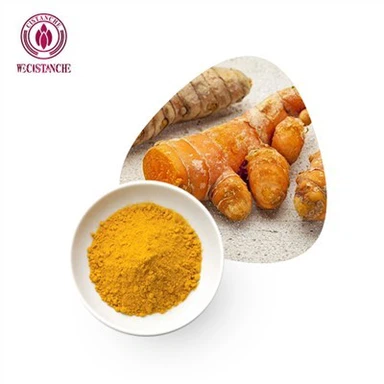
Synergistic botanicals: Phellodendron, Epimedium, Curcuma
Delivery: Capsules | Granules | Functional beverages
🧰 Available Assets:
Raw data & biomarker charts
NLRP3-inhibition evidence
TCM syndrome mapping
Regulatory-ready formulation blueprint
Let's build botanical solutions for modern challenges.
Want a bilingual whitepaper, product brief, or clinical dossier?
📩 Get in touch and bring evidence-based herbal medicine to life.