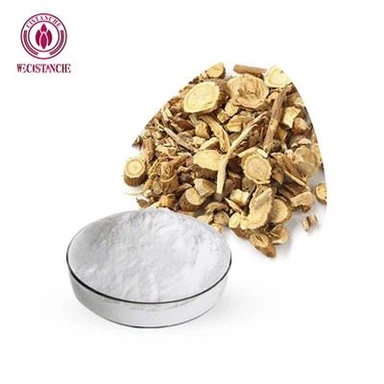
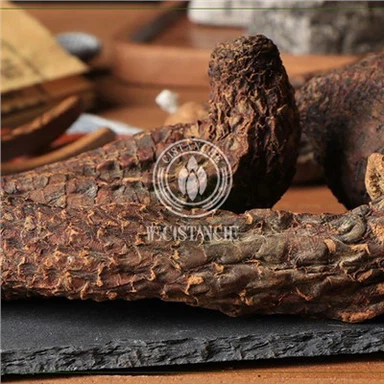
How Cistanche Targets Inflammation And Cell Death in Chronic Prostatitis: A Natural Multi-Pathway Solution
Aug 06, 2025
🧠 Discussion
1. Chronic Prostatitis: A Growing Public Health Burden with Limited Solutions
With the transformation of modern lifestyles, the incidence of chronic prostatitis (CP) has steadily increased-particularly Type III CP, which accounts for over 90% of all cases. Patients commonly suffer from:
Persistent pelvic pain
Urinary dysfunction
Sexual disorders
Psychological comorbidities such as anxiety and depression
Current standard treatments, including α-blockers, antibiotics, and non-steroidal anti-inflammatory drugs (NSAIDs), often fail to achieve long-term symptom relief, or provide only temporary improvement with high recurrence rates. This has led to low patient satisfaction and a demand for alternative solutions.
2. A Multi-Herbal Cistanche-Based Formula: Traditional Logic, Modern Science
The formulation evaluated in this study was based on the TCM pattern of "damp-heat with blood stasis in the lower burner", traditionally linked to prostate and seminal tract inflammation. Cistanche deserticola, as the principal herb, is traditionally used to:
Tonify the kidney yang
Support sexual function
Promote blood flow
Reduce inflammatory heat
It was combined with other herbs that:
Clear heat and dampness (e.g., Phellodendron)
Promote urination and detoxification
Relieve pain and modulate immunity
This herbal synergy forms the theoretical and clinical basis for its application in non-bacterial prostatitis.
3. Focus on the NLRP3 Inflammasome and Pyroptosis
Recent pharmacological research has shifted attention toward:
Immune dysregulation
Oxidative stress
Pelvic neuromuscular dysfunction
Psycho-neuro-immunological connections
Among these, the overactivation of inflammatory cytokines, particularly IL-1β and IL-18, plays a central role in CP pathogenesis. These cytokines, when secreted in excess, can:
Trigger prostate inflammation
Correlate with symptom severity and chronicity
Their release is closely associated with the activation of the NLRP3 inflammasome, a multiprotein complex that initiates pyroptosis - a highly inflammatory form of programmed cell death.
🧬 Pyroptosis is characterized by:
Loss of membrane integrity
DNA damage
Release of pro-inflammatory contents (e.g., LDH, IL-1β, IL-18)
The NLRP3 inflammasome activates Caspase-1, which in turn:
Cleaves pro-IL-1β and pro-IL-18 for secretion
Cleaves Gasdermin D (GSDMD), forming membrane pores that lead to cell lysis and inflammatory amplification
4. Mechanistic Insight: How Cistanche-Based Formulation Works
✅ Animal Study Highlights
The formula reversed epithelial damage, reduced immune cell infiltration, and improved prostate histopathology
It significantly reduced serum IL-1β and IL-18 (P<0.01), indicating anti-inflammatory activity
Oxidative stress markers improved:
↓ MDA (lipid peroxidation)
↑ SOD and GSH-Px (antioxidant enzymes)
NLRP3 expression was downregulated, confirmed via immunohistochemistry and Western Blot
Protein levels of NLRP3, Caspase-1, and GSDMD were all significantly reduced compared to the untreated model group
📌 These results suggest that the Cistanche-based formula inhibits inflammasome activation, thereby preventing pyroptosis-induced tissue damage.
✅ Cellular Study Highlights
In LPS/ATP-induced pyroptosis models using RWPE-1 cells, the formula:
Reduced PI uptake (a marker of membrane rupture)
Suppressed Caspase-1 activation
Decreased LDH release, IL-1β, and IL-18 in supernatants
Downregulated NLRP3, Caspase-1, and GSDMD protein expression
Compared with the NLRP3 inhibitor MCC950, the Cistanche serum-treated group showed comparable suppression of pyroptotic signaling, further indicating that the herbal formula targets the NLRP3-Caspase-1-GSDMD axis.
5. A Multi-Level Mechanism of Action
| Pathway | Effect of Cistanche-Based Formula |
|---|---|
| 🔬 NLRP3 Inflammasome | Inhibited expression and assembly |
| 🔥 Caspase-1 Activation | Significantly downregulated |
| 💥 GSDMD Cleavage | Reduced pore formation, blocked pyroptosis |
| 🧬 IL-1β / IL-18 | Reduced systemic and local release |
| ⚡ Oxidative Stress | Decreased MDA, increased SOD and GSH-Px |
This dual action - anti-inflammatory + antioxidant - provides a comprehensive protective effect on prostate tissues and may explain the sustained symptom relief observed in clinical practice.
✅ Conclusion
This study provides strong in vivo and in vitro evidence that a Cistanche-based botanical formula alleviates chronic prostatitis by:
Suppressing the NLRP3 inflammasome-mediated pyroptosis pathway
Reducing pro-inflammatory cytokine release
Enhancing antioxidant defense
Protecting prostate tissue integrity
🧠 These findings not only validate traditional TCM theory (e.g., clearing damp-heat, tonifying kidney yang, resolving stasis), but also offer a scientifically grounded mechanism for future product development and clinical translation.