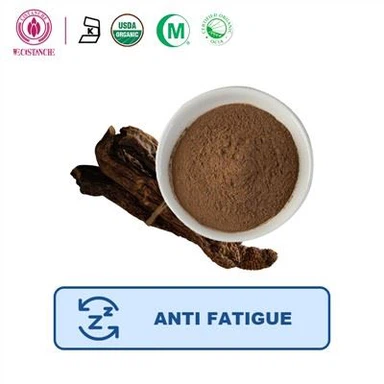
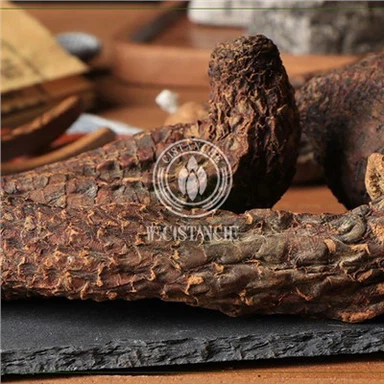
A New Exploration Of The Kidney-Tonifying Mechanism Of Cistanche: Its Modern Biological Correspondence To “Kidney Essence Reserve”
Nov 24, 2026
1. Introduction: Why "Kidney Tonification" Needs to Be Re-understood
Herba Cistanche (Rou Cong-Rong) is the dried fleshy stem with scaly leaves of Cistanche deserticola Y. C. Ma or Cistanche tubulosa (Schenk) Wight, belonging to the Orobanchaceae family. Its traditional actions are to tonify kidney yang, supplement essence and blood, and moisten the intestines to promote bowel movement; it was first recorded in Shennong Bencao Jing (Shennong's Classic of Materia Medica) and listed as a superior grade medicinal[6]. Previous explanations of its "kidney-tonifying" effect have mostly followed such lines as warming yang and promoting heat production, moistening the intestines to relieve constipation, meridian tropism and tissue distribution, or an overview of active constituents. This paper does not repeat those pathways. Instead, it adopts a line of reasoning that connects more readily with modern life sciences: in modern terms, the "kidney essence" (shen jing) described in traditional Chinese medicine (TCM) corresponds more closely to the body's reserve capacity in reproduction, repair, anti-aging, and endocrine regulation; the so-called action of Cistanche in "tonifying the kidney and supplementing essence" may operate by maintaining several key links in this reserve chain.

Effects of Cistanche: Improve Kidney Function
A boundary must be drawn at the outset: the TCM "kidney" is a functional system covering reproduction, urination, fluid metabolism, bone and marrow development, and emotional regulation; it is not equivalent to the bilateral anatomical kidneys. Likewise, "deficiency of kidney essence" is not the same as chronic kidney disease in modern medicine. Except where stated otherwise, the modern mechanistic evidence discussed here comes mostly from animal experiments and in vitro cell studies, and cannot be equated with effects already proven in humans. The content presented here is a research-oriented review of a medicinal and food homologous substance, and does not constitute diagnosis, treatment, or medication advice.
2. Conceptual Bridging: "Kidney Essence" as a Reserve-Type Physiological Capital
2.1 The Traditional Notions of "Storing" and "Governing Reproduction"
In traditional theory, the kidney "stores essence" and governs growth, development, and reproduction; it stores rather than discharges. Essence is both the congenital foundation inherited at birth and something continuously nourished by acquired grain and dietary nutrients. When kidney essence is sufficient, reproductive capacity, bone and tendon strength, mental capacity, and energy have a stable source; when kidney essence is deficient, manifestations may include aching and weak knees and loins, declining energy, reduced reproductive capacity, and premature aging. The core of this description is that the body's foundation for reproduction and repair is understood as a reserve that can be consumed and also gradually replenished, rather than the function of a single isolated organ.

Effects of Cistanche: Improve Kidney Function
Click here to view Cistanche for Kidney disease products
【Ask for more】 Email:cindy.xue@wecistanche.com / WhatsApp: 0086 18599088692 / WeChat: 18599088692
2.2 Three Types of Reserve in a Modern Perspective
Translating "reserve" into modern biological language, it can be decomposed into at least three interlinked chains. The first is the renewal, differentiation, and repair capacity of germ cells and gonadal tissue, that is, tissue-level reserve. The second is the sensitivity and buffering capacity of endocrine feedback systems such as the hypothalamic-pituitary-gonadal (HPG) axis, that is, regulatory-level reserve. The third is the cell's defense capacity against oxidative damage, inflammatory accumulation, and the aging process, that is, molecular and cellular reserve. Contemporary research evidence on Cistanche is largely distributed at the intersections of these three chains. Understanding this helps avoid reducing "kidney tonification" to simply raising a single hormone value, while ignoring the more foundational tissue repair and homeostasis links behind it.
3. Reserve Link One: Repair of Reproductive Stem Cells and Gonadal Tissue
3.1 Female Direction: Germline Stem Cell Differentiation and Ovarian Reserve
In the female reproductive direction, recent research has focused on the effect of Cistanche polysaccharides on the differentiation of female germline stem cells (FGSCs). Studies have shown that Cistanche deserticola polysaccharides can promote the differentiation of female germline stem cells toward the oocyte lineage through the BMP/SMAD signaling pathway while maintaining their self-renewal capacity in vitro; in models related to premature ovarian insufficiency, this class of constituents has been observed to help alleviate ovarian damage and improve follicle- and hormone-related indices[2]. Reviews further indicate that Cistanche and its constituents, in improving reproductive outcomes, act on multiple links, including ovarian cortical repair, follicular integrity, and inhibition of granulosa cell apoptosis[5].
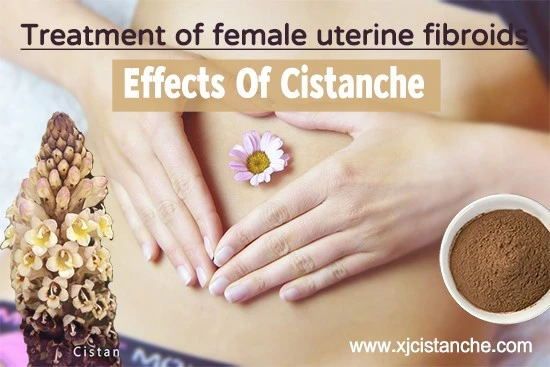
Effects of cistanche-Treatment of climacteric syndrome
From the perspective of "kidney essence reserve," the significance of this direction does not lie in directly producing oocytes, but in maintaining the cellular basis on which gonadal tissue relies for renewal and repair: when the balance between differentiation and self-renewal is disrupted by chemical injury, oxidative stress, or aging, the ability to regulate that balance is itself a form of protecting long-term reserve. It should be emphasized that the above conclusions are mostly based on model animals or in vitro culture systems, and there remains a considerable distance to clinical application in human ovarian reserve decline.
3.2 Male Direction: Spermatogenic Cell Protection and Gonadal Injury Repair
In the male reproductive direction, research has concentrated on the protection of spermatogenesis by Cistanche extracts and their phenylethanoid glycoside constituents. A study on hypoxia-induced male reproductive damage found that Cistanche extract could reduce oxidative injury to germ cells and interstitial cells under hypoxic conditions by enhancing endogenous antioxidant enzyme activity and reducing the accumulation of reactive oxygen species (ROS), thereby improving epididymal sperm count and cell morphology[3]. In other spermatogenesis impairment models, Cistanche phenylethanoid glycosides have been observed to raise testosterone levels in testicular tissue and participate in protecting spermatogenesis-related cells and structures[1,5].

Effects of Cistanche-Improve kidney function
Placing this evidence back into the reserve framework: spermatogenesis is a continuously renewed process highly sensitive to oxidative damage; its cell membranes are rich in polyunsaturated fatty acids and have limited self-repair capacity. The tendency of Cistanche-related constituents to "reduce damage and maintain renewal" at this link echoes functionally with the traditional notion of "supplementing essence." Its action, however, is protective and supportive, rather than replacing the body's own physiological processes.
3.3 Division among Constituents: Glycosides and Polysaccharides Have Different Emphases
Available studies suggest that different classes of Cistanche constituents may emphasize different reproductive-related links: phenylethanoid glycosides (represented by echinacoside and acteoside) appear more often in studies of antioxidant, anti-inflammatory, and steroidogenesis-related pathways; polysaccharides have received attention in directions such as stem cell differentiation and immunomodulation[2,4]. This "one herb, multiple directions" structure is consistent with the multi-target, multi-link regulatory character seen in the TCM formula perspective. It should also be noted that C. deserticola and C. tubulosa differ in origin, host plant, and constituent profile; results obtained in one species or one model cannot be directly transferred to another species or to human populations.

Phenylethanol glycoside is the main active component of Cistanche tubulosa
4. Reserve Link Two: The Buffering Space of the Endocrine Feedback Axis
Reproductive and gonadal function are not determined by the testes or ovaries alone, but are regulated through feedback of the HPG axis. Review literature indicates that Cistanche participates in regulating the HPG axis and related hypothalamic-pituitary-adrenal axis systems, showing a comparatively smooth and balanced profile rather than a vigorous one-way stimulation[1]. In perimenopausal-related model studies, Cistanche phenylethanoid glycosides have been observed to affect serum sex hormones, gonadotropins, and corresponding receptor levels, suggesting possible involvement in maintaining endocrine homeostasis through feedback regulation[1].
Understood through the concept of reserve, endocrine "reserve" is reflected in the sensitivity and buffering space of the feedback loop: when reserve is sufficient, hormone levels can be smoothly regulated within a broad range according to physiological needs; when feedback links are under long-term pressure, regulatory capacity may already have declined even if a single measured value appears acceptable. The bidirectional, smooth regulatory tendency shown in Cistanche-related studies is consistent with this idea of "maintaining buffering space." It must be pointed out, however, that current evidence on axis regulation remains mainly preclinical, and results are not fully consistent across models, constituents, and doses; it cannot be inferred that this material has hormone-replacement effects or treats endocrine diseases.
5. Reserve Link Three: Oxidative Stress, Inflammation, and the Aging Clock
5.1 Oxidative Damage Is a Shared Pathway for the Loss of Reproductive and Tissue Reserve
Whether in germ cells, gonadal tissue, or endocrine regulatory function, reserve loss often passes through the shared pathway of oxidative stress: excess ROS can damage cell membranes, nucleic acids, and proteins, triggering apoptosis and tissue degeneration. The phenylethanoid glycosides abundant in Cistanche have shown antioxidant, free radical-scavenging, and anti-apoptosis tendencies in multiple studies, and have been linked to antioxidant defense pathways such as Nrf2; polysaccharide constituents have been reported to have immunomodulatory and anti-aging-oriented activities[3,4]. Such actions maintain the cell's foundational capacity to resist injury, a link further upstream in the reserve chain.

Desert living cistanche-Antioxidant
5.2 Immunosenescence and the Overall Aging Rhythm
In the context of overall aging, earlier studies observed that C. deserticola extract could antagonize immunosenescence and affect survival-related indices in accelerated-aging model animals[4]. At the cellular and molecular level, telomere length, telomerase activity, and immune status are commonly used as aging-clock indicators; some in vitro studies have suggested that Cistanche glycosides may influence the directional change of telomerase activity. However, this evidence chain is still incomplete: results in in vitro cell lines cannot be directly extrapolated to human longevity or anti-aging effects, and the causal relationship between telomeres and Cistanche requires more rigorous in vivo validation.

Desert ginseng-Improve immunity
5.3 Correspondence and Distance from the Description of "Essence Declining with Age"
Traditional theory holds that kidney essence gradually declines with age, with corresponding changes in bones and tendons, mental capacity, and reproductive function. Modern aging research decomposes this process into measurable mechanistic links such as oxidative accumulation, inflammatory state, stem cell exhaustion, telomere attrition, and immunosenescence. The two can dialogue at the macro level of "age-related reserve decline," but they are not equivalent in evidence strength: the traditional description derives from long-term clinical observation and theoretical induction, while modern mechanisms mostly remain at the model and in vitro stages. Placing them side by side serves to propose testable research directions, rather than endorsing traditional conclusions with modern terminology.
6. An Integrated View: A Possible Model of Cistanche Maintaining the Reserve Chain
Synthesizing available data, the modern correspondence of Cistanche's "tonifying the kidney and supplementing essence" can be summarized as a three-layer superimposed reserve-maintenance model. At the tissue layer, related constituents may participate in balancing germline stem cell differentiation and supporting repair after gonadal injury. At the regulatory layer, their action tends to maintain the smoothness and buffering capacity of the endocrine feedback axis. At the molecular layer, antioxidant, anti-inflammatory, and anti-apoptotic activities protect cells from sustained injury. The three layers influence one another: reduced molecular-level oxidative pressure favors tissue-level cell survival and renewal; intact tissue structure in turn provides a stable target-organ basis for endocrine regulation.
This model can explain why Cistanche was traditionally regarded as "nourishing without being harsh": it is closer to multi-link support of the reserve chain rather than a powerful pull on a single index. It must also be seen clearly that existing evidence is mostly preclinical; species, constituent doses, extraction methods, and models differ, and conclusions cannot simply be added together. The constituent differences among different Cistanche origins, as well as oral absorption and gut microbial metabolism, have not yet been fully elucidated.
7. Applicability Boundaries, Safety Notes, and Research Limitations
7.1 Pattern Differentiation and Applicable Population
In traditional use, Cistanche is sweet, warm, and moist in quality, and is mainly used for aching and weak knees and loins, weak sinews and bones, and dry-intestine constipation caused by kidney yang insufficiency and essence and blood deficiency. Traditional contraindications and caution groups include those with yin deficiency with effulgent fire, loose stools, and constipation due to heat accumulation; pregnant and breastfeeding women, children, and individuals with definite underlying diseases should use it under the guidance of a qualified physician or pharmacist, and should not take it on their own in large amounts for prolonged periods.

Cistanche tubulosa is safe
7.2 Evidence Limitations
The mechanistic evidence cited here consists mainly of animal experiments, in vitro cell studies, and reviews; high-quality human randomized controlled trials remain limited. Existing results mostly point to a "protective tendency in injury models" and are insufficient to support supplementation recommendations for healthy people, let alone replace formal medical treatment. As a medicinal and food homologous substance, its daily use should pay attention to origin, source, extraction specification, and constituent content; different products cannot be treated as equivalent.
7.3 Key Questions for Future Research
Future research needs to answer more specific questions: in humans, in what form and at what exposure level do related constituents reach target tissues; whether metabolites of glycosides hydrolyzed by gut microbiota are the truly active portions; how different origins, medicinal parts, and processing methods affect the constituent profile and activity; and whether repeatable, clinically meaningful improvement exists in concrete settings such as declining ovarian reserve, spermatogenesis impairment, and perimenopause. Until these questions are answered, the understanding of Cistanche's "kidney-tonifying" mechanism should remain cautious.
8. Conclusion
Taking "kidney essence reserve" as the entry point, this paper maps the kidney-tonifying mechanism of Cistanche onto three modern research levels: reproductive stem cell and gonadal repair, endocrine feedback buffering, and oxidative stress and the aging clock. Different from previous lines starting from heat production, intestinal laxation, meridian tropism and distribution, or constituent overview, this perspective emphasizes the reserve attribute and multi-link superimposed character of Cistanche's action. Existing preclinical data suggest that related constituents may play supportive roles in tissue repair, endocrine homeostasis, and cellular defense, but the evidence strength is limited, and the TCM "kidney" cannot be equated directly with the anatomical kidney, nor can traditional efficacy be equated directly with clinical therapeutic effect. High-quality human studies and a clear correspondence among constituent, dose, and outcome are still required to advance this reserve model from hypothesis to a verifiable conclusion.
References
[1] Li Z, Lin H, Gu L, Gao J, Tzeng C-M. Herba Cistanche (Rou Cong-Rong): One of the Best Pharmaceutical Gifts of Traditional Chinese Medicine[J]. Frontiers in Pharmacology, 2016, 7: 41. DOI: 10.3389/fphar.2016.00041.
[2] Qiu Y, et al. Cistanche deserticola polysaccharides enhance female germline stem cell differentiation through BMP/SMAD signaling to mitigate premature ovarian failure[J]. International Journal of Biological Macromolecules, 2025, 304(Pt 2): 140848. DOI: 10.1016/j.ijbiomac.2025.140848.
[3] Yan F, Dou X, Zhu G, Xia M. Cistanoside of Cistanche Herba ameliorates hypoxia-induced male reproductive damage via suppression of oxidative stress[J]. American Journal of Translational Research, 2021, 13(5): 4342-4359.
[4] Liu X, Yang Z, Han M, Zhang Y, Muhammad H, Zhong H, Guan R. Bioactive Components, Pharmacological Properties, and Applications of Cistanche deserticola Y. C. Ma: A Comprehensive Review[J]. Nutrients, 2025, 17(9): 1501. DOI: 10.3390/nu17091501.
[5] Li Y, Guo L, Xu P, Du H, Lin N, Xu Y, et al. The role of Cistanches Herba and its ingredients in improving reproductive outcomes: A comprehensive review[J]. Phytomedicine, 2024, 129: 155681. DOI: 10.1016/j.phymed.2024.155681.
[6] Chinese Pharmacopoeia Commission. Pharmacopoeia of the People's Republic of China (Volume I)[S]. Beijing: China Medical Science Press, 2020.