Apocynin Ameliorates Monosodium Glutamate Induced Testis Damage By Impaired Blood-Testis Barrier And Oxidative Stress ParametersⅠ
May 30, 2023
Abstract:
Background: This study aimed to investigate the effects of apocynin (APO) on hormone levels, the blood-testis barrier, and oxidative biomarkers in monosodium glutamate (MSG) induced testicular degeneration. Methods: Sprague Dawley male rats (150–200 g; n = 32) were randomly distributed into four groups: control, APO, MSG, and MSG + APO. MSG and MSG + APO groups were administered MSG (120 mg/kg) for 28 days.

Click to cistanche herba for testosterone
Moreover, the APO and MSG + APO groups received APO (25 mg/kg) during the last five days of the experiment. All administrations were via oral gavage. Finally, biochemical analyses were performed based on the determination of testosterone, follicle-stimulating hormone (FSH), luteinizing hormone (LH), malondialdehyde (MDA), glutathione (GSH), and superoxide dismutase (SOD), as well as light and transmission electron microscopic examinations, assessment of sperm parameters, ZO-1, occludin, NOX-2, and TUNEL immunohistochemistry were evaluated.
Results: MSG increased both the oxidative stress level and apoptosis, decreased cell proliferation, and caused degeneration in testis morphology including in the blood-testis barrier. Administration of apocynin reversed all the deteriorated morphological and biochemical parameters in the MSG + APO group. Conclusions: apocynin is considered to prevent testicular degeneration by maintaining the integrity of the blood-testis barrier with balanced hormone and oxidant/antioxidant levels.
Keywords: monosodium glutamate; apocynin; NOX-2; blood-testis barrier; ultrastructure
1 Introduction
The widely used L-glutamic acid, as an additive, occurs naturally in a variety of foods and is the source of the flavor enhancer, monosodium glutamate (MSG) [1]. Many processed foods contain MSG as an additive, with an average daily intake in European industrialized nations as 0.3 to 1.0 g. [2]. Even though MSG consumption is considered safe by food safety organizations, it is still questioned in several preclinical and clinical studies, especially its long-term exposure. Among the physiological functions of glutamate is its neurotransmitter property in the central nervous system, as a precursor of metabolites such as glutathione [1].
Long-term consumption of MSG has been shown to have negative effects on the male reproductive system. Studies have shown that long-term consumption of MSG decreases sperm count in males and affects the morphological structure of sperm and the testes [3]. The majority of the research cited previously focused primarily on the toxicity of MSG in rats at doses of 2000–8000 mg/kg body weight, which is extremely unlikely for humans at this level [4].
Allometric conversion by Shin et al. [5] showed this dose to be equivalent to 120 mg/kg body weight in rats. There are a significant number of glutamate receptors in the reproductive organs and sperm, making them susceptible to excitation damage from excess glutamate in the body. This makes the reproductive system a frequent target for glutamate-induced damage. In addition, glutamate toxicity is known to directly damage the hypothalamic–pituitary–gonadal axis, leading to a homeostatic imbalance in reproduction [6].
MSG has resulted in oxidative damage (increased lipid peroxidation and decreased antioxidant enzyme activities) and spermatogenic changes manifested by low sperm count and morphological abnormalities [3]. Therefore, we studied the effects of oral consumption of MSG on rats when they ingested a moderate dose extrapolated directly from the daily intake in humans. This MSG dose effect on rat testicular morphology was also observed in experimental studies [3,7].
The overproduction of reactive oxygen species (ROS) triggers oxidative stress and apoptosis. Due to their reactive structures, free radicals can interact with lipids, nucleic acids, and proteins and have harmful effects on the body [8]. Oxidative stress, induced by ROS, is known to play an important role in male infertility [9]. Studies have shown that NADPH oxidase (NOX) is one of the main sources of ROS [10]. Excessive ROS and oxidative stress in the male reproductive system cause negative changes in sperm concentration, motility, and morphology. Degenerated sperm and impaired semen parameters lead to infertility [11]. ROS causes male infertility due to DNA damage in the sperm [12]. Oxidative stress compromises the integrity of the plasma membrane of sperm and induces early capacitation.
As a result, the fertilizing ability of sperm decreases and infertility occurs [13]. Apocynin (APO), extracted from the roots of the plant Apocynum cannabinum, is known to be effective as an inhibitor of NOX [14]. The anti-inflammatory effect of APO has been demonstrated in many experimental studies [15]. NOX activation occurs through the migration of cytosolic components to the cell membrane [16,17]. APO acts as a selective inhibitor of ROS production by acting on NOX activity in active human neutrophils.
However, APO does not affect phagocytosis or other mechanisms of intracellular death [18,19]. NOX isoforms are expressed in various cells and have different physiological functions. NOX-2 is an isoform of NOX, which is present in eosinophils, macrophages, and neutrophils [20]. The spermatogenic cells are connected and the Sertoli cells. This dynamic relationship is regulated by tight junctions and gap junctions [21]. The tight junctions between the Sertoli cells are important for the formation and function of the blood-testis barrier (BTB).

The structure of the BTB includes tight junctions, desmosomes, basal ectoplasmic specializations, and gap junctions. Tight junctions of epithelial origin are multimolecular membrane specializations that contain multiple integral membrane proteins such as zonula occludens-1 (ZO-1) and occludin [21]. Occludins are one of the molecules contributing to the formation of tight junctions. Zonula occludens proteins such as zonula occludens-1 (ZO-1), ZO-2, and ZO-3 are important proteins involved in this structure. Occludin, ZO-1, and ZO-3 interact with the actin cytoskeleton. The protein ZO-3 is associated with the cytoplasmic domains of ZO-1 and occludin [22].
Oxidative stress occurs when there are not enough antioxidants against free radicals. A decrease in the activity of antioxidant enzymes such as superoxide dismutase (SOD) and glutathione (GSH) levels leads to an increase in oxidative damage [23]. Malondialdehyde (MDA), a parameter of cell membrane damage, indicates the density of oxygen radical attack in reactive cells and free radical metabolism in vivo. Decreased SOD and increased MDA trigger oxidative stress and cause cell damage, resulting in cell death [24]. Studies indicated NOX-2 as the source of ROS [20,25]. APO, a potent NOX-2 inhibitor [26], could be effective in the inhibition of NOX-2 to prevent tissue damage due to oxidative stress.
The administration of APO could have a curative effect on oxidative stress parameters and histopathological damage. This study aimed to evaluate the effects of MSG on testicular tissue damage, cell proliferation, apoptosis, and oxidative stress indicated by the expression of NOX-2 and on the blood-testicular barrier. In addition, the study aimed to investigate whether apocynin can improve the effects on all these parameters.
2. Materials and Methods
2.1. Experimental Design
This experimental study was approved by the Ethics Committee of Acibadem Mehmet Ali Aydinlar University Experimental Animals (ACU-HADYEK, Approval number: HDK2020/39). In this study, 8-week-old Sprague Dawley male albino rats (n = 32) were kept in cages with a temperature of 22 ± 2 ◦C and a standard light/dark (12:12 h) cycle. Rats were fed with standard animal food ad libitum for 28 days of the experimental period. This research was conducted by the guidelines and regulations of ARRIVE (Animal Research: Reporting of In Vivo Experiments). In this study, Sprague Dawley male rats (n = 8 in each group) were randomly divided into 4 groups control, APO, MSG, and MSG + APO. Distilled water (1 mL) was given to the control group of rats by oral gavage for 28 days. The MSG and MSG + APO groups were administered 120 mg/kg MSG by oral gavage for 28 consecutive days [4]. The APO and the MSG + APO groups were administered 25 mg/kg APO by oral gavage on the last 5 days of the experiment [27]. The weights of the rats in the experimental groups were analyzed weekly. After isoflurane anesthesia, the rats were sacrificed. Blood samples, as well as testicular and epididymis tissue samples, were used for biochemical and microscopical evaluations.
2.2. Measurement of Serum Testosterone, FSH, and LH Concentrations
Serum testosterone, follicle-stimulating hormone (FSH), and luteinizing hormone (LH) concentrations were measured by using enzyme-linked immunosorbent assay (ELISA) kits. Rat testosterone (Catalog no: EA0023Ra, ELISA kit Bioassay Technology Laboratory), Rat FSH (Catalog no: EA0015Ra, Bioassay Technology Laboratory, Shanghai, China), and Rat LH ELISA (Catalog no: EA0013Ra, Bioassay Technology Laboratory) kits were used for hormone levels analysis according to the kit procedure. Testosterone results were given as nmol/L and FSH and LH were given as mIU/L
2.3. Measurement of Testicular MDA, GSH, and SOD Levels
MDA levels were determined using a commercial kit (E-BC-K025-M, Elabscience, Houston, TX, USA). MDA, one of the degradation products of lipid peroxidation, reacts with Thiobarbituric acid (TBA) to form a pink complex with an absorption maximum of 532 nm. The MDA levels in the tissue were calculated in nmol/g. GSH analysis in testicular tissue was performed according to the Beutler method [28]. The principle of the method is based on the fact that GSH in the analysis tube reacts with 5,50 -dithiobis-2-nitrobenzoic acid (DTNB) to give a yellowish color. The light intensity of this color was read in the spectrophotometer at a wavelength of 410 nm. The tissue homogenates were centrifuged, and a 10% TCA solution was added to the obtained supernatant, mixed, and centrifuged again to precipitate the proteins. The brightly colored supernatants were used for GSH analysis. The intensity of the color formed in the samples kept at room temperature for 5 min was read at 410 nm in the spectrophotometer, and the GSH levels in µmol/g in the tissue were determined using the glutathione standard curve. SOD activity was determined using the Sigma SOD Determination Kit (E-BC-K019-M, Elabscience, Houston, TX, USA). Absorbance values were read at 450 nm after incubating SOD activity with an enzyme-working solution. The SOD levels in the tissue were calculated in IU/g
2.4. Sperm Count, Motility, and Morphology
Epididymal tissue samples from rats were placed in an Earle’s Balanced Salts solution with a Hepes buffer solution and processed for analysis of sperm count, motility, and morphology based on a previous study [27]. Briefly, epididymis tissue samples of rats were transferred into an Earle’s Balanced Salts solution with Hepes buffer solution added to them following dissection. A routine density gradient method was used to evaluate the spermatozoa. The supernatant was removed, and the pellet was diluted with a spermatozoa washing medium (SAGE, Newcastle upon Tyne, UK) and centrifuged. Then the pellet was diluted with a sperm preparation medium (SAGE, UK). The 10 µm pellet was used to count spermatozoa in a Macler counting chamber (Sefi cut out Medical Instruments, Haifa, Israel) with a photomicroscope to count them. For morphological evaluation, smears were prepared and then stained using the Diff-Quick kit (Medion Diagnostics, Grafelfing, Munich, Germany). In each slide, 100 spermatozoa were examined at 100× magnification with a photomicroscope (Zeiss A1 Axio Scope, Oberkochen, Germany) to evaluate the sperm morphology.
2.5. Tissue Processing for Light Microscopy
Testicular tissues were fixed with the Bouin solution for routine histological examinations. For immunohistochemical examinations, testicular tissues were fixed with a 4% paraformaldehyde (PFA) solution. Following fixation, the tissues underwent routine a paraffin embedding procedure [29]. Haematoxylin and eosin (H&E) stain was applied to the sections for routine histological evaluation. A periodic acid-Schiff (PAS) reaction was applied to reveal the structure of the basal membranes of seminiferous tubules. Seminiferous tubules in H&E-stained testicular sections were scored based on modified Johnsen’s histopathological scoring parameters [30,31]. In addition, the epithelial thicknesses of 100 seminiferous tubules were measured in all sections using Image J (Image J software, National Institutes of Health) program.

2.6. Terminal Deoxynucleotidyl Transferase dUTP Nick End Labelling (TUNEL) Immunochemistry
The terminal deoxynucleotidyl transferase dUTP nick end labeling (TUNEL) method was applied to testicular tissue sections according to the kit‘s instruction manual given by the manufacturer (ApopTag Plus, In Situ Apoptosis Detection Kit, S7101, Merck Millipore, Darmstadt, Germany). In brief, after deparaffinization and rehydration, the sections were washed in PBS and then heated in a microwave oven in a citrate buffer. After cooling, proteinase K (20 µg/mL) was dripped onto the tissue sections. The sections were washed in distilled water and soaked in a 3% hydrogen peroxide-prepared solution. After washing in PBS, a 10 µL stabilizing tampon was placed on the sections for 30 min at room temperature. Then, 10 µL Tdt enzyme was dripped, and sections were incubated for 1 h at 37 ◦C. The stop-wash buffer was dripped for 10 min at room temperature. After washing with PBS, 13 µL of anti-digoxigenin was dripped onto the sections. After incubating at room temperature for 30 min, sections were washed 4 times for 2 min in PBS. Then, 13 µL 3,3’-Diaminobenzidine (DAB) solution was dripped. Then, the sections were shaken with distilled water. For contrast staining, the sections were soaked in Mayer hematoxylin solution (J.T Baker, Center Valley, PA, USA). After washing in distilled water sections were mounted with Italian. Sections were imaged with a light microscope (Zeiss A1 Axio Scope, Oberkochen, Germany). The apoptotic index was estimated by dividing the total number of testicular tubules by the number of seminiferous tubules with 3 or more TUNEL-positive cells [32].
2.7. Proliferating Cell Nuclear Antigen (PCNA) Immunohistochemistry
Sections were subjected to PCNA immunohistochemistry to determine the number of proliferative cells and the proliferation index. After deparaffinization and rehydration, the sections were processed for PCNA immunohistochemistry as described in a previous study [32]. In brief, the sections were stored in a 3% hydrogen peroxide solution (Sigma-Aldrich, St. Louis, MO, USA) for 20 min. The sections were heated in a microwave oven at 200 W in ethylenediaminetetraacetic acid (EDTA) buffer (Sigma-Aldrich, USA) for 20 min. After washing with PBS 3 times, the sections were soaked in a 5% goat serum-blocking solution (Invitrogen, Waltham, MA, USA) for 10 min. Then, the primary rabbit anti-PCNA antibody (Catalog no: SY12-07, Novus Biologicals, Littleton, CO, USA) (1:50) was applied. Sections were kept in a humidified chamber at 4 ◦C overnight and washed 3 times with PBS for 5 min each time. Biotin-labeled goat anti-rabbit secondary antibody (Catalog no: A16100, Invitrogen, Waltham, MA, USA) (1:500) was dropped onto the sections and kept at 37 ◦C for 30 min. Streptavidin peroxidase (Invitrogen, Waltham, MA, USA) was instilled into the sections and left for 10 min. After washing 3 times with PBS, the sections were soaked in 3,30 -diaminobenzidine (DAB) chromogen (1 mL DAB substrate + 30 µL DAB chromogen) for 5 min. After washing with distilled water, the sections were stained with Mayer’s hematoxylin solution for contrast staining. The sections were then mounted with Kaiser’s glycerol gelatin (Catalog no: 1.09242, Sigma-Aldrich, Darmstadt, Germany). The sections were examined under a light microscope (A1 Axio Scope, Oberkochen, Zeiss, Germany). To determine the proliferation index, the number of PCNA-positive cells in 20 tubules in each section was divided by the total number of cells [32].
2.8. Immunohistochemistry of ZO-1 and Occludin
The 4% PFA-fixed tissue sections were deparaffinized and rehydrated with alcohol solutions. Sections were then soaked in a 3% hydrogen peroxide solution (Sigma-Aldrich, St. Louis, MO, USA) for 20 min to block endogenous enzymes. After washing with PBS, the sections were heated in a microwave at 200 W in an EDTA buffer (Sigma-Aldrich, St. Louis, MO, USA). The sections were cooled for 30 min at room temperature and stored 3 times for 5 min each in PBS followed by 10 min in 10% buffered goat serum (Invitrogen, USA). The sections were treated with rabbit anti-ZO-1 (Catalog no: 61-7300, Invitrogen, Waltham, MA, USA) and rabbit anti-occludin (1:100) (Catalog no: 71-1500, Invitrogen, Waltham, MA, USA) antibodies (overnight, at +4 ◦C). After washing 3 times in PBS for 5 min, a biotin-labeled antirabbit secondary antibody (Catalog no: 65-6140, Invitrogen, Waltham, MA, USA) (1:1000) was dropped onto the sections. After soaking in PBS 3 times and 5 min, streptavidin-peroxidase (Invitrogen, Waltham, MA, USA) was applied to the sections. After washing in PBS, AEC Single/Plus Chromogen (Abcam, Cambridge, UK) was dropped on, and sections were shaken with distilled water and mounted with Kaiser’s glycerol gelatin (Catalog no: 1.09242, Sigma-Aldrich, Darmstadt, Germany). Sections were imaged using a light microscope (A1 Axio Scope, Oberkochen, Zeiss, Germany). The intensity of immunoreactivity of both ZO-1 and occludin was calculated using the Image J program (1.44 software, National Institutes of Health).
2.9. ZO-1, Occludin and NOX-2 Immunofluorescence Analysis
The sections were kept in 3% hydrogen peroxide and washed with PBS. Then, sections were incubated with rabbit anti-ZO-1(1:100) ZO-1(Catalog no: 61-7300, Invitrogen, Waltham, MA, USA), rabbit anti occludin (1:100) (Catalog no: 71-1500, Invitrogen, USA), and rabbit anti-NOX-2 primary antibodies (1:100) (Catalog no: NBP2-41291, Novus, BioTechne, Minnesota, USA). Slides were washed with PBS and then incubated with AF 488 (Catalog no: ab150077, Abcam, USA) labeled goat antirabbit secondary antibody (1:1000). After the sections were washed with PBS for the last time, they were mounted with a 406- diamino-2-phenyl idol (DAPI) solution (Catalog No: ab104139, Abcam, Boston, MA, USA). The sections were imaged with a fluorescence microscope (Zeiss Axio Scope.A1 microscope with fluorescence attachment Zeiss AxioCam MRc 5 camera). The fluorescence intensity in the photographed sections was calculated using the Image J (Image J software, National Institutes of Health) program.
2.10. Tissue Processing for Transmission Electron Microscopy
Testis tissue samples were fixed with buffered 2.5% glutaraldehyde solution (in 0.1 M PBS, pH 7.2) and processed for routine transmission electron microscopical preparation according to the previously published protocol [32]. Sections were analyzed under a transmission electron microscope (TALOS L 120 C, Thermo Scientific Fisher, Eindhoven, The Netherlands).
2.11. Statistical Analysis
Data were analyzed with one-way ANOVA and Tukey’s multiple comparison tests with p < 0.05 considered significant. Statistical analysis was performed using Graph Pad Prism 8.0 (San Diego, CA, USA).
How does Cistanche boost testosterone?
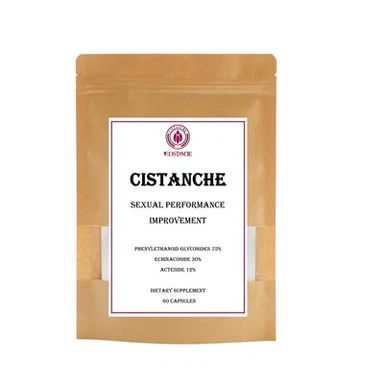
Cistanche is an herb traditionally used in Chinese medicine to boost energy, libido, and overall vitality. It is believed that Cistanche may increase testosterone levels by inhibiting the activity of an enzyme called aromatase, which converts testosterone into estrogen. Cistanche has also been found to increase the production of luteinizing hormone (LH) in the body. LH plays a crucial role in regulating testosterone production in the testes. By increasing LH levels, Cistanche may indirectly boost testosterone production. Furthermore, Cistanche also contains several phytochemicals such as echinacoside and acteoside, which possess antioxidant properties. These compounds may help to protect the testes and other reproductive organs from oxidative damage, thereby improving their function and increasing testosterone production. Overall, the exact mechanisms by which Cistanche increases testosterone levels are not fully understood, but it is likely an interplay of inhibiting aromatase, increasing LH production, and providing antioxidant support to the reproductive system.

To be continued...
Merve Acikel-Elmas 1,*, Salva Asma Algilani 1 , Begum Sahin 1 , Ozlem Bingol Ozakpinar 2 , Mert Gecim 2 , Kutay Koroglu 3 and Serap Arbak 1
1 Department of Histology and Embryology, School of Medicine, Acibadem Mehmet Ali Aydinlar University, Icerenkoy Mah., Kayisdagi Cad. No. 32, Atasehir, Istanbul 34752, Turkey
2 Department of Biochemistry, Faculty of Pharmacy, Marmara University, Basibuyuk Yolu, 4/A, Basibuyuk, Istanbul 34854, Turkey
3 Department of Histology and Embryology, School of Medicine, Marmara University, Basibuyuk Yolu No. 9 D:2, Maltepe, Istanbul 34854, Turkey