Are Androgens Important in The Setting Of Stress Urinary Incontinence?
Jun 06, 2023
Introduction
Male urinary incontinence can be divided into stress urinary incontinence (SUI), urge urinary incontinence (UUI) due to overactive bladder (OAB), or mixed urinary incontinence. These can negatively affect a patient’s quality of life, cause psychological distress, and cause financial burdens. Increases in intra-abdominal pressure can cause SUI. Per the recommendations by the American Urological Association, patients who have urgency-predominant mixed urinary incontinence or UUI should be evaluated and managed as denoted in the American Urological Association Overactive Bladder guideline (1). This chapter will focus on the effect of androgens on surgical intervention for male stress urinary incontinence.

Click to cistanche herba for testosterone
Male stress urinary incontinence
Stress urinary incontinence in male patients is usually a sequela of treatment for prostate cancer or for benign prostatic hyperplasia (2). The American Urological Association (AUA)/Society of Urodynamics, Female Pelvic Medicine & Urogenital Reconstruction (SUFU) 2019 guideline for incontinence after prostate treatment covers the management of patients who have developed subsequent urinary incontinence after radical prostatectomy, radiation therapy, and treatment of benign prostatic hyperplasia (1).
Incontinence may also be caused by pelvic surgery or trauma. Patients with bothersome SUI may be treated as early as six months after prostate treatment if incontinence is not improving despite conservative therapy. Otherwise, incontinence overall improves at 12 months postoperatively. If it is still present at 12 months postoperatively, then treatment may be offered at that time. Male urethral slings can be an option for patients with mild or moderate urinary incontinence who have not undergone radiation (3).
For patients with moderate or severe urinary incontinence and for patients who have undergone radiation, an artificial urinary sphincter (AUS) is an option. Of note, patients who have mild to moderate SUI may have more severe incontinence which stresses the importance of a thorough physical examination (4). Patients who choose to have an AUS placed should have appropriate physical and cognitive abilities to operate the implant (1). Patients who have an infection or erosion of an AUS or sling should undergo acute explantation with delayed replacement.
Importance of androgens on urethral wound healing
Prior controversy existed regarding testosterone supplementation in pediatric patients before hypospadias repair due to the idea that surgery could be easier in the setting of increased tissue vascularity and penile length (5). An animal model based on Sprague-Dawley rats was developed to further interrogate the effects of androgens on urethral healing after surgery (5). This model involved castrated rats before puberty to maintain a prepubertal environment that had not yet been exposed to androgens.
The experimental group of rats was supplemented with an intramuscular injection of testosterone cypionate (3 mg/kg) and was compared to a control group of non-supplemented rats. Both groups underwent urethroplasty. The presence of testosterone was found to increase penile length and shorten surgery time. It was also found to increase the inflammatory response and duration of the inflammatory phase which was also followed by a prolonged proliferative phase and overall delayed healing of the urethra (5). Castrated rats that had been re-supplemented with testosterone were found to have an increase in tissue vascularity. Thus, the presence or absence of androgens can alter tissue regeneration
Artificial urinary sphincter erosion and hypogonadism
As recently discussed, low testosterone can be associated with decreased tissue vascularity. Androgens confer imperative vascular functions and have been linked to the regulation of vascular remodeling and angiogenesis after ischemic events (5). Thus hypogonadism is thought to increase the risk of developing AUS erosion. AUS provides circumferential urethral compression to occlude it.

This prevents urinary leakage. Of note, the compression is only lifted for 60–90 seconds at which time the patient desires to void. This results in only a few minutes each day of relieved compression. This compression can lead to erosion. Other risk factors for erosion include prior urethral surgery and radiation therapy (6). Radiation induces microangiopathy and urethral surgery involves transection of the corpus spongiosum which interrupts the urethral blood supply.
A retrospective observational study was performed in which 53 patients who underwent AUS implantation were evaluated (5). Testosterone status had been established within two years of AUS surgery in these patients as either normogonadal or hypogonadal. Low testosterone was found to be the sole independent risk factor for AUS cuff erosion, conferring a 16-fold risk (5).
Ninety percent of all AUS erosions occurred in hypogonadal patients and the risk of erosion increased over time resulting in erosion of nearly all patients with hypogonadism within eight years. The hypothesized mechanism is that low testosterone downregulates the androgen receptor which downregulates TIE-2 (an androgen receptor-regulated receptor for angiopoietin 1 and 2 located in endothelial cells that promotes angiogenesis).
TIE-2 is thought to be the link between androgen receptor signaling and angiogenesis. Decreased TIE-2 decreases angiogenesis. The decreased vascular supply to the urethra and corpus spongiosum thus compromises the urethra’s ability to withstand a pressurized AUS cuff. This yields urethral atrophy and increases the risk of AUS erosion.
Effects of Testosterone and Estrogen on urethral wound healing
Testosterone and estrogen supplementation may restore periurethral vascularity associated with androgen deprivation. This was shown in a rat model that compared the urethra of rats that were not castrated, castrated rats, castrated rats with testosterone supplementation, and castrated rats with estrogen supplementation (5). This study included six non-castrated and 18 castrated Sprague-Dawley rats. Surgical castration was performed at 6.5 weeks to ensure they had achieved sexual maturity.
Six testosterone-supplemented rats received intramuscular 3 mg/kg testosterone cypionate and six estrogen-supplemented rats received intramuscular 1 mg/kg estradiol valerate. They were re-supplemented for 15 weeks. Castrated rats demonstrated decreased periurethral vascularity. Castrated rats re-supplemented with estrogen showed increased vascularity compared to non-castrated rats, though it remained significantly lower than in castrated rats with testosterone supplementation.

Of note, androgen expression was only identified in the testosterone-supplemented rats and those that were not castrated. This shows that it was only expressed in the presence of testosterone and not in castrated rats or rats supplemented with estrogen. This furthermore supports the notion that androgen receptor expression is downregulated in the absence of testosterone. No difference was seen in androgen receptor expression in rats that were not castrated and rats with testosterone supplementation.
This suggests that testosterone supplementation restores physiologic androgen receptor expression.
Testosterone and Estrogen in a surgical animal model
The effects of testosterone and estrogen supplementation on the urethra in castrated rats that underwent urethral surgery have also been observed (5). The authors found that urethral tissue vascularity was increased in the non-castrated rats as well as in the castrated rats that were supplemented with either testosterone or estrogen (5). Urethral tissue vascularity was significantly lower in the castrated rats that were not supplemented with testosterone or estrogen.
This further supports the thought that hypogonadism limits the regenerative potential of the urethra and highlights the importance of hormone replacement therapy preoperatively.
Conclusions
The urethral healing process is crucial for reconstructive surgery. Hypogonadism can hinder urethral healing which can cause urethral atrophy. This subsequently causes complications such as erosion in AUS. Supplementation with testosterone, and, to a lesser extent, estrogen, appear to restore angiogenesis and tissue vascularity.
This finding advocates for testosterone replacement in hypogonadal men undergoing urethral surgery, and especially, AUS placement. Understanding the role that androgens have can aid in the optimization of surgical outcomes for patients undergoing surgical treatment for stress urinary incontinence.
The mechanism of Cistanche boosts the testosterone effect
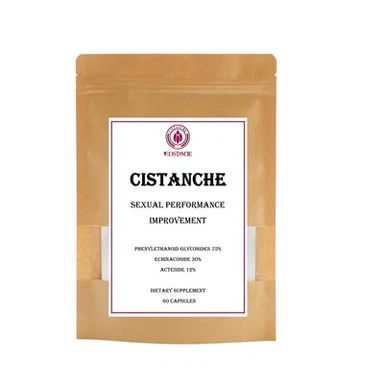
Cistanche has been found to boost testosterone levels in several ways. Firstly, it contains compounds known as echinacoside and acteoside, which have been shown to enhance the production of luteinizing hormone (LH) in the pituitary gland. LH stimulates the Leydig cells in the testes to produce testosterone. Cistanche also contains polysaccharides and phenylethanoid glycosides, which have been shown to have antioxidant and anti-inflammatory properties. This can help reduce oxidative stress and inflammation in the testes, which can impair testosterone production Additionally, Cistanche has been found to increase the expression of genes involved in testosterone synthesis and reduce the activity of enzymes that break down testosterone, such as 5-alpha-reductase. Overall, the combination of these mechanisms is thought to contribute to Cistanche's testosterone-boosting effects.

References
1 Sandhu JS, Breyer B, Comiter C, et al. Incontinence after Prostate Treatment: AUA/SUFU Guideline. J Urol 2019;202:369-78.
2. Koch GE, Kaufman MR. Male Stress Urinary Incontinence. Urol Clin North Am 2022;49:403-18.
3. Inouye BM, Premo HA, Weil D, et al. The male sling for stress urinary incontinence: tips and tricks for success. Int Braz J Urol 2021;47:1131-5.
4. Wolfe AR, Khouri RK Jr, Bhanvadia RR, et al. Male stress urinary incontinence is often underreported. Can J Urol 2021;28:10589-94.
5. Hofer MD, Morey AF. Chapter 5 - Discovering the role of androgens in urethral homeostasis and regeneration. In: Hofer MD, editor. Scientific Advances in Reconstructive Urology and Tissue Engineering. Academic Press: 2022:105-24.
6. Brant WO, Erickson BA, Elliott SP, et al. Risk factors for the erosion of artificial urinary sphincters: a multicenter prospective study. Urology 2014;84:934-8.