How Fluoxetine And Wheatgrass Treating Alzheimer's Disease
Mar 25, 2022
Contact: Audrey Hu Whatsapp/hp: 0086 13880143964 Email: audrey.hu@wecistanche.com
Part Ⅰ: Attenuative Effects of Fluoxetine and Triticum aestivum against Aluminum-Induced Alzheimer's Disease in Rats: The Possible Consequences on Hepatotoxicity and Nephrotoxicity
Karema Abu-Elfotuh, Ghada M.Ragab, Ahmad Salahuddin,Lubna Jamil and Ekram Nemr Abd Al Haleem
1. Introduction
With increased human life expectancy, dementia constitutes one of the most significant social, economic, and public health issues. According to an epidemiologic survey, around 50 million people worldwide had dementia in 2018, with Alzheimer's disease (AD)accounting for about 60 to 80% of all cases. The percentage is set to triple by 2050 [1]Increased age is the most critical risk factor for AD(Alzheimer's disease) development [2]. Family history [3], degeneration or vascular dysfunction [4], overweight [5], hypotension or hypertension [6], diabetes [7], hyperlipidemia [8], low levels of education, and lack of physical activity [9]are all realized risk factors.
AD(Alzheimer's disease) is a neurodegenerative illness; its leading cause is neuronal cell death. AD(Alzheimer's disease) is marked by pathophysiological abnormalities in the brain. One of these abnormalities is the accumulation of beta-amyloid(Aβ) inside the neurons, which may contradict acetylcholine's ability to influence synaptic transmission and initiate inflammatory processes [10]. In the senile dementia of Alzheimer's type, the decline of acetylcholine levels may be due to a reduction in choline acetyltransferase levels, the enzyme involved in acetylcholine synthesis. In turn, the loss of acetylcholine was reported to be associated with the production of Aβ [11]. Aβ plays a central role in producing the cholinergic deficit, as it reduces acetylcholine synthesis. Furthermore, some evidence also suggests the involvement of acetylcholine esterase in the pathogenesis of AD(Alzheimer's disease), as acetylcholine esterase interacts with the Aβ peptide and promotes amyloid fibril formation [11].
Additionally, the accumulation of Aβ leads to oxidative stress and inflammation in the AD(Alzheimer's disease) brain and, thereby, neurodegeneration. As a result, reactive oxygen species(ROS) form free radicals that attack the cell membrane, mitochondria, lipids, and proteins, causing neuronal cell apoptosis. The inflammation produces cytokines by activation of the microglia and inhibits the production of brain-derived neurotrophic factor (BDNF), which exerts neuronal protection, synaptogenesis, and neurogenesis[12]. In effect, neuroinflammation is responsible for an abnormal secretion of proinflammatory cytokines which trigger signaling pathways that activate brain tau hyperphosphorylation in residues that are not modified under normal physiological conditions [13]. The hyperphosphorylation of tau protein may form neurofibrillary tangles(NFTs). Consequently, this may lead to blockage of neurotransmitters and thus neuronal cell death [10].

cistanche benefits: anti-Alzheimer's disease
The liver is the primary organ that metabolizes more than 60% of Aβ [14]. Eliminating circulating Aβ may hasten AD(Alzheimer's disease) development by shifting the dynamic balance away from Aβ accumulation in senile plaques toward soluble Aβ. Decreased liver metabolism could lead to brain Aβ accumulation [15]. So, hepatic dysfunction may play a role in AD(Alzheimer's disease) through the inability to maintain A homeostasis at the periphery, acting as a source of proinflammatory cytokines and metabolic dysfunction [16]. In addition, novel dementia medications could target decreased hepatic synthesis or greater peripheral clearance of Aß protein.
Chronic kidney disease(CKD) and AD(Alzheimer's disease) are common chronic diseases in elderly communities and civilizations.CKD was found to be associated with dementia, as there is a high possibility of cognitive impairment or AD(Alzheimer's disease)-like dementia in CKD patients. The kidney has a vital role in the peripheral clearance of Aβ. The vulnerability of brain tissue to vascular dysfunction, inflammation, oxidative stress, and the renin-angiotensin system may explain the cognitive loss and AD(Alzheimer's disease) seen in CKD patients. Additionally, small vessel injury may play a non-negligible role in contributing to cognition impairment in both CKD and AD(Alzheimer's disease) [17,18].
Fluoxetine, as a selective serotonin reuptake inhibitor (SSRI) antidepressant, could be used to relieve depression and anxiety among AD(Alzheimer's disease) patients. Moreover, fluoxetine could improve memory and cognitive function for patients with mild cognitive impairment, an early AD(Alzheimer's disease) state [19]. Furthermore, fluoxetine has been shown to inhibit β-amyloid production, prevent neuronal degeneration [20-22], and enhance the phosphorylation of GSK3β [23]. Besides, fluoxetine could potentially treat Alzheimer's disease through the activation of Wnt/ β-catenin signaling [24].
Beneficial food ingredients have been investigated for use in the treatment of AD(Alzheimer's disease) patients to enhance memory and cognitive function [25]. Wheatgrass (common wheat) is the freshly sprouted first leaves of Triticum aestioum Linn, family Gramineae [26]. Wheatgrass is the earlier grass of wheat that is obtained on the eighth or ninth day after cultivation. Wheatgrass contains minerals, amino acids, vitamins C, E, and ß-carotene, and high content of chlorophyll. Furthermore, wheatgrass contains different phytochemicals such as alkaloids, flavonoids, phenolics, tannins, and glycosides. The antioxidant activity of wheatgrass is due to phenolics, which help to reduce the effects of diseases such as cardiovascular diseases, inflammation, and cancers [27-29].
Our study aimed to investigate the effect of aluminum on mental health and its consequences on the liver and the kidneys and the possible role of wheatgrass juice alone or in combination with fluoxetine in attenuating these effects.

cistanche benefits: improve memory and anti-Alzheimer's disease
2. Results
2.1.Behavioral Test (Morris Water Maze(MWM)
The AD(Alzheimer's disease) group showed that the escape latency was longer than the control group by 127.4%. The AD(Alzheimer's disease) group that received fluoxetine, wheatgrass, or their combination showed a significant decrease in the escape latencies time by 46.4%, 34.3%, and 47.1%, respectively, compared to the AD(Alzheimer's disease) group. Comparisons showed that the escape latencies in the fluoxetine group were shorter than those in the wheatgrass group on days 3 and 4(p=0.002). The escape latency was the quickest in the group treated with the combination. Additionally, the AD(Alzheimer's disease) group showed a shorter time spent in the target quadrant than that of the control group by 66.5%, but groups treated by fluoxetine, wheatgrass, or their combination showed a significant increase in the time spent in the target quadrant by 104.7%,130.5%, and 171.7%, respectively, as compared to the AD(Alzheimer's disease) group. However, groups treated by wheatgrass produced an apparent increase in the time spent in the target quadrant compared to fluoxetine treatment. Notably, the combination of fluoxetine and wheatgrass showed a marked increase in the time spent in the target quadrant compared to the wheatgrass group (Table 1).
Table 1. Effect of fluoxetine, wheatgrass, or their combination on learning and memory performance in rats.

2.2. Effect of Fluoxetine, Wheatgrass, or Their Combination on Alanine Transaminase(ALT), Aspartate Transaminase(AST), and Alkaline Phosphatase (ALP)
The AD(Alzheimer's disease) group showed a significant elevation in ALT, AST, and ALP levels by 592.3, 336.1, and 225.3%, respectively, compared to control values. On the other hand, treatment by fluoxetine, wheatgrass, or their combination induced a significant decrease in ALT level by 27.8,59.4, and 68.6%, respectively, compared to the AD(Alzheimer's disease) group. Also, groups that received these treatments showed a significant reduction in AST level by 41.9,53.4, and 65.4%, respectively, compared to the AD(Alzheimer's disease) group. ALP levels also decreased in groups that received these treatments by 46.7,50.1, and 55.4%, respectively, compared to the AD(Alzheimer's disease) group (Table 2).
Table 2. Effect of fluoxetine, wheatgrass, or their combination on serum alanine aminotransferase(ALT), aspartate aminotransferase(AST), alkaline phosphatase(ALP), creatinine, urea, total cholesterol (TC), triglycerides(TG), and high-density lipoprotein (HDL).

2.3.Effect of Fluoxetine, Wheatgrass, or Their Combination on Total Cholesterol (TC), Triacylglycerol(TG), and High-Density Lipoprotein(HDL)
The AD(Alzheimer's disease) group showed a significant increase in TC and TG by 127.5 and 87.6%, respectively, compared to control values. The AD(Alzheimer's disease) group treated by fluoxetine, wheatgrass, or a combination showed a significant decrease in TC level by 31.7,41.8, and 43%, and TG by 37,120.8, and 158%, respectively, compared to the AD(Alzheimer's disease) group. However, groups treated with wheatgrass produced an apparent decrease in TC and TG compared to fluoxetine treatment. Remarkably, the combination of fluoxetine and wheatgrass showed a marked decline in these parameters compared to wheatgrass groups. In contrast, the AD(Alzheimer's disease) group showed a significant decrease in HDL level by 70.3% compared to the control group. While, groups that received fluoxetine, wheatgrass, or their combination, showed a significant increase in HDL level by 113.8, 120.8, and 158%, respectively, compared to the AD(Alzheimer's disease) group. Notably, the combination of fluoxetine and wheatgrass showed a marked increase in the HDL level compared to the other treated groups (Table 2).
2.4. Effect of Fluoxetine, Wheatgrass, or Their Combination on Hepatic Interleukin-6(IL-6), Tumor Necrosis Factor-A(TNF-A), Nuclear Factor Kappa B(NF-Kb), and Caspase-3 Activity
The AD(Alzheimer's disease) group showed a significant increase in hepatic IL-6, TNF-αx, NF-kB levels, and Caspase-3 activity by 319.3,270, 889.3, and 154.9%, respectively, compared to the control value. In contrast, the AD(Alzheimer's disease) group that received fluoxetine, wheatgrass, or their combination showed a significant decrease in the hepatic IL-6 levels by 31.5, 40.9, and 53.2%, TNF-αlevels by 18.6,30.8, and 47.8%, NF-KBlevels by 37.9,52.9,76.12%, and caspase-3 activity by 26.4,44.9, and 46.2%, respectively, when compared to the AD(Alzheimer's disease) group. In contrast, the group treated with wheatgrass significantly decreased these parameters compared to groups that received fluoxetine. Notably, the combination of fluoxetine and wheatgrass showed a marked decline in the inflammatory markers and apoptosis marker compared to other treated groups (Table 3).
Table 3. Effect of fluoxetine, wheatgrass, or their combination on hepatic interleukin-6(IL-6), tumor necrosis factor-α(TNF-α), nuclear factor kappa B(NF-kB), caspase-3 activity, malondialdehyde(MDA), nitric oxide (NO), superoxide dismutase (SOD), and total antioxidant capacity (TAC).

2.5. Effect of Fluoxetine, Wheatgrass, or Their Combination on Hepatic Total Antioxidant Capacity (TAC), Superoxide Dismutase(SOD), Malondialdehyde(MDA), and Nitric Oxide(NO)
The AD(Alzheimer's disease) group showed a significant increase in hepatic MDA and NOby 832.4 and 1143.1%, respectively, compared to the control values. Whereas treatment of the AD(Alzheimer's disease) group by fluoxetine, wheatgrass, or a combination provided significantly lower MDA levels by 15.5,49.9, and 72.4%, respectively, and NO levels by 38.7, 60.8, and 69.9%, respectively, compared to the AD(Alzheimer's disease) group. However, groups treated with wheatgrass showed an apparent decrease in MDA and NO compared to groups that received fluoxetine. The combination of treatments produced a significant reduction in these parameters as compared to wheatgrass groups.
However, the hepatic SOD and TAC levels were significantly decreased by 86.6 and 66.6%, respectively, in the AD(Alzheimer's disease) group compared with the control group.AD(Alzheimer's disease) group received fluoxetine, wheatgrass, or their combination showed a significant increase in the hepatic SOD levels by 157.9, 317.7, and 462%, respectively, and TAC level by 60.4, 27.4, and 128.2%, respectively, when compared to the AD(Alzheimer's disease) group. However, wheatgrass produced a significant elevation of SOD as compared to the fluoxetine group while the group that received fluoxetine showed a significant increase in TAC as compared to the wheatgrass group. Notably, the combination of fluoxetine and wheatgrass showed a marked increase in the antioxidant markers compared to the other treated groups (Table 3).

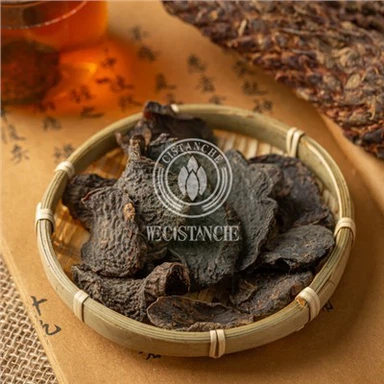
cistanche tubolosa
2.6.Effect of Fluoxetine, Wheatgrass, or Their Combination on Serum Creatinine and Urea
Compared to control values, the AD(Alzheimer's disease) group showed a significant increase in serum creatinine and urea levels by 1292 and 99.8%. However, groups treated with fluoxetine, wheatgrass, or a combination resulted in a significant decrease in creatinine level by 29.3, 55.4, and 81%, respectively, and urea level by 29.5, 45.2, and 49.6%, respectively, when compared to the AD(Alzheimer's disease) group. Moreover, wheatgrass produced a significant decrease in creatinine and urea levels when compared to the fluoxetine values. Notably, the combination of fluoxetine and wheatgrass showed a marked decrease in creatinine and urea compared to the wheatgrass group (Table 2).
2.7.Effect of Fluoxetine, Wheatgrass, or Their Combination on Renal Total Antioxidant Capacity (TAC), Superoxide Dismutase(SOD), Malondialdehyde(MDA), and Nitric Oxide (NO)
The AD(Alzheimer's disease) group showed a significant increase in renal MDA and NO by 568.5 and 1139.3%, respectively, compared to the control values. Whereas treatment of the AD(Alzheimer's disease) group by fluoxetine, wheatgrass, or a combination provided significantly lower MDA levels by 39, 62.5, and 75.1%, respectively, NO levels by 30.2,55.9, and 74.3%respectively, compared to the AD(Alzheimer's disease) group. On the other hand, groups treated with wheatgrass showed a significant decrease in MDA and NO compared to groups treated with fluoxetine. The combination of these treatments produced a significant decline in these parameters compared to the wheatgrass group.
Moreover, the renal SOD and TAC levels were significantly decreased by 88.1 and 58.4%, respectively, in the AD(Alzheimer's disease) group compared with the control. The AD(Alzheimer's disease) group that received fluoxetine, wheatgrass, or a combination showed a significant increase in the SOD levels by 180.4,230.2, and 382.2%, and TAClevels by 35.6,52.07, and 77.3%, respectively, when compared to the AD(Alzheimer's disease) group. Moreover, wheatgrass produced a significant increase in TAC and SODlevels when compared to the fluoxetine values. Notably, the combination of fluoxetine and wheatgrass showed a marked increase in the antioxidant markers compared to the wheatgrass group (Table 4).
Table 4.Effects of fluoxetine, wheatgrass, or their combination on renal interleukin-6(I-6),tumor necrosis factor-αx(TNF-α), nuclear factor kappa B(NF-kB), caspase-3,malondialdehyde(MDA), nitric oxide (NO),superoxide dismutase (SOD),and total antioxidant capacity (TAC).

2.8. Effect of Fluoxetine, Wheatgrass, or Their Combination on Renal Interleukin-6(IL-6), Tumor Necrosis Factor-A (TNF-A), Nuclear Factor Kappa B (NF-Kb), and Caspase-3 Activity
The effect of fluoxetine, wheatgrass or their combination on renal IL-6, TNF, and NF-kB were assessed as markers of inflammation; also, caspase-3 activity was evaluated as a marker of apoptosis is shown in Table 4. Their levels were significantly elevated by 195.7, 272.5, 355.3, and 573.3%, respectively, in the AD(Alzheimer's disease) group compared to the control group. The AD(Alzheimer's disease) group treated by fluoxetine, wheatgrass, or their combination significantly decreased the elevation of IL-6 levels by 32.8, 43.1, and 47.9%, TNF-α levels by 37.4, 37.2, and 46.9%, NF-kB levels by 32.3, 36.2, and 42.6%, and caspase-3 activity by 58.7, 58 and 63.3%, respectively, compared to the AD(Alzheimer's disease) group. Whereas the group treated with wheatgrass showed a significant decrease in IL-6 and NF-KB as compared to groups treated with fluoxetine. Notably, the combination of fluoxetine and wheatgrass showed a marked decline in the inflammatory markers and apoptosis marker compared to other treated groups (Table 4).

what is cistanche used for: anti-inflammation
2.9.Effect of Fluoxetine, Wheatgrass, or Their Combination on Cerebral B-Catenin and Glycogen Synthase Kinase-3 Beta(GSK-3B)
The AD(Alzheimer's disease) group showed a significant decrease in cerebral β-catenin content by 80.68%compared to the control values. In contrast, the AD(Alzheimer's disease) group that received fluoxetine, wheat-grass, or their combination showed a significant increase in theβ-catenin levels by 189.11, 306.5,408.02%, respectively, when compared to the AD(Alzheimer's disease) group. While the AD(Alzheimer's disease) group that received wheatgrass showed a significant increase in β-catenin levels compared to the fluoxetine values. Notably, the combination treatment resulted in a remarkable elevation in β-catenin as compared to wheatgrass values.
Besides, the AD(Alzheimer's disease) group showed a significant increase in GSK-3β content by 900%compared to the control group. On the other hand, the effect of treatment by fluoxetine, wheatgrass, or their combination resulted in a significant decrease in the GSK-3β level by 42.85,44.16, and 26.91% correspondingly when compared to the AD(Alzheimer's disease) group. Additionally, there is no significant difference between groups treated with fluoxetine or wheatgrass. However, the combination of fluoxetine and wheatgrass showed a significant decline in GSK-3β levels compared to groups treated separately(Table 5).
Table 5. Effect of fluoxetine, wheatgrass,or their combination on cerebral β-catenin, glycogen synthase kinase-3(GSK-3β), dopamine (DA), norepinephrine(NE), serotonin (5-HT), interleukin 1β(IL-1β),and tumor necrosis factor-α(TNF-α), total antioxidant capacity (TAC), superoxide dismutase (SOD), and malondialdehyde (MDA).

2.10. Effect of Fluoxetine, Wheatgrass, or Their Combination on Cerebral Total Antioxidant Capacity(TAC), Superoxide Dismutase (SOD), and Malondialdehyde (MDA)
The data in Table 5 showed a significant decrease in cerebral TAC and SOD levels in the AD(Alzheimer's disease) group by 72.05 and 91.07%, respectively, compared to the control group. While treatment of the AD(Alzheimer's disease) group with fluoxetine, wheatgrass, or their combination produced a significant increase in cerebral TAClevels by 102.5, 93.5, 143.6%, and SOD levels by 451.8, 617.1, and 761.3%, respectively, in comparison with the AD(Alzheimer's disease) group. Besides, groups treated with wheatgrass showed a significant increase in SOD compared to the fluoxetine group. Notably, the combination of fluoxetine and wheatgrass showed a marked elevation in SOD and TAC compared to the fluoxetine or wheatgrass groups.
Also, Table 5 showed a significant increase in MDA level by 1432.3% as compared to the control group, but the treatment of AD(Alzheimer's disease) with fluoxetine, wheatgrass, or their combination resulted in a significant decrease in the MDA level by 63.6.54.2, and 67.99o respectively, when compared to the AD(Alzheimer's disease) group. Moreover, fluoxetine produces a significant reduction in MDA when compared to the wheatgrass values. Notably, the combination of fluoxetine and wheatgrass showed a marked decline in MDA values compared to the fluoxetine group (Table 5).

cistanche health benefits: improve memory
2.11. Effect of Fluoxetine, Wheatgrass, or Their Combination on Cerebral Neurotransmitters Dopamine(DA), Norepinephrine (NE), and Serotonin (5-HT)
The AD(Alzheimer's disease) group showed a significant decrease in neurotransmitters DA, NE, and 5-HT by 76.1, 67.2, 64.8%, respectively, compared to the control group. However, groups treated with fluoxetine, wheatgrass, or their combination showed a significant increase in DA levels by 138.6,74.1,177.9%,5-HT levels by122.2,68.7, and 158.9%, and NE levels by 147.4,91.1, and 150.4%, respectively, as compared to the AD(Alzheimer's disease) group. Besides, fluoxetine significantly increases DA, 5-HT, and NE compared to the wheatgrass values. Notably, the combination of fluoxetine and wheatgrass showed a tremendous increase in neurotransmitters compared to the fluoxetine group (Table 5).
2.12. Effect of Fluoxetine, Wheatgrass, or Their Combination on Cerebral Interleukin-1β(IL-1)and Tumor Necrosis Factor-A(TNF-&)
Table5 showed a significant increase in cerebral IL-1β and TNF-α in the AD(Alzheimer's disease) group by 318 and 684.9%, respectively, compared to the control group. Moreover, groups treated with fluoxetine, wheatgrass, or a combination showed a significant decrease in IL-1βby 51.1,29.3, and 54.1%, and TNF-α level by 70.2,58.7, and 71.9%, respectively, when compared to the AD(Alzheimer's disease) group. However, groups treated with fluoxetine produced a clear decline in cerebral proinflammatory IL-1β and TNF-α as compared to groups that received wheatgrass, while the combination of treatments showed a significant decrease in these parameters more than fluoxetine.
2.13.Effect of Fluoxetine, Wheatgrass, or Their Combination on Cerebral Beta-Amyloid(A6), Tau Protein(TAU), Acetylcholine Esterase(ACHE), and Brain-Derived Neurotrophic Factor(BDNF)
The AD(Alzheimer's disease) group showed a significant increase in cerebral AB contents, TAU level, and ACHE activity by 2046.9,900.9, and 413.5%, respectively, compared to the control values. Moreover, groups treated with fluoxetine, wheatgrass, or their combination showed a significant decrease in AB contents by 52, 43.9, and 74.8%,TAU level by 56.1,42.8,and 62.9%, and ACHE activity by 50, 31.4, and 69.3%, respectively, when compared to the AD(Alzheimer's disease) group. Moreover, fluoxetine significantly decreases AB, TAU, and ACHE levels compared to the wheatgrass values. Conspicuously, the combination of fluoxetine and wheatgrass showed a clear decline in these markers compared to the fluoxetine group.
In contrast, the AD(Alzheimer's disease) group showed a significant decline in BDNF contents by 67.1%compared to the control values. Likewise, groups treated with fluoxetine, wheatgrass, or their combination showed a significant increase in BDNF contents by 112.9,73.4, and 138.8%, respectively, when compared to the AD(Alzheimer's disease) group as shown in Figure 1D. However, groups treated with fluoxetine showed a significant decline in BDNF compared to groups that received wheatgrass. The combination of treatments produced the most significant decline in BDNF (Figure 1).


Figure 1. Effect of fluoxetine, wheatgrass, or their combination on cerebral Aβ(A), TAU(B), ACHE(C), and BDNF (D), Data were expressed as means ± SD.a, b, c, or d. Significantly different from the control, AD(Alzheimer's disease), wheatgrass/AD(Alzheimer's disease), or combination/AD group, respectively, p<0.05 using ANOVA followed by Tukey-Kramer as post hoc test.
2.14. Effect of Fluoxetine, Wheatgrass, or Their Combination on Histopathological Examination of The Liver, Kidney!y, and Brain Tissue Specimens
The findings were shown in Figures 2-4, which illustrated the magnitude of histopathological alterations in tissue specimens from various experimental groups as illustrated in each figure legend.

Figure 2. Photomicrographs of hepatic tissue specimens stained by H& E(×40).Photomicrograph(A)Transverse hepatic tissue section from the control group showing the histological structure of the central vein and surrounding hepatocytes in the parenchyma. Photomicrographs(B-D)Transverse hepatic tissue section from AlCl3-treated animals showing the hepatic capsule was thick due to fibrous connective tissue proliferation and inflammatory cell infiltration(B), strands of fibrous tissue formation with inflammatory cells infiltration were extended in between the hepatocytes(C). The portal area showed congestion in the portal vein with multiple newly formed bile ductules (D)(arrows). Photomicrographs (E,F): Transverse hepatic tissue section from the fluoxetine-treated animals showing Glisson's capsule with fibrosis and inflammatory cells infiltration as well as calcification (E) associated with inflammatory cells infiltration in the portal area (F)(arrows). Photomicrographs(G-I): Transverse hepatic tissue section from the wheatgrass group showing Glisson's capsule with fibrosis, thickening, and inflammatory cells infiltration(G), while the portal area had hyperplasia in the bile ducts with inflammatory cells infiltration in between (H). There was focal necrosis in the parenchyma (I) (arrows).Photomicrograph (J):Transverse hepatic section from the combination group showing no histopathological alteration.

Figure 3. Photomicrographs of renal tissue specimens stained by H& E(×40). Photomicrograph(A): Transverse renal tissue section from the control group showed no histopathological alteration. The typical histological structure of the glomeruli and tubules at the cortex was recorded in(A).Photomicrographs(B-E): Transverse renal tissue section from AlCl3-treated animals showing focal inflammatory cell infiltration between the basophilic dysplastic renal tubules(B-D). Eosinophilic cast formation was detected in the lumen of some flattened lining epithelium tubules(E) (arrows). Photomicrographs(F,G):Transverse renal tissue section from the fluoxetine-treated animals showing inflammatory cell infiltration, and fibrosis with edema was observed in the capsule(F). There were focal hemorrhages between the tubules associated with congestion in the blood vessels at the cortex(G) (arrows). Photomicrograph (H): Transverse renal section from the wheatgrass group showing congestion in the cortical blood vessels (H)(arrows). Photomicrograph (I): Transverse renal tissue section from the combination group showing no histopathological alteration as recorded in (I).

Figure 4. Photomicrographs of brain tissue specimens stained by H& E(×40).Photomicrographs(A-E): Transverse brain tissue sections from the control group showed no histopathological alteration in the cerebral cortex, hippocampus, striatum, or substantia nigra. Photomicrographs(F-J): Transverse brain tissue sections from AlCl3-treated animals showing no histopathological alteration in the cerebral cortex(F). The pyramidal cells in the hippocampus showed nuclear pyknosis and degeneration as well as in the fascia dentate, while the neurons in the subiculum were intact(G,H). There was congestion in the blood vessels of the striatum (I). Atrophy was detected in some of the neurons in substantia nigra (J)(arrows). Photomicrographs(K-O): The transverse brain tissue section from the fluoxetine-treated animals shows nuclear pyknosis and degeneration in most cerebral cortex neurons(K). The subiculum in the hippocampus was intact(L), while the fascia dentate showed nuclear pyknosis in a few neuronal cells(M) and gliosis in the striatum(N). There was no histopathological alteration in the substantia nigra(O)(arrows). Photomicrographs(P-T): Transverse brain tissue section from the wheatgrass group showing nuclear pyknosis in some few neurons at the cerebral cortex(P). The subiculum is the hippocampus showed typical histological structure (Q), while the fascia dentate had nuclear pyknosis in a few neurons(R). Diffuse gliosis was detected in the striatum (S), while the substantia nigra was intact (T)(arrows).Photomicrographs(U-Y): Transverse brain tissue section from the combination group showing cerebral cortex and subiculum in the hippocampus with typical histological structure, while the fascia dentata showed nuclear pyknosis in few neurons(U-W). Diffuse gliosis was detected in the striatum (X), as well as substantia nigra (Y) (arrows).