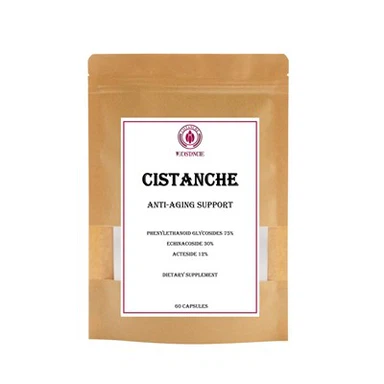
Autumn Harvest Of Cistanche Tubulosa: Characteristics And Value Of Fresh Autumn Products
Nov 12, 2026
The Desert Ginseng in Golden Autumn
As autumn winds sweep across the northwestern deserts of China, including Alxa in Inner Mongolia and Hotan in Xinjiang, a busy harvesting season begins for Cistanche Tubulosa, a rare parasitic plant renowned as "Desert Ginseng." For those familiar with traditional Chinese medicine, autumn is not only a season of harvest but also the optimal time to unearth fresh Cistanche. Distinguished from spring harvests or dried products, fresh autumn Cistanche exhibits exceptional quality due to its unique growth rhythm and environmental factors.
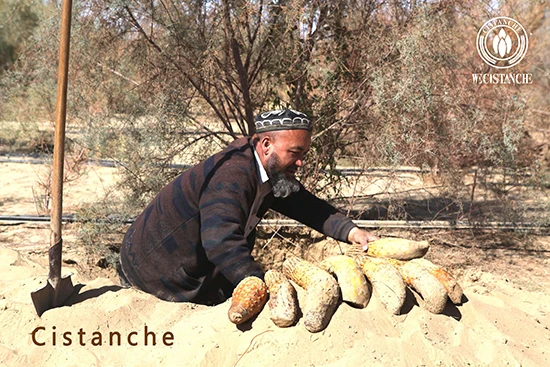
Harvest of Cistanche
I. Seasonal Basis for Autumn Harvest
Cistanche Tubulosa is a perennial parasitic herb of the Orobanchaceae family, growing on the roots of desert plants such as Haloxylon ammodendron (saxaul) and Tamarix (tamarisk). Its life cycle is closely tied to seasonal changes.
Spring Harvest (March–May): Traditionally the main season, spring Cistanche is just emerging or about to flower. While succulent, its active compounds have not yet fully accumulated.
Autumn Harvest (September–November): After a summer of high temperatures and nutrient storage underground, autumn Cistanche develops stouter, fleshier stems with peak levels of bioactive components (e.g., phenylethanoid glycosides, polysaccharides, amino acids). Harvested before soil freezing, the cooler autumn temperatures reduce spoilage, making fresh products easier to preserve and transport.
Autumn-harvested Cistanche is collected when the plant enters its nutrient and storage phase, ensuring superior medicinal quality and efficacy.

Cistanche - a bumper harvest for farmers
II. Five Core Characteristics of Fresh Autumn Cistanche
1. Appearance: Plump, Stout, with Tight Scales
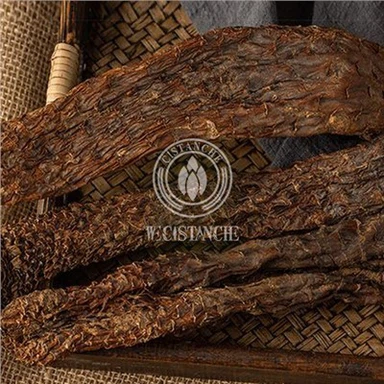
Fresh autumn Cistanche features cylindrical or slightly flattened fleshy stems, 30–60 cm long and 3–8 cm in diameter. Compared to tender spring shoots, autumn specimens have a yellowish-brown or dark brown epidermis covered with densely arranged, thick, imbricate scales-a result of long underground growth and sand resistance. The cross-section reveals radial vascular bundles forming a "chrysanthemum heart" pattern. The flesh is thick, heavy, and indicative of high dry matter content.

Harvest of Cistanche tubulosa
2. Texture and Taste: Crisp, Juicy, and Richly Aromatic
Fresh autumn Cistanche contains moderate moisture (about 60%–70%), avoiding the excessive wateriness of spring harvests or the hardness of dried goods. Its crisp texture breaks with a clean snap; the fracture surface is yellowish-white or light brown, semi-transparent, and exudes abundant juice. Tasting it, one first perceives mild bitterness, followed by a sweet aftertaste and a unique earthy fragrance with nutty umami-a "living" flavor that dried processing cannot retain.
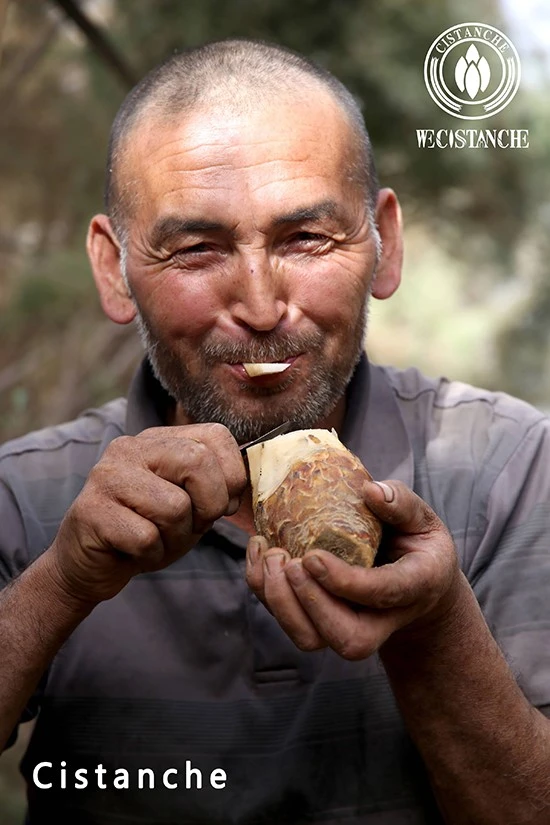
Cistanche male benefits
3. Nutritional Composition: Annual Peak of Accumulation
Autumn is the golden period for accumulating medicinal components. Research shows that fresh autumn Cistanche contains:
Phenylethanoid glycosides (e.g., echinacoside, acteoside): At their highest levels, offering antioxidant, anti-aging, and immune-enhancing effects.
Polysaccharides: Abundant, regulating gut microbiota and combating fatigue.
Amino acids and trace elements: All essential amino acids are present, with significantly higher levels of zinc, manganese, and selenium than in other seasons.
These active ingredients exist in a "full-value" state in fresh autumn products, uncompromised by drying heat, ensuring higher bioavailability.
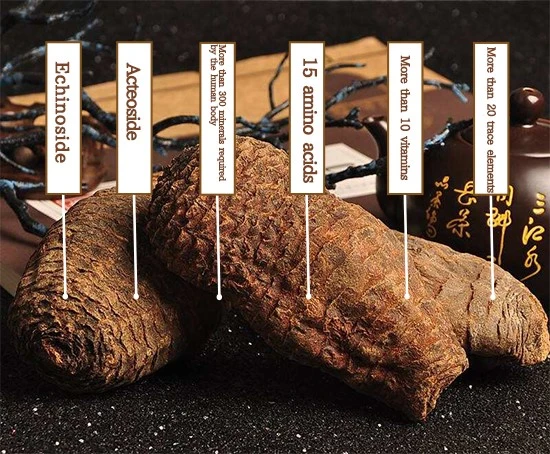
Main Chemical Constituents of Cistanche tubulosa
4. Medicinal Properties: Warm yet Not Drying, Tonic yet Not Harsh
According to traditional Chinese medicine, Cistanche is sweet and salty in taste, warm in nature, and acts on the kidney and large intestine meridians. It nourishes kidney yang, replenishes essence and blood, and moistens the intestines to relieve constipation. Due to its longer growth cycle, the autumn fresh product has a milder property. It warms and tonifies kidney yang without causing excessive internal heat, making it ideal for autumn health regimens that combine "moistening dryness" with "tonic supplementation." It is particularly effective for soreness and weakness of the waist and knees, as well as intestinal dryness and constipation caused by kidney yang deficiency and essence-blood depletion.
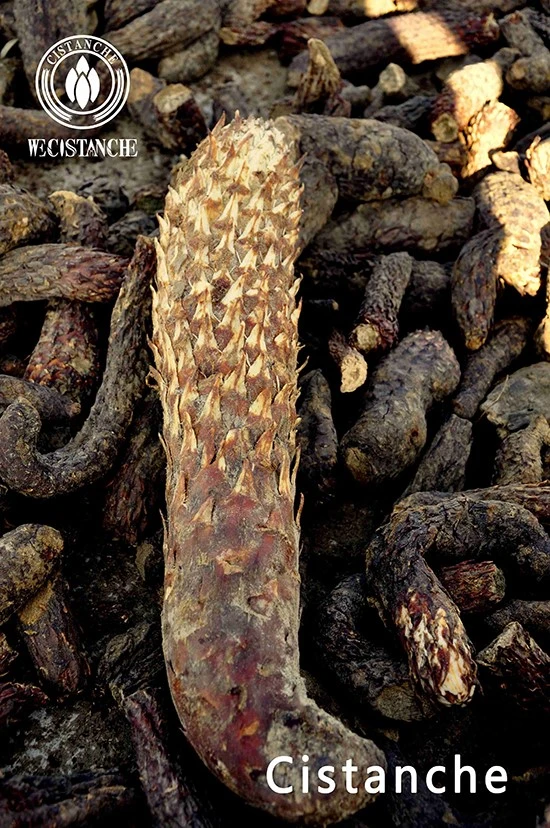
desert living cistanche
5. Processing and Preservation: Advantages of Fresh Use and Key Handling
The greatest advantage of fresh autumn Cistanche is its "freshness"-using it immediately after harvest maximizes the retention of active compounds. Common processing methods include:
Fresh consumption: Sliced for wine soaking, juicing, stewing, or made into fresh candied fruit.
Freeze-drying: Vacuum freeze-drying preserves shape and nutrition for long-term storage.
Traditional sun-drying/oven-drying: Requires prompt slicing to prevent mold, but some heat-sensitive components are lost.
For preservation, fresh products can be wrapped in a damp cloth and refrigerated at about 4°C, or buried in sandy soil to simulate the native environment, extending freshness.
III. Comparison: Fresh Autumn vs. Fresh Spring vs. Dried Products
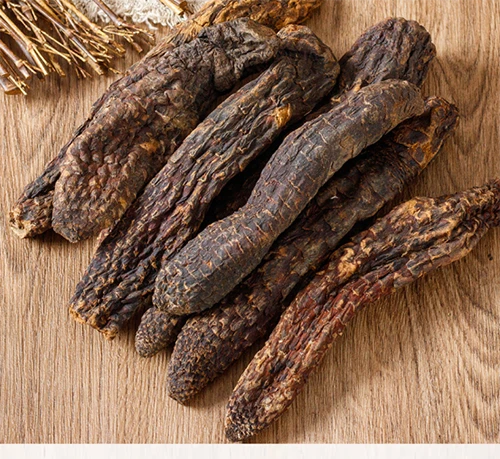
Cistanche tubulosa
|
Dimension |
Fresh Autumn |
Fresh Spring |
Traditional Dried |
|
Harvest Time |
Sept–Nov |
Mar–May |
Processed after harvest |
|
Appearance |
Stout, tight scales, heavy |
Thinner, looser scales |
Shrunken, dark brown |
|
Texture |
Crisp, juicy, semi-transparent |
Watery, easily broken |
Hard, horny |
|
Active Compounds |
Highest annually, fully active |
Moderate, ascending |
Partially lost, esp. heat-sensitive |
|
Taste |
Slightly bitter, sweet aftertaste, rich aroma |
Light, slightly grassy |
Mild, requires long cooking |
|
Best Use |
Fresh eating, wine, premium tonic |
Fresh eating, drying material |
Soups, herbal medicine |
IV. Culinary Methods and Recipes
1. Fresh Cistanche Wine: A Classic Kidney-Tonifying Recipe
Wash and cut 500 g of fresh autumn Cistanche into sections. Place in 5 L of high-proof liquor (above 50% ABV) with appropriate amounts of wolfberry and Cynomorium. Seal and soak for over one month. Drink 10–20 ml daily to warm kidneys and strengthen yang, suitable for middle-aged and elderly health care.
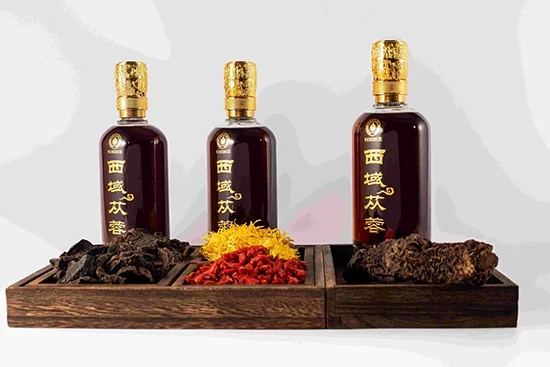
Cistanche wine
Click here to view Cistanche Tubulosa Black Platinum 50° herbal liquor
【Ask for more】 Email:cindy.xue@wecistanche.com / WhatsApp: 0086 18599088692 / WeChat: 18599088692
2. Cistanche Chicken Soup: An Autumn Dish for Moistening and Tonic
Ingredients: 100 g fresh Cistanche, half an old hen, 10 g wolfberry, 3 slices of ginger.
Method: Slice the fresh herb; blanch the chicken. Combine all ingredients in a clay pot, add water, stew for 2 hours, and season with salt. This soup is delicious, warm, and moist, nourishing kidneys, replenishing essence, and lubricating intestines-ideal for the whole family in dry autumn.
3. Fresh Cistanche Juice: A Convenient Nutritional Boost
Take 50 g fresh Cistanche, wash and peel, and cut into small pieces. Add honey and warm water, and blend into a juice. Drink on an empty stomach each morning to quickly replenish energy and improve bowel function.
4. Cistanche Candied Fruit: A Healthy Snack
Slice fresh Cistanche, blanch to remove bitterness, then soak in honey for 3 days. The resulting candied fruit is soft, sweet, and nutritious-a wholesome office snack.
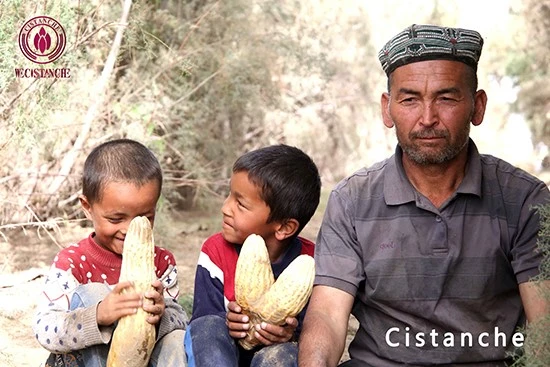
Harvest of Cistanche tubulosa
V. Market Identification and Purchasing Guide
Despite its benefits, the market has instances of adulteration. Consumers should note:
Origin: Authentic Cistanche mainly comes from Alxa (Inner Mongolia), Hotan (Xinjiang), and Hexi Corridor (Gansu). Alxa is the premier producing area.
Morphology: Genuine products are cylindrical with tight scales and a "chrysanthemum heart" cross-section. Counterfeits (e.g., Cynomorium, Boschniakia) differ in shape and lack radial patterns.
Odor: Fresh products have a faint herbal and earthy scent, free from chemical smells.
Taste: Authentic Cistanche is slightly bitter then sweet; counterfeits may taste bland or sour.
Purchase Channels: Buy from reputable TCM markets, branded tonic stores, or trusted e-commerce platforms, and request origin certificates or test reports.