Be Careful, Constipation Can Also Be Life-threatening! Such People Can First Conduct Self-examination And Evaluation
Nov 22, 2023
Recently, Ms. Li (pseudonym), a patient with paralysis of both lower limbs, came to the Anorectal Surgery Department of Shaw Hospital of Zhejiang University. Why are paralyzed patients admitted to anorectal surgery? It turned out that Ms. Li had been paralyzed in her lower limbs due to a spinal cord trauma, which also caused neurogenic intestinal dysfunction, and she had been suffering from constipation for a long time
Recently, Ms. Li (pseudonym), a patient with paralysis of both lower limbs, came to the Anorectal Surgery Department of Shaw Hospital of Zhejiang University. Why are paralyzed patients admitted to anorectal surgery? It turned out that Ms. Li had been paralyzed in her lower limbs due to a spinal cord trauma, which also caused neurogenic intestinal dysfunction, and she had been suffering from constipation for a long time.

This time, Ms. Li's constipation had reached a very serious level, her belly was as big as a balloon, and she was sent to the emergency room in unbearable pain. At that time, abdominal CT showed that the colon was significantly dilated, with gas accumulation and large contents. Due to Ms. Li's long-term constipation, her colon is dilated and her colon wall is thin. If she continues like this, there is a risk of perforation at any time, which can be life-threatening in severe cases. Therefore, the doctor immediately admitted her to the anorectal surgery ward and performed a series of targeted fasting, fluid rehydration, and gentle enema treatments.
Abdominal CT
But then Ms. Li’s request put everyone in trouble. Ms. Li was going to attend her child's wedding two days later, and she expressed her strong desire to be discharged from the hospital as soon as possible to the doctor. However, for patients with chronic constipation, the treatment effect is usually relatively slow, and too intense treatment may lead to the risk of perforation, so there is no need to rush.
Two days after the enema, Ms. Li's abdominal distension improved slightly, but she still did not meet the discharge standards. After fully communicating the condition and risks with her and her family, Ms. Li had no choice but to give up attending the wedding, considering her life and health as her top priority.

After Ms. Li's abdominal distension improved slightly, the Department of Gastroenterology, Traditional Chinese Medicine, and Rehabilitation Medicine conducted consultations and then added treatments such as external application of Glauber's salt, acupuncture to promote gastrointestinal motility and rehabilitation exercises. After a week of multidisciplinary comprehensive treatment, Ms. Li's abdominal distension improved significantly. Although she regretted not being able to catch up with the wedding, Ms. Li was finally discharged from the hospital successfully with the joint treatment of Chief Physician Wang Da's team and other departments.
What is neurogenic intestinal dysfunction?
Spinal cord injury accompanied by neurogenic intestinal dysfunction is a serious complication resulting from loss of nervous control or complete loss of function of colon movement and/or sensation caused by trauma or non-trauma to the spinal cord.
The most common cause is spinal cord injury caused by a car accident or a fall on a construction site. In addition, multiple sclerosis, Parkinson's disease, etc. may also cause neurogenic intestinal dysfunction.
What are the symptoms of neurogenic intestinal dysfunction?
Depending on the location of the spinal cord injury, different combinations of symptoms may occur, including constipation, fecal incontinence, abdominal pain, and bloating. As a common clinical manifestation of this complication, constipation brings great pain to patients. Due to constipation, patients are forced to strain to defecate, which may cause hemorrhoids, anal fissures, anal prolapse, etc. In addition to the above physical complications, it may also lead to psychological problems, including depression and anxiety.
Why does neurogenic intestinal dysfunction cause constipation?
In patients with neurogenic intestinal dysfunction, after intestinal dysfunction, on the one hand, the colon is chronically dilated, the colonic tension gradually decreases, and the colonic peristalsis slows down, resulting in stagnant feces and dryness; on the other hand, the pressure in the rectum gradually increases with defecation, and the anus Sphincter tension and prolonged defecation time together lead to constipation.

How to self-assess neurogenic intestinal dysfunction?
Some patients have mild constipation symptoms and do not pay enough attention. Over time, they will progress to intractable constipation.
Therefore, patients with spinal cord injuries must learn to self-assess. The main contents include:
Frequency of bowel movements (less than 3 times per week);
The time required for defecation (whether it is greater than 15 minutes);
Is it difficult to defecate?
Whether there is any assistance (such as finger assistance) during defecation.
How to treat constipation in neurogenic intestinal dysfunction?
1Daily management
Proper eating and drinking are the easiest treatments to implement. Ingest ≥15g of dietary fiber every day, reduce the intake of insoluble fiber cereals, and be cautious in the intake of caffeine, alcohol, and other foods. Drinking 1.5 to 2.0L of water every day can increase the number of bowel movements.
2 medical treatment
Commonly used oral laxatives include polyethylene glycol, lactulose, etc. Suppository drugs, such as glycerin suppositories, can lubricate and stimulate the intestinal wall and promote intestinal activity. Gastrointestinal motility drugs, such as mosapride, prucalopride, etc., move the contents of the gastrointestinal tract forward and reduce the time required for stool to pass through the intestines.
3 transanal enema
Transanal enema can regularly empty the intestines, and improve patients' symptoms such as constipation, fecal incontinence, and urinary incontinence, thereby improving the quality of life.
4 Traditional Chinese Medicine Intervention
Traditional Chinese medicine treatment is also increasingly used in patients with constipation. Medications include oral administration of various traditional Chinese medicine compound preparations, enema, external application of Glauber's salt, etc. Non-drug aspects include acupuncture, massage, scraping along the meridians, etc., which can dredge meridians, reconcile yin and yang, activate the central nervous system, and regulate the inner innervation of colonic smooth muscles to improve constipation.

5 Biofeedback and electrical stimulation
Biofeedback and electrical stimulation regulate colon transit time by regulating sacral nerves, local cutaneous nerves, and intestinal peripheral nerves. Biofeedback and electrical stimulation have a synergistic effect and are recommended to be used together.
6 surgical treatment
Colostomy is a safe and accepted intervention in patients with severe constipation who have failed conservative treatment.
7 psychological intervention
Depression and anxiety have become common psychological problems in patients with neurogenic intestinal dysfunction and constipation, and are easily ignored. Providing reasonable psychological guidance to keep patients in a positive mental state is conducive to the recovery of the disease.
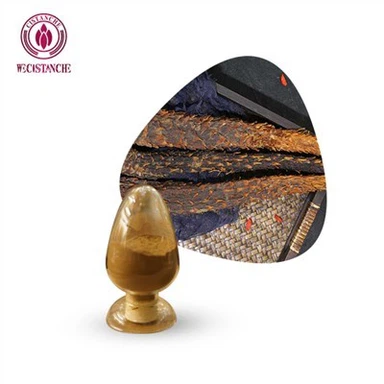
Natural Herbal Medicine For Relieving Constipation-Cistanche
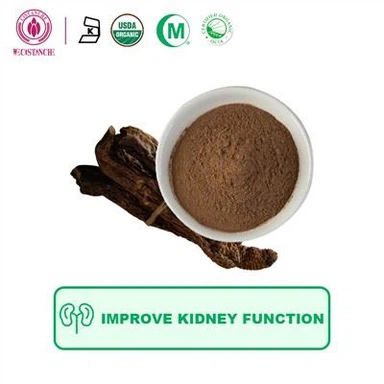
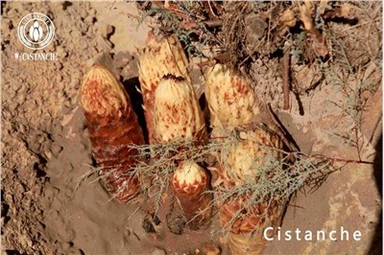
Cistanche is a genus of parasitic plants that belongs to the family Orobanchaceae. These plants are known for their medicinal properties and have been used in Traditional Chinese Medicine (TCM) for centuries. Cistanche species are predominantly found in arid and desert regions of China, Mongolia, and other parts of Central Asia. Cistanche plants are characterized by their fleshy, yellowish stems and are highly valued for their potential health benefits. In TCM, Cistanche is believed to have tonic properties and is commonly used to nourish the kidney, enhance vitality, and support sexual function. It is also used to address issues related to aging, fatigue, and overall well-being. While Cistanche has a long history of use in traditional medicine, scientific research on its efficacy and safety is ongoing and limited. However, it is known to contain various bioactive compounds such as phenylethanoid glycosides, iridoids, lignans, and polysaccharides, which may contribute to its medicinal effects.
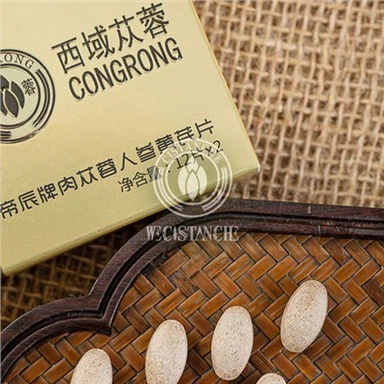
Wecistanche's cistanche powder, cistanche tablets, cistanche capsules, and other products are developed using desert cistanche as raw materials, all of which have a good effect on relieving constipation. The specific mechanism is as follows: Cistanche is believed to have potential benefits for relieving constipation based on its traditional use and certain compounds it contains. While scientific research specifically on Cistanche's effect on constipation is limited, it is thought to have multiple mechanisms that may contribute to its potential to relieve constipation. Laxative Effect: Cistanche has long been used in Traditional Chinese Medicine as a remedy for constipation. It is believed to have a mild laxative effect, which can help promote bowel movements and induce constipation. This effect may be attributed to various compounds found in Cistanche, such as phenylethanoid glycosides and polysaccharides. Moistening the Intestines: Based on traditional use, Cistanche is considered to have moisturizing properties, specifically targeting the Intestines. Promoting hydration and lubrication of the Intestines may help soften tools and facilitate easier passage, thereby relieving constipation. Anti-inflammatory Effect: Constipation can sometimes be associated with inflammation in the digestive tract. Cistanche contains certain compounds, including phenylethanoid glycosides and lignans, that are believed to have anti-inflammatory properties. By reducing inflammation in the intestines, it may help improve bowel movement regularity and relieve constipation.