Benign Prostatic Hyperplasia (BPH): A “Damp-Heat” Formula I Learned On The Sly—Read Carefully
Aug 13, 2026
Sources referenced (TCM): Clinical Therapeutics of TCM Andrology and Yanshan Medical Talks.
Hi, I'm Wen Junran, a practitioner of Traditional Chinese Medicine (TCM).
Today I want to talk about a common men's issue: benign prostatic hyperplasia (BPH)-often felt as weak stream, frequent urination, nighttime urination, urgency, or even the frightening feeling of "I can't urinate."
On my desk, I keep a very simple formula:
The 4-herb formula
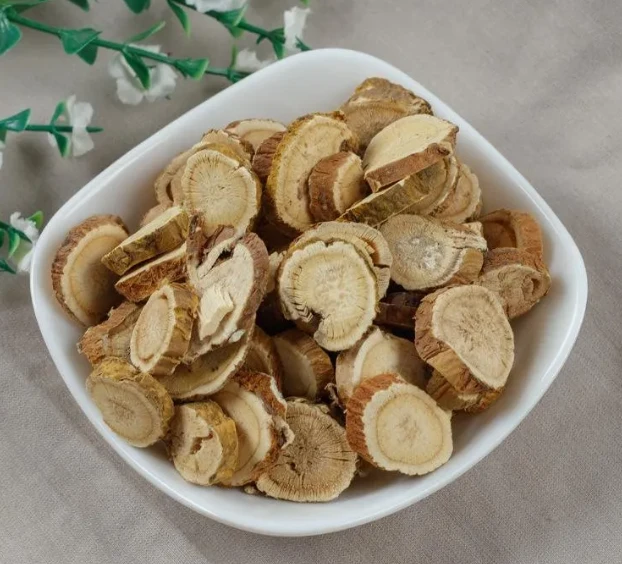
Ku Shen (Sophora flavescens) - 12 g
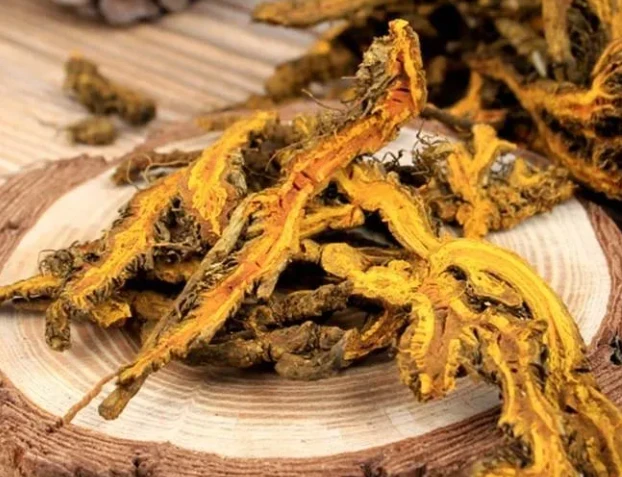
Huang Lian (Coptis chinensis) - 12 g
Huang Bai (Phellodendron) - 12 g
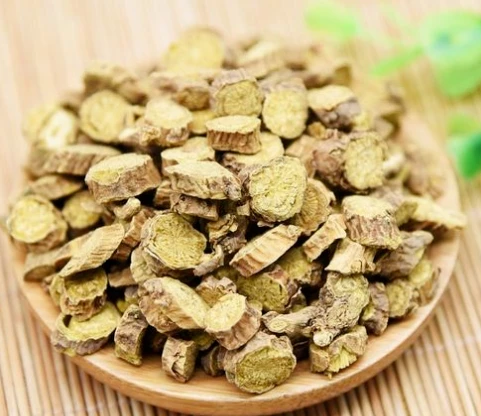
Huang Qin (Scutellaria baicalensis) - 12 g
Traditionally decocted in water (herbs boiled as a tea).
Yes-just four herbs.
I'll be honest: I "learned" this one on the sly-from the clinical experience of an older generation.
The story behind it (from a senior physician's case record)
This experience comes from an elder TCM physician, Mr. Bao Youlin (1922–2006). If you're curious, you can look up his academic background.
When Mr. Bao was still early in practice, a neighbor introduced an elderly patient-over 80 years old-with BPH and urinary retention.
Before coming, the patient had been relying on catheterization to pass urine. But at his age, long-term catheter use was risky and uncomfortable, so the family hoped TCM could help.
The man was otherwise fairly robust, but he had a classic retention picture:
the lower abdomen was distended and painful
he couldn't eat, couldn't move comfortably
he arrived with a catheter in place
On examination, the record described:
a wiry, slippery, forceful pulse
a thick, white tongue coating
Mr. Bao-still young at the time-didn't feel fully confident, so he prescribed Ba Zheng San (a classic formula often used to "clear heat and unblock painful urinary dribbling/retention" in TCM). He also told the family: if it doesn't improve, don't delay-seek another doctor.
After some time, the family returned and said: Ba Zheng San didn't help much, so they consulted an older physician.
What happened next surprised everyone.
After only a few doses, the patient began to urinate. Altogether, it took fewer than 10 doses for the issue to resolve.
Mr. Bao was intrigued and asked for the prescription.
It contained only four herbs-the ones listed above-each at 12 g, decocted. The record described:
First visit: those four herbs, 2 doses
Second visit: same formula
Third visit: add Xi Huang Wan 6 g (a patent formula traditionally used to "clear toxins, reduce swelling, resolve masses" in TCM)
And that was it.
This left such an impression that Mr. Bao remembered the approach and reportedly used it later with good results in similar cases.
Why might this work?
In TCM, BPH-related urinary difficulty often falls under the category of "Long Bi" (urinary blockage/retention).
One major pattern behind it is called:
"Damp-Heat lodged in the Bladder" (lower burner damp-heat)
In simple terms: the urinary tract's "flow mechanism" is blocked by a sticky, hot, inflammatory-type pattern-so urination becomes difficult.
This pattern often looks like:
stronger body build (not always, but common)
urgency, burning, dark/scanty urine, dribbling
lower abdominal fullness/distension
bitter taste, sticky mouth, thirst but not wanting to drink much
constipation or dry stools
tongue coating that may be thick/greasy, sometimes yellow and greasy, or a red tongue with greasy coat
pulse that may be slippery, rapid, or wiry-slippery and forceful
In the old case, the pulse and thick coating suggested something like damp accumulation with heat constrained in the lower burner.
What the 4 herbs aim to do
All four herbs are classic bitter-cold "heat-clearing, damp-drying" medicinals in TCM:
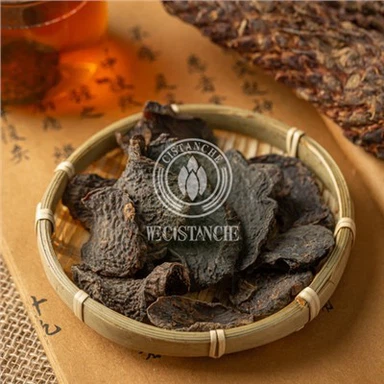
Ku Shen: clears heat, dries dampness; traditionally linked with damp-heat conditions
Huang Lian: strongly clears heat and "toxicity"
Huang Qin: clears heat, dries dampness
Huang Bai: clears damp-heat, especially in the lower body region
The idea is simple:
If the obstruction is driven by damp-heat, remove damp-heat-then the bladder's "qi transformation" resumes, and urine passes.
Later, Xi Huang Wan was added in the record, which in TCM is often discussed in terms of "detoxifying, reducing swelling, softening hard masses."
A critical warning
Even within TCM, BPH is not one single pattern.
Many men-especially older, frailer patients-present with patterns more like:
Kidney qi deficiency / kidney yang deficiency
cold accumulation
qi stagnation with deficiency
blood stasis
mixed deficiency-excess
For those people, a strongly bitter-cold approach can be the wrong direction.
In fact, even when damp-heat is present, this kind of bitter-cold formula is generally not meant for long-term use, because it may:
irritate the stomach (poor appetite, loose stools)
injure fluids/yin (dry mouth, fatigue, worsening dryness)
weaken overall vitality in people who are already deficient
So please treat this as a clinical idea-something to understand, not something to copy.
If you want "faster relief," here's the safest way to use this article
If you (or a loved one) has BPH symptoms and want a quicker path out of the daily frustration:
Get checked medically (rule out infection, stones, acute retention, and evaluate PSA/prostate health as appropriate).
If you want TCM, see a qualified practitioner for pattern differentiation-especially to determine whether your case truly matches damp-heat in the bladder.
If herbs are used, ask for a plan that includes:
clear start/stop rules
monitoring (urination volume, pain, fever, labs when needed)
adjustment once the "excess" clears so you're not left over-cooled or weakened
Final thoughts
Folk clinical experience can contain real gems-simple, sharp, and effective-yet easily lost with time. That's why I'm sharing this story.
But the real skill is not memorizing a formula.
It's knowing who it fits, who it doesn't, and how to use it safely.
If you'd like, tell me your main symptoms (nighttime frequency, urgency, weak stream, burning, residual urine feeling, tongue/pulse if you know them, plus age and any diabetes/hypertension meds). I can help you translate them into TCM pattern language and suggest what questions to ask your practitioner-without giving you a self-prescription.