Building Bone From The Inside Out: How Cistanche Tubulosa Supports Osteogenic Stem Cells And Skeletal Renewal
Sep 07, 2026
Bone is not a dead scaffold-it is a living, dynamic tissue that remodels itself continuously throughout life. At the heart of this renewal process is the bone marrow, a soft tissue that houses two critical stem cell populations: hematopoietic stem cells, which give rise to blood cells and osteoclasts (the bone-resorbing cells), and mesenchymal stem cells, which differentiate into osteoblasts (the bone-building cells), chondrocytes (cartilage cells), and adipocytes (fat cells). The balance between these differentiation pathways determines whether bone is gained or lost. With age, this balance shifts perilously: mesenchymal stem cells increasingly commit to the adipocyte lineage at the expense of the osteoblast lineage, a phenomenon known as marrow adiposity. Simultaneously, osteoclast activity rises, and bone formation falls behind resorption. The result is the slow, silent loss of bone mass that leads to osteopenia and osteoporosis. Cistanche tubulosa, through its active ingredients echinacoside and acteoside, is demonstrating a remarkable ability to influence this stem cell fate decision-steering mesenchymal stem cells toward bone formation and away from fat accumulation.
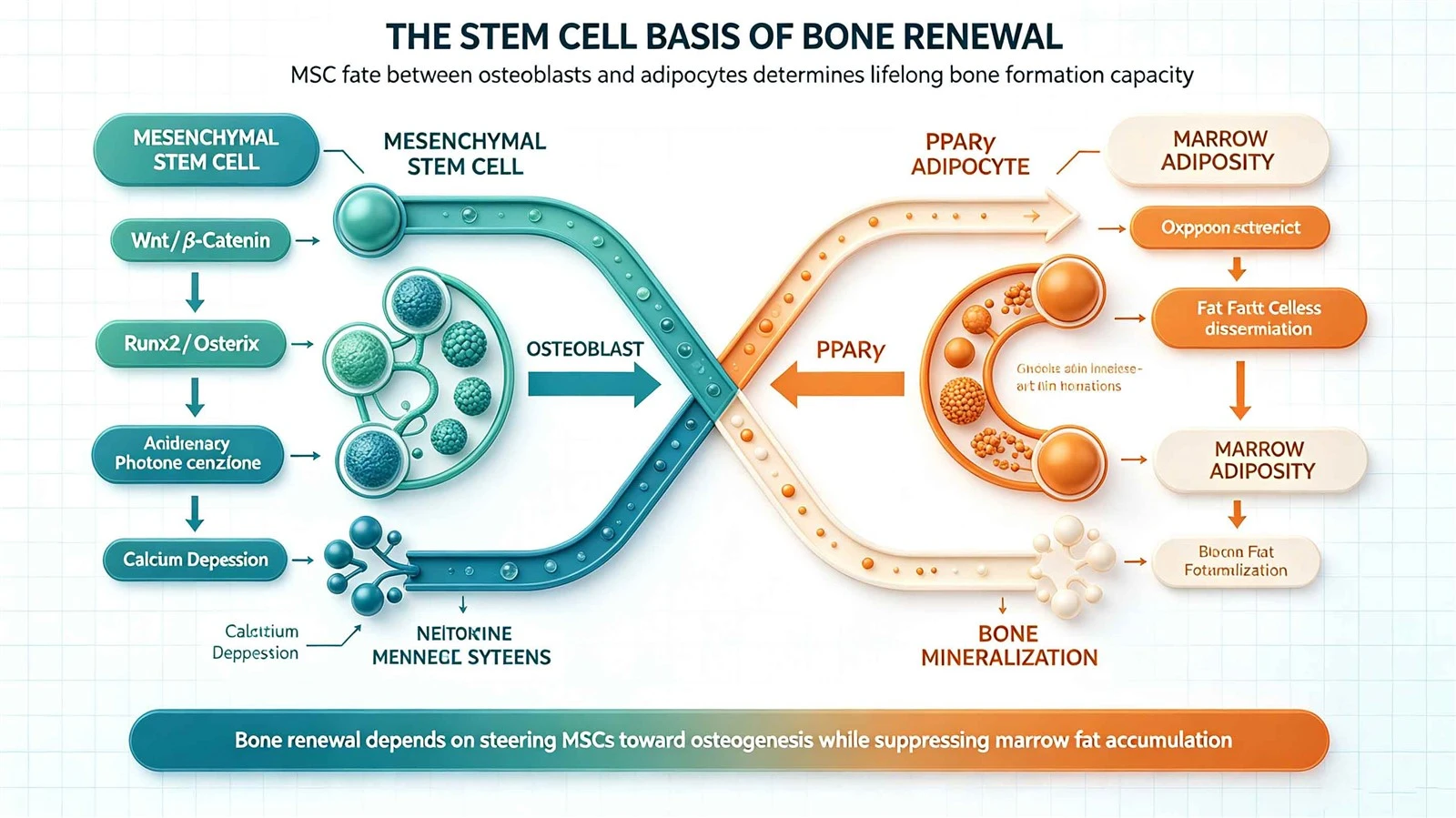
The Stem Cell Basis of Bone Renewal
Bone remodeling occurs through the coordinated action of osteoclasts and osteoblasts. Osteoclasts are derived from the hematopoietic lineage: under the influence of RANKL and M-CSF, monocyte precursors fuse into multinucleated osteoclasts that resorb bone. Osteoblasts are derived from mesenchymal stem cells: under the influence of the transcription factors Runx2 and Osterix, MSCs commit to the osteoblast lineage, differentiate into mature osteoblasts, and synthesize the collagen-rich matrix that subsequently mineralizes into new bone.
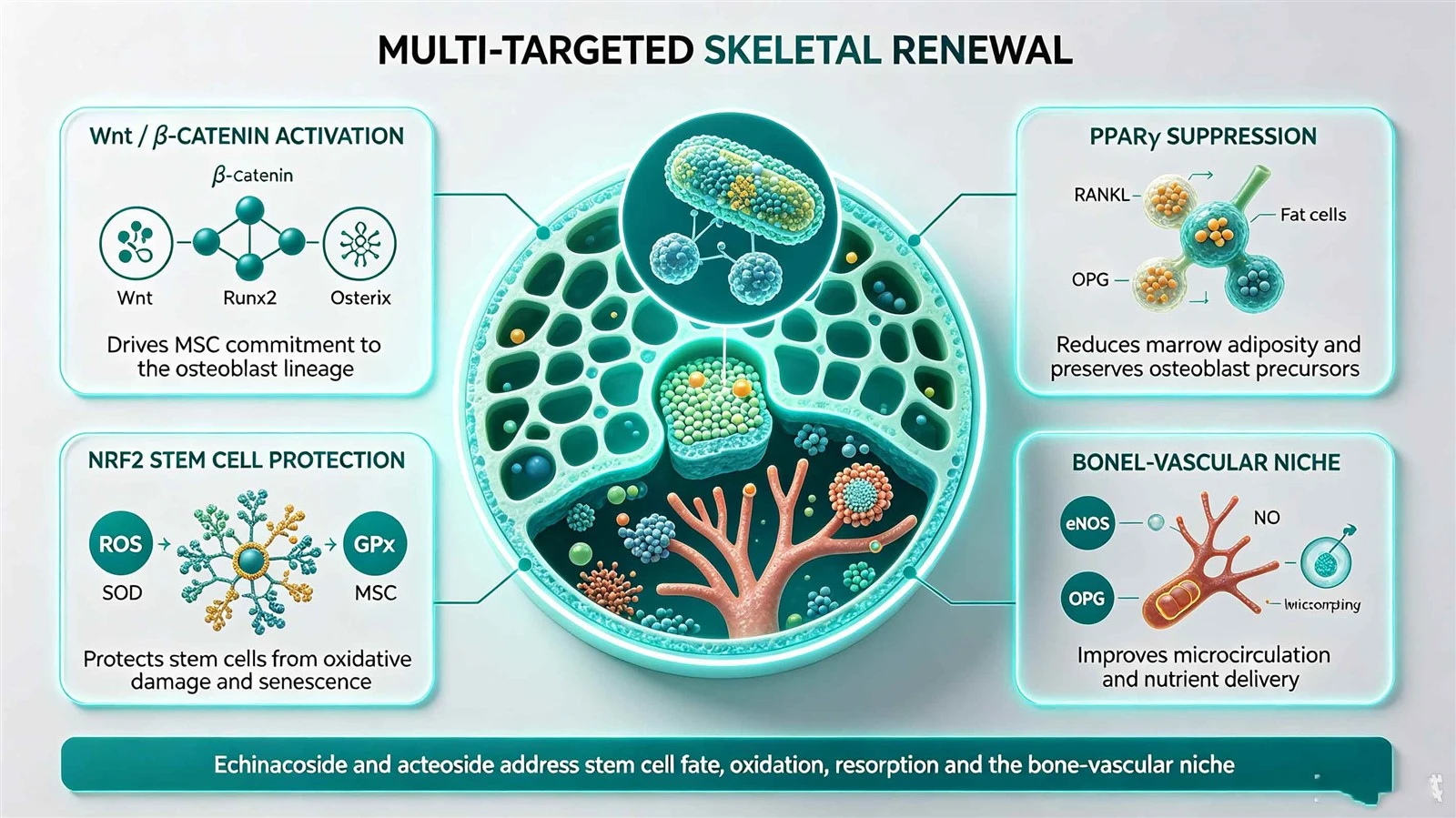
The fate of mesenchymal stem cells is not fixed; it is determined by competing signaling pathways. Wnt/β-catenin signaling pushes MSCs toward osteogenesis by stabilizing β-catenin, which then activates Runx2 and Osterix. PPARγ signaling pulls MSCs toward adipogenesis by activating the genes that promote fat cell differentiation. These two pathways are in direct competition, and the balance between them determines the composition of the bone marrow.
With age, this balance shifts toward adipogenesis. Oxidative stress and inflammation activate PPARγ while suppressing Wnt signaling. The marrow becomes infiltrated with adipocytes at the expense of osteoblast precursors. This is why aging bone marrow is visibly fattier on imaging, and why the capacity for bone formation declines even before resorption accelerates. An ideal bone-supportive agent would therefore do more than suppress osteoclasts; it would actively promote the osteogenic differentiation of mesenchymal stem cells and prevent the marrow adiposity that undermines bone formation capacity. Cistanche tubulosa's phenylethanoid glycosides are demonstrating exactly this profile.
How Cistanche Tubulosa Supports Osteogenic Stem Cells
1. Activating Wnt/β-Catenin Signaling to Promote Osteoblast Differentiation
Acteoside has been shown to activate the Wnt/β-catenin signaling pathway in mesenchymal stem cells. It increases the expression of Wnt ligands and decreases the expression of sclerostin and DKK1, the endogenous inhibitors of Wnt signaling. The resulting stabilization of β-catenin drives the transcription of Runx2 and Osterix-the master genes that commit MSCs to the osteoblast lineage. In vitro, acteoside-treated MSCs show significantly increased alkaline phosphatase activity (an early marker of osteogenic commitment), enhanced expression of osteocalcin and bone sialoprotein (late markers of mature osteoblasts), and increased calcium deposition-the functional endpoint of bone formation.
This anabolic mechanism is fundamentally different from that of anti-resorptive drugs like bisphosphonates, which simply slow osteoclast activity. Acteoside actively stimulates the creation of new bone-forming cells, addressing the root cause of age-related bone loss: the declining supply of osteoblasts.
2. Inhibiting PPARγ and Preventing Marrow Adiposity
Just as acteoside activates the osteogenic program, it suppresses the adipogenic program. Oxidative stress and inflammation activate PPARγ, the master transcription factor of adipogenesis, at the expense of Runx2. Echinacoside, through Nrf2 activation, reduces the oxidative stress that tips the balance toward fat formation. Acteoside's anti-inflammatory effects further suppress the inflammatory signals that activate PPARγ. By preserving the dominance of the osteogenic program, the combined action of echinacoside and acteoside helps prevent the age-related infiltration of fat into the bone marrow, maintaining a healthy pool of osteoblast precursors.
3. Protecting Osteoblast Precursor Cells from Oxidative Damage
The bone marrow is a site of active metabolism and significant oxidative stress. Reactive oxygen species damage the DNA of mesenchymal stem cells, impair their self-renewal capacity, and accelerate their senescence. Echinacoside's Nrf2 activation upregulates the antioxidant enzymes-superoxide dismutase, glutathione peroxidase, heme oxygenase-1, and catalase-that protect MSCs from oxidative damage. By preserving the viability and regenerative capacity of the stem cell pool, echinacoside helps ensure a continued supply of osteoblast precursors for lifelong bone renewal.
4. Regulating the RANKL/OPG Balance to Suppress Osteoclast Activity
While the stem cell effects address bone formation, echinacoside also addresses bone resorption. It downregulates RANKL expression in osteoblastic cells while upregulating osteoprotegerin, reducing the RANKL-to-OPG ratio. This suppresses the differentiation and activation of osteoclasts, protecting existing bone from resorption. In the ovariectomized rat model of postmenopausal osteoporosis, echinacoside treatment preserved trabecular bone microarchitecture and maintained bone mineral density by shifting this balance toward formation.
5. Supporting the Bone-Vascular Niche
Bone remodeling occurs in a specialized microenvironment that depends on an intact vascular supply. The bone marrow sinusoids deliver oxygen, nutrients, and systemic signals to the stem cell niche. Cistanche phenylethanoid glycosides support endothelial nitric oxide synthase activity, promoting vasodilation and improving the microcirculation that sustains the stem cell niche. This vascular support is an often-overlooked dimension of bone health, but it is essential for the delivery of the oxygen and nutrients that osteoblasts require for matrix synthesis and mineralization.
A comprehensive 2022 review in Frontiers in Pharmacology catalogs the bone-protective, antioxidant, anti-inflammatory, and stem cell-supporting properties of Cistanche tubulosa, confirming the multi-mechanism basis for its skeletal benefits. (Frontiers in Pharmacology review on Cistanche tubulosa)
The Active Ingredients for Skeletal Health
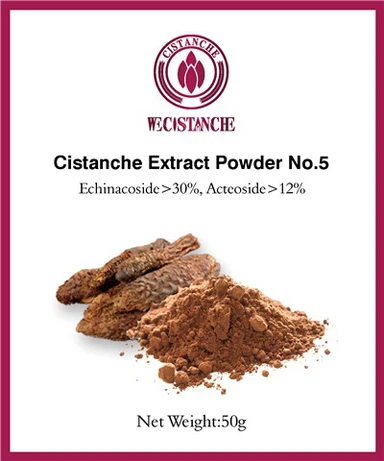
The bone-supporting effects are driven by echinacoside and acteoside. Echinacoside is the primary Nrf2 activator, RANKL/OPG modulator, and protectant of the stem cell niche. Acteoside is the primary Wnt pathway activator and PPARγ suppressor. Together, they orchestrate a coordinated shift from bone resorption and marrow adiposity toward bone formation and skeletal renewal. A standardized extract containing 20–40% total phenylethanoid glycosides is essential. The evidence-informed dose for bone support is 400–600 mg daily, taken with a meal.
Integrating Cistanche for Skeletal Health
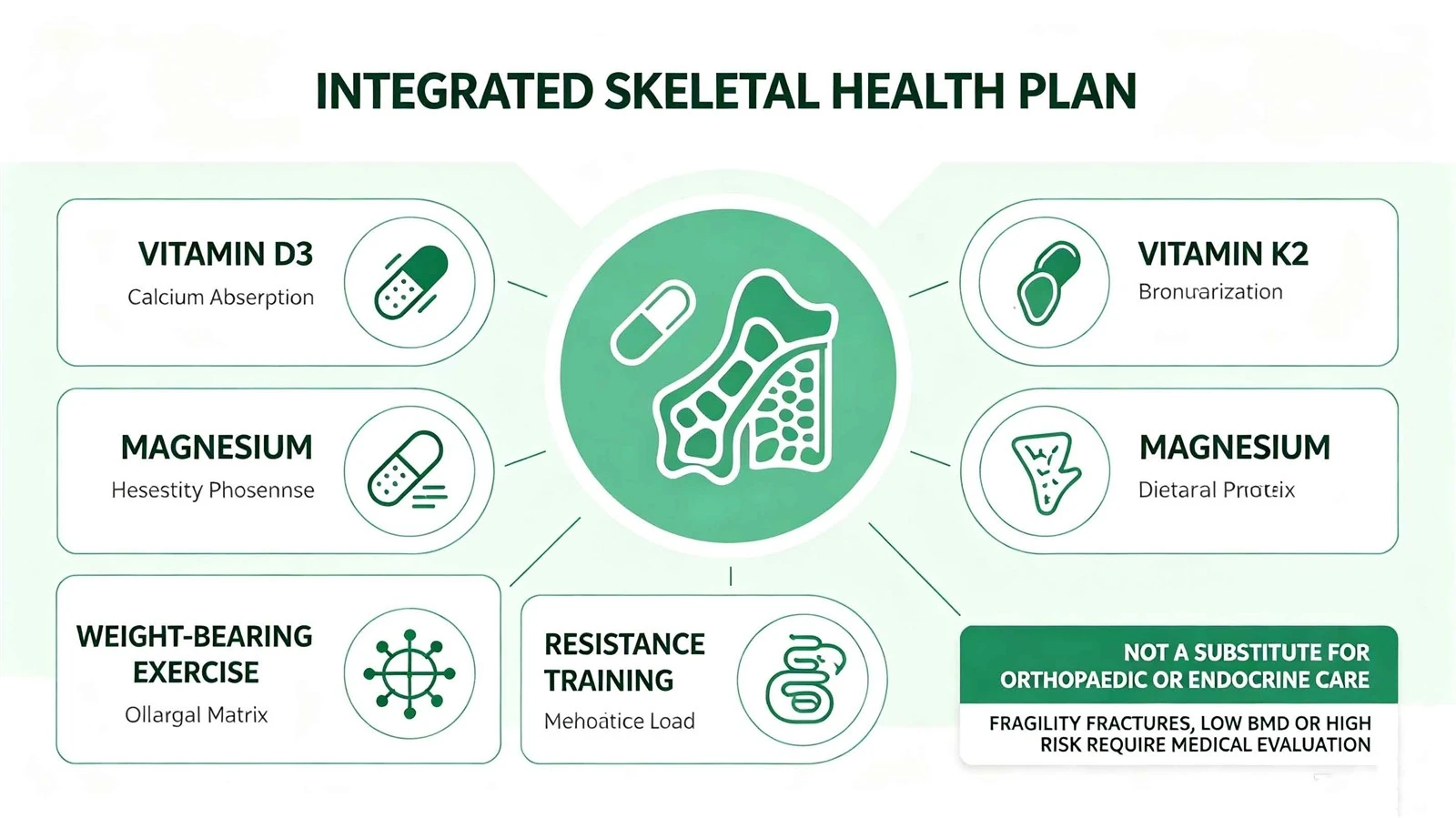
Bone is a slow-turnover tissue, and meaningful improvements in bone density require consistent support over months to years. Cistanche should be taken daily as a long-term investment in skeletal health. It pairs well with the essential bone nutrients: vitamin D3 for calcium absorption, vitamin K2 for directing calcium into bone, magnesium for alkaline phosphatase activity, and adequate dietary protein for the collagen matrix. Weight-bearing exercise and resistance training provide the mechanical loading that stimulates Wnt signaling in osteocytes, synergizing with Cistanche's direct effects on the pathway. Unlike bisphosphonates, Cistanche does not suppress overall bone turnover; it rebalances it, maintaining the bone remodeling activity that is essential for bone repair and adaptation to mechanical stress.
For those seeking reliable, research-grade bone support, explore our Cistanche tubulosa extract product line - every batch is standardized and third-party tested to ensure consistent potency of echinacoside and acteoside, the active ingredients behind the research.
Safety and Medical Context
Cistanche tubulosa is well tolerated with a centuries-long safety record. It does not cause the gastrointestinal side effects, osteonecrosis of the jaw, or atypical femoral fractures associated with bisphosphonate therapy. However, osteoporosis is a serious condition that requires medical evaluation. Anyone with a history of fragility fractures, significantly low bone mineral density, or high fracture risk should be under the care of a physician. This botanical is a preventive and complementary tool for bone health, not a substitute for medical management of established osteoporosis.