Casirivimab-Imdevimab (REGN-COV2) For Mild To Moderate SARS-CoV-2 Infection in Kidney Transplant Recipients
Mar 17, 2022
Contact: Audrey Hu Whatsapp/hp: 0086 13880143964 Email: audrey.hu@wecistanche.com
Casirivimab-Imdevimab (Casirivimab-Imdevimab-COV2) for Mild to Moderate SARS-CoV-2 Infection in Kidney Transplant Recipients
Background
Kidney transplant recipients are an immunocompromised population, many with comorbid diseases such as obesity, diabetes, and coronary artery disease, that may increase their risk for developing severe coronavirus disease 2019 (COVID-19).1 During the pandemic in New York City, kidney transplant recipients requiring hospitalization for COVID-19 had a higher rate of mortality compared with patients who could be treated in the ambulatory setting.2 Accounting for differences in baseline risk factors for progression in immunocompromised patients, avoidance of hospitalization would be beneficial given the added costs, limited hospital resources during a surge, and higher risk of complications when they are hospitalized.

effects of cistanche: improve immunity
Although COVID-19 vaccination efforts are currently widespread and highly recommended for the prevention of severe COVID-19 infection, some transplant programs delay administering vaccinations immediately post-transplant to avoid alloimmune stimulation. Another challenging aspect of vaccinating this population is that immunosuppressed kidney transplant recipients may have impaired antibody responses.3 Emerging evidence of breakthrough infections among vaccinated kidney transplant recipients has been described, and therefore it is important to evaluate the efficacy and safety of available COVID-19 treatment options.4 Casirivimab-Imdevimab-COV2, an antibody cocktail containing 2 SARS-CoV-2–neutralizing antibodies (basiliximab and imdevimab), has been shown to reduce COVID-19 viral load and received Emergency Use Authorization (EUA) by the US Food and Drug Administration for the treatment of mild to moderate COVID-19 infection in November 2020.5,6 Casirivimab and imdevimab are 2 IgG1 antibodies that are noncompeting, and they target the receptor-binding domain of the SARS-CoV-2 spike protein, thereby neutralizing viral entry into human cells via the angiotensin-converting enzyme 2 receptors.5 We provided Casirivimab-Imdevimab-COV2 to our kidney transplant recipients with mild to moderate COVID-19 infection— defined as the presence of mild symptoms, oxygen saturation greater than or equal to 94%, and no additional oxygen supplementation from baseline. Herein we report our center’s experience.
Over 6 months ending on June 25, 2021, a total of 14 kidney transplant recipients from our center received Casirivimab-Imdevimab-COV2 infusions for mild to moderate COVID-19 infection. Three recipients received the Moderna SARS-CoV-2 (mRNA-1273) vaccine before testing positive for COVID-19: 2 recipients completed the 2-dose series and the remaining recipients had completed 1 dose. To be eligible for Casirivimab-Imdevimab-COV2, all recipients must test positive by nasopharyngeal swab for SARS-CoV-2 via polymerase chain reaction. Single-dose infusions of casirivimab 1200 mg and imdevimab 1200 mg were given at an outpatient infusion center on campus to all except for 1 individual who received the infusion in the emergency department. Eight recipients were white and 6 were nonwhite (Table 1). The median age of treated recipients was 62 years (interquartile range 52–69), and the median time from transplant was 5 years (interquartile range 1–9). Preexisting risk factors for the severe disease were identified in our recipients and included ages greater than 65 years, hypertension, coronary disease, and diabetes mellitus (Table 1). The median time to Casirivimab-Imdevimab-COV2 infusion was 5 days (interquartile range 4–7). The most common symptoms reported include fever, fatigue and myalgia, diarrhea, and upper respiratory tract complaints (Table 1). At the presentation, maintenance therapy included tacrolimus and mycophenolate mofetil. Three of the 14 recipients also received corticosteroid maintenance therapy. Overall, immunosuppression was reduced in 6 of our kidney transplant recipients after COVID-19 diagnosis.

cistanche supplement: improve immunity
A single Casirivimab-Imdevimab-COV2 infusion of casirivimab 1200 mg and imdevimab 1200 mg was tolerated by our kidney transplant recipients. We did not encounter any cases of hypersensitivity reactions. During infusion, 1 adverse event occurred where a recipient complained of a burning sensation in the hands, which resolved following a dose of acetaminophen. Of the 14 treated recipients, 1 individual, aged 61 years, was hospitalized 6 days after infusion for worsening symptoms and de novo supplementation oxygen requirement. This patient received dexamethasone, redeliver, and tocilizumab, and required up to 15 L oxygen. On the day of discharge, oxygen requirement was weaned down to 2 L oxygen via nasal cannula for ambulation. The patient continued to improve and no longer need oxygen supplement 2 weeks after discharge. A second recipient, aged 79 years, was admitted after testing positive for COVID-19 and received the Casirivimab-Imdevimab-COV2 infusion from the emergency department. His risk factors for progression include advanced age, significant coronary disease, and hypertension. He required 2 L oxygen supplementation via nasal cannula, redeliver, and dexamethasone. He was discharged 12 days after admission without oxygen supplementation. We did not observe any cases of allograft rejection during the 30-day follow-up period. There was no mortality during the minimum 30-day follow-up period.

effects of cistanche: anti-bacterial
Result
In a phase 3 study enrolling 4057 COVID-19 outpatients with 1 or more risk factors for developing severe disease, treatment with Casirivimab-Imdevimab-COV2 significantly reduced hospitalization or all-cause mortality lowered viral load, and promptly resolved COVID-19– related symptoms.7 A recent report showed that the use of Casirivimab-Imdevimab-COV2 in solid organ transplant patients with mild to moderate COVID-19 infection resulted in no progression of symptoms or the need for hospitalization.8 In contrast, 2 of the 14 individuals at our center were hospitalized for additional management. Our analysis is limited by its small sample size to conclude efficacy but our findings demonstrate that it was safe for kidney transplant recipients with mild to moderate COVID-19 infections to receive Casirivimab-Imdevimab-COV2 therapy. Because our study lacked a control group, we examined our internal data for risk of hospitalization after the COVID-19 diagnosis.9 At our center, we observed a 65% hospitalization rate for COVID-19–positive kidney transplant patients when the Casirivimab-Imdevimab-COV2 infusions were not yet available.9 We found that 31% of our hospitalized patients did not require respiratory support—it may be possible that these patients could have avoided hospitalization completely with Casirivimab-Imdevimab-COV2 administration.9 Although we did not test our patients for the presence of endogenous antibodies, further study on whether transplant patients benefit from Casirivimab-Imdevimab-COV2 in the presence of endogenous antibodies may be warranted. We posit that neutralizing antibody therapy with Casirivimab-Imdevimab-COV2 will continue to be useful in our transplant population regardless of vaccination status. More than 50% of renal transplant recipients do not develop anti-spike antibodies after the 2-dose standard vaccination schedule of Moderna or Pfifizer-BioNTech.3 Alternatively, the half-life of Casirivimab-Imdevimab-COV2 may extend for several months.5,7 In kidney transplant recipients who are unable to obtain or have impaired antibody response to vaccinations, timely administration of Casirivimab-Imdevimab-COV2 in COVID-19–positive kidney transplant recipients may prevent progression to severe illness.
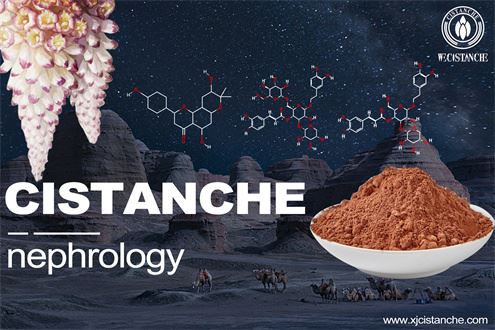
effects of cistanche: improve kidney function
Conclusion
In conclusion, infusion of neutralizing antibody therapy with Casirivimab-Imdevimab-COV2 was well tolerated in kidney transplant recipients with mild to moderate COVID-19 infection at our center. None of the treated recipients required mechanical respiratory support nor escalation of care to the intensive care unit. As COVID-19 continues to persist in many communities, a strategy of deploying Casirivimab-Imdevimab-COV2 infusion as therapy or prophylaxis in kidney transplant recipients warrants further investigation.
effects of cistanche: treatment herb for kidney diseases
Reference
The source is from Esther C. Liu Department of Pharmacy, New York-Presbyterian Hospital-Weill Cornell, New York, New York, USA; etc.