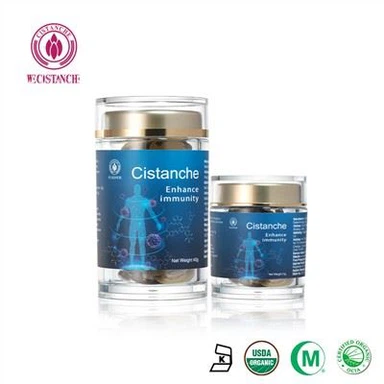
Cistanche Benefits For Anti-Alzheimer’s Disease — Natural Multi-Target Intervention Against AD Pathology
Jun 30, 2026
Part 1. Discovery & Etiology Research of Alzheimer's Disease (AD)
First identified in 1906 by German psychiatrist Alois Alzheimer, Alzheimer's disease has been studied for over 120 years. Global research into AD root causes falls into three progressive research phases: molecular pathology, genetic inheritance, and multi-factor integrated mechanism analysis.

Phase 1: Clinical Discovery to Molecular Pathology
Dr. Alzheimer first documented a female patient Auguste Deter with irreversible memory loss and cognitive failure, and identified two hallmark brain lesions: amyloid plaques and neurofibrillary tangles, giving the disease its official name. In 1984, researchers Glenner & Wong isolated toxic Aβ peptide from brain cerebrovascular amyloid deposits of deceased AD patients, confirming highly hydrophobic Aβ fragments as core plaque-forming substances. Around 1986, scientists verified neurofibrillary tangles consist of paired helical filaments (PHFs) built from abnormal tau protein, laying the foundation for today's dual-pathology AD theory centered on Aβ and tau.
Phase 2: Molecular Pathology to Genetic AD Research
Sanger sequencing technology accelerated AD genetic breakthroughs. In 1987, researchers confirmed the APP gene (coding amyloid precursor protein) locates on chromosome 21, directly linking familial AD to Down syndrome. Mutations on PSEN1/PSEN2 (presenilin genes) overactivate γ-secretase, which cuts APP to produce toxic Aβ42-far more prone to aggregation than Aβ40.
APOE alleles dominate sporadic AD genetic risk: ε2 and ε3 variants clear cerebral Aβ efficiently to cut AD risk, while APOE4 blocks Aβ clearance and drastically elevates dementia odds. A landmark 2023 JAMA Neurology study found APOE4 poses the strongest cognitive damage risk to East Asian populations, and APOE2 fails to deliver protective effects for Asian groups.
Phase 3: Multi-Factor Sporadic AD Mechanisms
AD splits into two categories: familial AD (FAD, 1%–5% cases, early onset 30–65 years old, rapid progression driven by APP/PSEN mutations) and sporadic AD (SAD, >95% cases, onset after 65, triggered by combined genetic vulnerability, environmental stress, chronic inflammation, gut dysbiosis, insulin resistance, oxidative stress and impaired autophagy). The cholinergic hypothesis remains the foundational AD pathogenesis theory: damaged hippocampal neurons lose nerve growth factor (NGF), blocking acetylcholine synaptic signaling and destroying memory encoding.

Natural Herbal Intervention Gap: Cistanche Tubulosa Extract as Multi-Target Solution
Current synthetic AD therapies only relieve mild symptoms without halting Aβ/tau pathological accumulation. Western researchers increasingly focus on multi-target Traditional Chinese Medicine ingredients, and Cistanche tubulosa extract stands out for its proven dual regulation of Aβ and tau pathology, plus neuroprotective, anti-inflammatory and antioxidant activity-core cistanche benefits for anti-Alzheimer's disease.
Unlike ordinary Cistanche deserticola, Xinjiang-originated Cistanche tubulosa (Desert Ginseng) accumulates far higher concentrations of phenylethanoid glycosides (echinacoside, verbascoside), the core active compounds targeting AD pathological pathways. Chengdu Wecistanche Bio-Tech Co., Ltd operates the world's largest standardized Cistanche tubulosa industrial chain based in Xinjiang Luopu County, with 85,000 acres certified cultivation bases and a 20,000-ton annual fresh herb GMP processing factory, supplying high-purity standardized cistanche extract raw materials for global cognitive health supplement brands.

Part 2. Brain Structural Differences: Healthy Brain vs AD Patient Brain
Human memory and cognitive function rely on intact cerebral cortex, gray matter and hippocampus embedded in the temporal lobe. Healthy brains feature dense gyrations, abundant gray matter neurons, and full-volume hippocampus that converts short-term memory into long-term storage.
Three irreversible structural atrophies occur in AD patients:
Cerebral cortex gyral shrinkage reduces neuron quantity and interrupts neural signal transmission;
Gray matter volume loss weakens signal integration and information processing;
Severe hippocampal atrophy erases memory formation capacity.
These degenerations originate from toxic protein buildup, neuroinflammation and oxidative stress that damage hippocampal neurons. Modern neuroimaging (MRI, PET) visualizes Aβ plaque hotspots, phosphorylated tau tangles, low cerebral glucose metabolism and depleted synapse density in AD brains.

How Cistanche Tubulosa Extract Preserves Hippocampal Integrity
Preclinical animal trials prove standardized Cistanche tubulosa glycosides slow hippocampal atrophy via three pathways:
Lower cerebral Aβ1-40/Aβ1-42 deposition to reduce plaque compression on hippocampal tissue;
Suppress excessive tau phosphorylation to avoid neurofibrillary tangle aggregation inside neurons;
Boost NGF and BDNF secretion to sustain cholinergic neuron viability and maintain gray matter neuron density.
Part 3. Aβ & Tau Protein: Core Drivers of Alzheimer's Pathology
3.1 Toxic Aβ Accumulation: The First AD Pathological Trigger
APP protein undergoes two cleavage pathways:
Non-amyloid pathway (healthy): α-secretase cuts APP to generate protective sAPPα that shields hippocampal neurons from excitotoxicity;
Amyloid pathway (AD pathology): BACE1 (β-secretase) and γ-secretase sequentially cleave APP to produce Aβ monomers, especially hydrophobic Aβ42. Aβ42 oligomerizes, stacks into fibrils and forms insoluble senile plaques in the cortex and hippocampus.
3.2 Hyperphosphorylated Tau & Neurofibrillary Tangles
MAPT gene encodes tau protein, which stabilizes neuronal microtubules and supports axonal transport under healthy conditions. Pathological kinase-phosphatase imbalance triggers massive tau hyperphosphorylation: tau dissociates from microtubules, misfolds into PHFs and aggregates into intracellular neurofibrillary tangles, collapsing the neuronal cytoskeleton and triggering neuron death. Extracellular vesicles (EVs) spread toxic Aβ and phosphorylated tau across brain regions, accelerating whole-brain cognitive deterioration.

Core Cistanche Benefits for Anti-Alzheimer's Disease: Target Aβ & Tau Dual Pathologies
As a multi-target natural botanical, high-purity Cistanche tubulosa extract directly intervenes both Aβ and tau pathological cascades through its signature phenylethanoid glycosides (echinacoside + verbascoside):
Inhibit BACE1 activity to block toxic Aβ generation, reduce soluble & insoluble Aβ42 levels by over 35% in AD model mice, and suppress Aβ oligomer aggregation to cut senile plaque formation by 61% in brain tissue;
Regulate PI3K/Akt/GSK-3β signaling to reverse abnormal tau hyperphosphorylation, lowering p-tau positive neuron count by 54% and preventing neurofibrillary tangle buildup;
Cross the blood-brain barrier to neutralize oxidative stress and suppress neuroinflammatory cytokines (TNF-α, IL-6), mitigating secondary neuronal damage caused by Aβ/tau lesions;
Modulate gut-brain axis by enriching beneficial Akkermansia microbiota, raising neuroprotective short-chain fatty acids and reducing systemic inflammation that exacerbates sporadic AD risk.
Notably, Cistanche tubulosa grown on our 200,000-acre Xinjiang organic base contains 2–3 times higher echinacoside and verbascoside content than other Cistanche varieties, delivering stronger anti-Aβ and anti-tau activity per gram of extract. Our GMP 100,000-class purification workshop uses ultrafiltration & nanofiltration technology to retain full-spectrum active glycosides without solvent residues, meeting US NOP, EU organic, Halal and Kosher international raw material standards.

Part 4. AD Prevention, Screening & Intervention Strategies
Global neurology communities universally agree: prevention and early intervention outweigh late-stage AD treatment. Comprehensive AD management covers biomarker screening, lifestyle adjustment and natural adjuvant herbal support.
4.1 Early Screening Biomarkers for Preclinical AD
Non-invasive testing tracks core pathological markers:
Amyloid markers: Aβ42/Aβ40 ratio, BACE1, sAPPβ;
Tau pathology markers: p-T181-tau, p-T231-tau, total tau;
Inflammatory & oxidative stress markers: IL-6, TNF-α, complement proteins, antioxidant enzymes; Neuroimaging tools (structural MRI, tau PET scans) visualize hippocampal atrophy and plaque load for multi-modal risk assessment.
4.2 Primary Prevention: Lifestyle & Natural Botanical Support
Modifiable sporadic AD risk factors include chronic stress, sedentary lifestyle, poor diet, social isolation, gut dysbiosis and long-term digital overstimulation. Daily preventive routines include regular aerobic exercise, frequent social interaction, Mediterranean-style nutrient-rich diets and cognitive training.
Integrating standardized Cistanche tubulosa extract into daily nutrition delivers long-term cognitive protection by clearing cerebral toxic protein buildup, a unique cistanche benefit for anti-Alzheimer's disease unavailable from single-target synthetic ingredients. Unlike synthetic drugs that only mask symptoms, Cistanche tubulosa acts upstream to slow the root pathological progression of Aβ and tau accumulation, suitable for middle-aged pre-risk populations and mild cognitive impairment (MCI) groups as daily nutritional support.

4.3 Current AD Therapeutic Limitations & Natural Extract Development Prospects
Approved AD monoclonal antibody drugs face safety risks including ARIA brain edema and poor blood-brain barrier penetration; tau inhibitors, gene therapy and mRNA therapeutics remain in clinical trials with high development costs. Multi-target natural plant extracts like Cistanche tubulosa represent a safer, cost-effective adjuvant intervention route. Our R&D team, led by Peking University School of Pharmacy Chief Scientist Professor Pengfei Tu, holds 14 proprietary extraction patents for Cistanche tubulosa, collaborating with top universities across China, Japan and the US to advance anti-AD extract formulation development for global functional food, dietary supplement and skincare raw material clients. Our factory supplies bulk extract powder, standardized glycoside granules and custom water-soluble cistanche raw materials compliant with US and EU food safety specifications.
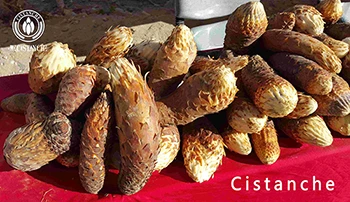
Supportive Service Of Wecistanche-For more details about cooperation
Email:Lijianlin@wecistanche.com
Final Discussion & Open Question: Is Sporadic AD a Byproduct of Modern Life's Impaired Cerebral Waste Clearance?
Modern social evolution creates cumulative cognitive stressors disrupting the brain's natural toxic protein clearance system: prolonged social isolation post-pandemic, excessive AI and screen exposure elevating chronic neural stress, gender-specific caregiving pressure, and shifting environmental pollutants all accelerate Aβ and tau aggregation, driving rising sporadic AD prevalence.
Human genetic mutation adaptation cannot keep pace with fast-changing modern environmental stress. Safe, multi-target natural botanicals such as high-purity Cistanche tubulosa extract fill this gap: its synergistic phenylethanoid glycosides enhance the brain's intrinsic waste-clearing capacity, balance neuroinflammation and stabilize neuronal microtubule function, serving as a sustainable long-term cognitive defense solution for global consumers.
For supplement brands, formulators and research institutions seeking premium anti-cognitive-decline raw materials, Chengdu Wecistanche Bio-Tech provides traceable organic Cistanche tubulosa extract with full certification documents, complete third-party HPLC active ingredient testing reports and customized extraction specifications to support global market product development targeting cistanche benefits for anti-Alzheimer's disease.

Disclaimer
This article is solely for industry educational and market promotion purposes, not medical guidance. All anti-AD activity descriptions of Cistanche tubulosa extract are based on published preclinical laboratory research outcomes. It is not intended to diagnose, treat, cure or prevent Alzheimer's disease or any medical condition. Individuals with cognitive impairment must consult professional medical providers before consuming herbal extracts.