Parkinson’s Disease: Symptoms, Differentiation, Management & Natural Brain Support From Cistanche Tubulosa Extract
Jun 23, 2026
Introduction
Parkinson's Disease (PD) is a progressive, complex neurodegenerative disorder primarily affecting seniors aged 60 and above, with slightly higher prevalence among men. Though PD itself rarely causes immediate death, advanced-stage complications may become life-threatening. Over 5 million Parkinson's patients live in China alone, and nearly one-third fail to gain sufficient symptom relief from pharmaceutical treatments only.
Modern clinical management relies on drugs, surgery, rehabilitation and lifestyle intervention, yet many patients seek mild, long-term botanical adjuvants to slow neurodegeneration, ease neuroinflammation and improve overall brain health. This article breaks down PD's motor and non-motor warning signs, teaches readers how to distinguish PD tremors from essential tremors, shares four simple self-assessment tests, and introduces science-backed natural neuroprotective support via Cistanche Tubulosa extract, highlighting proven Cistanche benefits for the human brain to mitigate age-related neural decline.

1. Core Manifestations of Parkinson's Disease: Visible Motor & Hidden Non-Motor Symptoms
PD's root pathology lies in the gradual loss of dopamine-producing neurons in the brain's substantia nigra, triggering two major categories of symptoms that often emerge years apart.
1.1 Classic Motor Symptoms (Key Diagnostic Indicators)
All motor impairments usually start unilaterally before spreading to the whole body, featuring four hallmark signals plus micrographia:
Resting Tremor The signature PD tremor manifests as a classic "pill-rolling" motion between thumb and index finger. Shaking appears prominently when limbs are fully relaxed at rest and fades temporarily during voluntary movement. It first develops in one hand or foot, then progresses to the opposite side.
Bradykinesia (Slowed Movement & Gait) Patients walk with shortened strides, stiff limbs, tight muscles and clumsy motions. Daily tasks like dressing, washing or turning over in bed become extremely laborious.
Rigidity & Mask-Like Facial Features Muscles across the body harden and resist movement. Blinking frequency drops sharply, and patients gradually develop a flat, emotionless "mask face" lacking natural facial expressions.
Postural Instability (Mid-to-Late Stage) Sufferers lean forward when standing, shuffle with unstable gait, experience freezing gait (sudden inability to move legs) and face high fall risks.
Micrographia Handwriting shrinks progressively and turns blurry as writing continues, a typical early warning sign of slowed fine motor control.

1.2 Overlooked Non-Motor Symptoms (May Precede Motor Issues by Years)
These invisible burdens severely impact quality of life yet are frequently ignored during early screening:
Diminished or complete loss of smell (one of the earliest PD biomarkers)
Severe sleep disorders: vivid dreams, vocalization and limb thrashing during sleep
Autonomic dysfunction: chronic constipation, urinary trouble, orthostatic hypotension (dizziness upon standing)
Mood disturbances: persistent anxiety, depression and apathy
Cognitive decline, memory loss in late-stage PD
Dr. Xu Erhe, chief neurologist at Xuanwu Hospital, Capital Medical University, explains that depression and anxiety are intrinsic neurological symptoms of PD rather than simple emotional reactions. Patients require consistent family psychological counseling paired with professional clinical guidance to ease mental distress.

2. How to Tell Parkinson's Rest Tremor Apart from Essential Tremor
Hand tremors do not equate to Parkinson's disease. Tremors can be triggered by hyperthyroidism, liver cirrhosis, cerebellar lesions, long-term alcohol intake and prescription drug side effects. Essential tremor ranks as the most prevalent tremor disorder across all age groups, especially middle-aged and elderly populations.
Essential Tremor Traits
Classified as postural or kinetic tremors: shaking occurs only while holding a fixed posture or performing active movements such as holding chopsticks, pouring water or writing. Tremors weaken or vanish fully when the body rests completely.
Parkinson's Tremor Traits
Tremors originate unilaterally on one limb, most commonly the hand, and activate during full rest. Dr. Hu Yongsheng, chief neurosurgeon at Xuanwu Hospital, adds that PD is a systemic neurological disorder linked to constipation, sleep disruption and low mood beyond involuntary shaking. Anyone unable to differentiate tremor types should consult a professional neurologist for formal diagnosis.

3. Four Simple Self-Tests to Detect Early Parkinson's Risk
Early identification of PD symptoms extends the window for effective intervention and slows neural deterioration. Patients can complete four coordinated movement assessments at home; asymmetric, slow or clumsy unilateral performance signals a need for hospital evaluation:
Thumb-Finger Tapping Test Rapidly touch thumb to each fingertip. Uneven speed, poor bilateral coordination or lagging movement on one hand hints at early motor impairment.
Fist Clench & Release Test Repeatedly clench fists tightly then fully extend fingers. Stiff, delayed or inconsistent motion on one side is a red flag.
Alternating Palm Rotation Test Flip palms upward and downward in quick succession. Sluggish, uncoordinated rotation on a single limb indicates neural dysfunction.
Foot Coordination Test Alternate heel-ground and toe-tapping movements. Sluggish, delayed foot activity on one leg suggests potential PD risk.

4. Comprehensive Long-Term Management Strategies for Parkinson's Disease
PD cannot be fully cured, but integrated treatment stabilizes symptoms, protects residual dopamine neurons and preserves daily living ability. Four core management pillars are recommended globally:
4.1 Pharmaceutical Treatment (Foundation of PD Care)
Medicines replenish brain dopamine or mimic dopamine activity to relieve motor dysfunction, including levodopa preparations, dopamine receptor agonists and MAO-B inhibitors. All prescriptions require personalized dosage titration under neurologist supervision; self-adjustment or sudden drug cessation is prohibited.
4.2 DBS Brain Stimulation Surgery (Drug Therapy Supplement)
Deep Brain Stimulation (DBS, brain pacemaker) targets abnormal electrical discharge in brain neural circuits-the root pathological driver of PD. The upgraded AI + Brain-Computer Interface DBS system captures real-time neural signals, analyzes data via intelligent algorithms and delivers precise mild electrical pulses to rebalance disordered brain activity. This innovative technology offers new hope for patients with weak drug efficacy or severe medication side effects.
4.3 Regular Exercise: Natural Rehabilitation Therapy
Peer-reviewed research confirms consistent physical activity lowers PD onset risk and alleviates both motor and non-motor symptoms for diagnosed patients. Three exercise categories are recommended:
Aerobic training: Tai Chi, Baduanjin and Five-Animal Qigong boost cardiovascular endurance, balance and gait stability.
Resistance training: Dumbbells, resistance bands and kettlebells build muscle strength to counteract limb rigidity.
Stretching training: Daily stretching loosens tight ligaments and improves bodily coordination to reduce fall risks.
4.4 Holistic Daily Lifestyle Support
Nutritional balance: High-fiber fruits and whole grains ease constipation; separate high-protein meals from levodopa intake to optimize drug absorption.
Psychological support: Family companionship and professional mental counseling relieve anxiety and depression.
Safe living environment: Anti-slip home design prevents accidental falls.
5. Cistanche Tubulosa Extract: Leverage Cistanche Benefits for the Human Brain to Support Long-Term Neural Health
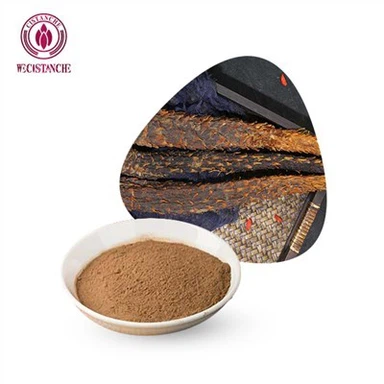
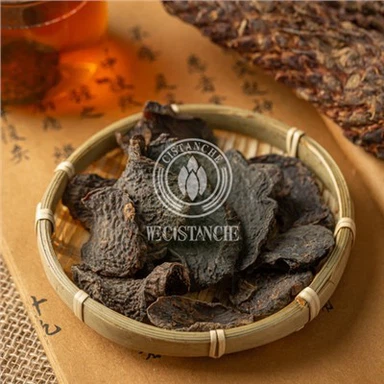
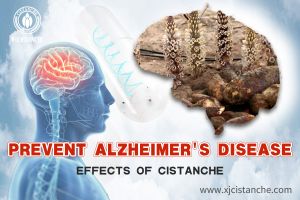
Conventional PD management focuses on symptom suppression, while natural herbal extracts deliver multi-target neuroprotective effects to slow dopamine neuron loss, ease neuroinflammation and improve non-motor symptoms like sleep disturbance, constipation and low mood. As a premium TCM botanical known as "Desert Ginseng", Xinjiang-originated Cistanche Tubulosa stands out for its verified brain-supporting mechanisms, with abundant scientific evidence validating Cistanche benefits for the human brain and anti-PD auxiliary effects.
5.1 TCM Holistic Logic for Brain Protection
Traditional Chinese medicine holds that "kidney essence nourishes brain marrow". Aging and chronic stress deplete kidney essence, leading to insufficient brain marrow, neural degeneration, slow movement, poor memory and emotional instability-core manifestations matching PD's clinical profile. Cistanche Tubulosa features mild warm properties that tonify kidney essence without generating internal heat, replenishing brain marrow from the root to mitigate age-related neural decline. It also lubricates intestinal tracts to relieve PD-related chronic constipation, addressing a key non-motor discomfort source.

Supportive Service Of Wecistanche-For more details about cooperation
Email:Lijianlin@wecistanche.com
5.2 Modern Pharmacology: How Cistanche Tubulosa Protects Dopaminergic Neurons
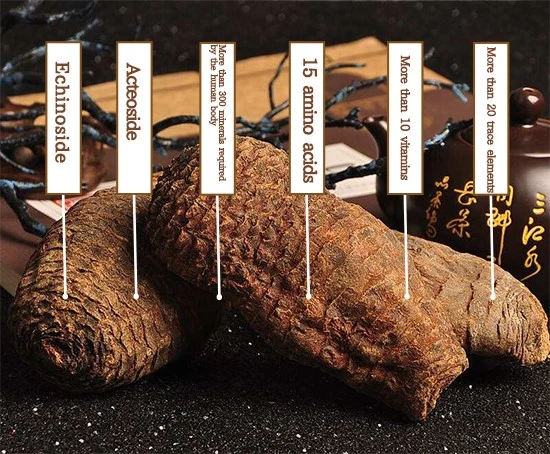
Cistanche Tubulosa's signature bioactive compounds-echinacoside and acteoside (phenylethanoid glycosides)-cross the blood-brain barrier to exert multi-pathway neuroprotective effects, with clear relevance to Parkinson's disease pathology:
Preserve dopamine neurons: Inhibit neural cell apoptosis, raise tyrosine hydroxylase (TH) expression and slow the loss of dopamine-producing cells in the substantia nigra, maintaining balanced brain dopamine levels.
Suppress neuroinflammation: Block overactive NF-κB pathways, reduce pro-inflammatory cytokines TNF-α, IL-1β and IL-6 to relieve chronic brain inflammation, a major driver of progressive neurodegeneration.
Neutralize oxidative stress: Activate the Nrf2 antioxidant pathway to eliminate free radicals, reduce mitochondrial damage and lower oxidative injury to neural tissue.
Boost neurotrophic factors: Elevate GDNF expression to repair damaged nerve synapses, improve signal transmission and ease movement sluggishness, rigidity and tremor severity.
Regulate mood and sleep: Modulate central nervous system neurotransmitters to relieve PD-linked anxiety, depression and sleep disorders.
Notably, Hotan Xinjiang Cistanche Tubulosa accumulates 30%–50% higher phenylethanoid glycoside content than other Cistanche varieties, delivering stronger, more stable neuroprotective potency.

6. Wecistanche: Global Premium Supplier of High-Activity Cistanche Tubulosa Extract
Chengdu Wecistanche Bio-Tech Co., Ltd., founded in 2003, operates the world's largest integrated Cistanche Tubulosa industrial chain centered in Luopu County, Xinjiang-the premium origin of high-potency Cistanche raw materials. Our full industrial chain guarantees standardized, high-brain-benefit extracts for global supplement, functional food and skincare brands:
Complete planting & processing chain: 200,000 acres standardized Cistanche base, including 20,000-acre seed breeding fields and 85,000-acre cultivation land, 15,000-ton fresh herb storage capacity and a GMP factory processing 20,000 tons of botanicals yearly. We control every link to stabilize core neuroprotective active ingredient levels.
Top-tier production standards: 100,000-class GMP clean workshops, 10,000-grade microbial testing labs, advanced ultrafiltration and nanofiltration technology to retain maximum echinacoside and acteoside without chemical degradation.
Global authoritative certifications: SC, HACCP, USDA NOP organic, OIA organic, HALAL, KOSHER and High-Tech Enterprise credentials, plus 14 proprietary extraction patents including membrane separation technology to amplify brain-supporting compound yield.
World-class R&D team: Chief Scientist Professor Pengfei Tu from Peking University School of Pharmacy leads long-term joint research with Peking University, Shanghai Jiao Tong University and Japanese pharmaceutical universities, continuously optimizing extract formulas to maximize Cistanche benefits for the human brain and anti-neurodegenerative applications.
Wide compliant application scenarios: Our standardized Cistanche Tubulosa extracts meet US and EU ingredient safety standards, customizable for brain health supplements, anti-aging functional beverages, herbal formulations and neuro-support skincare.
For over a decade, we supply premium high-activity Cistanche Tubulosa raw materials to brands across North America, Europe and Southeast Asia, offering natural botanical alternatives for consumers developing brain health and age-related neurodegeneration support products. Visit our official factory page https://www.xjcistanche.com/about-us to view full qualification documents, lab test reports and customizable extract specifications.

Conclusion
Parkinson's Disease is a lifelong chronic neurodegenerative disorder requiring multi-dimensional long-term management, covering early screening, standardized medication, surgical intervention, persistent exercise and daily lifestyle regulation. While synthetic drugs and DBS surgery target acute motor symptoms, they cannot reverse underlying chronic neuroinflammation and dopamine neuron loss.
High-potency Xinjiang Cistanche Tubulosa extract fills this gap with dual advantages of TCM holistic regulation and modern verified neuropharmacology. Its core phenylethanoid glycosides deliver comprehensive brain protection: safeguarding dopamine neurons, suppressing neuroinflammation, reducing oxidative stress and easing non-motor symptoms such as constipation, anxiety and sleep disturbance. For global health brands developing natural brain support, anti-aging and neurodegeneration adjuvant supplements, Wecistanche's high-origin, high-activity Cistanche Tubulosa extract is a competitive, science-backed raw material with proven Cistanche benefits for the human brain.
This article is for educational and raw material promotion purposes only, summarizing published TCM theories and phytopharmacological research. Cistanche Tubulosa extract is a botanical raw material and cannot replace prescription neurological medication or clinical PD treatment. Patients with Parkinson's disease must follow professional doctors' guidance for formal therapy. Herbal supplement effects vary by individual physical condition.