Understanding Cistanche: Benefits, Uses & Potential Side Effects
Apr 15, 2025
Many people are unfamiliar with Cistanche and its medicinal uses, which can lead to confusion when purchasing or using it. As with any herbal supplement, it's important to understand its properties, benefits, and potential risks before use, especially to ensure it's used safely and effectively.
What is Cistanche?
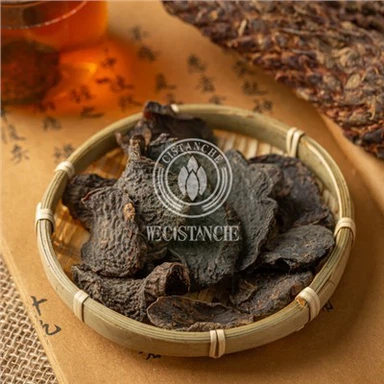
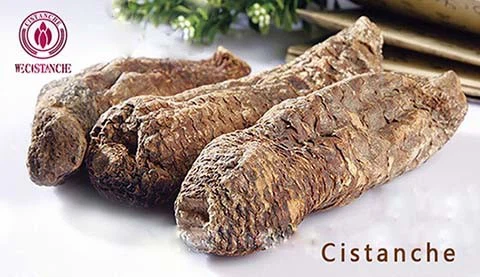
Cistanche, also known as Rou Cong Rong in Traditional Chinese Medicine (TCM), goes by several other names such as Suo Yang, Zong Rong, Di Jing, Golden Bamboo, and Da Yun. It refers to the fleshy stems of parasitic plants in the Orobanchaceae family, particularly Cistanche deserticola and Cistanche tubulosa.
Active Compounds
Modern analysis has found that Cistanche contains:
Phenylethanoid glycosides (e.g. echinacoside, acteoside)
Minor alkaloids
Neutral crystalline substances
These components contribute to its antioxidant, neuroprotective, and immune-regulating properties.
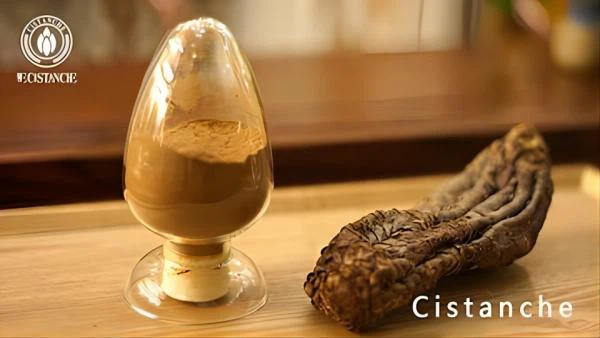
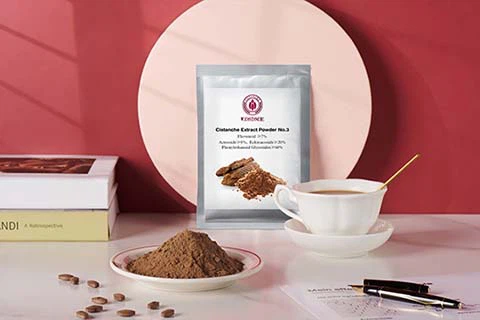
High Quality Cistanche Extract With High Phenylethanoid Glycosides
Traditional Uses & Claimed Benefits
In Traditional Chinese Medicine, Cistanche is commonly used to:
Tonify the kidneys and replenish essence (补肾益精)
Moisten dryness and promote bowel movement (润燥滑肠)
Treat male impotence, infertility, chronic constipation, lower back pain, and gynecological disorders
Classical TCM texts describe its use in treating:
Sexual dysfunction and reproductive health in both men and women
Chronic fatigue syndromes (the "Five Taxations and Seven Injuries")
Constipation in the elderly due to dryness
Muscle weakness and poor circulation

Common Traditional Formulas (Simplified Overview)
Cistanche is often combined with herbs like Dodder Seed, Schisandra, Psoralea, Eucommia, and Yam in herbal pills or decoctions. These are used to:
Strengthen sexual and reproductive function
Relieve lumbar weakness
Treat infertility and chronic fatigue
Promote digestive and urinary health
Modern Medical Perspective
From a modern pharmacological viewpoint, studies suggest that Cistanche may have the following effects:
Neuroprotective: May support memory and cognitive function
Immunomodulatory: Enhances immune response
Anti-aging: Through antioxidant properties
Laxative: Helps in treating constipation, especially in older adults
Hormonal modulation: May influence androgen levels and reproductive hormones
However, more clinical research is needed to confirm these effects in humans.
Potential Side Effects & Contraindications
Although Cistanche is generally considered safe for most people, it may not be suitable for everyone.
Avoid in cases of:
Chronic diarrhea or loose stools (due to its moistening nature)
Excessive internal heat or hyperactivity of Yang (especially kidney fire)
Gastrointestinal weakness
People with strong "Yang" symptoms (e.g. night sweats, dry mouth, restlessness)
Traditional cautions:
Avoid using iron or copper utensils when preparing the herb
Not recommended for those with hypertension, prostatitis, or heart conditions without medical supervision
Conclusion
Understanding both the traditional and modern perspectives of Cistanche can help users make informed decisions. While it may offer a range of health benefits - especially for energy, reproductive health, and aging-related conditions - it should always be used under the guidance of a qualified healthcare professional, especially for those with pre-existing medical conditions.
As with all herbal medicines, personalization is key, and what works well for one person may not be suitable for another.