Osteonecrosis Of The Femoral Head: Risks, Prevention & How Cistanche Tubulosa Supports Long-Term Bone Health
Jul 21, 2026
Introduction: Why Your Femoral Head Is Your Most Vulnerable Bone
The femoral head is the round ball at the top of your thigh bone, acting as the body's primary weight-bearing bearing. Every standing step, squat, stair climb, and twist of the hip relies on this tiny bone to bear full body load. Unfortunately, it ranks as the most injury-prone skeletal structure, and avascular osteonecrosis of the femoral head (ONFH) stands as its most devastating orthopedic disorder worldwidePMC.
Avascular necrosis develops when blood flow to the femoral head gets blocked or drastically reduced. Without steady oxygen and nutrient supply, bone cells die, trabecular bone shrinks and deforms, and irreversible joint damage unfolds. Early-stage ONFH often carries zero obvious discomfort, so most patients miss the optimal intervention window. As the illness advances, persistent hip pain, limited mobility, muscle atrophy, and permanent hip disability follow. Severe late-stage cases leave patients unable to dress, bathe, or walk independently.
Beyond physical agony, ONFH imposes heavy burdens: long-term treatment costs, slow recovery cycles, and chronic anxiety, depression, and low self-esteem in sufferers. Globally, over 20,000 new ONFH cases are diagnosed in the U.S. annually, and this disease accounts for 10% of all total hip replacement surgeries performed each yearNational C.... Heavy alcohol consumption, long-term steroid medication, untreated hip trauma, obesity, and sedentary lifestyles are the top five trigger factors.
Conventional conservative therapies offer limited hip-preserving outcomes, while surgical replacements carry recovery risks and lifespan limitations for younger patients. This gap has driven global nutraceutical brands to seek plant-based bone-support alternatives rooted in traditional herbal medicine-Cistanche Tubulosa, widely recognized for cistanche benefits for bone health, emerges as a science-backed natural solution to safeguard femoral microcirculation and balance bone metabolism.

Part 1: Severe Long-Term Harms of Untreated Femoral Head Osteonecrosis
Progressive Bone Degeneration & Permanent Joint Disability Avascular necrosis develops deep within the hip joint, silent in its initial phase. Internal bone cell death and trabecular deformation progress undetected for months or years. Once pain emerges, the femoral head has already lost structural integrity. As the core component of the hip joint, damaged femoral heads trigger swelling, thigh muscle atrophy, and complete hip movement restriction. Late-stage bone collapse locks patients into constant lower-body pain, eliminating basic mobility.
Chronic Inflammation & Secondary Skeletal Complications Dead bone tissue triggers persistent inflammatory responses that spread to surrounding cartilage, lumbar spine, and knee joints. Many ONFH patients develop secondary lower back strain, knee arthritis, and generalized osteoporosis as disrupted bone metabolism weakens the entire skeletal framework.
Heavy Psychological & Economic Burdens Surgical hip replacement, long-term physical therapy, and repeated imaging tests create substantial financial pressure. Persistent immobility strips patients of work capacity and daily autonomy, triggering chronic stress, anxiety, and low mood disorders. Research confirms unmanaged mental stress further worsens bone microcirculation, accelerating bone tissue degeneration in a vicious cycle.
Alcohol-Induced ONFH: The Most Preventable Crippling Bone Condition Chronic heavy drinking is one of the leading non-traumatic causes of avascular necrosis. Binge drinking, daily heavy alcohol intake, and frequent holiday alcohol gatherings disrupt lipid metabolism, spike blood viscosity, harden blood vessel walls, and block tiny capillaries feeding the femoral head. Alcohol directly suppresses osteoblast activity, speeds osteoporosis, and accelerates bone cell apoptosis-even moderate weekly heavy drinking accumulates vascular damage that raises ONFH risk dramatically

Part 2: Key Warning Signs of Femoral Head Osteonecrosis (Do Not Ignore)
Watch for these red flags, especially if you drink regularly, take long-term steroids, or have a history of hip injury:
Deep hip pain: Dull aching in the groin or buttocks, worsening with walking, squatting, or weight-bearing, slight relief after rest. Advanced stages bring constant unrelenting pain.
Restricted hip mobility: Difficulty crossing legs, bending deep, climbing stairs, or rotating the hip freely.
Limp gait: Uneven walking caused by pain and femoral head collapse, with inability to fully bear weight on the affected leg.
Lower limb weakness: Unilateral or bilateral gluteal and thigh muscle weakness, unstable standing, and easy fatigue during light movement.
Anyone with sustained alcohol intake or mild hip discomfort should complete an MRI hip scan for early screening-early intervention drastically cuts the risk of permanent disability.
Treatment Outlook for Alcoholic Avascular Necrosis
Early-stage (no bone collapse): Complete alcohol cessation, reduced weight-bearing, physical therapy, and natural bone-support supplements like high-potency Cistanche Tubulosa extract to restore microcirculation and protect bone cells.
Mid-to-late stage (bone collapse/deformed joint): Conservative treatment loses efficacy. Patients require hip-preserving vascularized bone graft surgery; extreme cases demand artificial hip replacement to restore basic mobility.

Part 3: Science-Backed Daily Prevention Rules for Healthy Hip & Femoral Head
Without reliable curative hip-preserving drugs, proactive prevention becomes critical for high-risk groups (heavy drinkers, long-term steroid users, hip injury survivors, sedentary office workers). Below are actionable daily habits to lower ONFH risk, paired with how cistanche benefits for bone health reinforce each protective measure.
1. Maintain Targeted Hip Mobility Exercise
Prolonged sitting compresses hip blood vessels, causing stiffness and sluggish femoral microcirculation. Add daily low-impact hip movement: gentle hip rotations, slow squats, and light walking. Warm up fully before exercise to avoid joint strain. Consistent movement boosts capillary blood flow to the femoral head, delivering oxygen and nutrients to bone tissue.
Supplementary support from Cistanche Tubulosa: Its core active compounds echinacoside and acteoside dilate peripheral microvessels, improving blood circulation to deep joint tissue even during sedentary periods, offsetting circulation damage from long sitting.
2. Fix Poor Posture & Strengthen Lumbar Support
Slouched sitting, uneven weight standing, and weak lower back muscles create uneven pressure on the hip joint, distorting femoral head load distribution. Add 10-minute daily lumbar stretches to balance skeletal pressure and reduce chronic hip strain.
3. Stabilize Mental State & Reduce Chronic Stress
Prolonged stress disrupts endocrine balance, elevates inflammatory cytokines, and impairs bone marrow blood supply. Uncontrolled negative emotions worsen vascular constriction, compounding hip circulation issues. Prioritize daily relaxation to support systemic physiological balance.
4. Balanced, Low-Inflammatory Diet
Overeating and high-sugar, high-fat diets trigger obesity and elevated blood lipids-two major risk factors blocking femoral blood flow. Follow these guidelines:
Low salt, low oil, limited added sugar; maintain healthy body weight.
Consume 20–30g unsalted nuts daily, paired with regular sun exposure to boost calcium absorption and bone mineral density.
Cistanche Tubulosa extract complements nutritional bone care: it regulates lipid metabolism to reduce blood viscosity, preventing fatty capillary blockages that drive alcoholic osteonecrosis, while boosting calcium mineralization in bone trabeculae.
5. Strictly Limit Alcohol Intake (Primary Prevention Rule)
Global health guidelines set safe daily alcohol limits: maximum 25g pure alcohol for adult men, 15g for women. Pregnant people, adolescents, and anyone with joint discomfort must abstain entirely. Avoid daily drinking, binge sessions, mixed spirits, and empty-stomach alcohol consumption to minimize vascular damage.
6. Minimize Corticosteroid Use
Long-term high-dose steroid medication damages osteoblasts, disrupts bone remodeling, and triggers fatty bone marrow degeneration. If steroids are medically necessary, follow short, low-dosage regimens, paired with vitamin D and vasodilators as directed by physicians. High-potency Cistanche Tubulosa extract counteracts steroid-induced bone loss by balancing the OPG/RANKL bone remodeling pathway, reducing excessive bone resorption caused by hormone therapyTaylor & F....
7. Fully Recover From All Hip Trauma
Any hip fracture, sprain, or contusion requires complete rest and medical treatment before weight-bearing activity. Unhealed hip injuries permanently damage femoral blood vessels, drastically raising later osteonecrosis risk.

Part 4: Cistanche Tubulosa: Natural Herbal Bone Protection – The Core of Cistanche Benefits for Bone Health
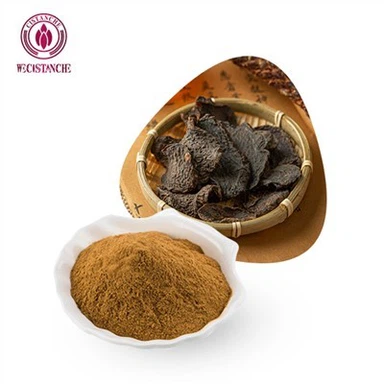
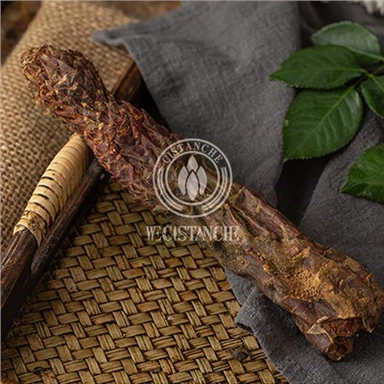
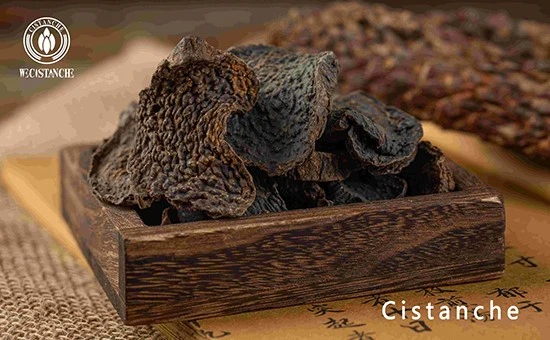
For thousands of years, Traditional Chinese Medicine classified Cistanche Tubulosa as the "Desert Ginseng", a kidney-tonifying herb that nourishes essence and strengthens bones. Modern peer-reviewed scientific research has decoded its multi-pathway bone-protective mechanisms, making it a premium plant raw material for global bone health supplement manufacturers.
How Cistanche Tubulosa Protects Femoral Head & Prevents Osteonecrosis
Improves deep bone microcirculation Echinacoside and acteoside (phenylethanoid glycosides unique to Cistanche Tubulosa) relax tiny hip capillaries, reduce blood viscosity, reverse alcohol-induced vascular contraction, and restore steady nutrient flow to the femoral head-directly targeting the root cause of avascular necrosis: insufficient blood supplypubmed-d.n....
Balances bone remodeling (boost bone formation, slow bone breakdown) Extract compounds stimulate osteoblast proliferation and mineralization while suppressing overactive osteoclasts. This stabilizes trabecular bone structure, raises bone mineral density, and stops bone tissue atrophy and collapse, even under steroid or alcohol stressFrontiers.
Reduces oxidative bone cell death Chronic alcohol and inflammation trigger oxidative stress that kills femoral bone cells. Cistanche Tubulosa's powerful antioxidants neutralize free radicals, prevent bone cell apoptosis, and slow progressive bone tissue damage.
Relieves joint inflammation It lowers pro-inflammatory factors TNF-α and IL-6, easing persistent hip, lumbar, and knee discomfort linked to poor bone circulation.
Regulates lipid metabolism Cuts excess blood lipids and marrow fatty degeneration, eliminating fatty capillary blockages caused by long-term drinking-an essential defense against alcoholic femoral head necrosis.

Supportive Service Of Wecistanche-For more details about cooperation
Email:Lijianlin@wecistanche.com
Why Our Cistanche Tubulosa Extract Outperforms Other Cistanche Varieties
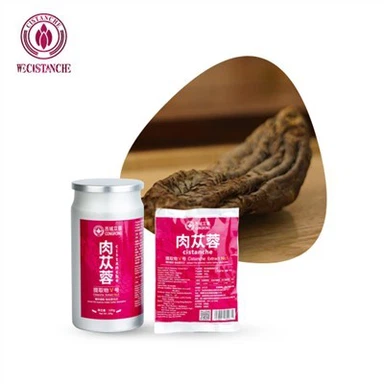
As a professional independent Cistanche Tubulosa extract manufacturer, our factory specializes in high-activity 管花肉苁蓉 raw material processing, with distinct advantages over common Cistanche deserticola:
Higher active ingredient concentration: Our standardized extract delivers 40–60% total phenylethanoid glycosides (echinacoside + acteoside), far exceeding the potency of other cistanche species, delivering stronger cistanche benefits for bone health per gram.
Full vertical industrial chain: 200,000 mu dedicated Cistanche Tubulosa plantations, GMP-certified 100,000-class clean production workshops, patented membrane separation purification technology, and complete third-party safety certification (PONY, HACCP, SC).
Stable, consistent raw material supply: We provide bulk extract powder for nutraceutical brands, joint health supplement lines, and herbal formulation developers worldwide.

Part 5: Combine Daily Prevention & Cistanche Tubulosa Extract for Long-Term Hip Safety
For high-risk populations (regular drinkers, long-term steroid users, sedentary office workers, aging adults concerned about osteoporosis):
Cut alcohol intake or quit entirely; avoid back-to-back drinking events.
Add 15–20 minutes of gentle hip movement daily to maintain joint circulation.
Optimize diet, posture, and mental stress management to reduce systemic inflammation.
Integrate standardized high-potency Cistanche Tubulosa extract into daily nutritional support to sustain bone microcirculation, balance bone metabolism, and lower femoral head necrosis risk naturally.
Natural herbal support cannot replace medical treatment for diagnosed osteonecrosis, but consistent supplementation significantly slows early-stage bone degeneration and reduces surgical risk when paired with clinical care.
This article is for educational and nutritional reference only, not medical advice. Cistanche Tubulosa extract is a plant nutraceutical raw material and shall not replace prescription medication or professional orthopedic treatment. Readers with confirmed hip disease, steroid dependence, or chronic alcoholism must consult a licensed physician for personalized diagnosis and treatment plans before adding herbal supplements.