Cistanche Deserticola: Breaking The Deadlock Of Chemotherapy Resistance And Opening Up New Hope For The Treatment Of Osteosarcoma?
Dec 16, 2025
Osteosarcoma: chemotherapy resistance dilemma
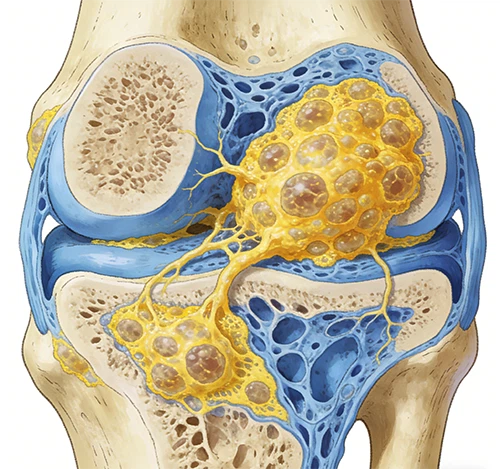
Among the many diseases of the skeletal system, osteosarcoma is the most common primary malignant bone tumor, which is more common in children and adolescents, especially in the metaphysis of long bones such as the distal femur, proximal tibia, and proximal humerus. Patients in this age group, who should be full of vitality and pursuing their dreams, are mercilessly enveloped by the "devil" of osteosarcoma. It not only causes local pain and swelling, seriously affecting the patient's quality of life, but also easily metastasizes, such as lung metastasis, which greatly threatens the patient's life.
Chemotherapy, as an important component of comprehensive treatment for osteosarcoma, has significantly improved the 5-year survival rate of patients in the past few decades. Neoadjuvant chemotherapy can reduce tumor volume and staging before surgery, creating better conditions for surgery; Adjuvant chemotherapy can further kill residual tumor cells after surgery and reduce the risk of recurrence. But the problem of chemotherapy resistance is like an insurmountable mountain, hindering the smooth progress of treatment. About 30-40% of patients have a poor response to first-line chemotherapy or eventually relapse, which makes their prognosis extremely poor. Once chemotherapy resistance occurs, tumor cells are like being covered with a layer of "protective armor". Conventional chemotherapy drugs are difficult to effectively kill them, and the tumor will continue to grow and spread. Patients face a higher risk of amputation or even death. So, is there a way to break this dilemma? In recent years, more and more attention has been focused on the traditional Chinese medicinal herb Cistanche deserticola.
Magical Cistanche deserticola
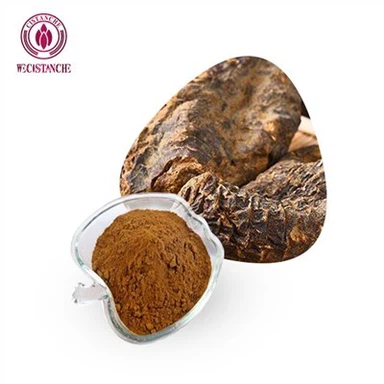
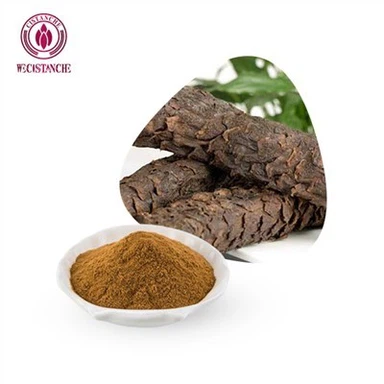
Cistanche deserticola, a parasitic plant that grows in the desert, is known as the "desert ginseng". In deserts such as Inner Mongolia, Xinjiang, and Gansu in China, it parasitizes on the roots of red willow trees, absorbs nutrients from the earth, and grows over a long period of time. Its growth environment is extremely harsh, but it has also nurtured unique medicinal value and occupies an important position in traditional Chinese medicine.
Since ancient times, Cistanche deserticola has been regarded as a good medicine for tonifying kidney yang and nourishing essence and blood. According to the Compendium of Materia Medica, Cistanche deserticola has a sweet and salty taste, a warm nature, and is non-toxic. It is known for its five functions and seven injuries, tonifying the middle, removing cold, heat, and pain from the stem, nourishing the five organs, strengthening yin, nourishing essence and qi, increasing fertility, and treating women's health problems. Long-term use of Cistanche deserticola is commonly used to treat symptoms such as impotence, infertility, soreness of the waist and knees, and weakness of muscles and bones caused by kidney yang deficiency and deficiency of essence and blood. It also has good therapeutic effects on intestinal dryness and constipation caused by kidney yang deficiency and deficiency of essence and blood in the elderly. Its warm but not dry, and nourishing but not greasy characteristics have made it a highly frequently used tonic drug in the prescriptions for kidney tonifying and yang strengthening throughout history.
With the development of modern science and technology, research on Cistanche deserticola has become increasingly in-depth. Scientists have discovered that Cistanche deserticola is rich in various bioactive compounds, such as phenylethanolic glycosides, polysaccharides, and cyclohexene ether terpenes. These compounds endow Cistanche deserticola with multiple health benefits. In addition to traditional kidney tonifying effects, it also has antioxidant, immune-regulating, and neuroprotective effects. In the field of anti-tumor, the performance of Cistanche deserticola is particularly remarkable, especially in promoting apoptosis of chemotherapy-resistant osteosarcoma cells, showing great potential and bringing new hope to osteosarcoma patients.
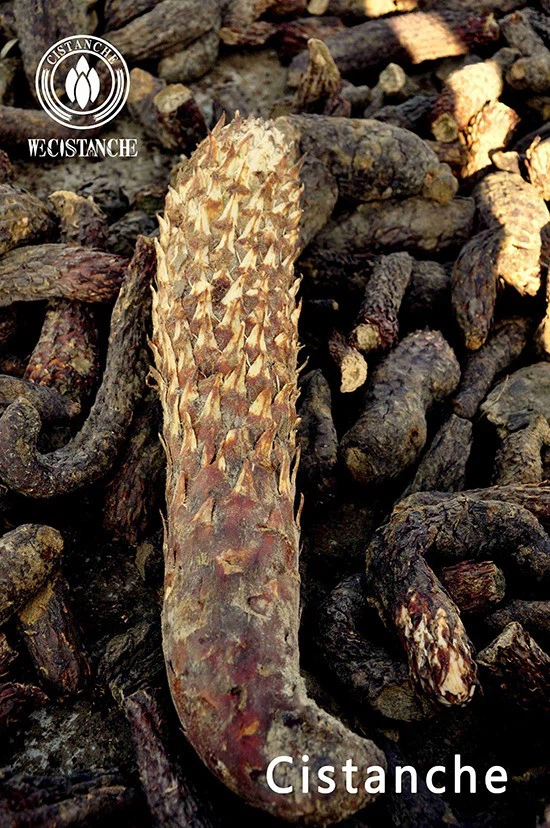
Cistanche
Research reveals the anti-cancer potential of Cistanche deserticola
(1) Experimental Design and Methods
In order to further investigate the effect and mechanism of Cistanche deserticola on apoptosis of chemotherapy-resistant osteosarcoma cells, researchers have carefully designed a series of experiments. Firstly, human osteosarcoma chemotherapy-resistant MG-63 cells were selected as the research subjects. This is a commonly used cell line in osteosarcoma research, which has the characteristics of chemotherapy resistance and can well simulate the situation of osteosarcoma patients developing resistance to chemotherapy drugs in clinical practice.
Next, SD rats were orally administered a solution of Cistanche deserticola to obtain drug-containing serum. Rats were divided into high, medium, and low dose groups and blank groups, and given different concentrations of Cistanche deserticola aqueous solution by gavage. After a period of time, serum was collected, which contained different concentrations of active ingredients from Cistanche deserticola. In terms of cell experiments, MG-63 cells were cultured using an adherent culture method, and the half maximal inhibitory concentration (IC50) of methotrexate (MTX) before drug intervention was detected using the MTT assay. This value can reflect the sensitivity of cells to MTX. According to the test results, MG-63 cells were divided into high-dose group (A), medium-dose group (B), low-dose group (C), and blank group (N).
Using MTX with an IC50 concentration to intervene in each group of adherent cells, after 24 hours, corresponding Cistanche deserticola-containing serum was added to groups A, B, and C, and control serum was added to the blank group. Then, the intervention was continued until the saline group cells grew stably in MTX with an IC50 concentration, and the intervention was stopped in each group. The entire experimental process was rigorous and meticulous, with each step being repeatedly considered and validated to ensure the accuracy and reliability of the experimental results.
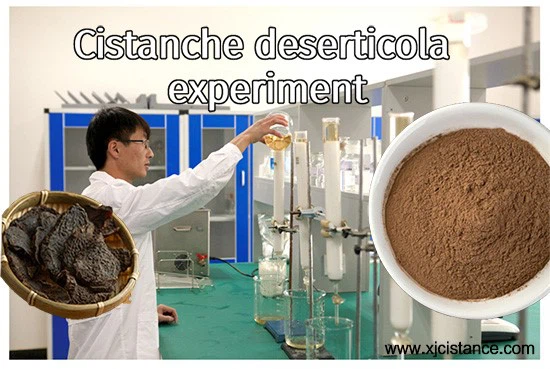
Cistanche deserticola experiment
(2) The experimental results are presented in a stunning manner
After a series of complex and rigorous experimental operations, exciting results finally surfaced. The MTT assay results showed that the resistance index (RI) of cells in groups A, B, C, and N after intervention was 1.80, 2.55, 2.84, and 3.74, respectively. This indicates that the serum containing Cistanche deserticola can significantly reduce the drug resistance index of cells, with the high-dose group showing the most significant effect. The drug resistance index decreased significantly compared to the blank group, indicating that Cistanche deserticola has a significant reversal effect on the resistance of chemotherapy-resistant osteosarcoma MG-63 cells.
In the detection of multidrug resistance protein 1 (MRP1) expression, flow cytometry results showed that the expression of MRP1 in all groups of cells was downregulated after intervention with Cistanche deserticola containing serum, and there was a significant statistical difference compared with the blank group (P<0.001). MRP1 is a protein closely related to multidrug resistance in tumor cells, which can pump chemotherapy drugs out of the cell, thereby reducing the concentration of drugs in the cell and causing tumor cells to develop resistance to chemotherapy drugs. Cistanche deserticola can downregulate the expression of MRP1, which means it can reduce the efflux of chemotherapy drugs by tumor cells, increase the concentration of chemotherapy drugs in cells, and enhance the killing effect of chemotherapy drugs on tumor cells.
In the detection of P53 protein expression, Western blot results showed that compared with the blank group, the expression of P53 protein was downregulated in all groups after drug intervention, and there was statistical significance among the groups (P<0.01). P53 protein is an important tumor suppressor protein, but in some cases, its abnormal expression may also be related to drug resistance and apoptosis resistance of tumor cells. Cistanche deserticola downregulates the expression of P53 protein, possibly by regulating related signaling pathways, breaking the apoptosis resistance of tumor cells, and promoting cell apoptosis. These experimental results fully demonstrate the significant role of Cistanche deserticola in promoting apoptosis of chemotherapy-resistant osteosarcoma cells, providing new ideas and methods for the treatment of osteosarcoma.
In-depth Analysis: Unveiling the Mechanism of Action
(1) Downregulate MRP1 protein to overcome drug resistance challenges
Multidrug resistance-associated protein 1 (MRP1) plays a crucial role in the drug resistance mechanism of tumor cells. It belongs to the ATP-binding cassette (ABC) transporter superfamily and is like a hardworking "transporter", but this "transporter" is a "nightmare" for chemotherapy drugs. MRP1 can utilize the energy generated by ATP hydrolysis to continuously pump chemotherapy drugs that enter tumor cells out of the cell, making it difficult for the concentration of chemotherapy drugs inside the cell to reach the level that effectively kills tumor cells, resulting in tumor cells developing resistance to chemotherapy drugs. In osteosarcoma, high expression of MRP1 is one of the important reasons for chemotherapy resistance, which seriously hinders the efficacy of chemotherapy.

effects of cistanche-antitumor
Click here to view Cistanche Improve Immunity products
【Ask for more】 Email: xue122522@foxmail.com / WhatsApp 0086 18599088692 / WeWeChat18599088692
The appearance of Cistanche deserticola is like pressing the pause button for this' crazy porter '. Research has shown that after intervention with serum containing Cistanche deserticola, the expression of MRP1 in chemotherapy-resistant osteosarcoma MG-63 cells is significantly downregulated. This discovery is of great significance. When the expression of MRP1 decreases, the ability of tumor cells to efflux chemotherapy drugs will be greatly weakened. It's like blocking the "channel" for chemotherapy drugs to flow out of cells, allowing them to accumulate in large quantities inside the cells, thereby increasing the concentration of chemotherapy drugs inside the cells. High-concentration chemotherapy drugs can better exert their killing effect on tumor cells, enhance the killing power of chemotherapy drugs on osteosarcoma cells, and effectively reverse the chemotherapy resistance of osteosarcoma cells. It's like in the battle against tumor cells, Cistanche deserticola helps chemotherapy drugs break through the defense line of resistance, allowing chemotherapy drugs to regain their power and deliver a powerful blow to tumor cells.
(2) Regulating the P53 protein and restarting the apoptosis program
P53 protein, known as the "guardian of the genome", plays a crucial role in cellular life activities. Under normal circumstances, the P53 protein can monitor DNA damage in cells. When cells are stimulated by external factors such as chemotherapy drugs, leading to DNA damage, the P53 protein is activated. The activated P53 protein can maintain genomic stability and normal cellular function through various pathways. On the one hand, it can promote cell cycle arrest, temporarily stopping cell division and buying time for DNA repair; On the other hand, if the DNA damage is too severe to repair, the P53 protein will initiate the cell apoptosis program, causing the damaged cells to die and thus avoiding the occurrence of cancer.
However, in tumor cells, the function of the P53 protein often exhibits abnormalities. In chemotherapy-resistant osteosarcoma cells, the expression and dysfunction of the P53 protein make tumor cells resistant to chemotherapy-induced apoptosis, which is also one of the important reasons for chemotherapy failure. And Cistanche deserticola showed unique regulatory effects in this process. Research has found that the serum containing Cistanche deserticola can downregulate the expression of P53 protein in chemotherapy-resistant osteosarcoma MG-63 cells. This downregulation is not simply a decrease in protein content, but rather a rebalancing of the apoptotic signaling pathway within cells through sophisticated regulatory mechanisms. When the expression of P53 protein is downregulated, the previously suppressed apoptosis-related proteins and signaling pathways in the cell are reactivated, as if restarting the apoptosis program of tumor cells. Tumor cells can no longer resist the apoptosis-inducing effect of chemotherapy drugs and begin to move towards the path of apoptosis. Cistanche deserticola breaks the apoptosis resistance of tumor cells by regulating the P53 protein, opening up a path for chemotherapy drugs to induce tumor cell apoptosis, further enhancing the killing effect on chemotherapy-resistant osteosarcoma cells, and bringing new hope for the treatment of osteosarcoma.

effects of cistanche-antitumor
Clinical application prospects and challenges
The research results of Cistanche deserticola in promoting apoptosis of chemotherapy-resistant osteosarcoma cells undoubtedly open up a promising new path for the clinical treatment of osteosarcoma. In theory, combining Cistanche deserticola with traditional chemotherapy has many significant advantages. Cistanche deserticola can effectively reverse the resistance of chemotherapy-resistant osteosarcoma cells, enhance the killing effect of chemotherapy drugs on tumor cells, and restore the sensitivity of tumor cells that were originally insensitive to chemotherapy drugs to chemotherapy. This means that in clinical treatment, combination therapy can more effectively reduce tumor volume, lower tumor staging, create better conditions for surgical resection, and improve the success rate and thoroughness of surgery. At the same time, for patients who are unable to undergo surgery, combination therapy can better control the growth and spread of tumors and prolong their survival.
In addition, as a natural Chinese medicinal herb, Cistanche deserticola has lower toxicity and side effects compared to some chemically synthesized drug resistance reversal agents. Many chemical resistance reversal agents, while exerting their effects, often bring a series of adverse reactions to patients, such as nausea, vomiting, bone marrow suppression, etc., seriously affecting their quality of life and treatment compliance. In the process of regulating tumor cell resistance, Cistanche deserticola has a relatively small impact on normal cells and the physiological functions of the body, making it easier for patients to tolerate. This is crucial for long-term treatment of osteosarcoma patients. It can not only alleviate the pain of patients during the treatment process, but also improve their quality of life and enhance their confidence in overcoming the disease.
However, from laboratory research to widespread clinical application, Cistanche deserticola still faces many serious challenges. Firstly, current research on Cistanche deserticola mostly remains at the stage of cell experiments and animal experiments. Although these experiments have achieved encouraging results, there are certain differences between cell experiments and animal experiments, and the physiological and pathological environment of the human body. The human body is an extremely complex system, and the metabolic processes, mechanisms of action, and interactions with other organs and systems of drugs in the human body are much more complex than in cellular and animal models. Therefore, large-scale, multicenter, randomized controlled clinical trials are needed to fully validate the safety and efficacy of Cistanche deserticola in humans. Only through rigorous clinical trials can the optimal dosage, mode of use, and course of treatment for Cistanche deserticola be determined, providing a reliable basis for clinical application.
Secondly, the quality control of Cistanche deserticola is also an urgent issue that needs to be addressed. The quality of Cistanche deserticola is influenced by various factors, such as place of origin, harvest season, and processing methods. The content and types of active ingredients in Cistanche deserticola from different regions may vary significantly. For example, the content of active ingredients such as phenylethanolic glycosides and polysaccharides may differ between Cistanche deserticola produced in Inner Mongolia and Xinjiang. Improper harvesting season can also lead to a decrease in the medicinal value of Cistanche deserticola. If harvested too early, Cistanche deserticola may not have fully grown and developed, resulting in lower levels of active ingredients; If harvested too late, Cistanche deserticola may be affected by pests and diseases, and its quality may deteriorate. The processing method can also affect the medicinal efficacy of Cistanche deserticola. Different processing methods, such as wine making and salt making, may alter the structure and content of active ingredients in Cistanche deserticola, thereby affecting its therapeutic effect. Therefore, establishing a comprehensive quality standard system for Cistanche deserticola and strengthening quality control over all aspects of its cultivation, harvesting, processing, and storage to ensure stable and controllable quality is the key to achieving its clinical application.
Furthermore, although there have been some research results on the mechanism of action of Cistanche deserticola, there are still many unknown aspects. In addition to downregulating the expression of MRP1 and P53 proteins, Cistanche deserticola may also exert its effects through other signaling pathways and molecular mechanisms. In-depth research on the mechanism of action of Cistanche deserticola not only helps to better understand its anti-tumor principles but also provides theoretical support for further optimizing treatment plans. For example, if other targets of Cistanche deserticola can be identified, more targeted combination therapy can be developed to improve treatment efficacy. Meanwhile, the interaction mechanism between Cistanche deserticola and chemotherapy drugs also needs further research. Understanding how they work together and whether any interactions affect drug efficacy or increase toxic side effects is crucial for rational drug use.

Cistanche supplement near me-Improve immunity
Although Cistanche deserticola has shown great potential in the treatment of osteosarcoma, its clinical application still requires the joint efforts of researchers, clinical doctors, and related enterprises to overcome numerous difficulties and bring more hope to osteosarcoma patients.
Looking ahead to the future: the integration of traditional and modern medicine
The achievements of Cistanche deserticola in the treatment of osteosarcoma are not only a deep exploration of the medicinal value of this traditional Chinese medicine, but also a powerful witness to the integration and mutual promotion of traditional Chinese medicine and modern medicine. It shows us the enormous potential of traditional Chinese medicine in the face of modern medical challenges, opening up a new path for the treatment of osteosarcoma and other tumor diseases.
From the perspective of traditional Chinese medicine, the application history of Cistanche deserticola is long, and its rich medicinal effects have been recorded in detail in medical books throughout history. However, traditional cognition is mostly based on the summary of clinical experience and lacks in-depth interpretation by modern science. Nowadays, with the help of advanced research techniques and methods in modern medicine, we are able to reveal the mechanism by which Cistanche deserticola promotes apoptosis in chemotherapy-resistant osteosarcoma cells at the cellular and molecular levels, providing a solid scientific basis for its application in modern medicine. This is not only an inheritance of traditional Chinese medicine theory, but also an innovation and development that brings new vitality and vigor to ancient Chinese medicine in the field of modern medicine.
From the perspective of modern medicine, although many advances have been made in tumor treatment, issues such as chemotherapy resistance are still urgent challenges that need to be overcome. The research results of Cistanche deserticola provide new treatment ideas and methods for modern medicine, and offer new strategies to solve the problem of chemotherapy resistance. Combining Cistanche deserticola with traditional chemotherapy is expected to form a more effective, comprehensive treatment plan, improve the treatment efficacy of osteosarcoma, and enhance the prognosis of patients. This combination of tradition and modernity fully leverages the advantages of both, achieving complementary and win-win outcomes.
Looking ahead to the future, with the continuous deepening of research on Cistanche deserticola and the gradual promotion of clinical practice, it is believed that the application prospects of Cistanche deserticola in the treatment of osteosarcoma will be even broader. We look forward to conducting more high-quality clinical studies to further validate the safety and efficacy of Cistanche deserticola, optimize treatment plans, and determine the optimal dosage and course of treatment. At the same time, strengthen the quality control and standardization research of Cistanche deserticola to ensure its stability and reliability in quality. In addition, further exploration of other potential mechanisms of action of Cistanche deserticola and exploration of its medicinal value will bring more treatment options and hope to patients with osteosarcoma.
In the trend of deep integration between traditional Chinese medicine and modern medicine, Cistanche deserticola is just a microcosm of it. We have reason to believe that through continuous exploration and research, more traditional Chinese medicine will demonstrate unique value in modern medicine and make greater contributions to human health. Let us look forward to traditional Chinese medicine and modern medicine working together to create a better future for healthcare.