Cistanche Extract And “Kidney Tonification”,A Multi-Angle Review From TCM Theory, Active Compounds To Modern Research
Nov 23, 2026
1. Introduction
Cistanche (Cistanches Herba) is a traditional tonic herb, often called the "ginseng of the desert," used as a dried, fleshy stem. Claims about "tonifying the kidney" are widespread in wellness literature, yet the TCM concept of the kidney is often confused with the anatomical kidney, and supplement effects are sometimes equated with drug efficacy. This review approaches the topic from the TCM perspective, chemical constituents, preclinical pharmacology, suitable user profile, contraindications, and research limitations.

The villagers of Hotan Village in Xinjiang are digging and harvesting Cistanche tubulosa
2. TCM Perspective: Warming Kidney Yang and Nourishing Essence
Nature and meridian: sweet and salty in flavor, warm in nature; it enters the kidney and large intestine meridians.
Core actions in TCM: tonify kidney yang, benefit essence and blood, and moisten the intestines. Traditionally used for deficiency of kidney yang and essence, manifesting as a sore and weak lower back and knees, weakness of tendons and bones, impotence and infertility, and constipation from intestinal dryness.
Classical records: Shennong Bencao Jing records that it treats the five strains and seven injuries and benefits essence; later materia medica such as Bencao Gangmu describe nourishing marrow, improving complexion, and warming yang. These reflect historical clinical experience and should be read in context.

Desert living cistanche
Moderate character: Cistanche is traditionally regarded as a gentle tonic-warm but not hot, nourishing but not harsh.
Concept note: The TCM "kidney" is a functional system governing storage of essence, growth and reproduction, bones and marrow, and qi reception; it is not the anatomical pair of kidneys. "Tonifying the kidney" adjusts this functional state and does not mean treating organic kidney disease.
3. Constituents: From Raw Herb to Standardized Extract
3.1 Raw Herb versus Extract
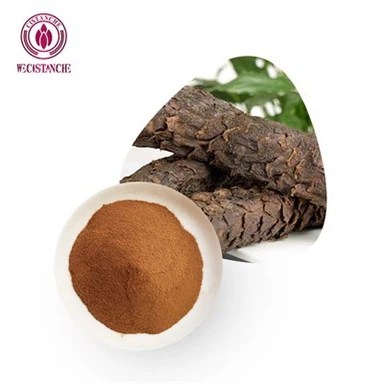
The raw stem may be decocted, macerated in wine, or powdered. Extracts are obtained by water or alcohol extraction, concentration, and drying, which enrich active markers for controlled dosage and formulation.
3.2 Marker Compounds
Phenylethanoid glycosides (PhGs) are representative active constituents and quality markers in pharmacopoeial standards, mainly echinacoside and acteoside (also called verbascoside). Polysaccharides, iridoids, lignans, flavonoids, amino acids, and trace elements are also present.
3.3 Sources of Variation
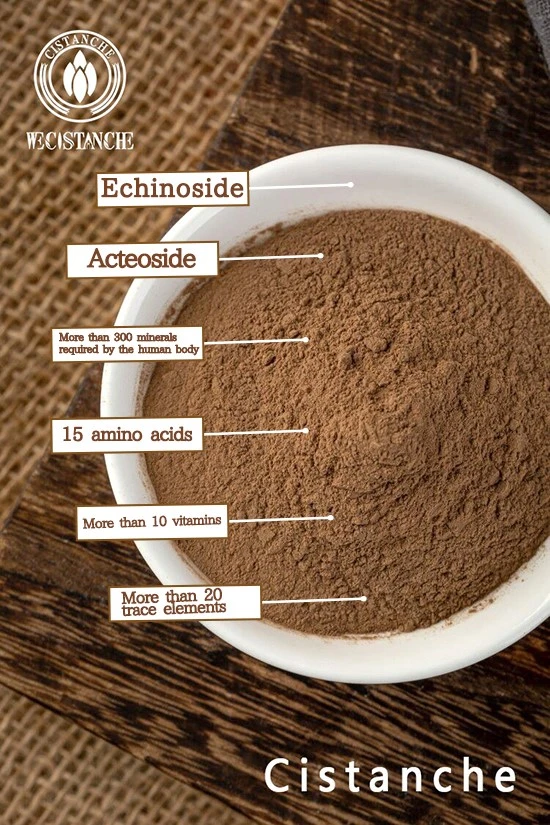
Main Chemical Constituents of Cistanche tubulosa
Composition varies with species (such as C. deserticola and C. tubulosa), origin, host plant, harvest time, and extraction process. Commercial extracts are usually labeled for total PhGs or echinacoside and acteoside content; these should be verified against test reports rather than marketing claims.
4. Preclinical Evidence: Observed Bioactivity Directions
Caveat: most findings come from in vitro assays, animal models, or isolated-compound studies; they do not establish human efficacy.
Antioxidant: PhGs scavenge free radicals and reduce oxidative stress, an activity repeatedly reported in vitro.
Immunomodulation: Cistanche polysaccharides show immunomodulatory tendencies in animal studies.
Neuroprotection and memory: PhGs are studied for antioxidant and neuronal protection and for effects on learning and memory; the targets and mechanisms of echinacoside remain under investigation.
Reproductive and energy support: traditional use targets kidney-yang and essence deficiency; modern animal work explores sexual function and hormonal markers, with limited human evidence.
Hepatic, renal, and metabolic support: trends toward protection in chemical liver- and kidney-injury models, and animal evidence on uric-acid reduction, have been reported; high-quality clinical trials are still needed.
In terms of evidence level, most conclusions remain preclinical; large-scale randomized human trials are lacking. Extract specifications, doses, and models differ across studies and should not be transferred directly from one setting to another.

Cistanche tubulosa- improves kidney function
Click here to view Cistanche for Kidney disease products
【Ask for more】 Email:cindy.xue@wecistanche.com / WhatsApp: 0086 18599088692 / WeChat: 18599088692
5. User Profile and Common Usage
5.1 TCM Pattern Reference
It is traditionally considered for patterns of kidney-yang and essence deficiency, with a sore and weak back or knees, cold intolerance, fatigue, low energy, and dry constipation.
5.2 Situations Not for Self-Selection
Those with yin deficiency with effusive fire, tidal heat, dry mouth, loose stools, spleen-deficiency diarrhea, or excess-heat constipation are outside the usual range.
5.3 Usage and Realistic Expectations
Traditionally, it is decocted, added to wine or porridge, or combined with other herbs. Extract products should be used according to the label or professional guidance, alongside a balanced diet, adequate sleep, and exercise. Wellness improvement is comprehensive; a single herb or extract cannot resolve chronic fatigue or persistent back-and-knee complaints. Ongoing symptoms warrant medical evaluation.
6. Safety, Contraindications, and Precautions
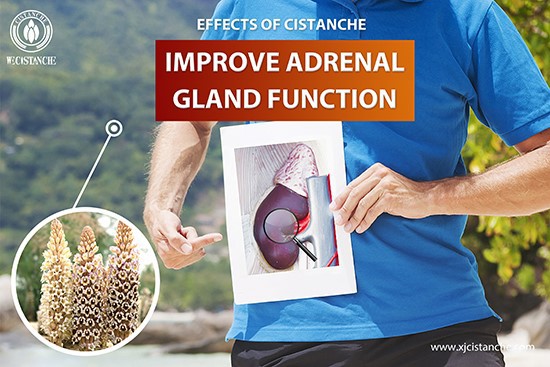
Cistanche tubulosa efficacy: Tonifying the kidney
Contraindications: those with effusive fire or hyperactive kidney fire, sloppy diarrhea, spleen-deficiency diarrhea, or excess-heat constipation should not use it.
Special groups: pregnant or breastfeeding women, children, older adults, and people with chronic disease (especially liver or kidney disease) should consult a clinician or pharmacist first.
Interactions: those taking antihypertensive, antidiabetic, anticoagulant, or immunosuppressant drugs, or those with gout or hyperuricemia, should assess possible combined effects in advance.
Quality: verify species, origin, and test reports for pesticide residues, heavy metals, microbes, and marker content; avoid unverified raw materials.
Adverse reactions: gastrointestinal discomfort or bloating may occur in some individuals; stop use and seek care if symptoms are marked.
7. Evidence Gaps and Rational Expectations
Traditional experience and modern evidence should be kept separate: classical records are summaries of experience, while modern pharmacology consists of laboratory findings; neither by itself proves efficacy for a specific disease.
Marketing claims should be watched carefully. Claims of rapid potency, curing infertility, or treating kidney disease go beyond the traditional positioning and current evidence. Health supplements cannot replace medicine or claim therapeutic effects.
TCM relies on pattern differentiation; similar symptoms may reflect different patterns. Long-term self-medication with tonic products is not advisable.

Phenylethanol glycoside is the main active component of Cistanche tubulosa
8. Conclusion
Cistanche extract is classed in TCM as a gentle tonic that warms kidney yang and nourishes essence; its phenylethanoid glycosides show research value in antioxidant, immunomodulatory, and neuroprotective directions. Using it within its evidence boundary, according to pattern, and respecting contraindications is the prudent approach. For a confirmed disease or persistent symptoms, seek formal medical diagnosis first.
Disclaimer
This article is an educational overview of TCM and natural products; classical records and studies have their own scope. It is not a diagnosis, prescription, or medication advice and cannot replace clinician face-to-face evaluation or pharmacist review.
Selected References
[1] Pharmacopoeia of the People's Republic of China, Vol. I: Cistanches Herba (nature, meridian, actions, and indications).
[2] Guangdong Administration of TCM: "Winter tonic: Cistanche-warm but not hot, tonifying but not harsh" (popular science).
[3] Modern Chinese Medicine Center, Beijing University of Chinese Medicine: biosynthetic pathway of phenylethanoid glycosides in Cistanche.
[4] State Key Laboratory of Natural and Biomimetic Drugs: bioactive substances and mechanisms of Cistanche.
[5] Wanfang Data: uric acid-lowering effect and mechanism of acteoside and echinacoside from C. tubulosa extract (2025).
[6] Hans Publishers: advances in pharmacological activity and mechanism of verbascoside (2024).
[7] PMC: Echinacoside Isolated from Cistanche tubulosa Putatively Stimulates Growth Hormone Secretion via Activation of the Ghrelin Receptor.