Understanding Recent Trends In Chinese Medicinal Herbs
Jan 08, 2025
In recent times, the prices of various medicinal herbs in China have experienced unexpected fluctuations. This article will provide an overview of the current market trends, focusing on some key herbs and their pricing dynamics.
1. Huangqin (Scutellaria baicalensis)
Huangqin, commonly known as Baikal Skullcap, has seen a price increase of nearly one yuan per kilogram. As of December 4, fresh Huangqin from Jishan County in Shanxi Province is priced between 12.5 to 13.5 yuan per kilogram, reflecting a rise due to limited supply this year. Dry Huangqin is also experiencing price variations: bulk prices are around 37 yuan, while higher quality selections reach up to 55 yuan per kilogram. Despite these changes, the overall market price remains stable at the moment.
In Bozhou, cultivated Huangqin is priced below 40 yuan, while thin slices that pass through a 4-mesh screen are selling for around 60 yuan. As the autumn harvest approaches in 2024, many market players are taking a cautious approach and are reluctant to buy, leading to a slower pace in sourcing Huangqin.

2. Insect Larvae (虻虫)
There has been an increase in the price of insect larvae due to a relatively low supply. Currently, larger larvae are priced at 1800 yuan, while average quality larvae are around 1500 yuan. The limited stock from the production areas is driving prices higher.

3. Other Herbs
Qianhu (前胡): This herb has seen a slight price drop due to the recent harvests. In Bozhou, lower quality varieties are priced around 40 yuan, while qualified goods range from 55 to 60 yuan. Qualified slices are priced between 75 and 80 yuan.
Bai Shao (白芍): The demand for Bai Shao remains weak, with prices around 35 yuan for lower quality and about 50 yuan for higher grades.
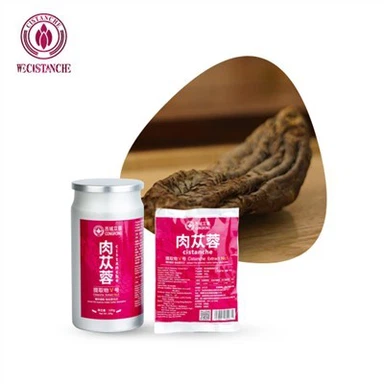
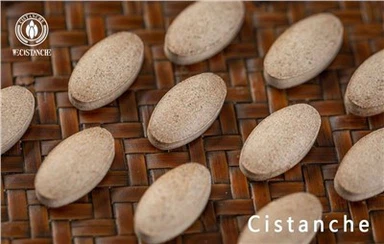
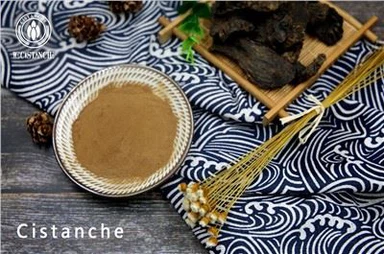
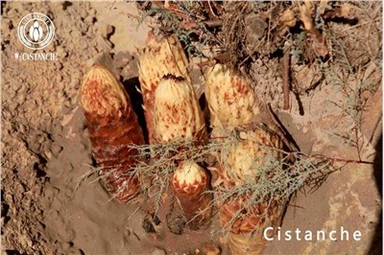
Rou Cong Rong (肉苁蓉): This herb, known as Cistanche, has also seen a slowup in sales. Currently, Cistanche tubulosa is priced between 80 to 100 yuan per kilogram for whole herbs, while slices are around 90 to 120 yuan.

Get 100% Natural Cistanche From Cistanche Farmer
Zhe Bei Mu (浙贝母): Prices for Zhe Bei Mu have slightly decreased. Non-sulfur slices are currently priced between 135 to 138 yuan, while higher quality stems are around 85 to 90 yuan.

Market Dynamics
The market for Huangqin is especially notable this season, as many suppliers are struggling with limited availability, causing a significant demand for high-quality raw materials. The situation is expected to lead to price differentiation, with superior quality Huangqin remaining stable while lower grades may face price pressures.
Overall, while some herbs such as Huangqin and insect larvae are experiencing price increases, others like Qianhu and Bai Shao are facing downward trends. This landscape underlines the importance of understanding supply and demand dynamics within the herbal medicine market.
As the market continues to evolve, it's crucial for herbal medicine enthusiasts and practitioners to stay informed about these trends to make educated decisions regarding sourcing and usage.